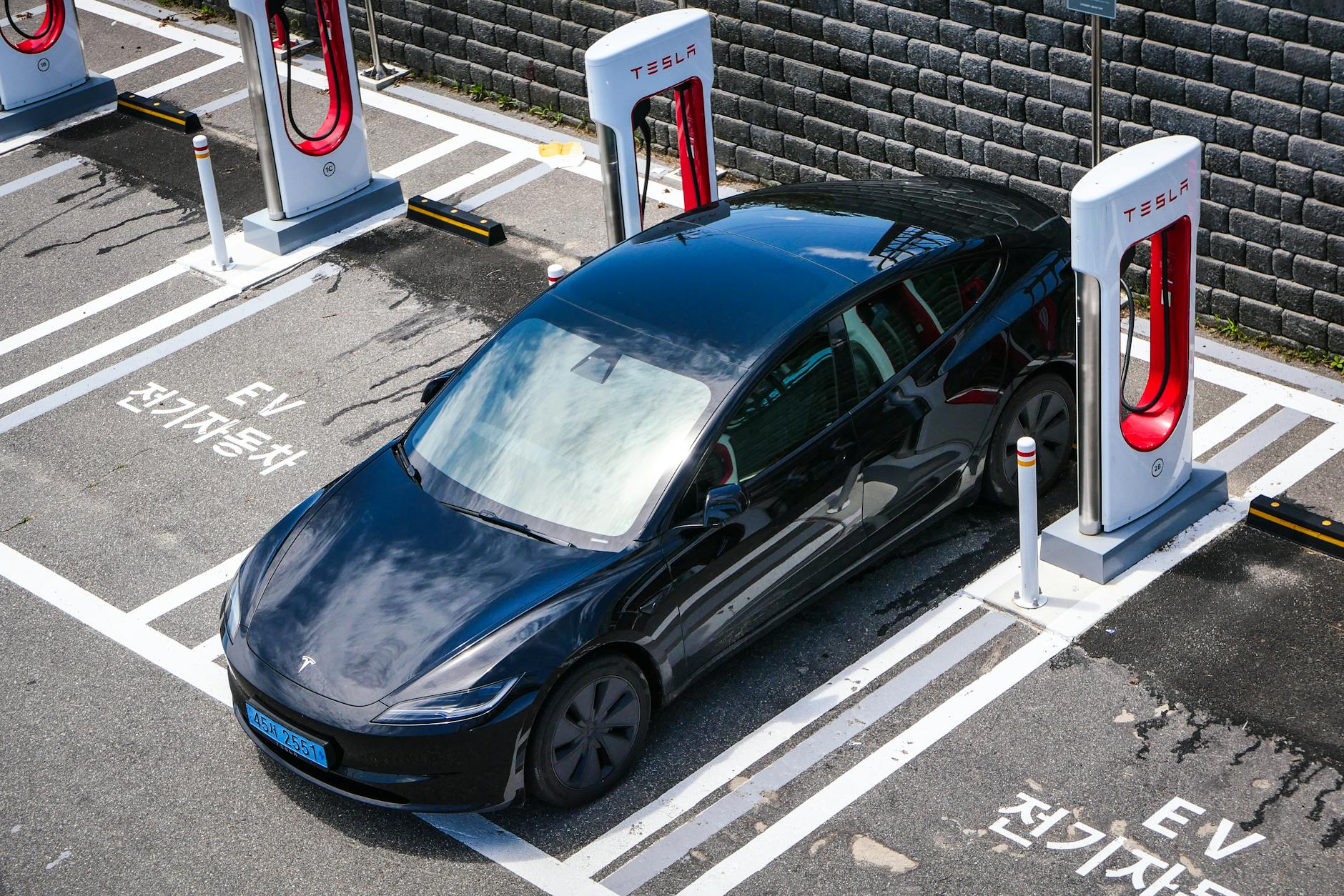
Tesla has begun rolling out its Full Self-Driving (FSD) v14.3 software to early access members, bringing significant improvements to the driving experience. This latest update addresses several frustrating behaviors from previous versions, making the journey smoother and more reliable. While substantial progress is noted in areas like yellow light handling and parking, the system's navigation and routing capabilities still present challenges. These advancements highlight the continuous evolution of electric vehicle technology, pushing toward a future where sustainable transport is not just cleaner, but also remarkably convenient and safe.
Tesla is rolling out its Full Self-Driving (FSD) v14.3 software to early testers, promising significant improvements for electric vehicle owners. Initial reviews highlight a much smoother and safer driving experience, addressing past frustrations with yellow light reactions, parking, and highway navigation. These enhancements not only make journeys more comfortable but also demonstrate the rapid progress in autonomous technology, paving the way for a future where electric mobility is increasingly efficient and appealing. As we push towards cleaner transportation, advanced systems like FSD are crucial for accelerating EV adoption and reducing our reliance on fossil fuels. While some navigation challenges remain, this update marks a vital step forward in sustainable driving.
The world's carbon markets are undergoing significant transformations, with the UN advancing new methodologies for Article 6.4 credits, focusing on renewable energy, while the older Clean Development Mechanism (CDM) phases out. In Europe, the EU Emissions Trading System (ETS) is strengthening, emphasizing high-quality carbon credits and setting ambitious post-2030 targets. Meanwhile, the Nasdaq exchange is boosting global carbon market infrastructure by launching EU carbon futures. These developments underscore a global push towards more robust climate action and cleaner technologies, though a growing gap in "green skills" highlights the urgent need for workforce adaptation to meet these evolving demands.
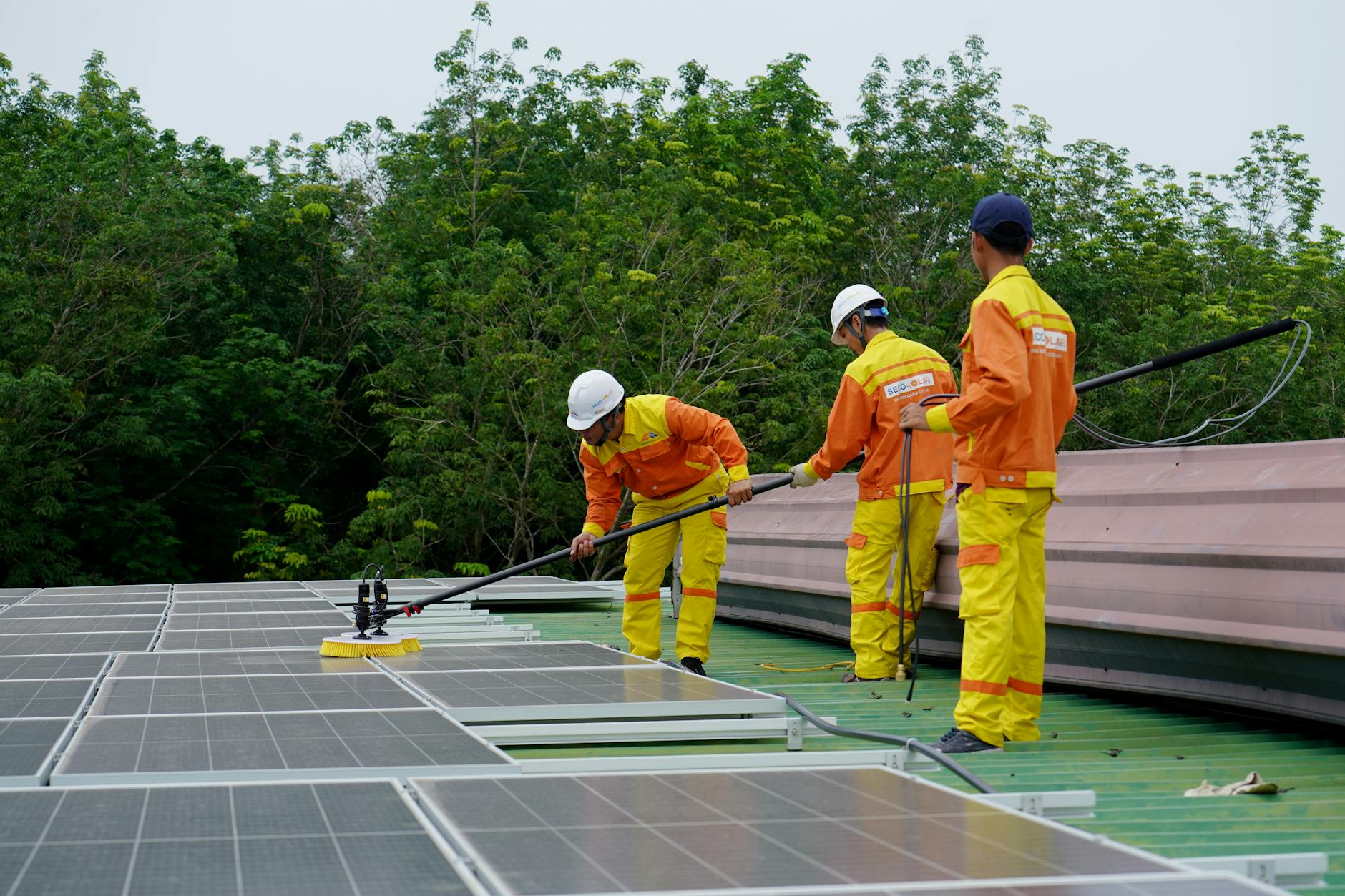
The shift towards clean energy and energy efficiency is sparking a wave of new job opportunities across various skilled trades. To ensure these benefits reach everyone, especially those from underserved communities, Illinois has launched the Climate Works Pre-Apprenticeship Program. This innovative paid initiative offers vital training, safety certifications, and job site experience, while also providing crucial financial and social support to participants facing barriers. By preparing a diverse workforce for well-paying union careers, Illinois is not only boosting economic opportunity but also accelerating the transition to a sustainable, low-carbon future. This effort highlights the critical link between climate action and equitable job creation.
Norway's drive for a 'green energy' future is facing significant pushback, as Indigenous Sámi communities raise concerns about 'green colonialism.' Projects like the electrification of the Melkøya gas plant and new wind farms, while presented as climate solutions, are seen by many Sámi as both prolonging fossil fuel dependency and encroaching on their ancestral lands. These developments severely disrupt traditional reindeer herding, impacting critical migration routes and grazing areas. This conflict highlights the complex challenge of pursuing climate action in a way that truly respects human rights and ecological balance.
A federal judge has ruled that Alabama Power can continue charging one of the nation's highest monthly backup fees for residential solar customers. This decision concludes a long-standing legal challenge and is seen by advocates as a significant blow to clean energy progress in the state. The fee, which adds around $39 to an average solar homeowner's monthly bill, is widely criticized for slowing down solar adoption and delaying the shift towards sustainable, fossil-fuel-free electricity. Alabama currently ranks last per capita in residential solar capacity, underscoring the urgency of addressing barriers to renewable energy.
Global climate negotiations often stall on phasing out fossil fuels, a failure political scientist Jessica Green attributes to a fundamental flaw in our approach. In her book, "Existential Politics," Green argues that fossil fuel companies skillfully redirected climate action away from eliminating their products and towards the complex, easily gamed system of "managing tons" of emissions. This strategic misdirection allows the root cause – fossil fuel extraction and combustion – to continue, threatening our planet's future. Recognizing this urgent problem is the first step toward effective environmental action.
Google is changing how big energy users support the power grid, securing a massive 1 gigawatt (GW) of capacity from its U.S. data centers. This innovative "demand response" approach allows the company to reduce or shift its electricity use during peak times, helping to stabilize the grid and lower costs for everyone. It's a crucial step as electricity demand soars, driven by the digital world and growing reliance on clean energy. This flexibility helps integrate more renewable power and reduces the need for polluting backup plants, pushing us closer to a cleaner energy future.
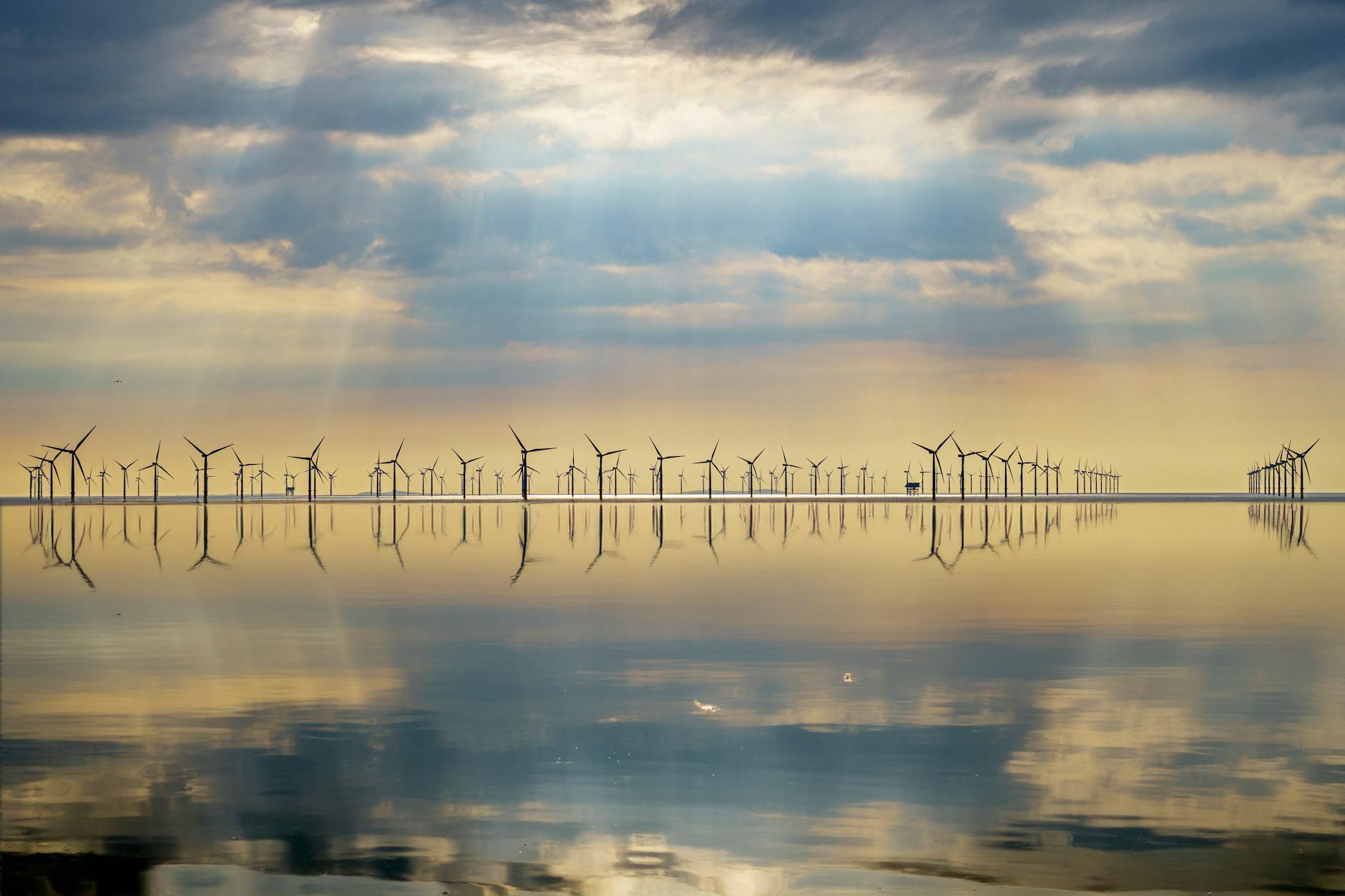
The Trump administration has struck a deal with French energy giant TotalEnergies, redirecting significant investment away from U.S. offshore wind projects toward oil and gas instead. This agreement, which allows TotalEnergies to recover nearly $1 billion in lease payments, marks a major pivot in American energy policy. Industry experts warn it creates unprecedented executive interference, risking a chill on wider infrastructure spending and undermining confidence in the nation's commitment to clean energy. This shift away from sustainable solutions like wind power raises serious concerns for the future of electrification and our collective efforts to address global warming.
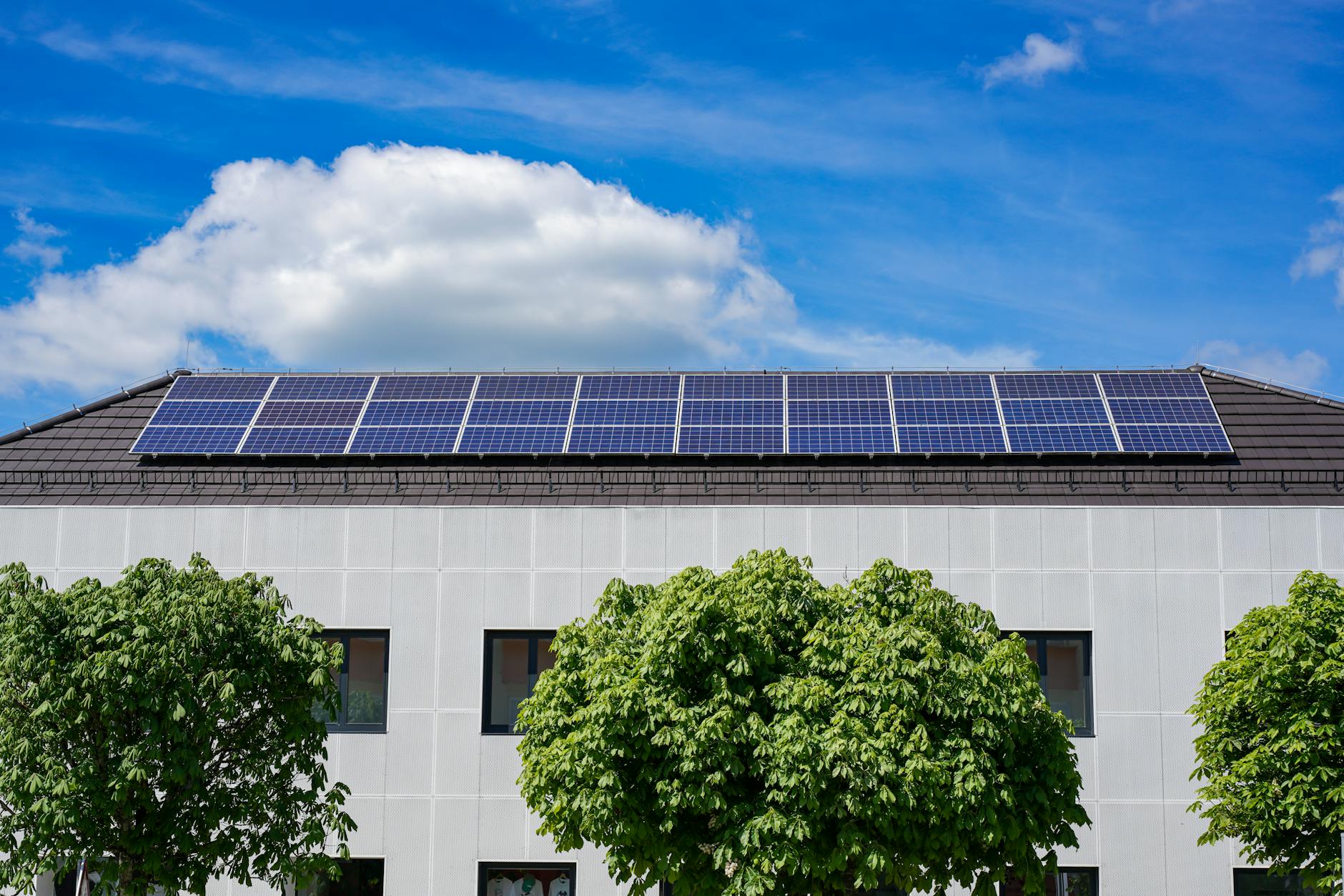
In Detroit's Hope Village, a house once destroyed by fire has been reborn as a model of clean energy efficiency. Through a total renovation by Hope Village Revitalization, the La Salle Eco-Demonstration house now showcases how sustainable solutions can transform buildings. Equipped with new insulation, efficient windows, electric heat pumps, and solar panels, it drastically cuts energy costs for residents. This project highlights the powerful impact of electrification and green technology in creating affordable, environmentally friendly living spaces.
A significant rise in global oil prices, fueled by Middle East tensions and shipping disruptions, is rapidly accelerating the world's shift towards electric vehicles (EVs). This economic pressure is making EV ownership far more appealing, as drivers seek relief from soaring fuel costs. Chinese EV manufacturers are stepping up to meet this growing demand, leveraging their massive production capabilities and competitive pricing to dominate new markets. This surge underscores a crucial moment in global electrification, pushing us closer to sustainable transport solutions and reducing reliance on fossil fuels.
The Tesla Semi, an all-electric heavy-duty truck, is rapidly transforming the logistics industry and winning over skeptical veteran drivers. Praised for its effortless handling, advanced features, and significant comfort improvements, the Semi is making long hauls easier and less stressful than traditional diesel rigs. This shift isn't just about driver satisfaction; it represents a major step towards cleaner transportation. With pilot programs racking up millions of miles and delivering impressive efficiency, the electric truck is proving it can outperform its fossil-fuel counterparts, driving us closer to a sustainable future and reducing emissions on our roads.