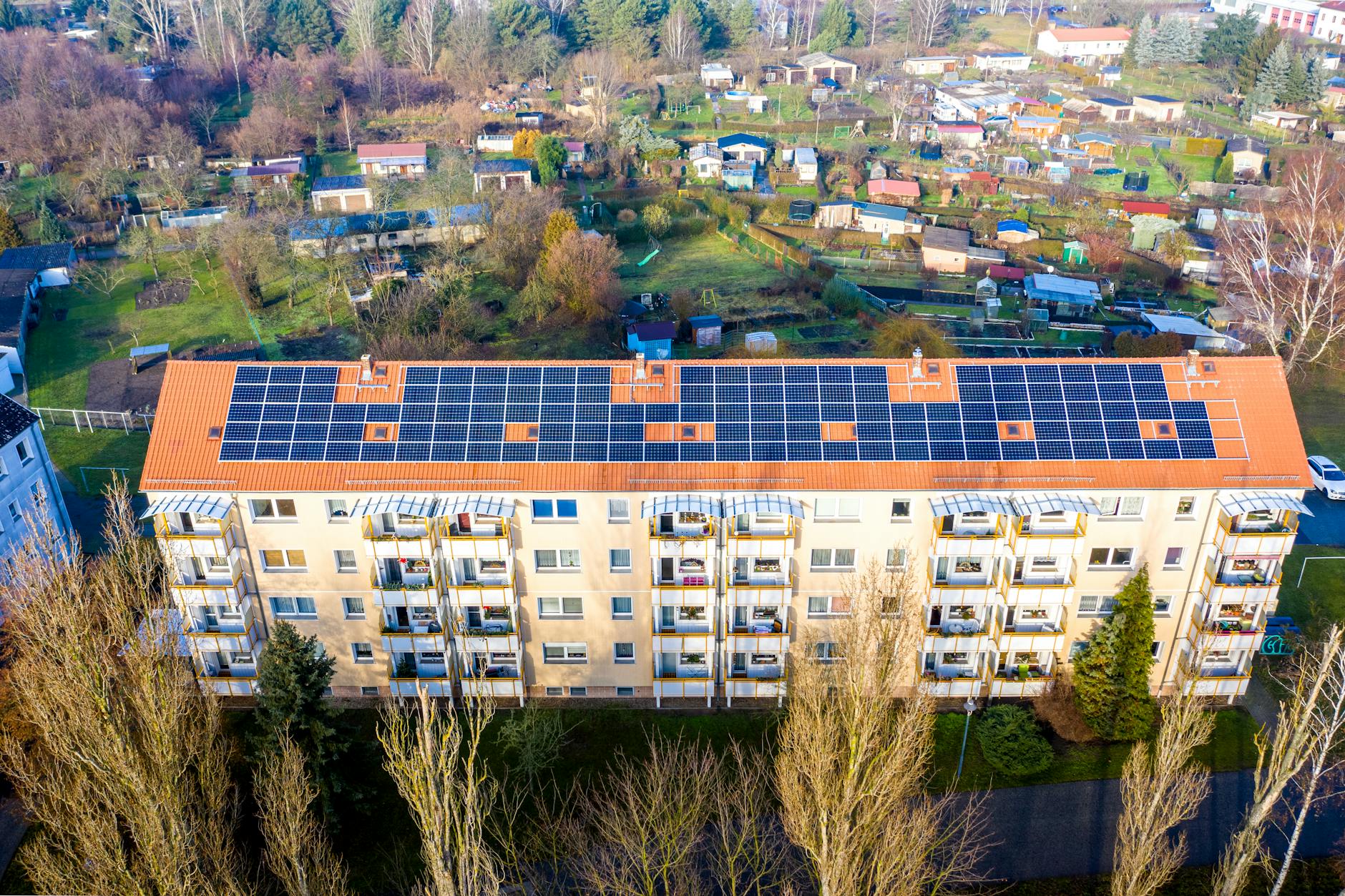
In Detroit's Hope Village, a house once destroyed by fire has been reborn as a model of clean energy efficiency. Through a total renovation by Hope Village Revitalization, the La Salle Eco-Demonstration house now showcases how sustainable solutions can transform buildings. Equipped with new insulation, efficient windows, electric heat pumps, and solar panels, it drastically cuts energy costs for residents. This project highlights the powerful impact of electrification and green technology in creating affordable, environmentally friendly living spaces.
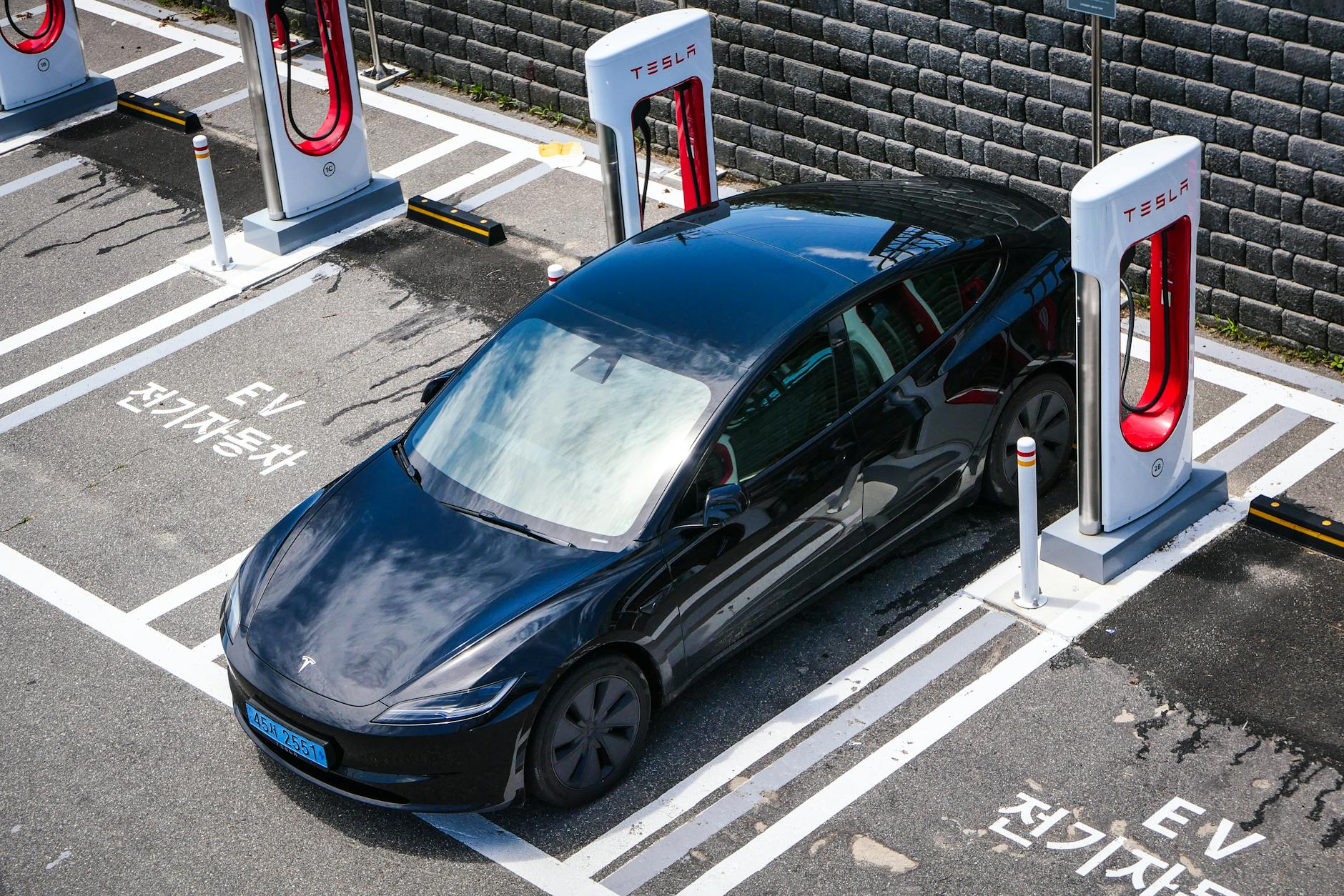
A significant rise in global oil prices, fueled by Middle East tensions and shipping disruptions, is rapidly accelerating the world's shift towards electric vehicles (EVs). This economic pressure is making EV ownership far more appealing, as drivers seek relief from soaring fuel costs. Chinese EV manufacturers are stepping up to meet this growing demand, leveraging their massive production capabilities and competitive pricing to dominate new markets. This surge underscores a crucial moment in global electrification, pushing us closer to sustainable transport solutions and reducing reliance on fossil fuels.
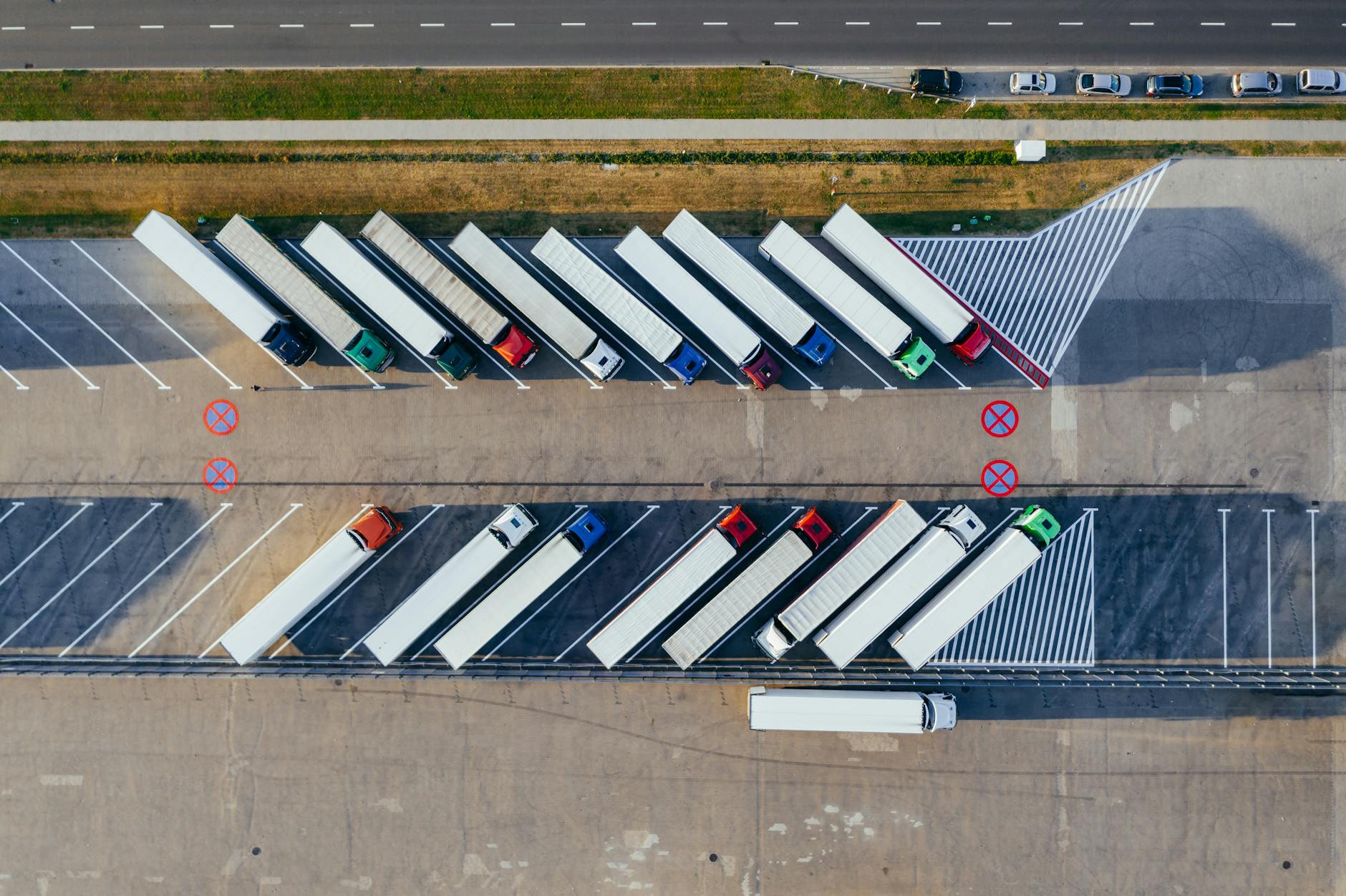
The Tesla Semi, an all-electric heavy-duty truck, is rapidly transforming the logistics industry and winning over skeptical veteran drivers. Praised for its effortless handling, advanced features, and significant comfort improvements, the Semi is making long hauls easier and less stressful than traditional diesel rigs. This shift isn't just about driver satisfaction; it represents a major step towards cleaner transportation. With pilot programs racking up millions of miles and delivering impressive efficiency, the electric truck is proving it can outperform its fossil-fuel counterparts, driving us closer to a sustainable future and reducing emissions on our roads.
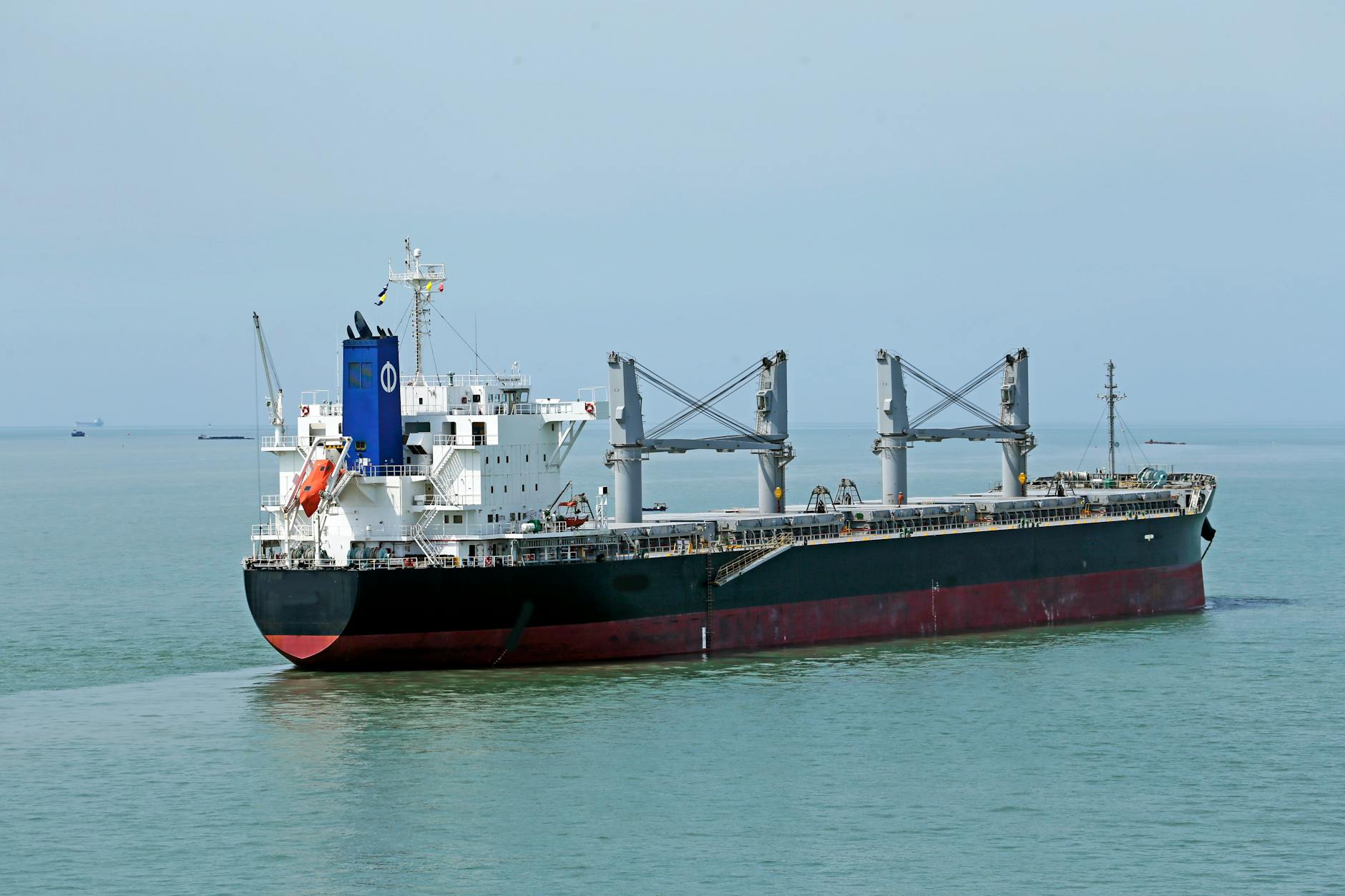
Traditional cargo ships are major contributors to planet-warming carbon pollution, making ocean shipping a significant challenge for climate action. However, a French company named Neoline is charting a new course with its innovative vessel, the Neoliner Origin. This remarkable ship uses giant sails to harness wind for up to 70% of its propulsion, drastically reducing its reliance on fossil fuels. By combining ancient technology with modern efficiencies, Neoline aims to cut carbon emissions by an impressive 80% compared to conventional cargo ships, demonstrating a powerful step towards sustainable ocean transport.
The Interior Department is increasingly making it difficult for journalists to report on national parks and public lands, raising concerns about transparency. A recent incident saw SFGate reportedly blacklisted for critical coverage, with the National Park Service ceasing responses to their inquiries. This points to a broader effort by the Interior Department to centralize all communications, shifting hundreds of staff and requiring departmental approval for what parks can share. Such moves threaten the public's ability to stay informed about vital environmental changes and conservation efforts on our shared lands.
This winter, Western U.S. ski areas are experiencing alarmingly low snowpack, leading to early closures and reduced employee hours. This isn't just a bad year; it's a stark sign of how global warming is making snowy seasons shorter and less predictable. While mountain communities depend heavily on winter sports, the ski industry's collective response to this existential threat has been surprisingly muted, failing to match the urgency of the climate crisis. The economic and environmental implications are severe, demanding more forceful action.
As the Western U.S. endures a historic early-season heat wave, Hawaii is battered by relentless, destructive floods. This extreme weather, from soaring temperatures that have shattered nearly 180 March records to deluge-driven devastation, is a stark reminder of our changing climate. Experts confirm that human-caused global warming has made such heat events "virtually impossible" without climate change, pushing our planet into unprecedented territory. These dramatic shifts underscore the urgent need for climate action to protect communities and vital resources.
California is currently experiencing an unprecedented March heat wave, smashing temperature records across the state. This extreme weather event is more than just an unusually hot spell; it's a stark reminder of our changing climate. Experts warn that this heat, alongside recent intense rains and destructive wildfires, is part of a dangerous 'weather whiplash' pattern directly linked to global warming. Understanding these shifts is crucial as they reshape California's landscape and challenge communities.
The White House is demanding a rapid increase in oil and gas production, echoing a "Drill Baby Drill" mantra, to counter a severe energy crisis. This mandate comes as geopolitical conflict in the Middle East sends Brent crude soaring and gas prices rising for consumers. However, major oil companies are hesitant to commit to long-term investments, citing unpredictable market volatility and the "fog of war." This global instability not only strains wallets but also underscores the critical need to accelerate the shift towards clean, resilient energy sources, offering a stark contrast to the vulnerability of fossil fuel dependence.
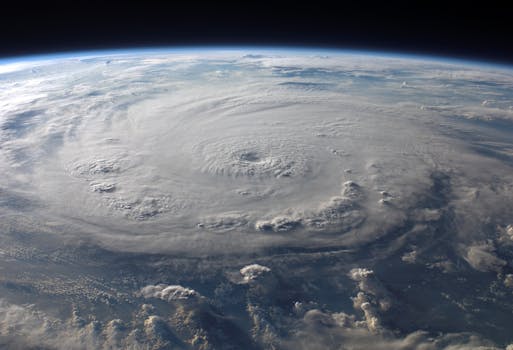
As our planet warms, hurricanes are growing stronger and more destructive, pushing the limits of our current warning systems. Some scientists are now proposing a radical change: adding a Category 6 to the existing hurricane rating scale. Atmospheric scientist I-I Lin suggests that storms with winds over 184 miles per hour, like 2013's devastating Typhoon Haiyan, are so powerful they warrant their own distinct classification. Her research highlights that such extreme storms have become more common, capable of doubling the destructive potential of a regular Category 5 hurricane. This shift is crucial to accurately convey the escalating danger posed by climate-fueled super-storms.
As Women's History Month shines a light on overlooked contributions, a new collection of books celebrates women's pivotal role in understanding and addressing climate change. From pioneering scientific discoveries to leading global climate action and shaping our collective future, these reads reveal how women have always been at the forefront. They explore the historical impact of climate on women, vital scientific insights, and compelling narratives urging urgent action. This curated list underscores the critical importance of diverse voices in tackling the environmental crisis.
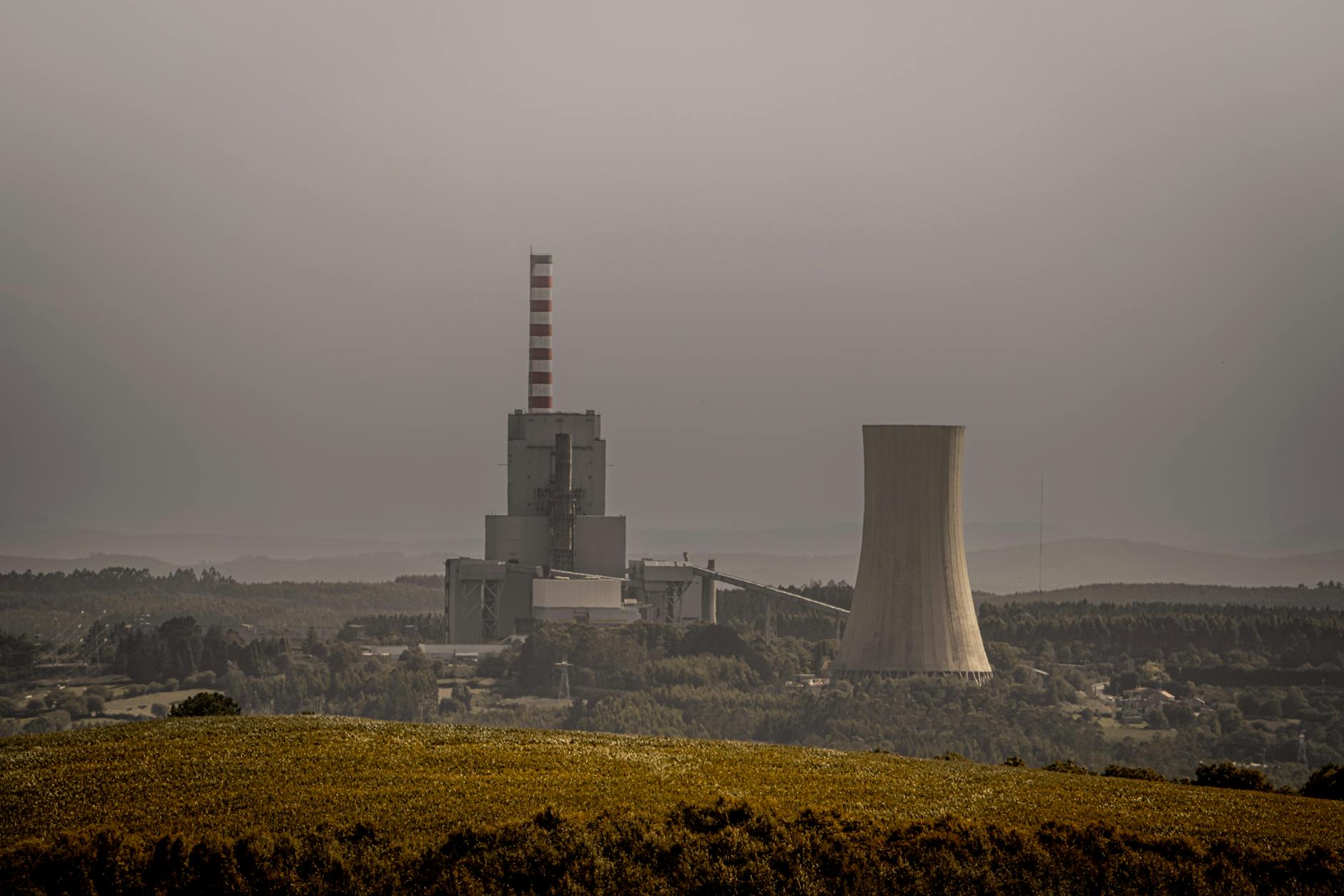
A new conflict in Iran is sending ripple effects across Asia, forcing several nations to turn back to coal as global liquefied natural gas (LNG) supplies are disrupted. This sudden shift, driven by critical fuel shortages, poses a significant threat to global climate goals and worsens air quality in already struggling regions. The reliance on imported fossil fuels highlights a critical vulnerability, making the urgent transition to sustainable energy solutions more vital than ever to avoid future environmental and economic shocks.