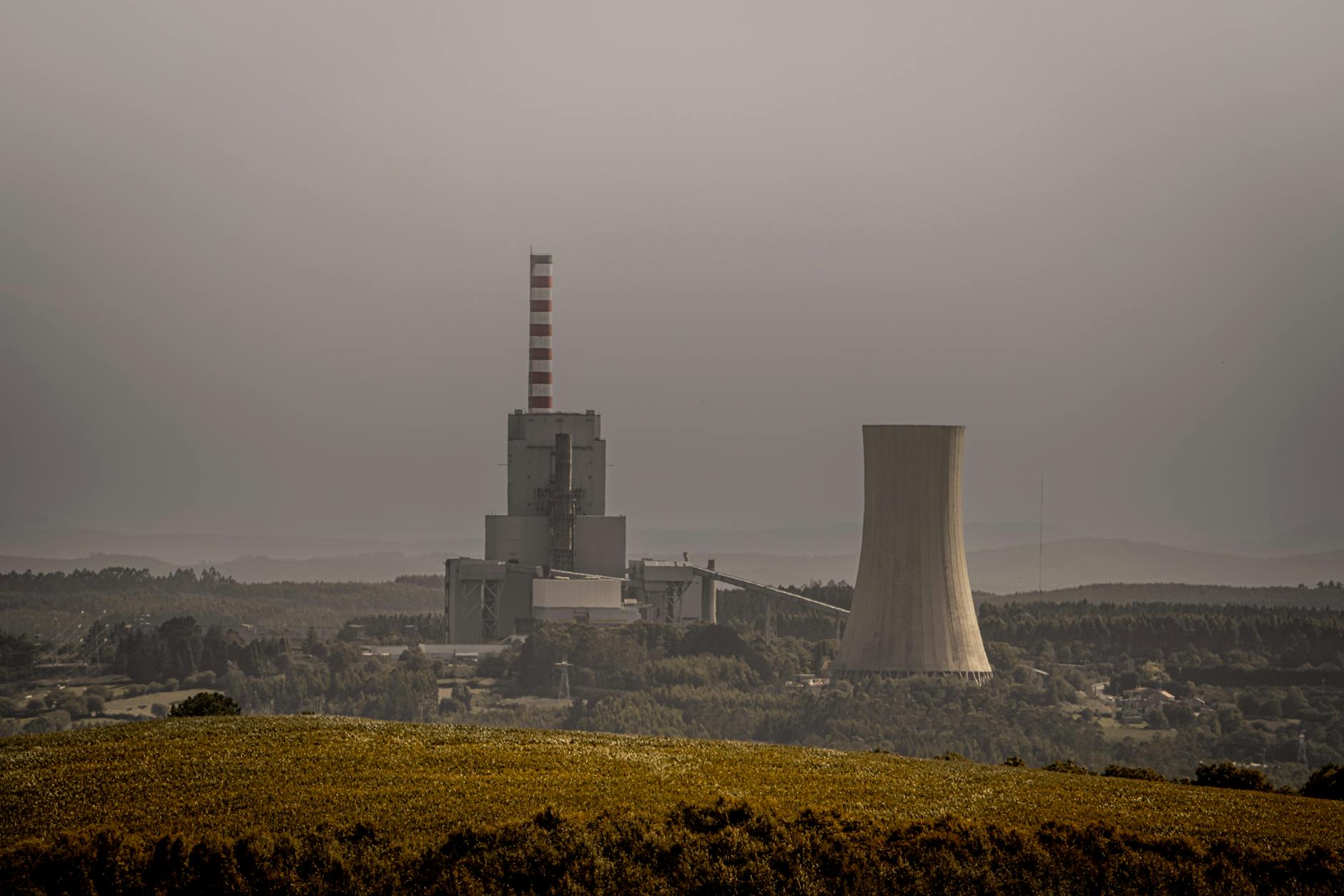
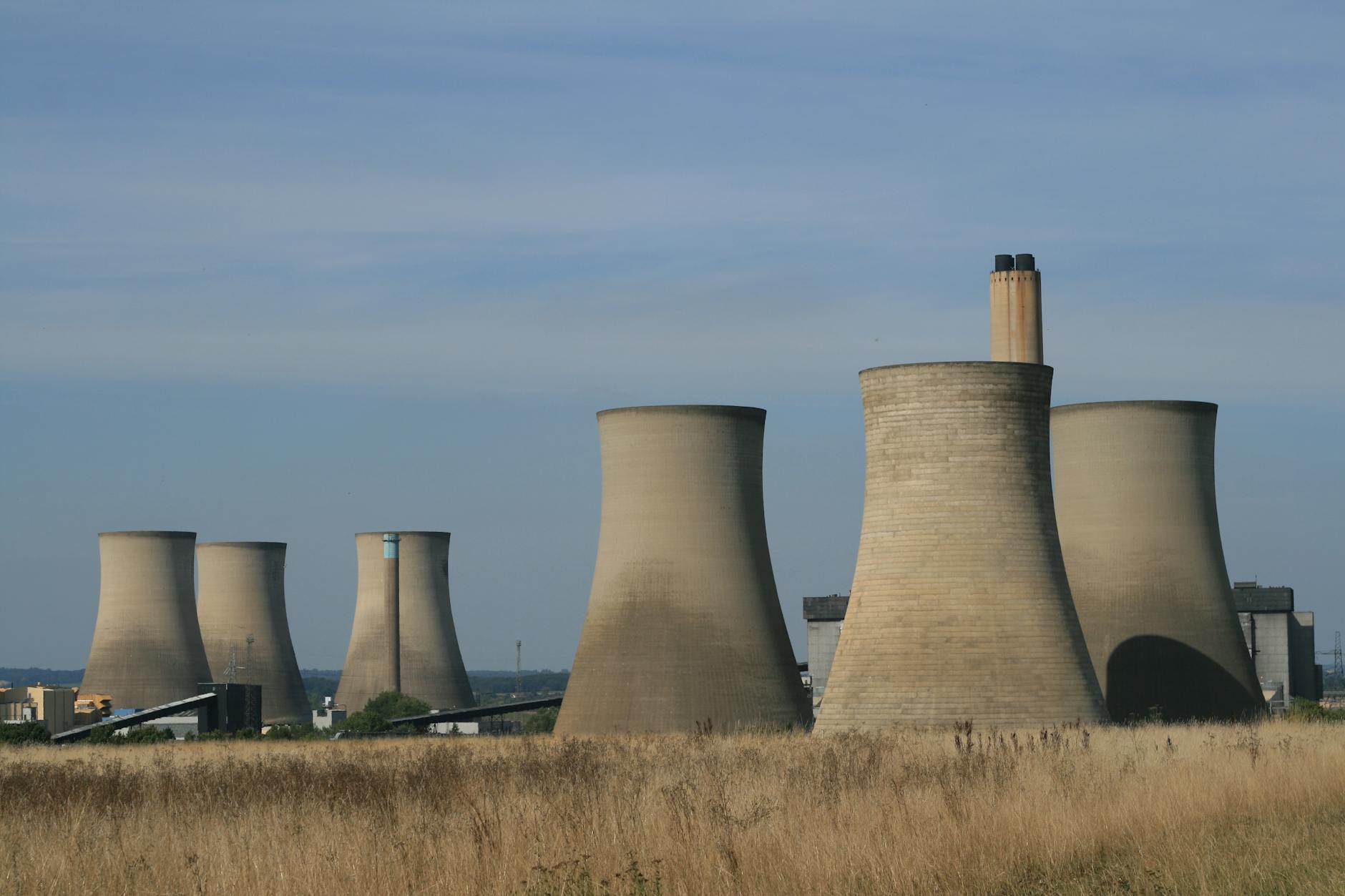
A new conflict in Iran is sending ripple effects across Asia, forcing several nations to turn back to coal as global liquefied natural gas (LNG) supplies are disrupted. This sudden shift, driven by critical fuel shortages, poses a significant threat to global climate goals and worsens air quality in already struggling regions. The reliance on imported fossil fuels highlights a critical vulnerability, making the urgent transition to sustainable energy solutions more vital than ever to avoid future environmental and economic shocks.
Tesla is reportedly planning a massive push into U.S. solar manufacturing, aiming for up to 100 gigawatts of capacity by 2028. This ambitious move, potentially involving a $2.9 billion purchase of Chinese equipment, could significantly boost America's clean energy independence. However, it also highlights a critical challenge: even as the U.S. seeks to grow its domestic green technology sector, it often relies on foreign supply chains, particularly from China, for essential manufacturing tools. This situation underscores the complex path towards a fully sustainable and localized energy future, emphasizing the urgent need for global collaboration in climate action.
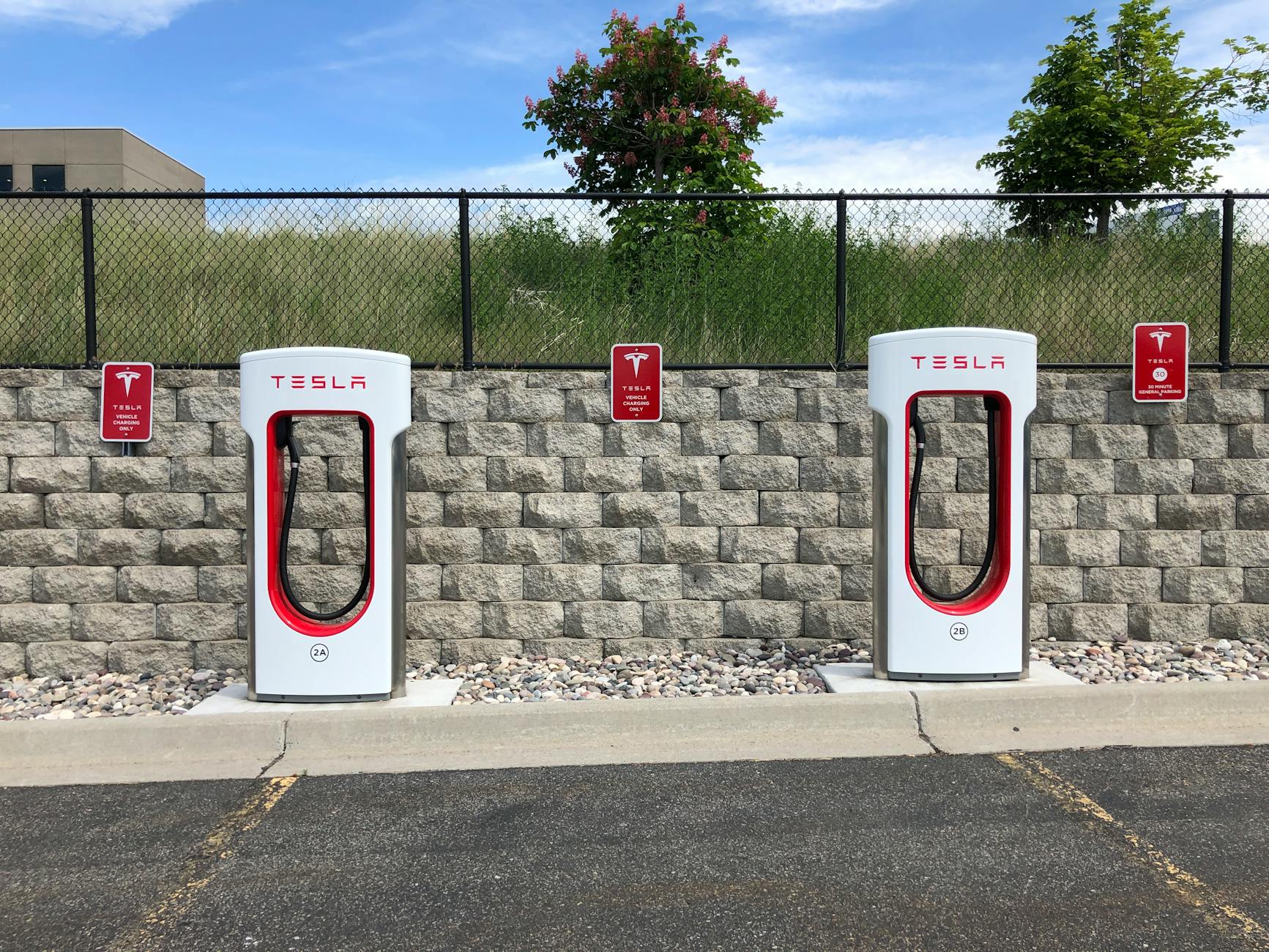
Tesla has unveiled its first "true" V4 Supercharger on the East Coast, located in Kissimmee, Florida. This advanced station delivers an incredible 500 kW of power, making it one of only a handful in the U.S. capable of such speeds. This isn't just an incremental update; it's a significant leap in charging technology, promising much faster charging times and laying the groundwork for future electric vehicles with higher voltage needs. It marks a crucial acceleration in building a sustainable, high-power EV infrastructure.
Illinois is making a significant move towards a cleaner energy future with a new law signed by Governor JB Pritzker. This legislation focuses on large-scale battery storage, a crucial step for boosting clean energy use across the state. By capturing and storing power generated from sources like wind and solar, these batteries can release electricity when demand is high, helping to bridge gaps when the sun isn't shining or the wind isn't blowing. This investment aims to power millions of homes, reduce reliance on costly fossil fuels, and ultimately save residents billions of dollars on their utility bills.
California is experiencing a record-breaking heat wave, causing its vital Sierra Nevada snowpack to melt at an unprecedented rate. This snowpack typically supplies about a third of the state's water, replenishing reservoirs in spring and summer. However, climate change is accelerating this runoff, leading to less water availability when it's most needed. While many reservoirs are currently full, the early disappearance of this natural “snow reservoir” poses a significant challenge for future water supply and highlights the urgent need for adaptive management in the face of a changing climate.
Tesla is enhancing its all-electric Cybertruck with an important new safety feature designed to protect cyclists and pedestrians. This innovative "anti-dooring" system uses the vehicle's existing cameras to detect hazards when parked, preventing doors from opening into oncoming traffic or people. It's a significant step towards improving urban road safety and highlights how electric vehicles can leverage advanced software for real-world environmental benefits by making city cycling safer and more appealing. This technology demonstrates Tesla's commitment to continuous improvement through over-the-air updates, ensuring a safer future for all road users.
Local communities in Madagascar are protesting Rio Tinto’s QMM mine, claiming vital social funds have been mismanaged and projects fail to address their pressing needs. Despite a recent increase in budget commitment, residents feel their priorities for health, education, and income generation are ignored. This growing unrest comes as Rio Tinto considers selling QMM, raising fears that the company could abandon Madagascar, leaving behind a toxic environmental legacy and unresolved social issues for years to come. The situation highlights the critical need for corporations to genuinely engage with local populations for sustainable development.
Ten years after Leonardo DiCaprio used his Oscar win to passionately declare climate change "the most urgent threat," the 2026 Academy Awards unfolded with a striking silence on the issue. Despite worsening global temperatures—with recent years shattering records—and ongoing policy rollbacks, climate urgency was notably absent from speeches. This stark contrast highlights a concerning shift in public discourse, urging us to reflect on why a critical global challenge seems to have faded from the spotlight, even as its impacts intensify.
A remarkable material known as biochar is gaining traction as a powerful tool in the global effort to combat climate change. Made by heating organic waste without oxygen, biochar locks carbon away for centuries, significantly reducing atmospheric CO₂. This "black gold" not only helps clean the air but also dramatically improves soil health and turns agricultural waste into a valuable resource. Its rise in carbon markets highlights a vital step towards more sustainable farming and a cooler planet.
After the devastating 2025 Palisades and Eaton fires, which blanketed the L.A. coast in ash and raised significant environmental concerns, new research brings a sigh of relief. Scientists studying the long-term effects on local beaches found that levels of harmful metals like lead in coastal sand and seawater remained well below safety thresholds. This positive update suggests that while initial concerns were valid, our marine environment is showing resilience, underscoring the vital role of continuous monitoring in safeguarding our natural resources.
The global surge in artificial intelligence is driving an unprecedented demand for electricity, pushing data centers to seek reliable, low-carbon power sources. In response, AtkinsRéalis and NVIDIA have announced a collaboration to explore nuclear-powered “AI factories.” This partnership combines engineering and nuclear expertise with advanced AI design tools, aiming to build next-generation computing hubs. The goal is to meet AI’s growing energy needs sustainably, providing stable, emissions-free power for our digital future.
The UK government has launched its ambitious Fusion Energy Strategy 2026, pledging a £2.5 billion investment over five years. This bold plan aims to establish the UK as a leader in commercial fusion power, turning this groundbreaking science into a reliable, clean energy source. Beyond energy independence, the strategy links the development of fusion to economic growth, job creation, and crucially, the expansion of artificial intelligence capabilities. This move highlights a powerful commitment to sustainable solutions and a future less reliant on fossil fuels.