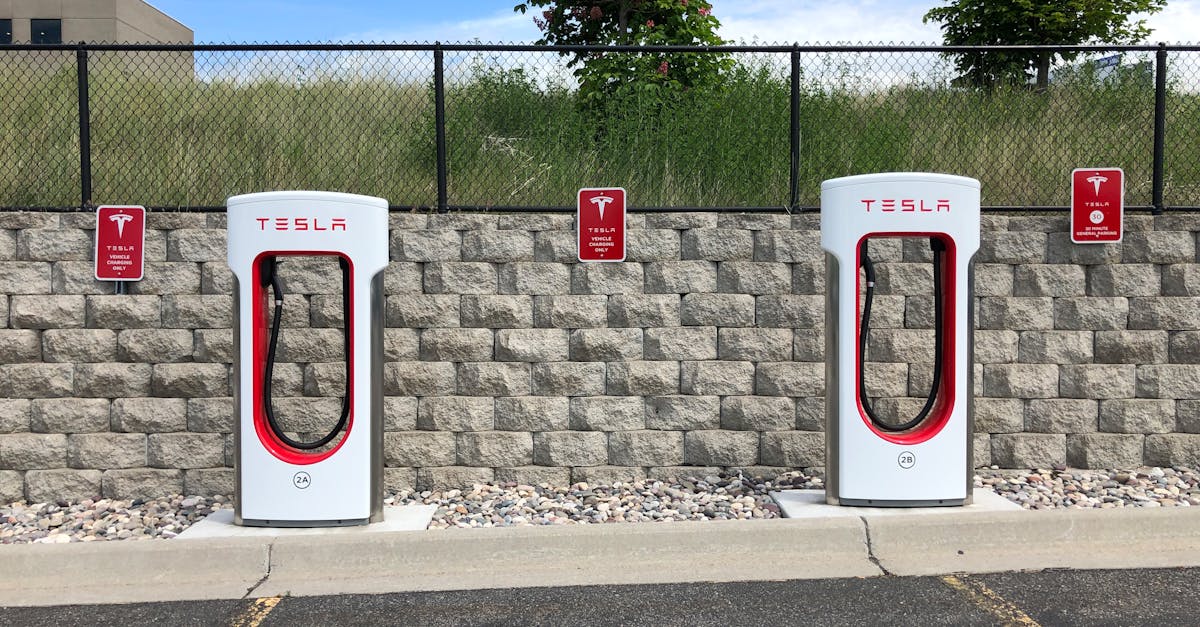
The familiar anti-EV script now travels well across borders: there are too few chargers, public chargers are often broken, charging always takes too long, and holiday travel turns the whole system into chaos. But once the global data is laid side by side—from China and Norway to the European Union, the United Kingdom and the United States—that story starts to crack. The truth is more demanding, but also more hopeful: EV road travel is no longer the impossible edge case critics describe, yet charging quality is still uneven and some peak-travel corridors remain underbuilt. That distinction matters because road transport is still a major climate problem, and delaying electrification on the basis of outdated or exaggerated charging myths only locks in more oil dependence, more pollution and more lost time in the transition to a cleaner transport system.
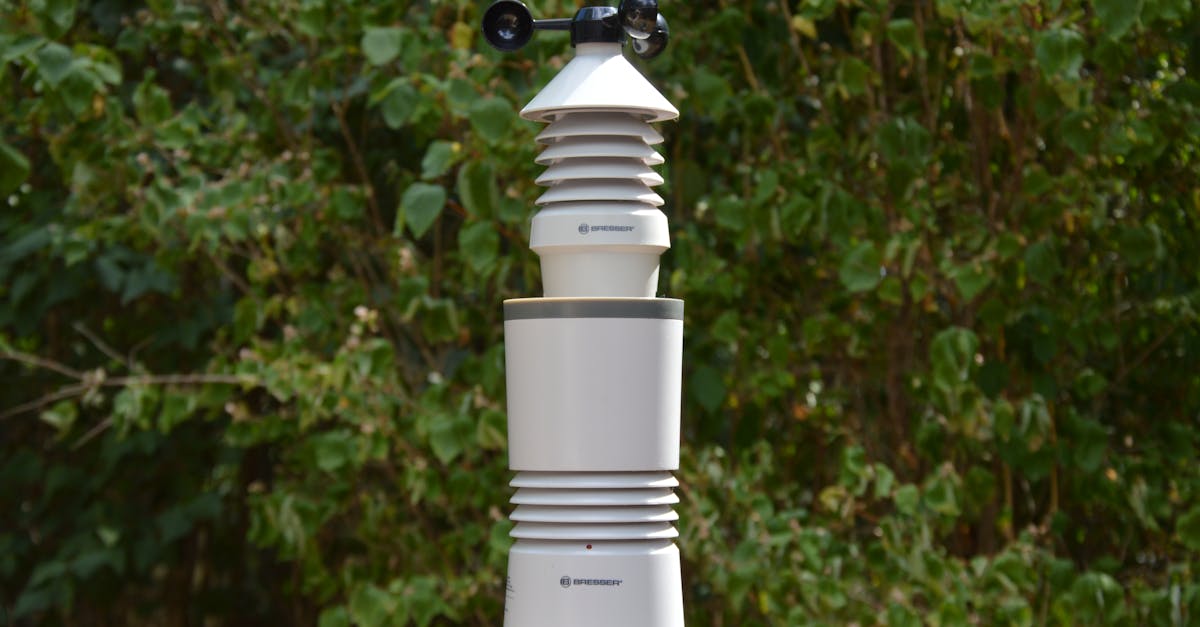
For years, tracking how much carbon dioxide is removed from the atmosphere through enhanced weathering has been a slow and challenging process. This crucial climate solution, which involves spreading rock dust to absorb CO₂, needed a better way to prove its effectiveness. A new innovation called Everest is changing this, introducing in-field sensors that provide continuous, real-time measurements. This breakthrough allows us to precisely monitor carbon capture, accelerating our understanding and deployment of a vital tool in the fight against global warming.
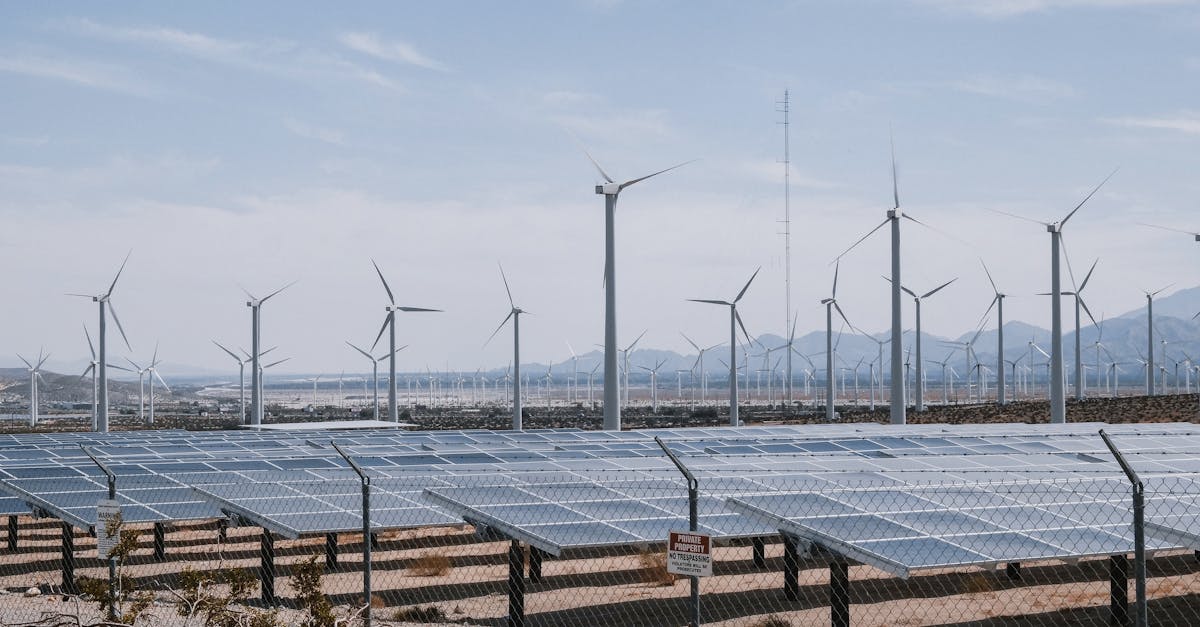
The U.S. achieved a significant milestone last year, generating a record amount of electricity from renewable sources. Despite policies aimed at boosting fossil fuels, green energy surged by 10% in 2025, accounting for over a quarter of all U.S. power. This remarkable progress highlights the growing strength of clean technologies like wind and solar, capable of powering roughly 108 million American homes annually. This shift underscores a critical turning point in our energy future, accelerating the urgent transition away from planet-warming fossil fuels.
Tesla is accelerating the production of its groundbreaking Cybercab, a fully autonomous, electric robotaxi, at Gigafactory Texas. Recent observations show dozens of these unique vehicles undergoing testing, signaling a major step toward mass deployment. This innovative electric solution aims to redefine personal transportation, potentially shifting us away from traditional car ownership. Such a move could significantly reduce urban congestion and emissions, marking a pivotal advancement in sustainable urban living and climate action.
A common belief suggests climate change will lead to mass migration across borders, but new research paints a more complex picture. A Stanford researcher, Hélène Benveniste, reveals that people respond differently to extreme weather based on their vulnerability and financial ability to move. Her studies show that while some with less education might migrate after heatwaves, those with very little income often find themselves trapped. This urgent insight underscores how climate change disproportionately affects the most vulnerable, making it crucial to understand diverse impacts for effective climate action.
A new book, "Human Nature: Nine Ways to Feel about Our Changing Planet," challenges the traditional view of scientific objectivity. Written by Earth scientist Kate Marvel, the book argues that emotions are not just permissible but essential in understanding and addressing the climate crisis. By blending scientific insight with personal feelings, Marvel inspires readers to see that human actions can shape a more sustainable future. It's a powerful call to embrace our shared responsibility and act for a healthier planet.
Wall Street analyst Jim Cramer has recently acknowledged a significant shift in Tesla's identity, moving beyond its traditional role as a car manufacturer. This change, highlighted during Tesla's Q4 2025 Earnings Call, positions the company as a leader in AI and Robotics. The focus is now firmly on future technologies like self-driving Cybercabs and humanoid robots, signaling a new era for sustainable, intelligent transportation. This evolution sees older models like the Model S and X being phased out to prioritize autonomous development.
The claim that “electric vehicles are built on child labour in cobalt mines” spreads fast because it contains a painful truth: children have worked in parts of the artisanal mining sector in the Democratic Republic of the Congo (DRC). But it often leaves out what matters most for climate and justice: cobalt is not “the EV metal,” the battery industry is actively engineering cobalt out, and new rules are forcing traceability and accountability at a scale the fossil economy never delivered. As transport emissions keep rising globally, electrification remains one of the fastest levers to cut pollution—if we also clean up mineral supply chains. The real question isn’t whether the problem exists, but whether we use it to fix abuses—or to delay the clean transition.
A significant milestone for advanced driving technology could be just around the corner in Europe. Tesla CEO Elon Musk has indicated that the company's Full Self-Driving (FSD) Supervised system might receive regulatory approval in the Netherlands as early as March 20. If confirmed, this move would position the Netherlands as the first European nation to embrace Tesla's vision-based AI for supervised driving, potentially setting a precedent for wider adoption across the continent. This development underscores the rapid evolution of electric vehicle technology, pushing towards a future of safer and more sustainable transportation.
The U.S. Department of Energy has committed $303 million to Kairos Power, supporting its innovative Hermes demonstration reactor in Tennessee. This funding, structured as a performance-based agreement, marks a significant federal backing for advanced nuclear technology. The Hermes reactor is the first Generation IV reactor approved for construction in the U.S. in over 50 years. This development is crucial for accelerating America's clean energy transition and meeting rapidly growing electricity demands with reliable, low-carbon power.
The Environmental Protection Agency recently rolled back tightened 2024 air pollution standards for power plants, claiming it would save $670 million. However, critics argue this figure is misleading because the agency's updated accounting deliberately ignores the significant public health and environmental benefits of cleaner air. This move undermines critical efforts to protect communities from hazardous pollutants and contradicts the urgent need for robust environmental action against climate change and pollution.
An important electric vehicle charging station in Åre, Sweden, remains disconnected from the power grid, despite being repaired and ready for use. The local grid company, Jämtkraft elnät, cites ongoing union sympathy actions against Tesla as the reason for refusing to restore power. This situation is frustrating for electric car drivers and poses a hurdle to Sweden's efforts to expand sustainable transportation. Tesla argues that reconnecting an existing facility falls outside the scope of the union dispute, which typically covers new installations and maintenance.