The Democratic Party is grappling with how to effectively communicate the urgency of climate change, sparking a debate around "climate hushing." While some leaders advocate for direct climate talk, others believe linking climate solutions to everyday affordability—like lower energy costs—is a more pragmatic path to engage voters. This strategic shift aims to secure support for clean energy and climate action by addressing immediate economic concerns, especially as climate impacts increasingly affect household budgets. This approach seeks to ensure environmental progress by making it a relatable, tangible benefit for communities nationwide.
Rural Palo, Iowa, is grappling with the environmental toll of hyperscale data centers. With Google planning its third major facility in Linn County, residents are increasingly worried about diminishing water supplies from the Cedar River and local wells, alongside noise and light pollution. In response, Linn County has adopted what may be the nation's most comprehensive local zoning ordinance for data centers. This landmark regulation aims to protect vital natural resources and community well-being from the intense demands of the booming tech industry.
For decades, after the global ban on commercial whaling in the 1980s, many whale populations began to bounce back from the brink of extinction. However, a new and urgent threat has emerged: rapidly warming oceans. Recent studies highlight how rising sea temperatures are dramatically slowing whale birth rates and shrinking their vital feeding grounds. This environmental shift not only puts these magnificent creatures in greater danger from human activities, such as entanglements near shore, but also jeopardizes the hard-won conservation progress of past generations, underscoring the critical need for climate action.
Orange County residents are raising alarms about the health of local waterways like San Juan and Trabuco creeks. They've observed once-lush vegetation turning brown and birds disappearing, leading to fears that herbicides used for flood control are poisoning these vital ecosystems. This growing concern has sparked a powerful social media movement, pressuring county officials to address public outcry. The situation highlights a crucial tension between protecting natural environments and managing public safety through infrastructure, underscoring the urgency of finding sustainable solutions for our shared resources.
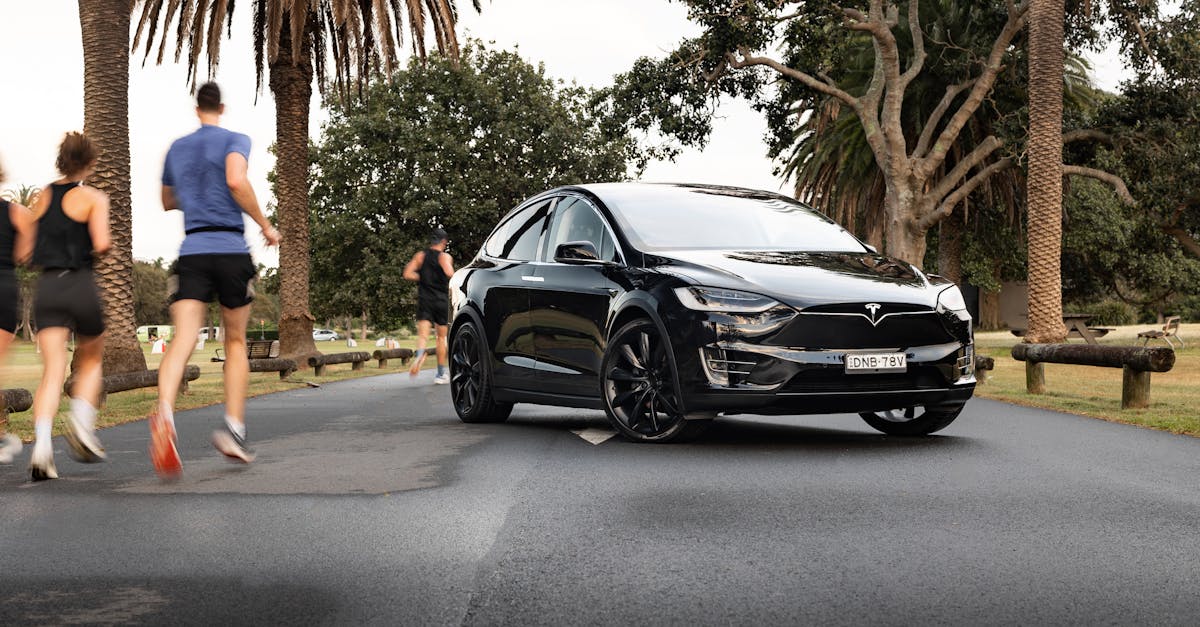
The claim that electric vehicles are worse for the climate than gasoline or diesel cars “once you count the full life cycle” keeps resurfacing—often right when electrification starts to threaten the fossil status quo. It’s true that EVs can start with a manufacturing emissions “premium,” mainly from the battery. But modern life-cycle research repeatedly finds that EVs deliver substantially lower total greenhouse-gas emissions over their lifetime, and the advantage grows as electricity grids get cleaner and vehicles get more efficient. This matters because transport is a major source of global emissions, and delaying proven solutions costs precious time in a worsening climate crisis. In short: the real question is no longer whether EVs can cut emissions—they can—but how quickly we scale clean electricity, efficient vehicles, and responsible battery supply chains worldwide.
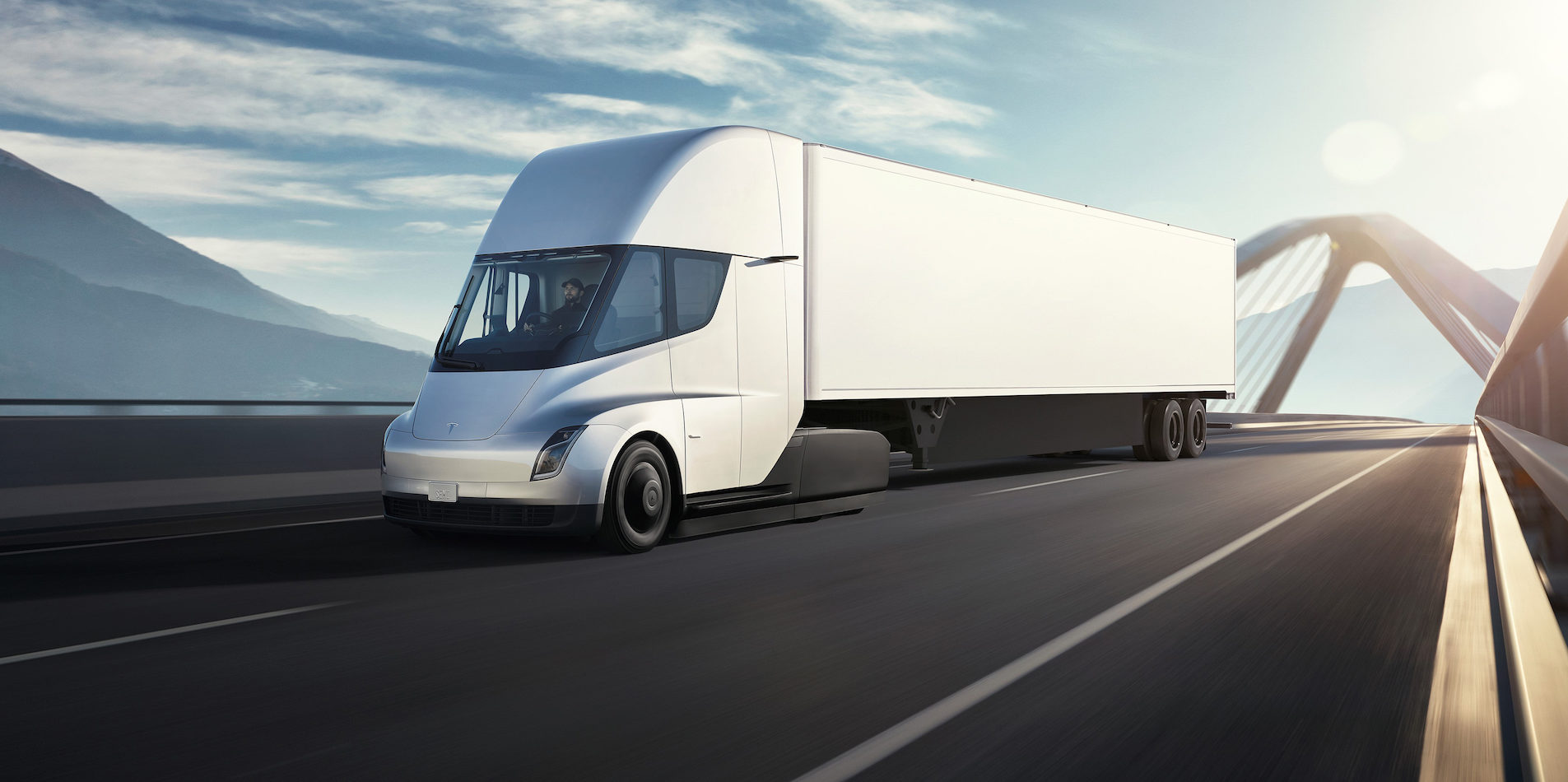
Major online retailers like Amazon, eBay, and Etsy are teaming up to accelerate the shift to zero-emission freight. Through an innovative pilot program, they are backing the deployment of about 40 all-electric Tesla Semi trucks on a key route between Dallas and Houston. This initiative, managed by the Center for Green Market Activation, uses a special 'book-and-claim' system, allowing companies to support cleaner transport and reduce their environmental footprint without owning the trucks. It’s a crucial step towards cutting significant carbon pollution from heavy-duty vehicles and tackling the urgency of global warming.
An expedition aboard the icebreaker Araon to Antarctica encountered unexpectedly formidable sea ice. What began as an easy passage quickly transformed into a challenging navigation through vast, unmoving plains of frozen ocean. Chief scientist Won Sang Lee aptly described the sudden shift as facing "the real challenge." This abrupt change highlights the unpredictable and powerful nature of Earth's polar regions, where conditions can transform in moments, demanding resilience and respect for the environment.
Tesla is accelerating its global push for autonomous electric vehicles, recently expanding its Robotaxi program hiring to Thailand, marking its twentieth country. These new roles, focused on data collection, are crucial for refining the company's Full Self-Driving technology. This move signals a significant step towards a future where electric, self-driving cars could transform urban mobility, reducing reliance on fossil fuels and contributing to cleaner, more efficient cities. As the world urgently seeks sustainable transport solutions, Tesla’s aggressive expansion highlights the potential of electrification to reshape our environmental landscape. The journey toward a fully autonomous, electric future is unfolding rapidly, promising major benefits for climate action.
The Carbon Literacy Project had a groundbreaking 2025, certifying an impressive 33,054 new learners and pushing the total number past 150,000 individuals worldwide. This remarkable 28% increase from the previous year highlights a growing global commitment to understanding and addressing climate change. By empowering communities and organizations with essential climate knowledge, the project is fostering urgent environmental action and driving progress towards a more sustainable future. This expansion signals a crucial step in arming more people with the tools to make informed, impactful decisions for our planet.
India is making significant strides in expanding its nuclear energy capacity, aiming for a stable, low-carbon power supply. India's largest power producer, NTPC, recently signed agreements with Russia's Rosatom and France's EDF to explore collaborations on large-scale nuclear projects. This move is critical for meeting the nation's growing electricity needs and its ambitious climate goals. Nuclear power offers a reliable, always-on energy source that complements intermittent renewables, driving India closer to a cleaner, more sustainable energy future.
Following the capture of Venezuelan President Nicolás Maduro, the Trump administration has shifted its focus from drug interdiction to a different export: oil. Despite previous claims, the administration now aims to heavily invest in reviving Venezuela's vast oil industry. President Trump plans to "fix the badly broken infrastructure" and extract "tremendous wealth." However, this ambition comes with significant geopolitical and environmental questions, especially given that Venezuela's abundant oil reserves are notoriously difficult to refine and produce far more carbon dioxide than lighter crude. This push to expand fossil fuel extraction directly contradicts urgent global efforts to combat climate change.
Tesla has taken a unique step by publicly releasing its compiled Q4 2025 delivery and energy storage consensus, aiming for greater transparency in its performance outlook. The company anticipates delivering around 422,850 vehicles and deploying 13.4 GWh of battery storage systems this quarter. This move provides a clear benchmark, shaping market expectations for the electric vehicle giant's contribution to global electrification. Despite a projected full-year vehicle delivery decline, Tesla continues to push forward in both EV sales and crucial sustainable energy solutions, reinforcing the shift towards a cleaner future.