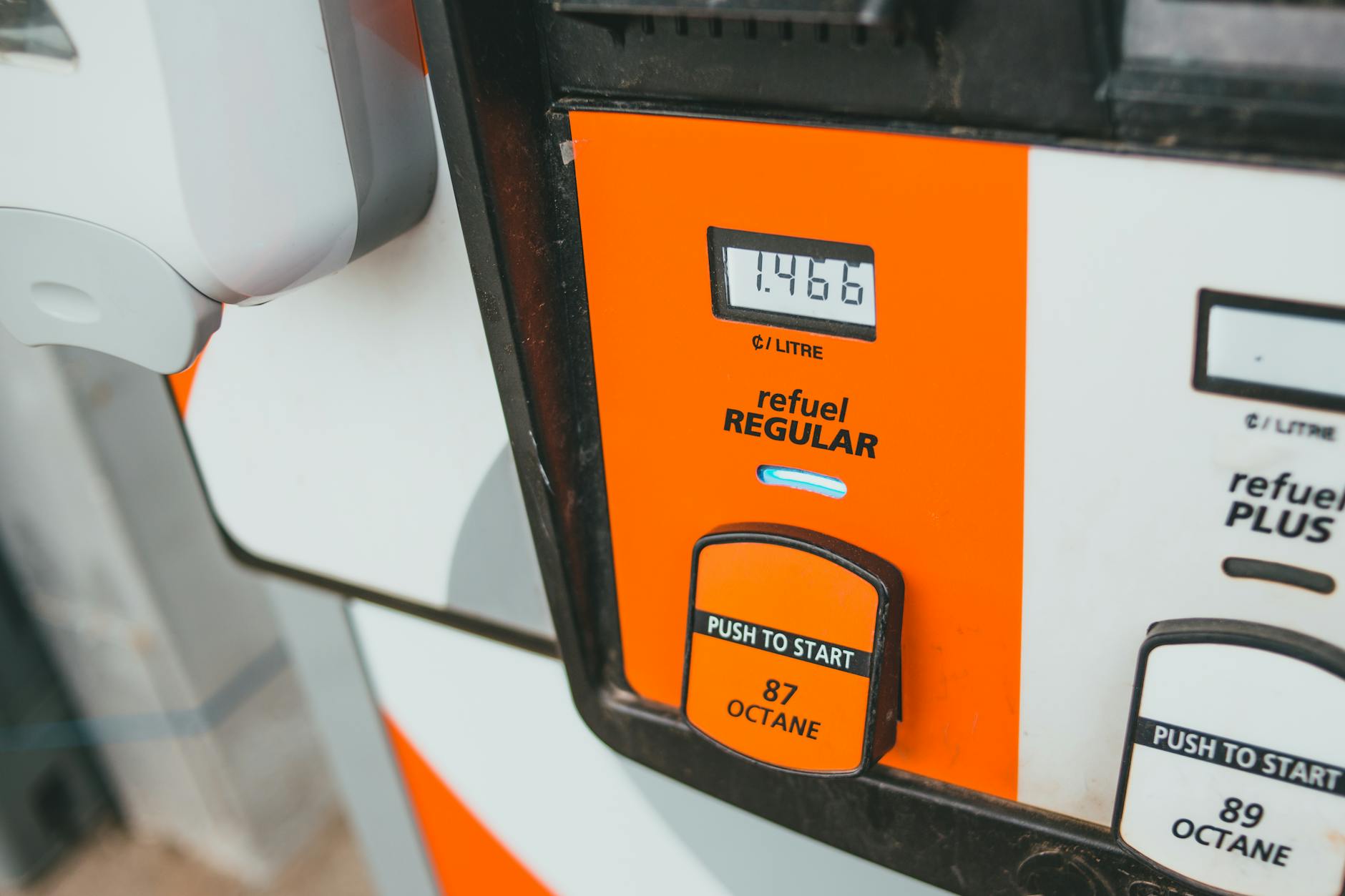
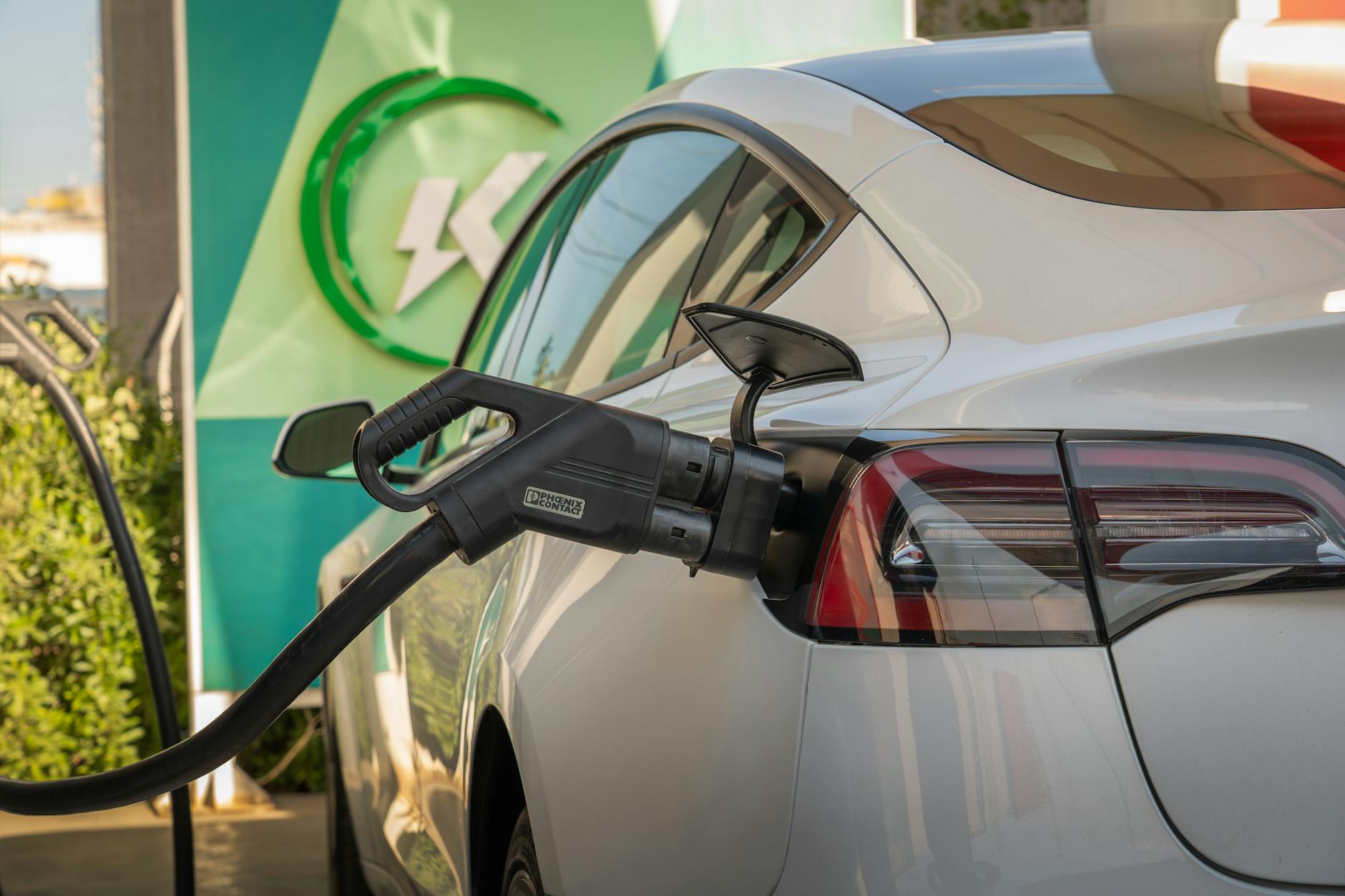
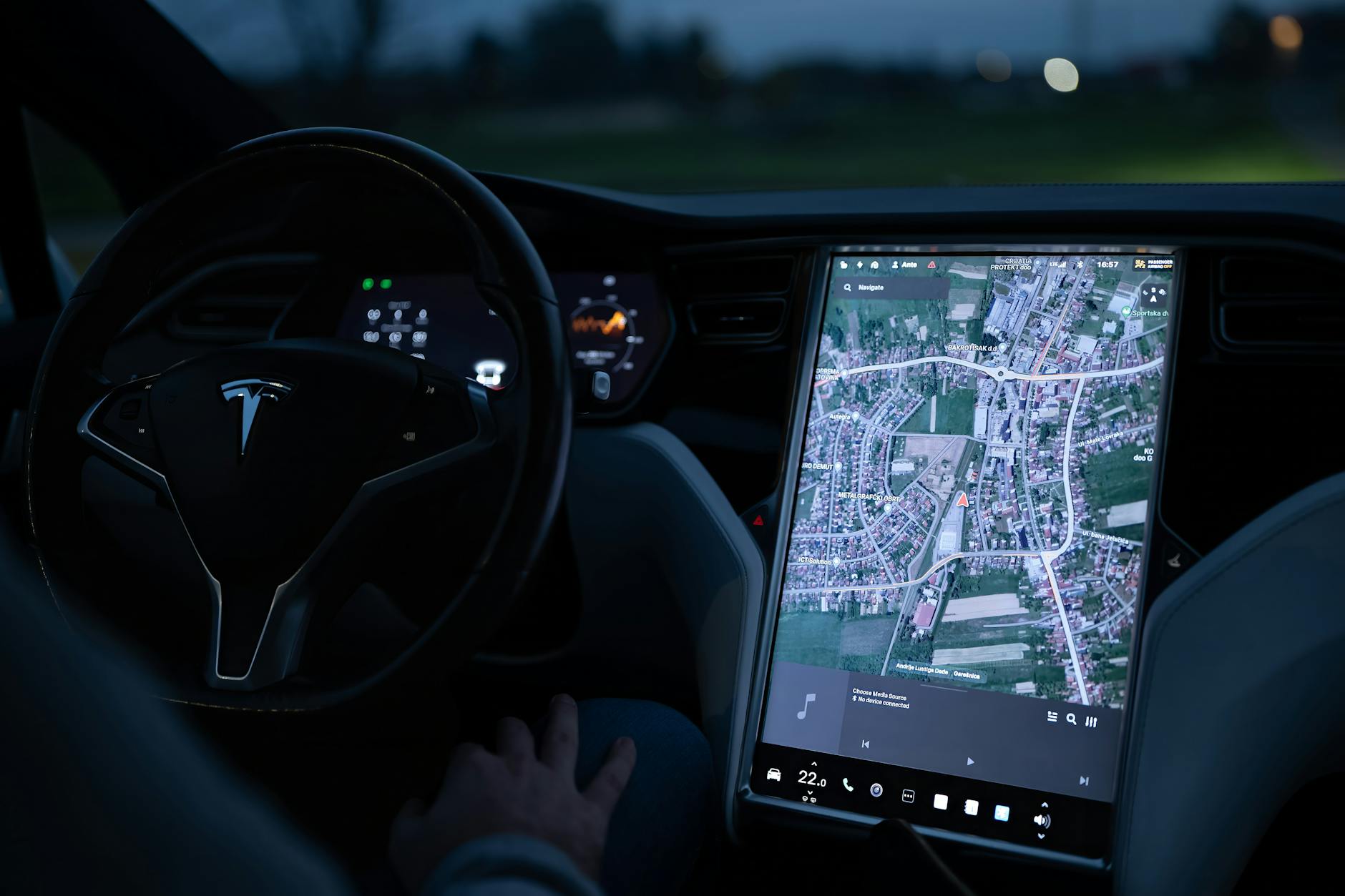
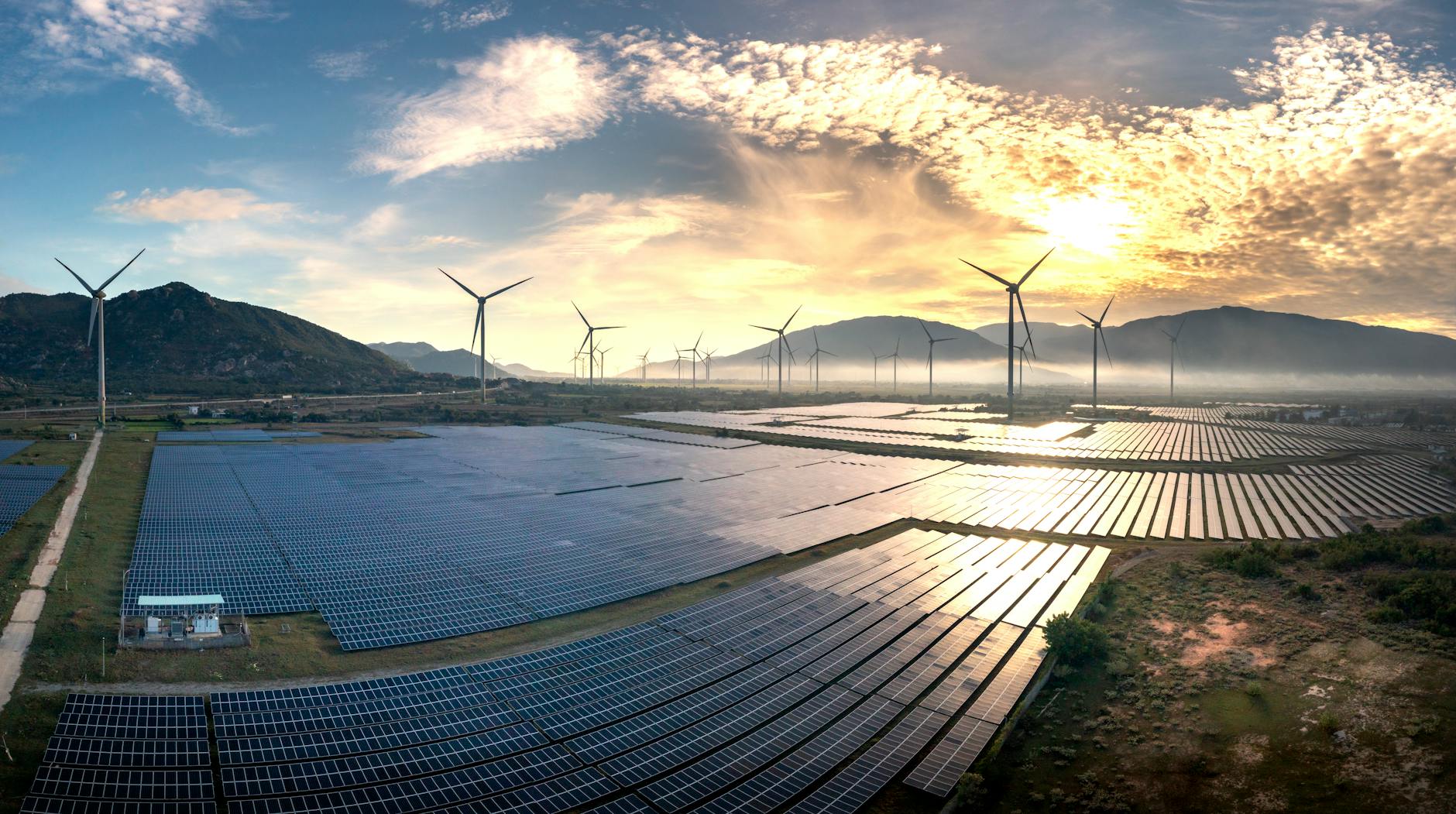
Tens of millions of Americans living in communities governed by homeowners associations (HOAs) or condo boards have often faced obstacles when trying to install electric vehicle (EV) chargers. These barriers can make switching to an EV seem daunting, slowing down the adoption of cleaner transportation. However, a growing number of states are tackling this issue with new 'right-to-charge' laws. These laws are designed to simplify EV ownership and fast-track the transition to electric vehicles, offering a smoother path towards a more sustainable future.
The global carbon market is undergoing significant changes, with the UN advancing new methodologies for Article 6.4 focused on renewable energy, while the older Clean Development Mechanism phases out. Europe is strengthening its emissions trading system for post-2030, and Nasdaq has launched EU carbon futures trading, enhancing market liquidity. Crucially, a growing gap between green job demand and available skilled workers highlights an urgent need for workforce retraining. These shifts underscore a global drive towards more effective climate solutions and a sustainable economy.
Gas utility bills are climbing sharply across the U.S., outpacing electric costs and inflation. While many assume rising gas prices are to blame, a new report reveals the real culprit: aging infrastructure. The increasing cost of maintaining and replacing outdated gas pipelines now accounts for the majority of customer charges. This growing financial burden on consumers highlights the urgent need to transition towards cleaner, more sustainable energy solutions like electrification, aligning with crucial climate goals and offering a path to more stable energy costs.
A massive mining project poised to extract billions in gold, copper, and zinc from Alaska's Johnson Tract is igniting fierce opposition. This valuable land, owned by an Indigenous corporation and leased to a mining firm, is nestled within the pristine Lake Clark National Park. Conservationists, local fishermen, and lodge owners are raising alarms about irreversible harm to wildlife, including a critically endangered population of Cook Inlet beluga whales. With permits already advancing, stakeholders warn that the unspoiled wilderness and vital ecosystems face an immediate and devastating threat.
After a lifetime of driving gasoline cars, one driver made the switch to a Tesla Model Y, trading repair bills and high fuel costs for the electric future. Six months in, the experience has been overwhelmingly positive, highlighting significant savings and an unexpectedly enjoyable driving experience. This shift isn't just about a new car; it's a step towards cleaner transportation, demonstrating the tangible benefits of embracing electrification for both personal finances and the environment. The journey reveals a blend of excitement and minor challenges, painting a clear picture of modern EV ownership.
Many families are feeling the pinch of rising utility bills and higher fuel prices, a situation exacerbated by global events and the increasing cost of protecting infrastructure from extreme weather linked to climate change. These financial pressures highlight a crucial connection between our wallets and the planet. Every purchase, from daily necessities to major investments like homes and cars, impacts our contribution to greenhouse gas emissions. Recognizing this, NPR is inviting the public to submit questions about how personal spending choices can both reduce climate pollution and save money, aiming to empower individuals in the fight against global warming.
Tesla has begun rolling out its Full Self-Driving (FSD) v14.3 software to early access members, bringing significant improvements to the driving experience. This latest update addresses several frustrating behaviors from previous versions, making the journey smoother and more reliable. While substantial progress is noted in areas like yellow light handling and parking, the system's navigation and routing capabilities still present challenges. These advancements highlight the continuous evolution of electric vehicle technology, pushing toward a future where sustainable transport is not just cleaner, but also remarkably convenient and safe.
Tesla is rolling out its Full Self-Driving (FSD) v14.3 software to early testers, promising significant improvements for electric vehicle owners. Initial reviews highlight a much smoother and safer driving experience, addressing past frustrations with yellow light reactions, parking, and highway navigation. These enhancements not only make journeys more comfortable but also demonstrate the rapid progress in autonomous technology, paving the way for a future where electric mobility is increasingly efficient and appealing. As we push towards cleaner transportation, advanced systems like FSD are crucial for accelerating EV adoption and reducing our reliance on fossil fuels. While some navigation challenges remain, this update marks a vital step forward in sustainable driving.
The world's carbon markets are undergoing significant transformations, with the UN advancing new methodologies for Article 6.4 credits, focusing on renewable energy, while the older Clean Development Mechanism (CDM) phases out. In Europe, the EU Emissions Trading System (ETS) is strengthening, emphasizing high-quality carbon credits and setting ambitious post-2030 targets. Meanwhile, the Nasdaq exchange is boosting global carbon market infrastructure by launching EU carbon futures. These developments underscore a global push towards more robust climate action and cleaner technologies, though a growing gap in "green skills" highlights the urgent need for workforce adaptation to meet these evolving demands.
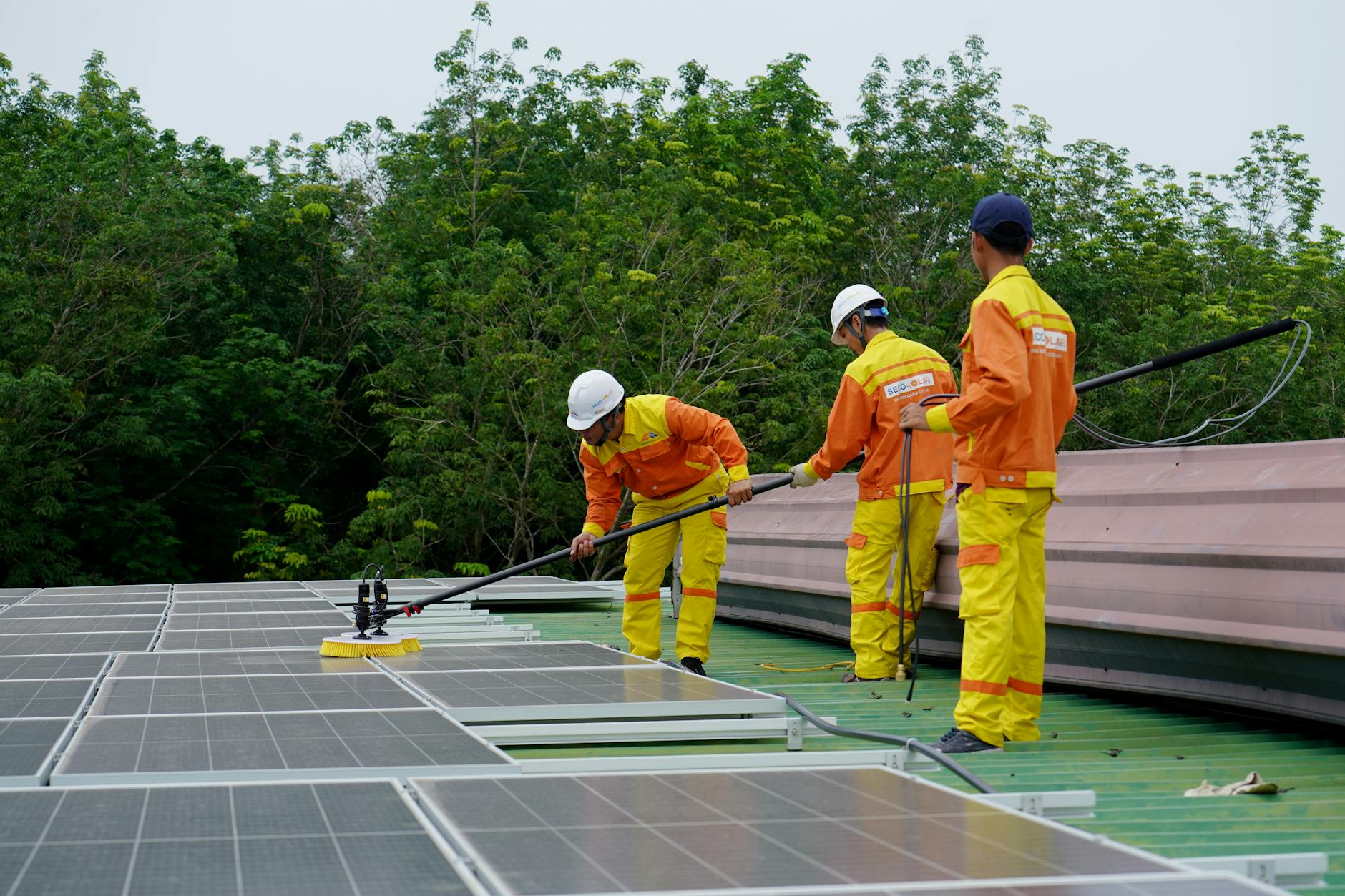
The shift towards clean energy and energy efficiency is sparking a wave of new job opportunities across various skilled trades. To ensure these benefits reach everyone, especially those from underserved communities, Illinois has launched the Climate Works Pre-Apprenticeship Program. This innovative paid initiative offers vital training, safety certifications, and job site experience, while also providing crucial financial and social support to participants facing barriers. By preparing a diverse workforce for well-paying union careers, Illinois is not only boosting economic opportunity but also accelerating the transition to a sustainable, low-carbon future. This effort highlights the critical link between climate action and equitable job creation.
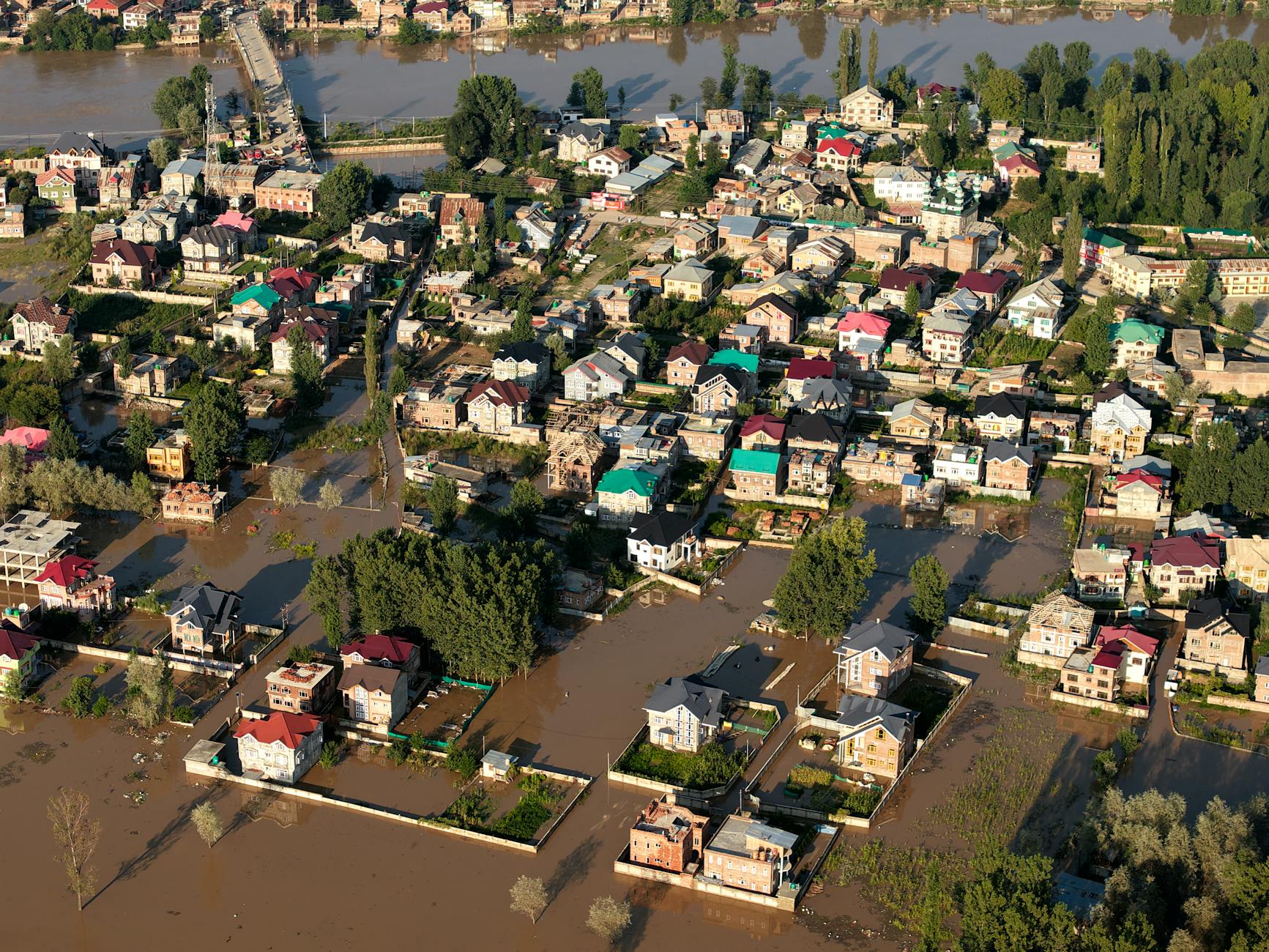
Vermont, ravaged by successive severe floods, is pioneering a new "climate superfund" law to make major fossil fuel companies financially responsible for climate adaptation costs. This groundbreaking legislation aims to compel polluters to reimburse the state for damages, proportionate to their historical emissions. However, the law faces immediate legal challenges from industry groups and even the federal government, sparking a critical debate in U.S. District Court. As communities grapple with escalating climate impacts and urgent infrastructure needs, the outcome of this legal battle could set a vital precedent for how climate change burdens are shared across the nation, underscoring the pressing need for environmental action.
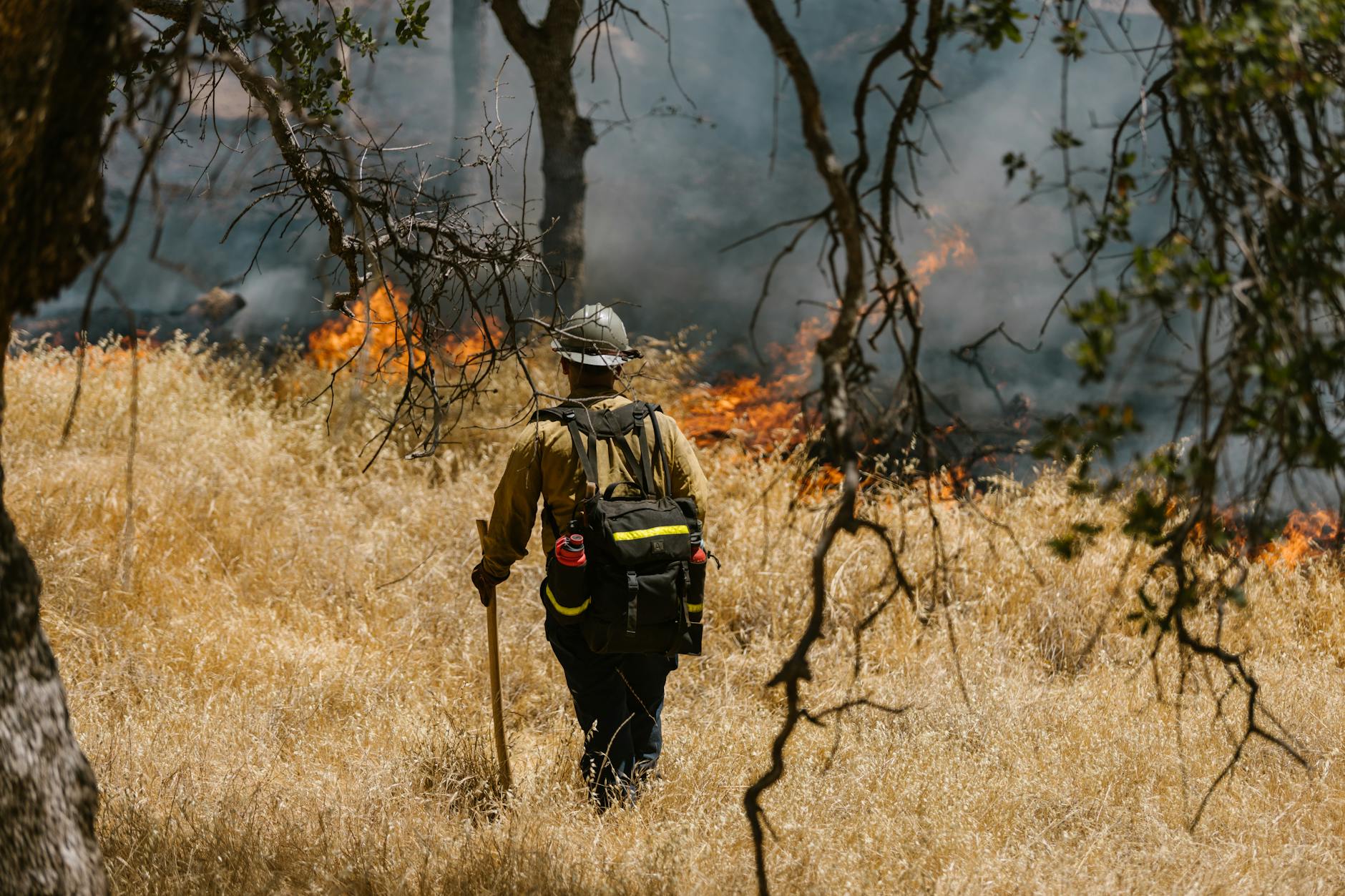
As destructive wildfires increasingly threaten communities, fueled by a changing climate, many wonder if we can ever get ahead of the flames. Surprisingly, a look back at history offers a compelling answer. Just over a century ago, our cities faced a devastating fire crisis, much like our wildland-urban interfaces do today. Through a blend of collective action, solid data, and smart policy, that crisis was overcome, offering crucial lessons for building more resilient, sustainable communities today.