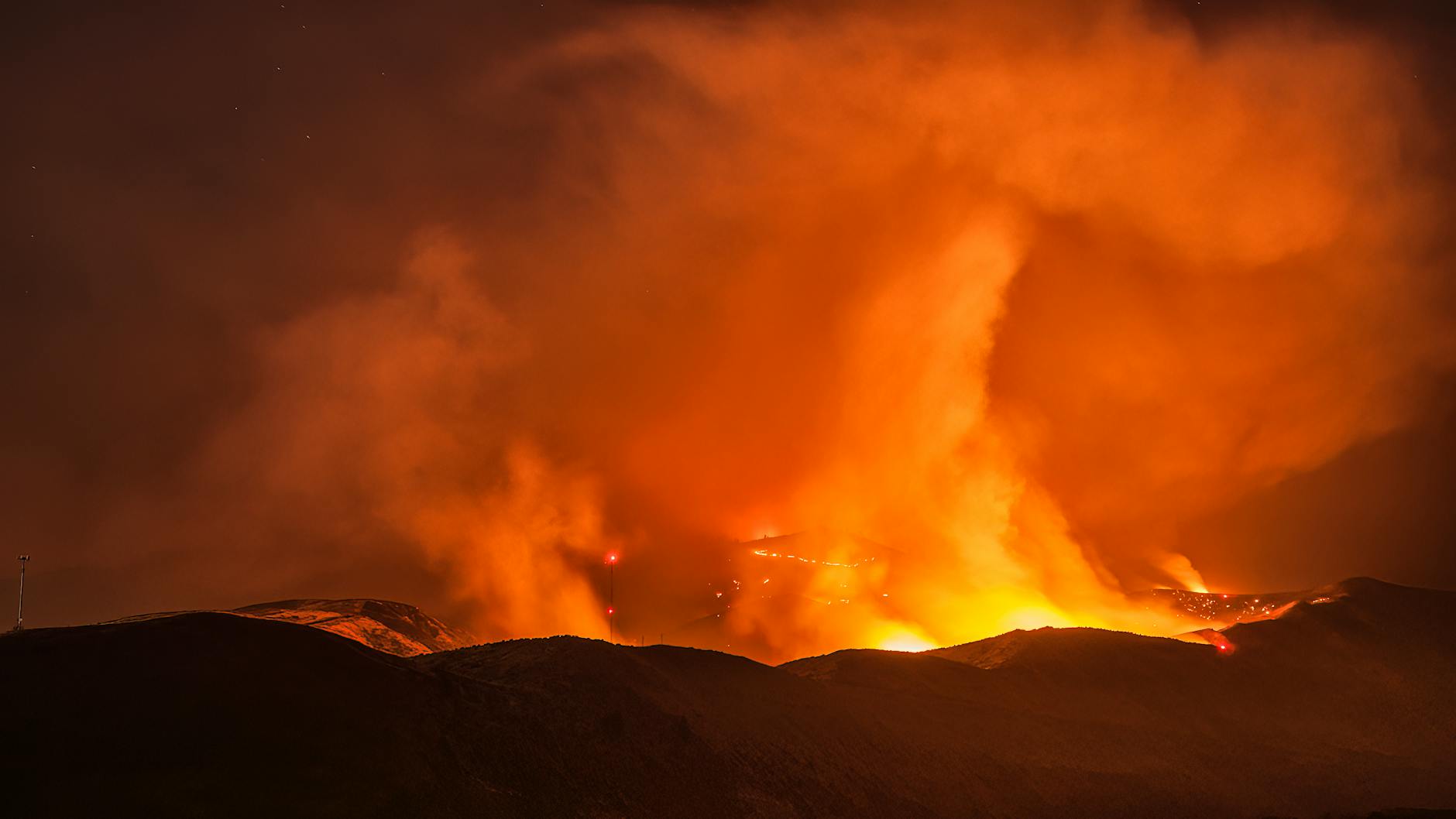
Wildfires across North America are no longer 'going to sleep' at night, burning instead through hours previously safe from the flames. A new study reveals that human-caused climate change is extending the hot, dry conditions that fuel these fires, leading to 36% more hours favorable for burning over the past 50 years. This worrying trend makes wildfires harder to fight, putting communities and natural environments at greater risk. The urgency to address global warming has never been clearer, as our planet's changing climate redefines natural fire patterns.
Maryland's Utility RELIEF Act aims to lower immediate energy bills for residents, but it's sparking controversy. Passed in the final moments of the legislative session, the bill promises annual savings of at least $150 by reducing charges for an energy efficiency program. However, environmental advocates warn that these short-term gains come at a steep price, including significant raids on the state's clean energy fund and controversial new subsidies for nuclear power. Concerns are mounting that the law could derail Maryland's climate goals and saddle ratepayers with unmodeled, long-term costs for nuclear projects without adequate public debate or transparency.
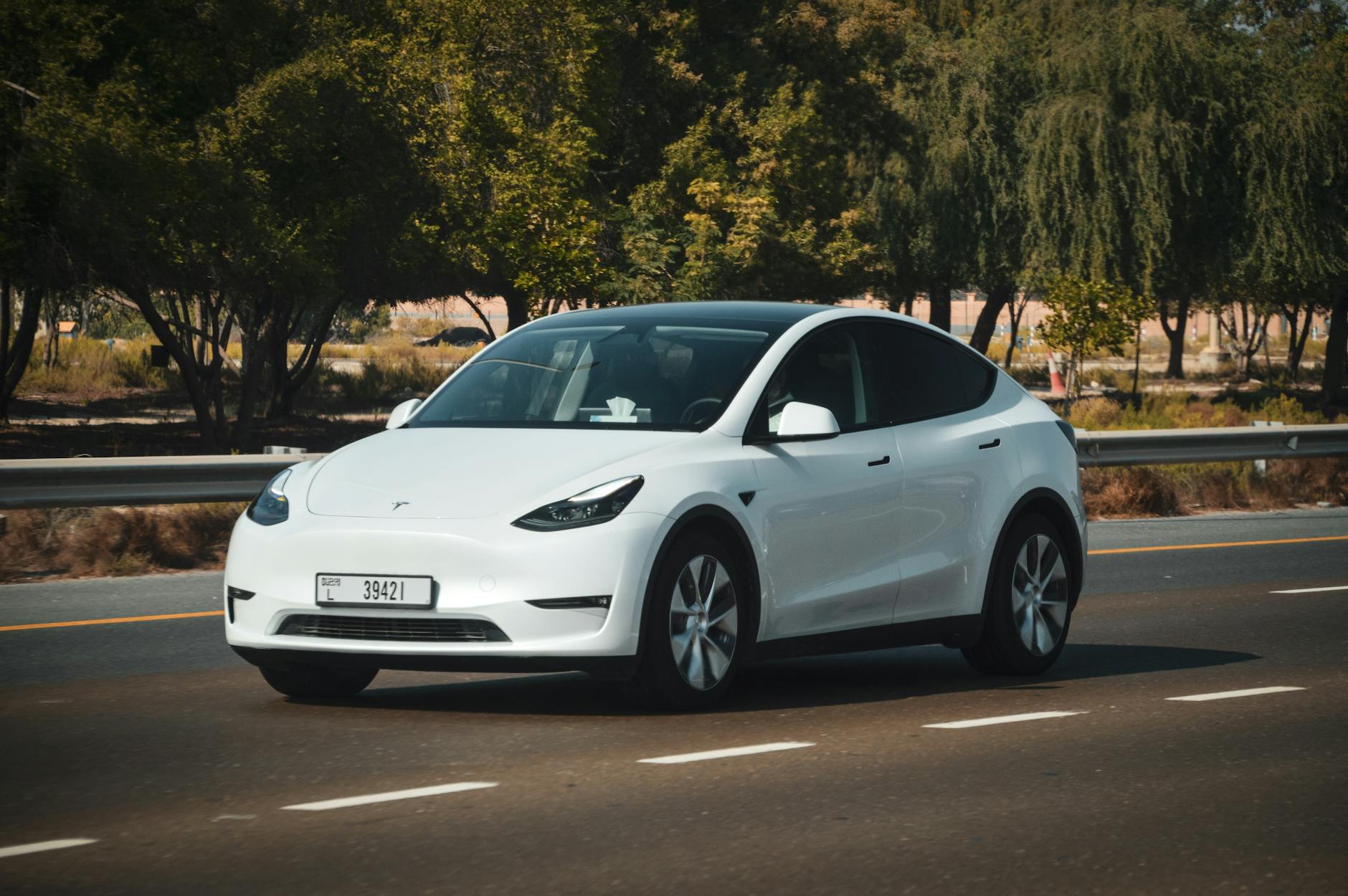
Tesla is taking a bold new step to boost its presence in the challenging Indian market. After facing significant hurdles from high import tariffs and lukewarm initial sales of its standard Model Y, the electric vehicle giant is adapting its strategy. It is now preparing to introduce the Model Y L, a new six-seat variant designed to appeal to families seeking more spacious, sustainable transport. This move underscores Tesla's commitment to bringing more clean energy options to one of the world's most populous nations, offering a pragmatic approach to expand electric vehicle adoption and contribute to global climate goals.
A new report from Bloomberg suggests that a significant portion of Tesla Cybertruck sales in late 2025 came from within Elon Musk’s business empire, including SpaceX. This internal buying accounted for over 18% of the total Cybertrucks registered in the US during that quarter. Without these purchases, sales would have seen a sharp decline, raising questions about the true market demand for the unique electric pickup and its role in accelerating the shift to sustainable transportation.
Maine has taken a groundbreaking step by passing a moratorium on large data center development, becoming the first state to do so. This move comes amid growing concerns over the immense energy and water consumption of these facilities, which are essential for powering modern technology and artificial intelligence. U.S. data centers already demand over 50 gigawatts of electricity, a staggering amount that challenges our current energy grids and raises questions about environmental impact and rising electricity costs. Environmental advocates laud Maine's decision as a crucial model for states seeking to regulate this rapidly expanding industry and protect communities from unsustainable growth. The urgency to address this consumption is clear for a sustainable future.
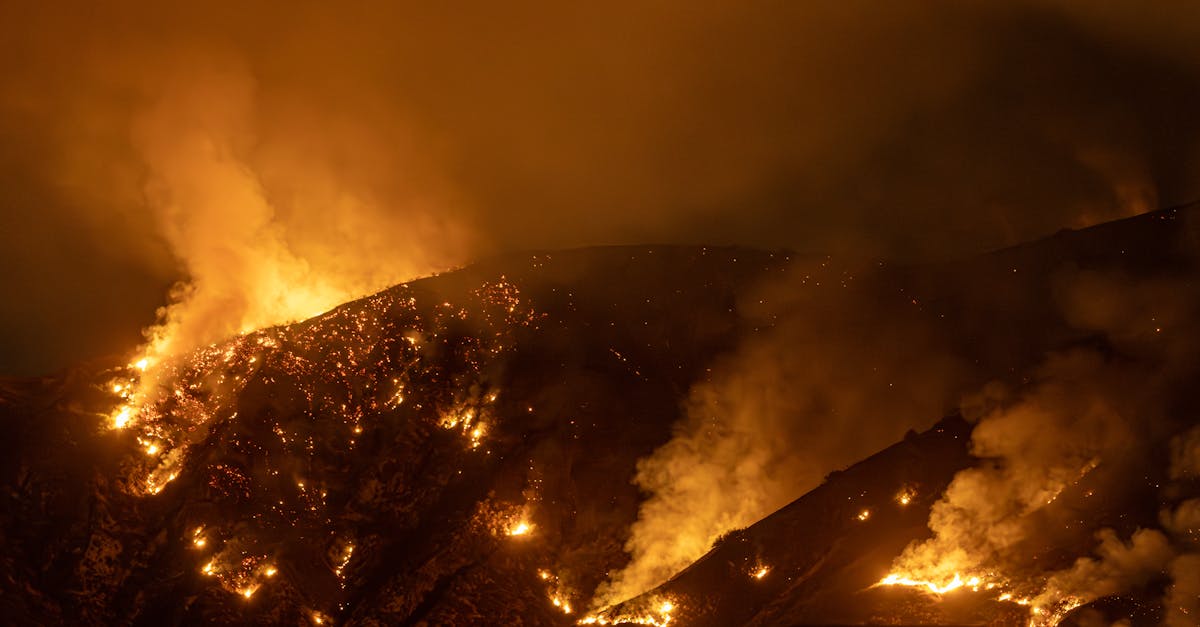
California is facing a critical challenge as wildfires grow more frequent and intense, a clear sign of our changing climate. To better protect homes and communities, the state's Board of Forestry and Fire Protection has unveiled new landscaping rules, often called 'Zone Zero.' These proposals aim to create a crucial fire-resistant buffer around houses, though they balance strict safety needs with concerns about urban green spaces. This initiative is a vital step toward safeguarding our environment and lives against the escalating threat of wildfires.
Methane is a powerful greenhouse gas, a major contributor to global warming. While often linked to industries like oil and gas or dairy farms, a lesser-known source is now drawing urgent attention: reservoirs. Environmental groups are pushing California air regulators to start tracking methane emissions from these waters, arguing it's a critical "blind spot" in the state's efforts to combat climate change. Experts agree that understanding these emissions is vital for making informed decisions about energy and solidifying California's role as a climate leader. Ignoring this source could undermine our collective efforts for a sustainable future.
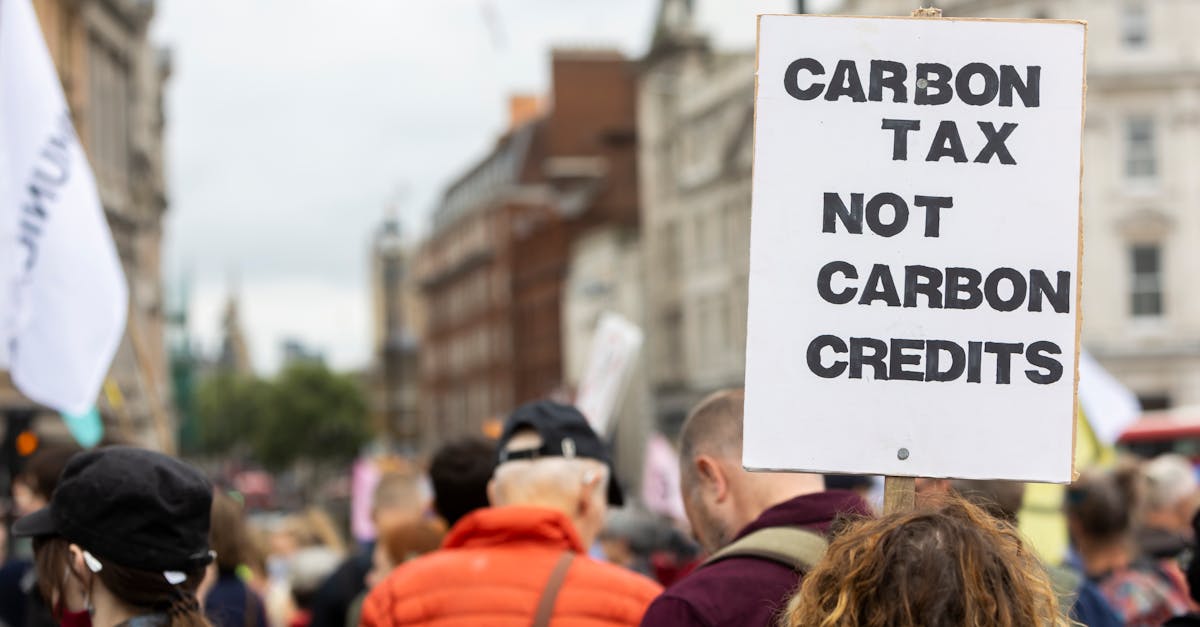
The European Commission has set the Carbon Border Adjustment Mechanism (CBAM) certificate price at €75.36 for early 2026, aiming to level the playing field for products entering the EU. This move comes as the EU Emissions Trading System (ETS) reports a 1.3% drop in emissions in 2025, continuing a significant downward trend since 2005. The ETS has also generated over €258 billion since 2013, funding vital projects for renewable energy, industrial decarbonization, and other sustainable solutions across Europe. These efforts underscore the urgent global shift towards electrification and environmental action.
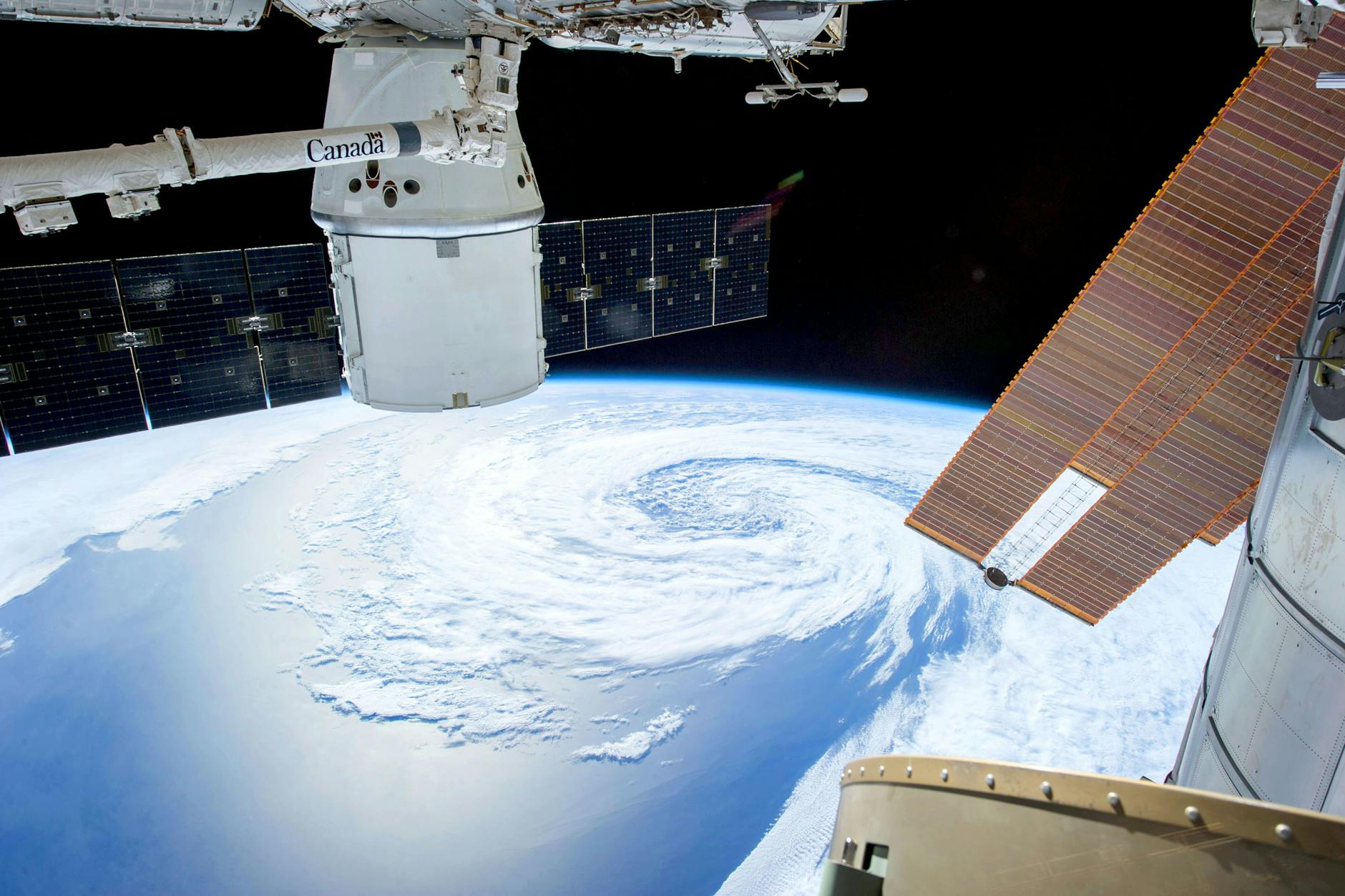
Super Typhoon Sinlaku has rapidly escalated to a powerful Category 5 storm, becoming the second of its kind this early in 2026. Peaking with 180 mph winds, it now poses an extreme threat to the U.S. Northern Mariana Islands, including Saipan and Tinian. This unusually intense and early season activity underlines growing concerns about how climate change is contributing to the increasing power of tropical cyclones. The ocean's warming waters provide fertile ground for such rapid intensification, making environmental action more critical than ever.
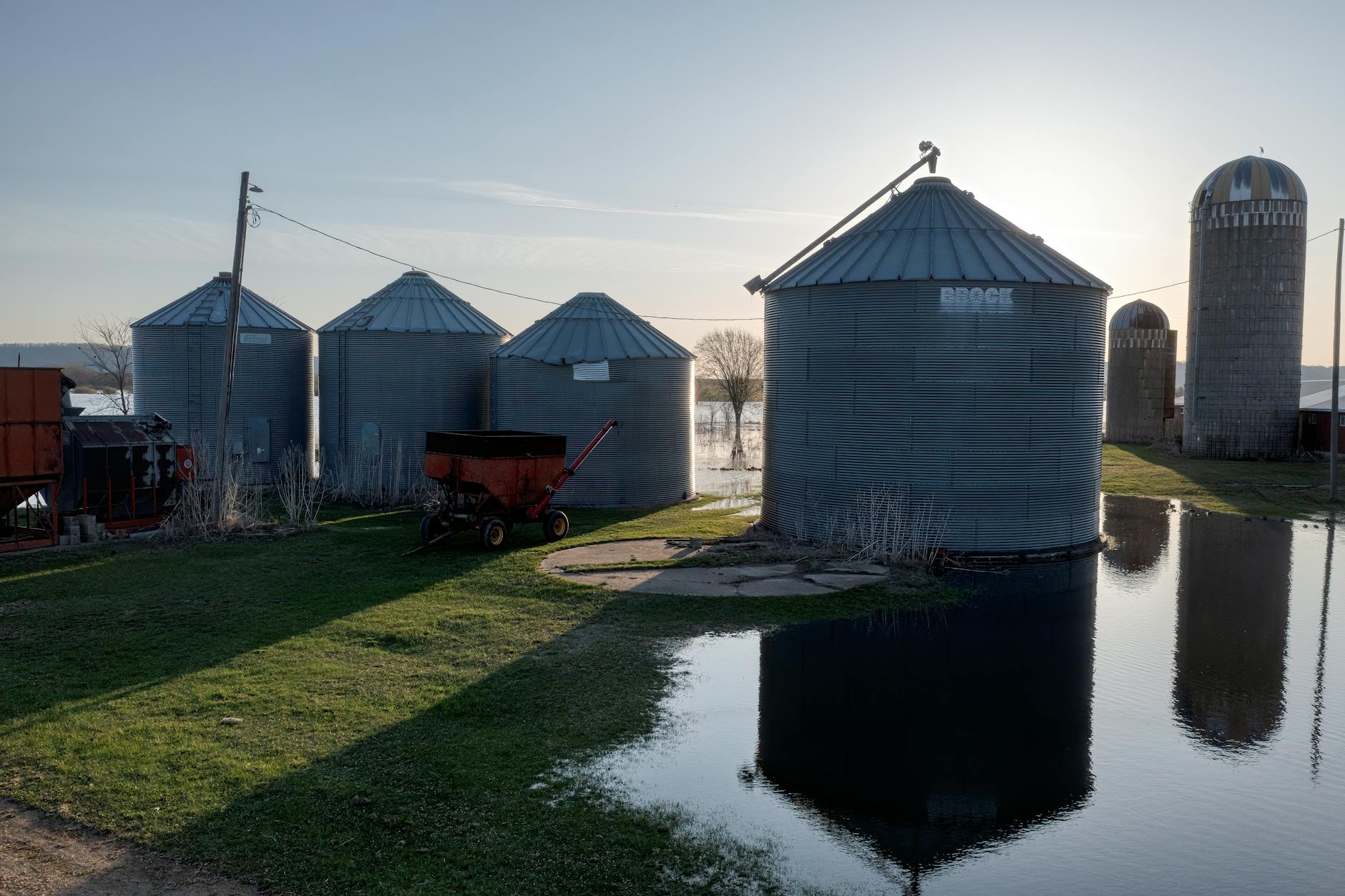
In northeastern Pennsylvania, farmer Liz Krug of Endless Roots Farm is on the front lines of climate change. Her 10-acre vegetable and egg farm faces increasingly common periods of extreme rain, leading to devastating floods and soil erosion. To adapt, Krug has implemented sustainable practices like mulching and planting cover crops, with plans for more permanent solutions. However, the financial burden of these essential environmental actions is steep for small farms. A promised federal program designed to support these very efforts was canceled, leaving farmers like Krug to shoulder the costs alone. This situation underscores the urgent need for consistent support in adapting to a warming climate.
The U.S. West is heading into a challenging season, experiencing one of the worst winters for snowpack on record. This significant lack of snow is rapidly creating drought conditions across much of the region, setting the stage for potential water shortages and heightened wildfire risks. For communities across the West, this situation spells serious trouble, underscoring the urgent need to address the impacts of a changing climate and prepare for a drier future.
A recent study reveals a critical health crisis near California's shrinking Salton Sea: children living close to the lake are experiencing significantly diminished lung development. Toxic dust, stirred by winds from the exposed lakebed, poses a serious threat to their respiratory health, impacting their futures. This urgent situation highlights the severe environmental consequences of a drying lake, exacerbated by climate change and water management decisions, underscoring the need for immediate action to protect vulnerable communities.