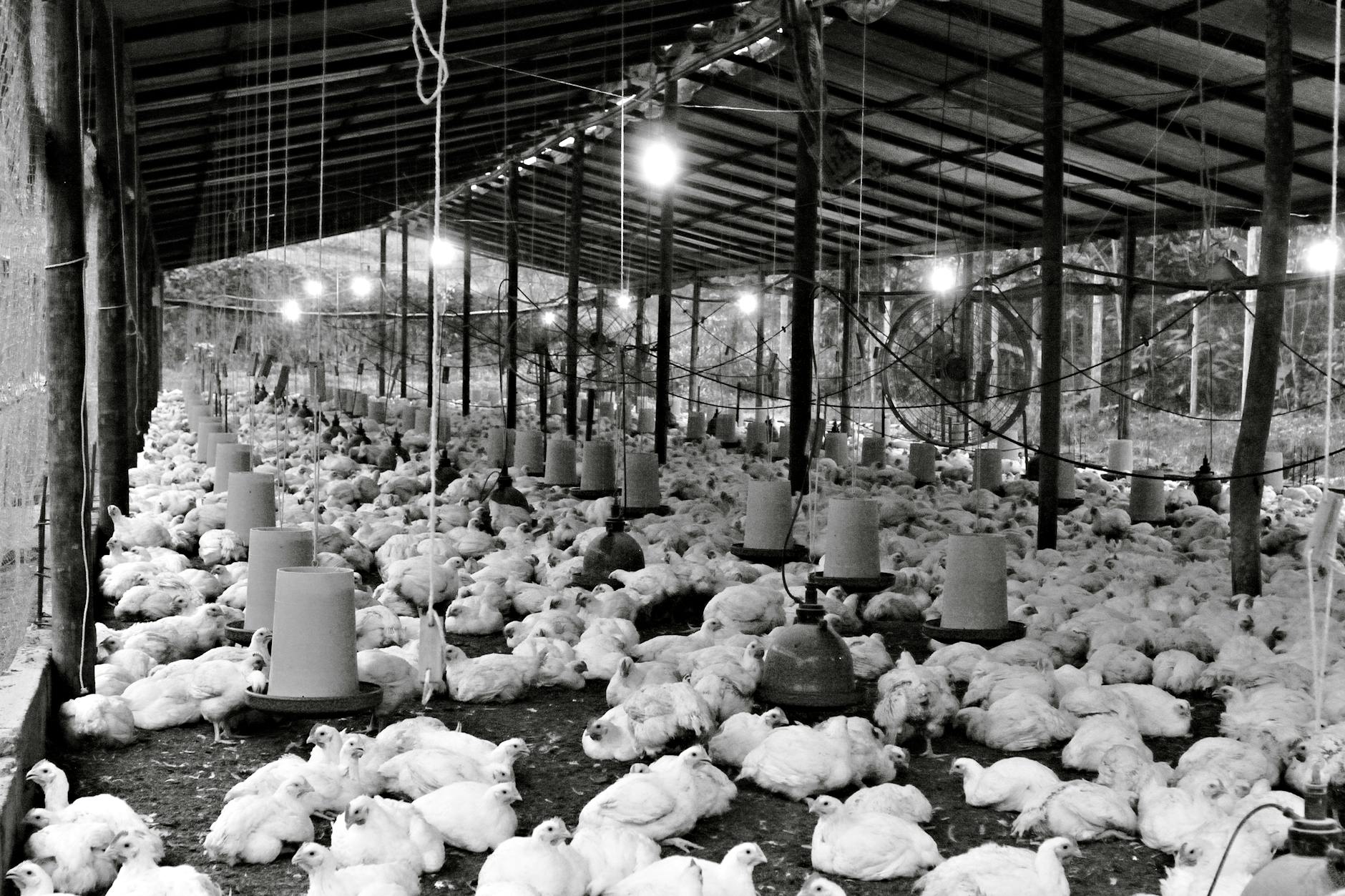
A new report reveals a significant gap between public expectations and the reality of animal welfare in UK food chains, particularly concerning KFC's chicken sourcing. Despite consumer preference for ethical and traceable food, a lack of clear labeling leaves many in the dark about how their meat is produced. While KFC highlights improvements in stocking density, critics argue this only addresses one small part of animal welfare, with little transparency on other crucial factors or imported chicken. This situation underscores an urgent need for mandatory labeling to empower consumers and drive meaningful change for animal welfare and sustainable food systems.
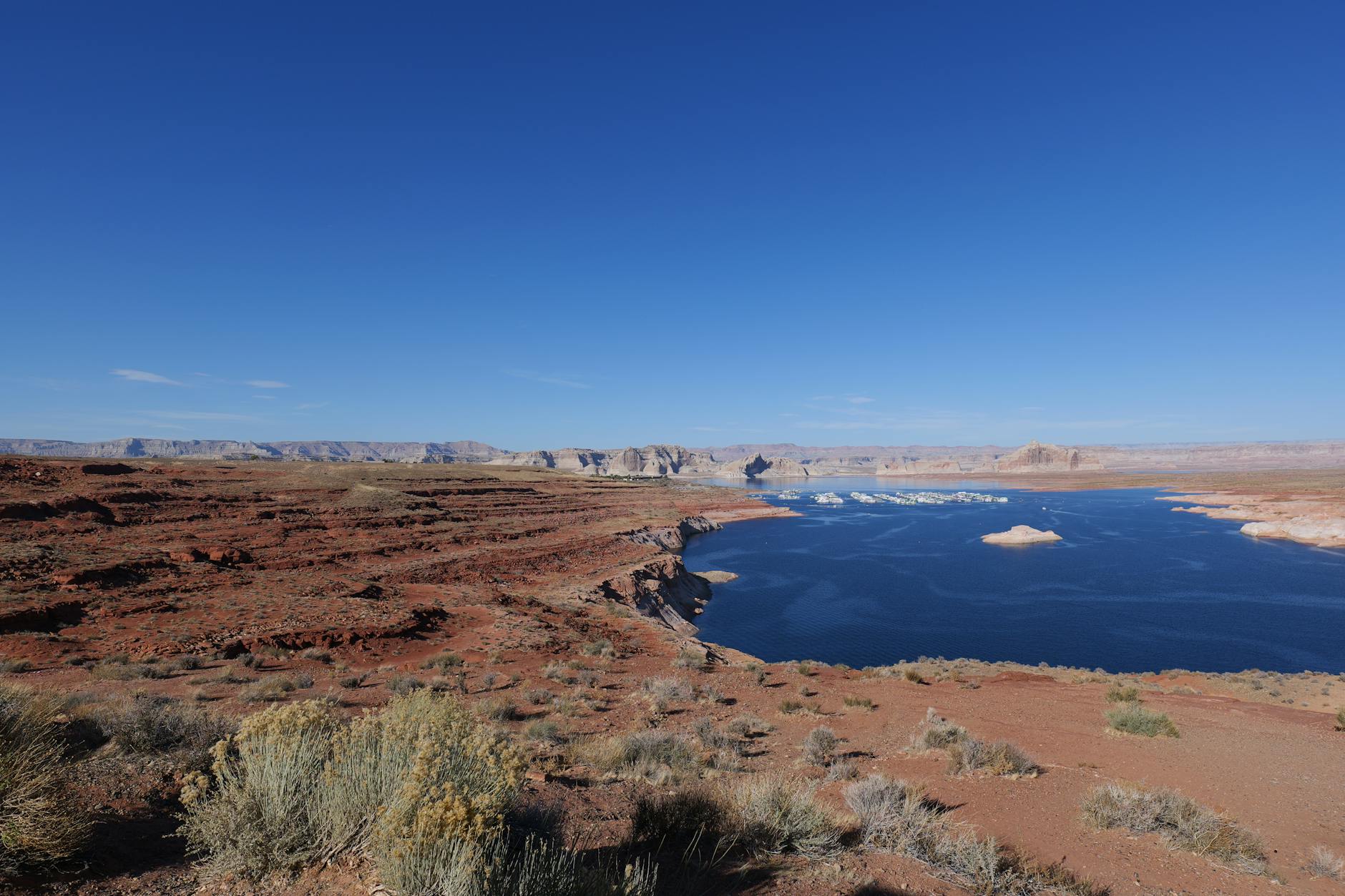
The Colorado River, a critical water source for 35 million people across the Southwest, faces an unprecedented crisis. The Trump administration is implementing emergency measures to prevent disaster at Lake Powell, which is nearing levels too low to generate electricity. This urgent response involves releasing water from Flaming Gorge and reducing flows into Lake Mead, but necessitates significant water cuts for farms and cities in California, Arizona, and Nevada. This one-year solution underscores the intensifying drought conditions, exacerbated by global warming, and highlights the failure of states to agree on long-term sustainability plans for this vital resource.
Kenyan e-motorcycle manufacturer Roam Electric is experiencing a remarkable surge in demand, with orders doubling as consumers abandon gasoline-powered vehicles. This shift comes as fuel prices in Kenya have climbed significantly, driven by ongoing conflict in the Middle East. Responding to this overwhelming interest, Roam plans to drastically increase its monthly production of electric bikes, aiming for 1,000 units by year-end. This trend in East Africa highlights a crucial global movement towards cleaner, electric alternatives, underscoring the urgency for sustainable transportation solutions and a reduced reliance on fossil fuels.
SpaceX has announced a massive strategic move, securing an option to acquire AI coding startup Cursor for $60 billion, alongside a $10 billion joint development commitment. This partnership aims to build the "world's best coding and knowledge work AI," significantly bolstering both companies. For Cursor, it means access to SpaceX's immense computational power and crucial funding, freeing it from reliance on competitors. For SpaceX, this deal provides a proven enterprise software business, strategically timed before its anticipated $1.75 trillion IPO, offering investors a more diversified portfolio.
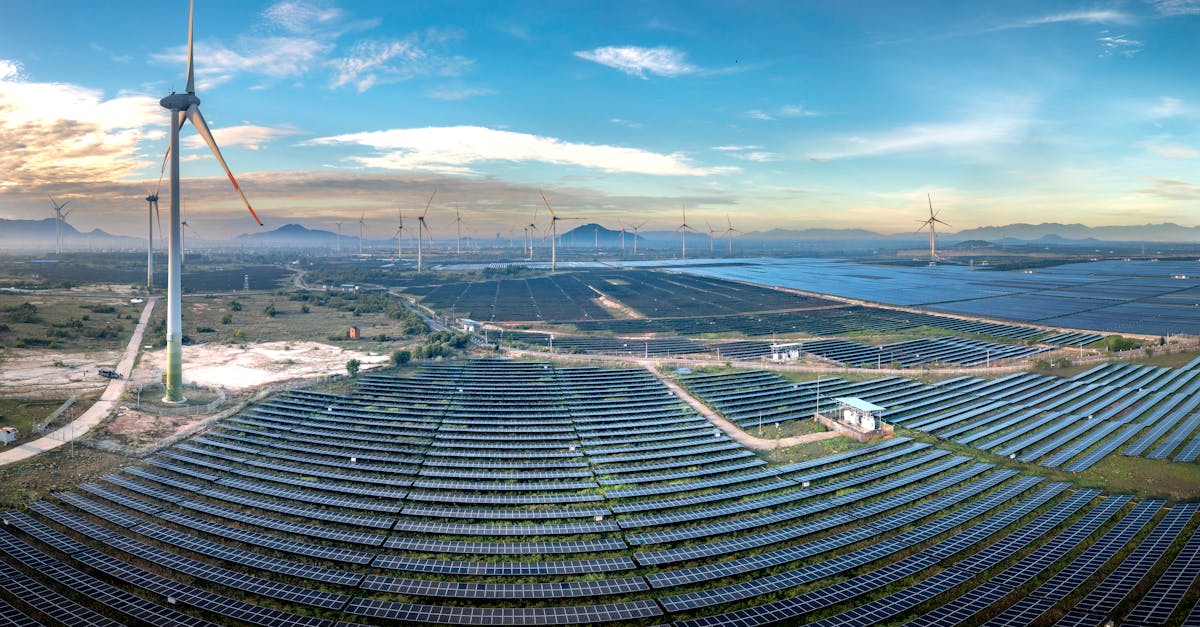
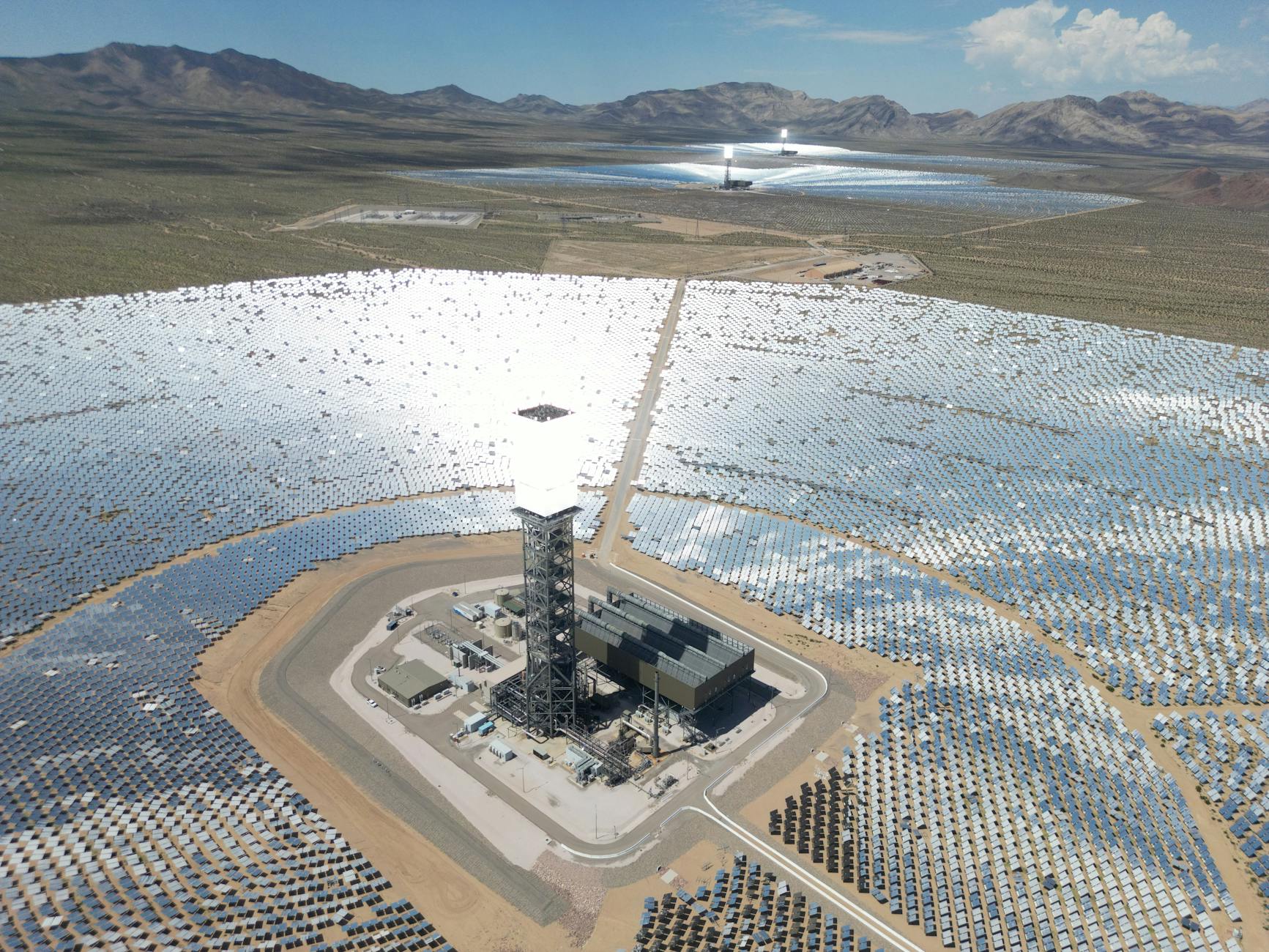
Wind and solar farms are not just powering homes with clean energy; they're also providing significant financial boosts to local communities. These projects generate tax revenue that can be used to fund essential services, from road maintenance to local emergency services. This growing trend highlights a powerful dual benefit: advancing cleaner energy sources while directly enhancing local economies and quality of life. As the world shifts towards sustainable solutions, communities are discovering tangible financial advantages that help build a greener, more resilient future.
Philadelphia, a city not typically associated with tropical produce, is now home to an intriguing agricultural experiment. The Philadelphia Orchard Project, a local nonprofit, is actively exploring the viability of growing exotic fruits like bananas, yuzu, and kumquats within its city limits. Using an unheated greenhouse, they aim to understand which plants might thrive as the climate continues to warm. This innovative project highlights the urgent need for communities to adapt their food systems, preparing for future environmental shifts.
Tesla is making big strides with its Optimus humanoid robot. Recently, the company filed new patents detailing advanced designs for the robot's hands and arms, crucial components for achieving human-like dexterity. These innovations tackle what CEO Elon Musk called the "majority of the engineering difficulty" for the entire project. By moving heavy mechanics to the forearm and designing a sophisticated wrist, Tesla aims for lightweight construction and high-volume production, bringing Optimus closer to its goal of becoming a truly versatile general-purpose robot.
The continental U.S. just experienced its hottest March on record, a concerning trend extending back 132 years according to recent data. This unprecedented warmth in 2026 clearly underscores the accelerating impact of climate change, which is driving up global temperatures across the nation. Such extreme and persistent heat significantly heightens the risk of intense wildfires, demanding urgent attention to sustainable solutions. This alarming development serves as a critical reminder of why environmental action and transitioning to cleaner energy sources are more crucial than ever for our planet's future.
Earth Day first dawned in 1970, a remarkable moment when 20 million Americans united for the environment amidst a turbulent era of social unrest. Inspired by the iconic "Earthrise" photo from space, which showed our planet as a fragile blue marble, citizens gathered across the nation to discuss our shared home's future. This unprecedented national "teach-in" was a powerful, bipartisan call to action, proving that collective care for our environment could transcend deep societal divides. Fifty-six years later, as we confront pressing climate challenges and new divisions, Earth Day's enduring legacy urges us to rediscover that original unifying spirit to protect our planet.
California's vital Edmonston Pumping Plant, a massive energy user delivering water to 27 million people, is getting a green upgrade. The new Pastoria Solar Project, a 105-megawatt facility, marks a significant step towards the California Department of Water Resources' goal to achieve carbon-neutral operations by 2035. This initiative underscores California's commitment to combating climate change by electrifying essential services with sustainable solutions. By reducing reliance on fossil fuels, this project helps ensure a more resilient and environmentally friendly water supply for millions.
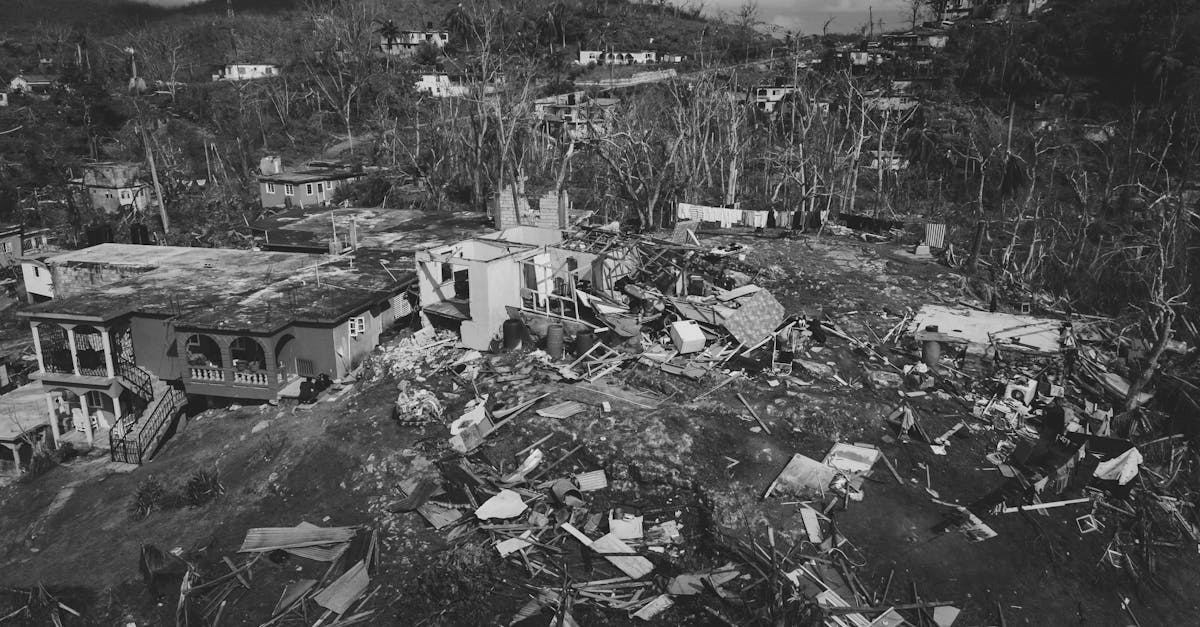
Hurricane Melissa struck Jamaica in October 2025 as a Category 5 storm, tying a record with 190 mph winds and causing catastrophic damage. This near-maximum intensity event offers a stark warning about our warming world. Scientists have long understood that tropical cyclones operate as heat engines, drawing energy from warm ocean waters. As global sea surface temperatures rise due to climate change, the ceiling for hurricane strength is also increasing, pushing us towards a future with more destructive storms and greater risk to coastal communities.
The Amazon and Cerrado, vital ecosystems regulating global climate and rainfall, face unprecedented threats. From vast deforestation for beef and soy to controversial infrastructure projects and expanding fossil fuel extraction, Brazil's current development model pushes these irreplaceable biomes towards an irreversible tipping point. The choices made now in Brazil, often driven by global consumption, will determine the future of these forests, directly impacting worldwide food security, water supplies, public health, and the urgent fight against climate change.