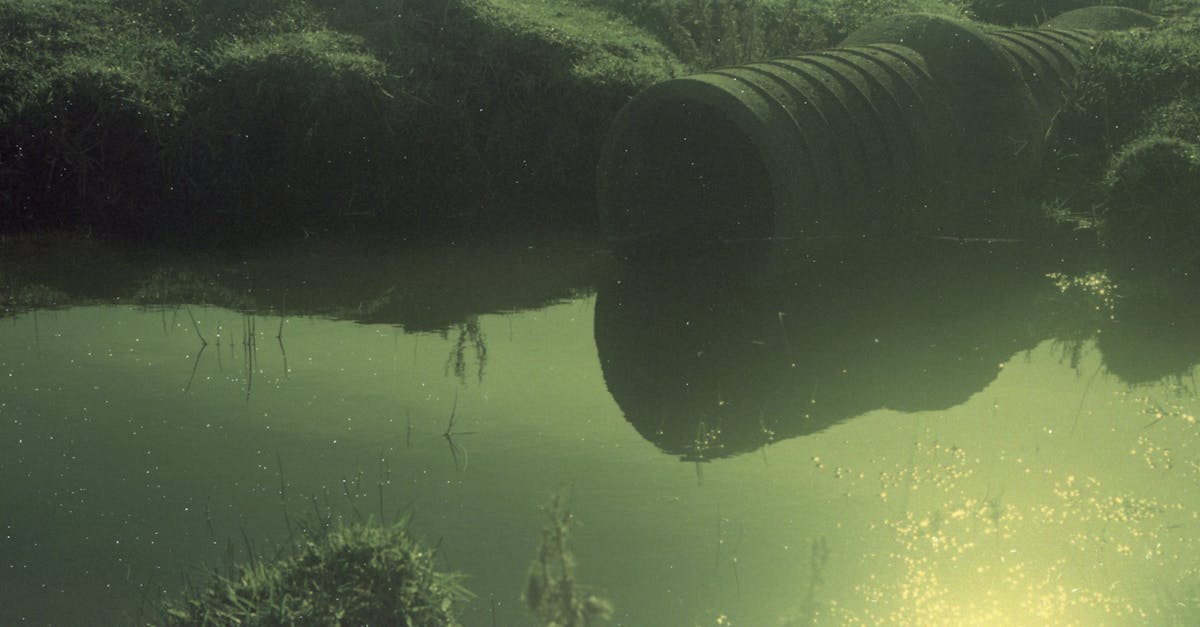
New research reveals that nearly one-fifth of Americans, or over 62 million people, are regularly exposed to drinking water with dangerously high levels of nitrates. This widespread contamination, primarily stemming from agricultural runoff like fertilizers and animal waste, poses serious health risks including various cancers and birth defects. While current legal limits are outdated, advocates are pushing for stricter regulations to protect public health. This situation highlights an urgent need for sustainable farming practices and stronger environmental safeguards.
Online spaces are often filled with conflicting and misleading information about climate change, causing confusion and despair. To counter this, a dedicated "army" of over 1,300 volunteers, led by the Sierra Club, is taking a unique approach. Instead of engaging in arguments with online trolls, these "Climate Truth-Tellers" are actively working to amplify accurate, truthful content. Their collective effort helps ensure that credible information about our planet's future reaches a wider audience, empowering more informed discussions and action.
Mexico City, a sprawling metropolis home to 22 million people, is experiencing a concerning phenomenon: it's sinking by nearly 10 inches each year. New satellite data from NASA confirms this rapid subsidence, making it one of the fastest-sinking cities globally. Built on an ancient lake bed, the city's extensive groundwater pumping for its vast population is dramatically shrinking the underground aquifer. This not only damages vital infrastructure but also intensifies a chronic water crisis, highlighting the urgent need for sustainable resource management.
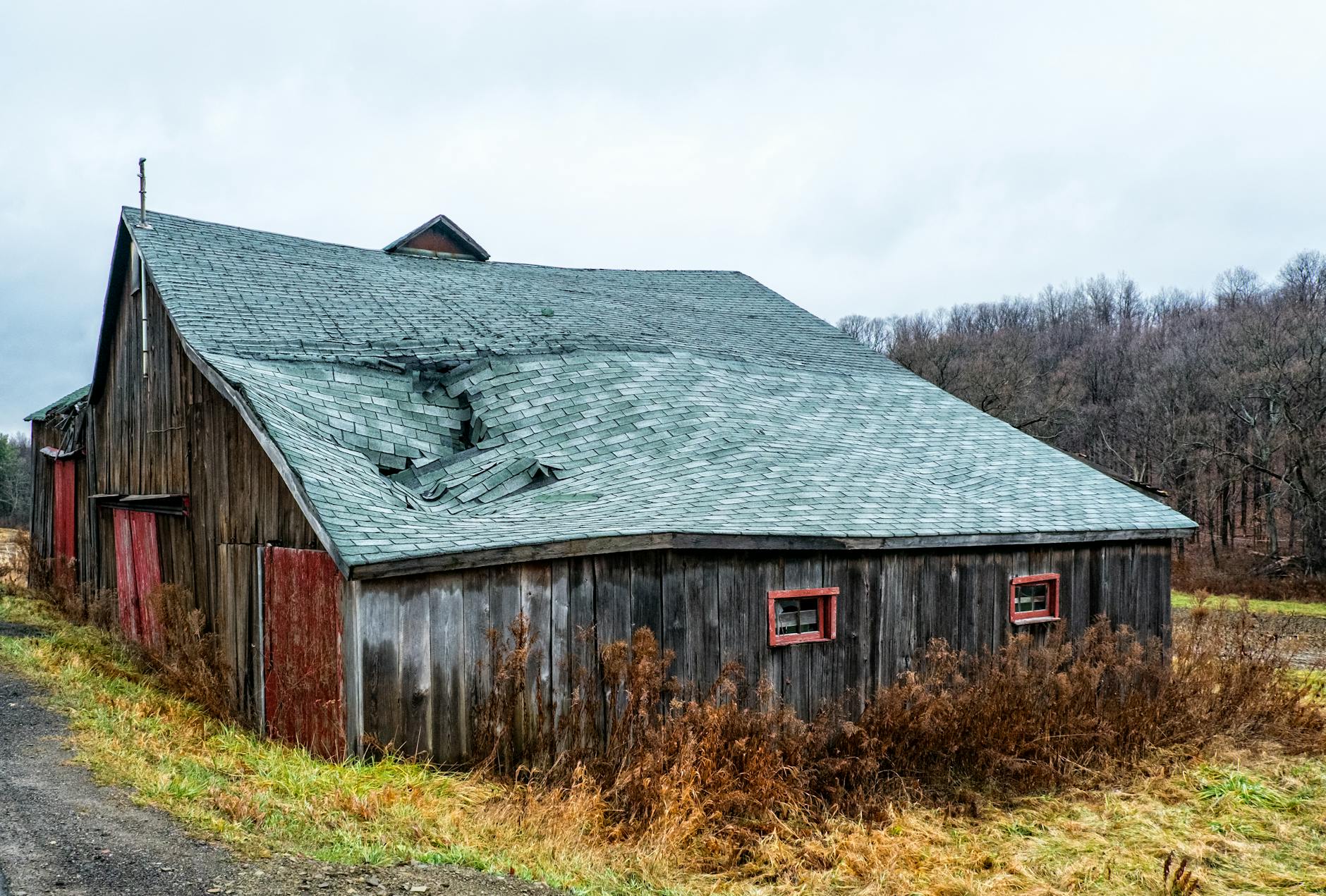
State Farm, the country's largest home insurer, faces hundreds of lawsuits alleging a secret scheme to deny or minimize payouts for hail and wind damage. As extreme weather events like hailstorms become more intense and frequent due to climate change, homeowners across the U.S. are struggling to get claims approved, leaving them financially vulnerable. These legal battles highlight a growing crisis where insurers face rising costs, and policyholders feel left in the lurch. The situation underscores the urgent need for transparency and reliable support as climate impacts escalate, pushing both families and communities towards profound financial risk.
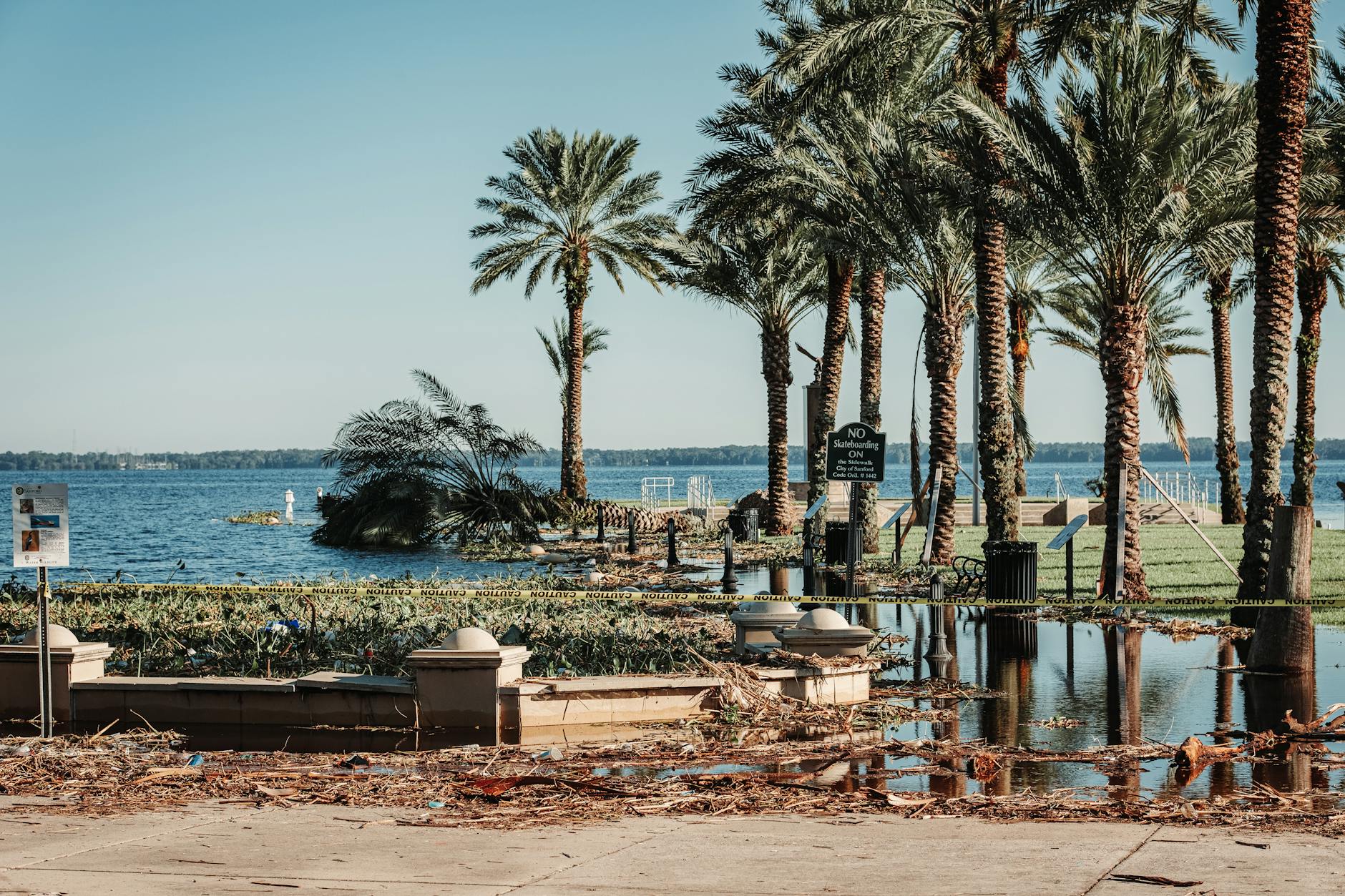
The Trump administration has significantly reduced environmental programs and support for disadvantaged communities, leaving them more exposed to the impacts of climate change like rising temperatures and extreme storms. In Florida, organizations like the CLEO Institute are struggling to fill critical funding gaps after losing millions in grants meant for climate literacy and resilience. These cuts worsen existing inequalities, forcing vulnerable families to make difficult choices between basic necessities and coping with climate-related costs. This situation highlights a growing crisis where climate impacts, energy costs, and affordability converge, underscoring the urgency of climate action.
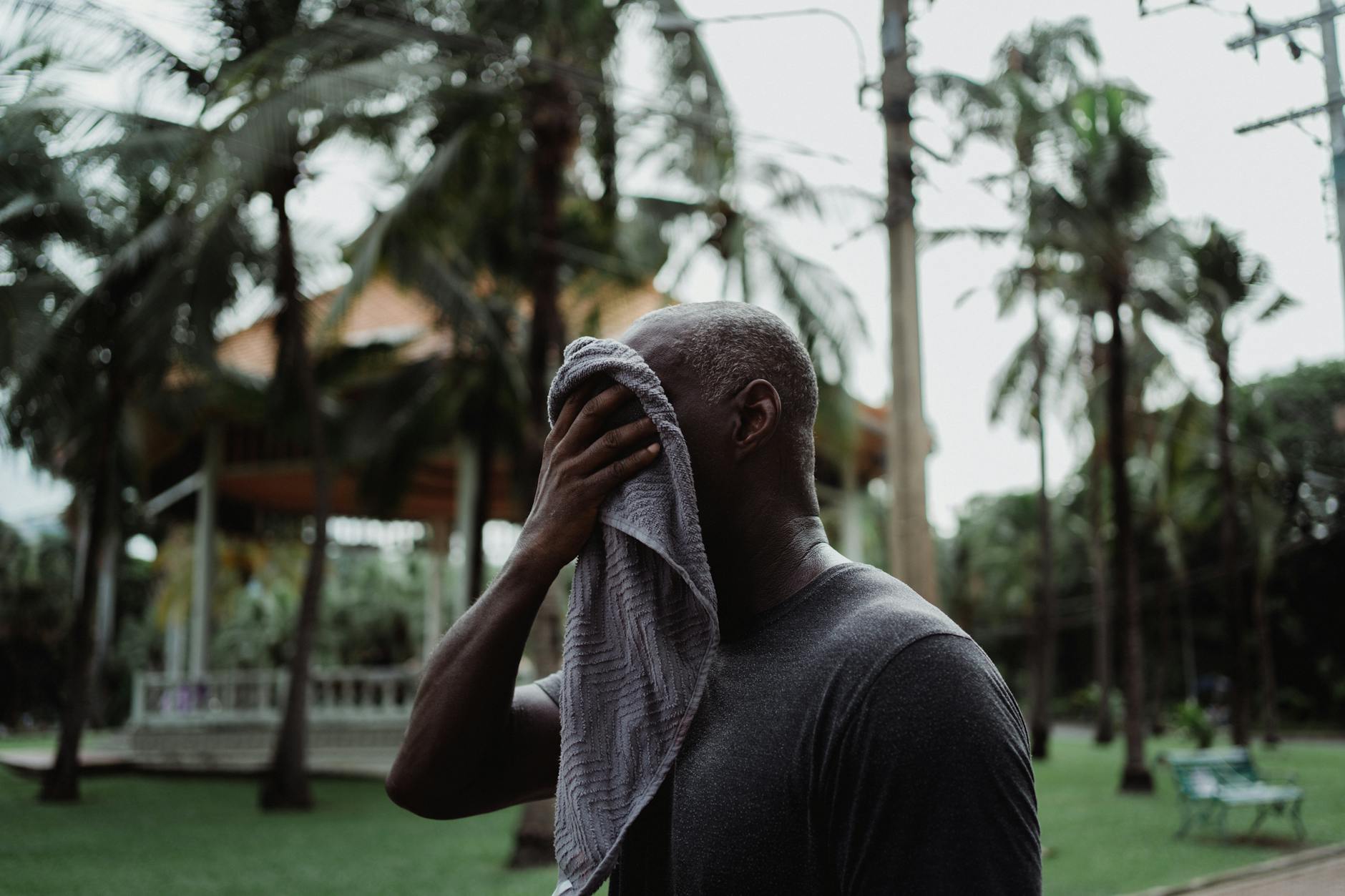
As our planet warms, extreme heat events are becoming more frequent and intense, posing a significant, often overlooked, danger. Heat-related illnesses like heat exhaustion and heatstroke can be deadly, claiming more lives in the U.S. annually than hurricanes and floods combined, according to Weather.gov. Understanding the signs and knowing how to act are crucial steps in protecting ourselves and our communities. Proactive measures are essential to stay safe as global temperatures continue to climb.
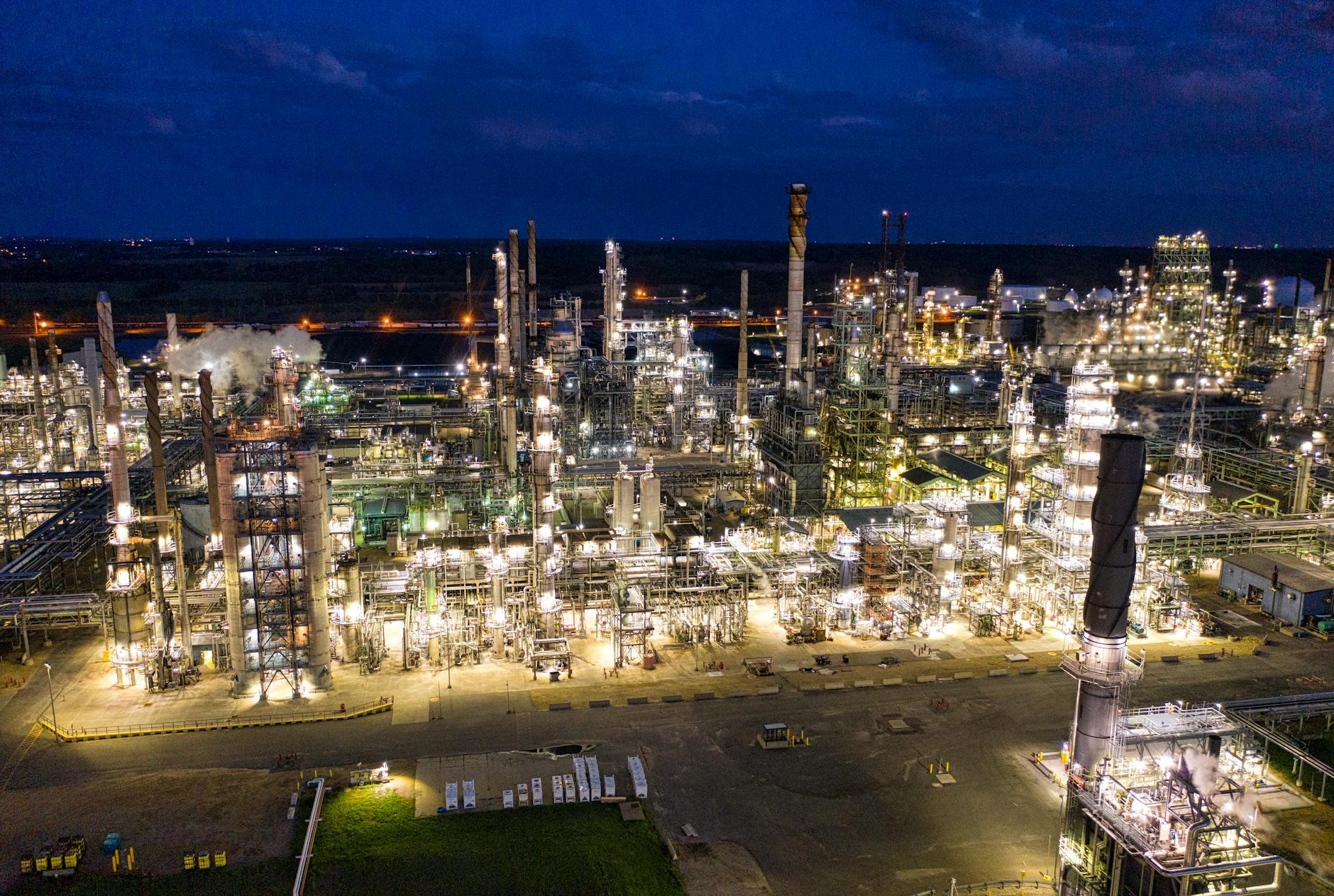
Communities along the Texas Gulf Coast, particularly places like Port Arthur, are confronting a severe health crisis due to high levels of benzene emissions. A recent Environmental Defense Fund report reveals that Texas refineries consistently produce some of the highest concentrations of this cancer-causing chemical in the nation. The problem isn't just about refinery size; it's heavily influenced by state policies and facilities failing to fix ongoing leaks. This situation underscores an urgent environmental justice challenge, where residents in fenceline communities bear the brunt of pollution and deserve cleaner air.
Climate change is quietly increasing the cost of living around the world, a phenomenon researchers are calling "climateflation." From scorching heatwaves that slash crop yields to damaged infrastructure and soaring insurance premiums, extreme weather events are now directly affecting our wallets. This isn't just about temporary spikes; these rising costs could become a lasting economic force, challenging household budgets and national economies alike. Understanding and addressing this growing financial burden underscores the urgent need for global climate action.
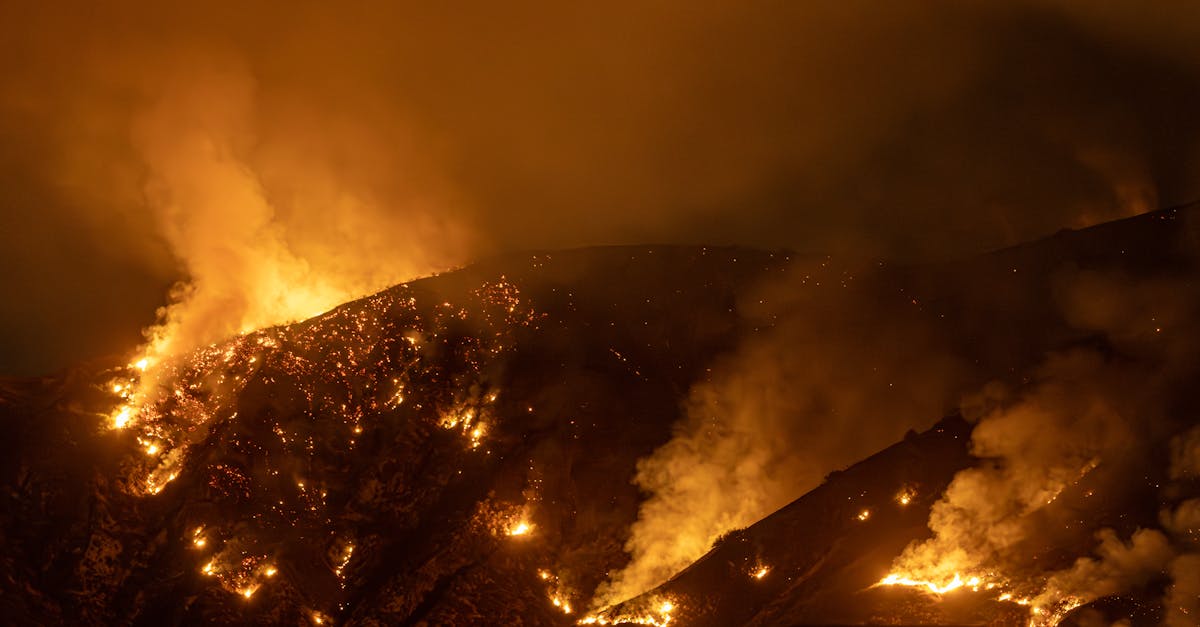
California is facing a severe home insurance crisis as destructive wildfires and other climate-fueled disasters intensify. Many insurers have pulled out, leaving residents with skyrocketing costs or no coverage. In response, a new state bill, the Affordable Insurance and Recovery Act, seeks to hold fossil fuel companies accountable for their role in global warming. This groundbreaking legislation aims to empower the state's attorney general to sue these companies, creating a fund to stabilize the insurance market and help communities protect their homes from future climate impacts.
The Santa Ynez Reservoir in Los Angeles's Pacific Palisades community has been drained once more for a $19.5 million cover replacement project, sparking alarm among residents. This decision comes despite the reservoir notoriously being empty during the devastating 2025 Palisades fire, where firefighters struggled with water pressure. While the Department of Water and Power (DWP) states the new cover is vital for safe drinking water, locals fear the timing leaves them vulnerable to upcoming wildfire season. The community stresses the critical importance of readily available water for fire suppression, highlighting the ongoing tension between infrastructure maintenance and immediate safety concerns in a climate-vulnerable region.
Nature-based solutions are rapidly moving from environmental footnotes to crucial financial strategies for businesses worldwide. With over half of global GDP directly or indirectly tied to healthy ecosystems, degrading natural resources pose significant risks to supply chains, assets, and overall revenue. Investors and regulators are increasingly concerned, pushing for clearer reporting on how companies identify and manage these nature-related exposures. Embracing nature-based solutions is no longer just an ESG consideration; it’s a strategic move essential for long-term financial health and climate resilience.
A new federal report reveals a concerning trend: Florida households experienced approximately 2.1 million electricity shutoffs in 2024 due to unpaid bills, ranking among the highest nationwide. This first-of-its-kind analysis by the U.S. Energy Information Administration examining energy insecurity highlights a widespread problem across the country, with over 15.1 million disconnections last year. For many, these shutoffs force impossible decisions between essential needs like food, medical care, and keeping the lights on, underscoring a deepening energy affordability crisis.