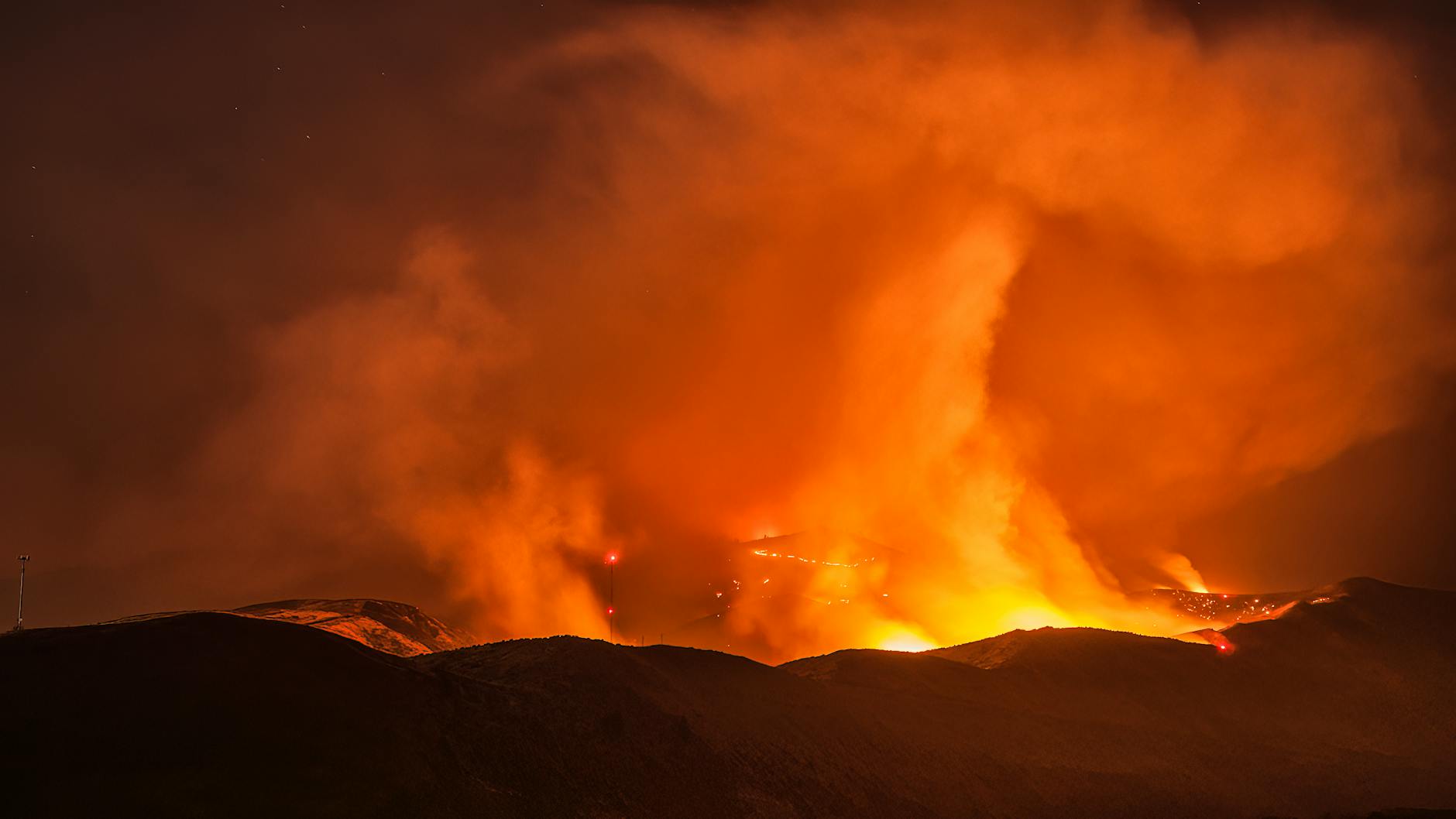
Firefighters battling the Trinity fire in San Bernardino County recently encountered an unusual sight: an 'ash devil.' This rare mini-tornado, made of ash, embers, and debris, spun up from an area already extinguished, highlighting the unpredictable nature of wildfires. While it eventually dissipated without sparking new blazes, its appearance serves as a potent reminder of the complex and dangerous conditions faced by crews. The Trinity fire, which damaged some precious Joshua trees, underscores the critical importance of wildfire awareness and prevention in our natural landscapes.
California is facing a critical turning point as the last major oil shipment from the Persian Gulf docks in Long Beach. This arrival marks the end of a vital supply line, severed by conflict in the Middle East and subsequent shipping blockades. The state must now figure out how to replace approximately 200,000 barrels of oil daily, raising concerns about potential shortages and soaring gasoline prices, which are already topping $6 per gallon. This urgent situation highlights California's vulnerability to global conflicts and underscores the pressing need to accelerate its transition to cleaner, more secure energy sources like electrification.
Also, a new company spun off from electric vehicle maker Rivian, is reimagining e-bikes with a focus on advanced software and adaptability. Their flagship e-bike, the TM-B, boasts features like screens, over-the-air updates, and customizable components, aiming to offer a single bike for various uses from city commutes to mountain trails. This innovative approach seeks to bring the high-tech, software-driven experience of modern electric cars to smaller, sustainable personal transportation. As cities increasingly restrict traditional vehicles and embrace cleaner options, these electric solutions could play a vital role in reducing our environmental footprint and improving urban air quality.
The global landscape for climate action is rapidly evolving, with significant strides in carbon markets and energy transition efforts. The World Bank is backing new carbon pricing instruments in emerging economies like Guinea and Moldova, while the ISO works to standardize carbon credit data for greater transparency. Africa is calling for concrete implementation of climate goals and a stronger presence in carbon markets ahead of COP32. Meanwhile, Japan is launching a mandatory emissions trading system, covering 60% of its national emissions, underscoring a worldwide push towards a sustainable future.
FIFA is preparing for the largest-ever World Cup across North America, promoting a commitment to environmental sustainability and net-zero emissions by 2040. However, this green image is overshadowed by a premiere sponsorship deal with Saudi Aramco, the world's largest oil and gas company. Experts argue this partnership severely undermines FIFA's credibility, especially since Aramco is identified as a top global greenhouse gas emitter. This raises serious questions about the true urgency of climate action within major sporting events.
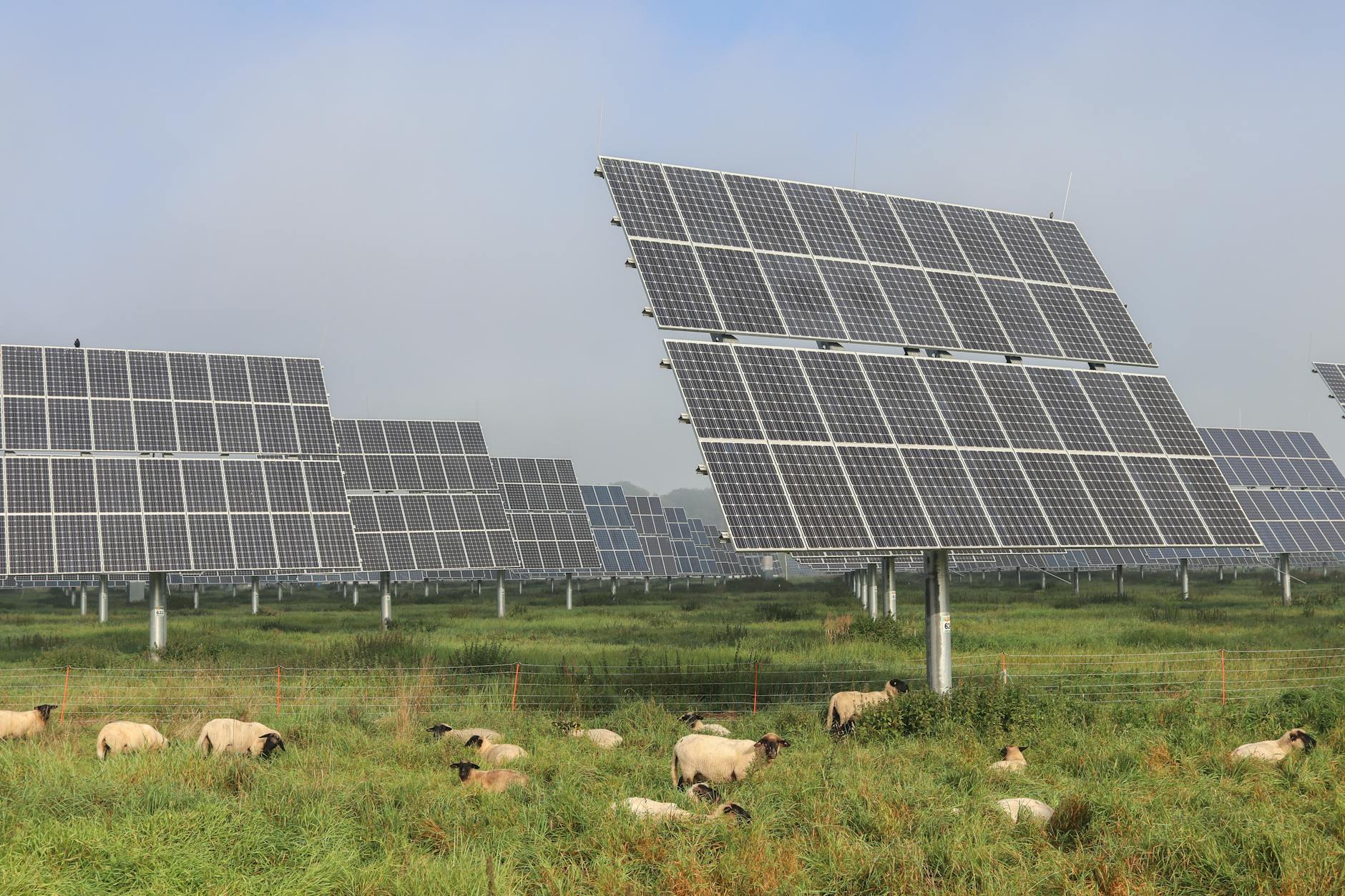
In a groundbreaking move, a solar farm in central Tennessee is showcasing a new frontier in sustainable energy: grazing cattle directly under solar panels. Silicon Ranch's innovative project in Christiana aims to prove that large herds can thrive on these "solar ranches," offering a win-win solution for farmers and the environment. This approach promises clean electricity to meet rising demand, especially from data centers, while helping farmers keep their land productive and profitable. It’s a compelling step towards a future where renewable energy and agriculture work hand-in-hand, significantly reducing carbon emissions.
A new report from National Geographic's Pristine Seas researchers reveals that bottom trawling in European waters is an environmental catastrophe and a significant economic drain. This destructive fishing method, which scrapes the seafloor, costs society up to $18.5 billion annually by releasing huge amounts of carbon dioxide and destroying marine habitats. Despite generating some profit for the industry, the environmental and financial burden on taxpayers is enormous, underscoring an urgent need for sustainable practices to protect our oceans and combat climate change.
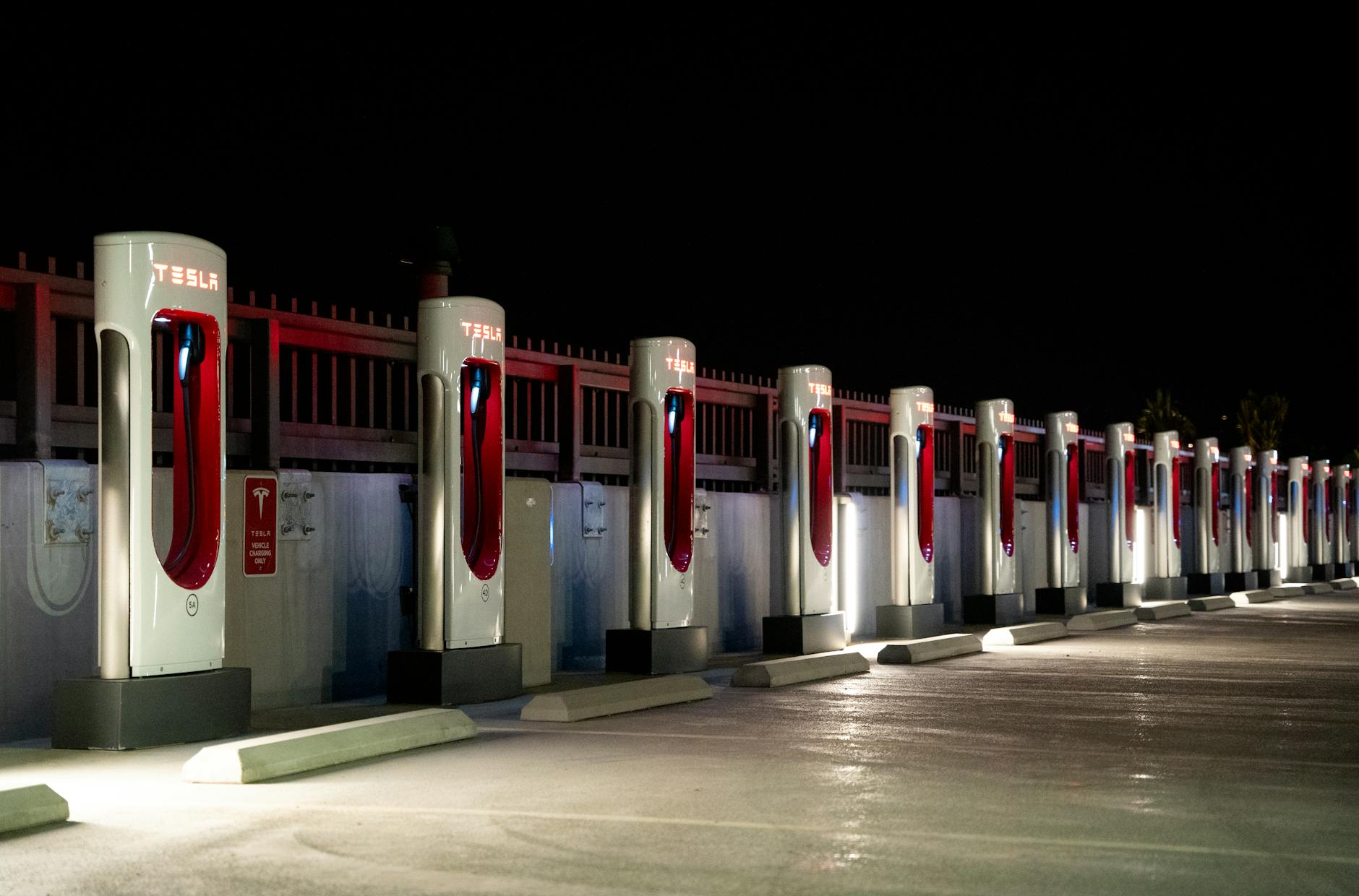
The Southeast's largest gathering of Tesla and EV enthusiasts, the Chattanooga Charge, is set to electrify the Tennessee Riverpark from March 20-22, 2026. This highly anticipated event promises an unforgettable experience, showcasing groundbreaking EV technology and a vibrant community. It's a prime opportunity for attendees to witness over a hundred customized Cybertrucks and celebrate the accelerating shift towards sustainable transportation and a cleaner future.
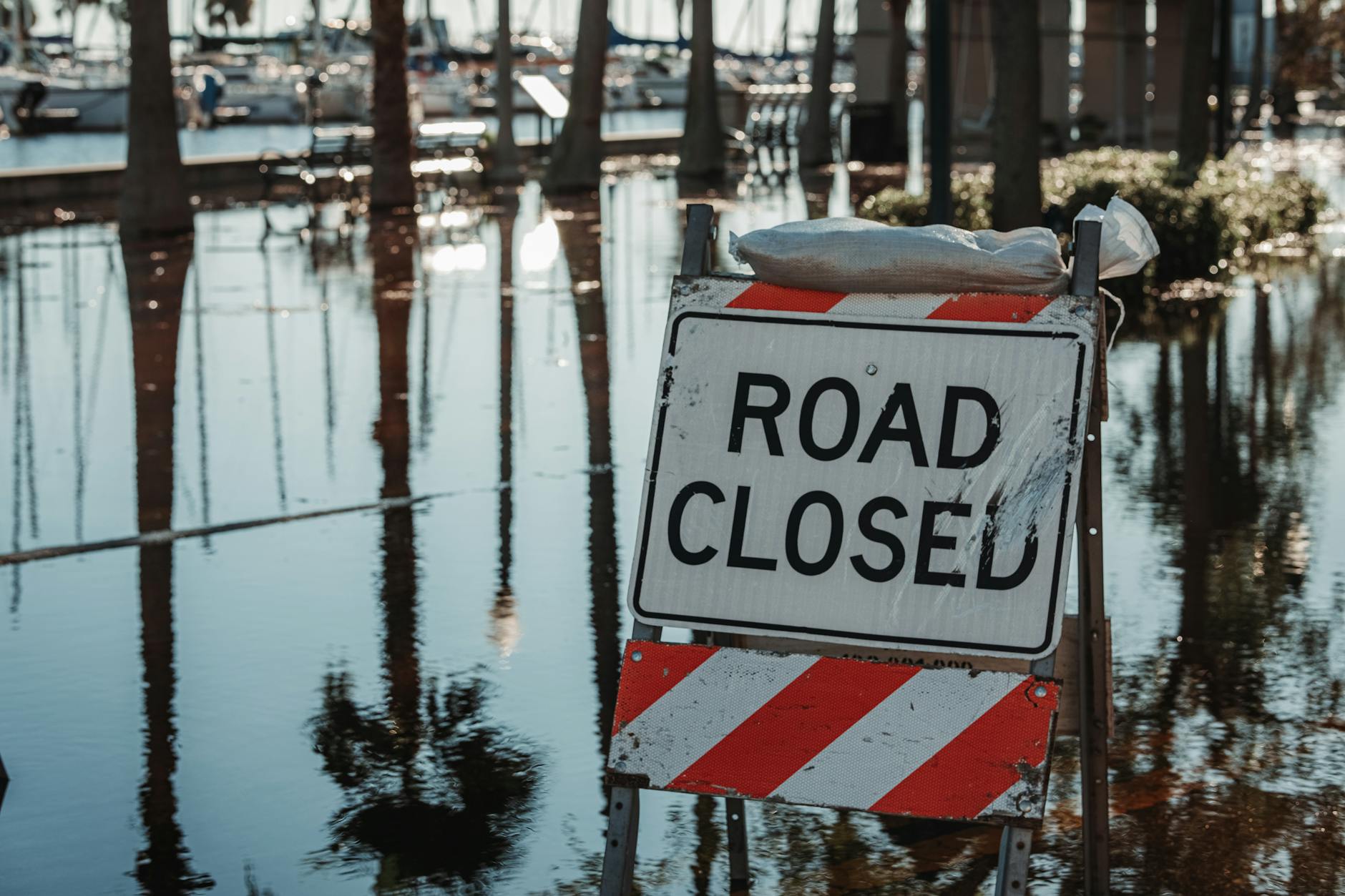
The U.S. is experiencing a alarming rise in dangerous, widespread heavy rainfall events, costing billions and claiming lives. Remarkably, six of the top ten highest-volume precipitation events in the contiguous U.S. since 1949 occurred between 2016 and 2020, with another in 2024. This drastic increase is not by chance; studies confirm a clear link to human-caused climate change, intensifying the urgency for global climate action to protect communities from future devastation.
American families seeking a larger electric vehicle (EV) from Tesla might soon get their wish. Speculation is mounting that the Model Y L, a longer and more spacious version of the popular Model Y currently available in China, is set to arrive in the United States. Recent coordinated visits by U.S. influencers to review the Model Y L in China and Australia suggest a strategic pre-launch campaign. This move could provide a much-needed family-friendly electric SUV, emphasizing Tesla’s commitment to expanding sustainable transportation options for growing households.
The Southeastern United States is battling a surge of intense wildfires, turning vast areas into a dangerous 'tinderbox.' A prolonged drought since July 2025 has left vegetation extremely dry, providing ample fuel for fast-spreading blazes across Florida and Georgia. These fires, exacerbated by strong winds and low humidity, are destroying homes and forcing evacuations. Experts warn that this escalating crisis is a direct consequence of climate change, highlighting the urgent need for robust environmental action to protect communities from worsening climate disasters.
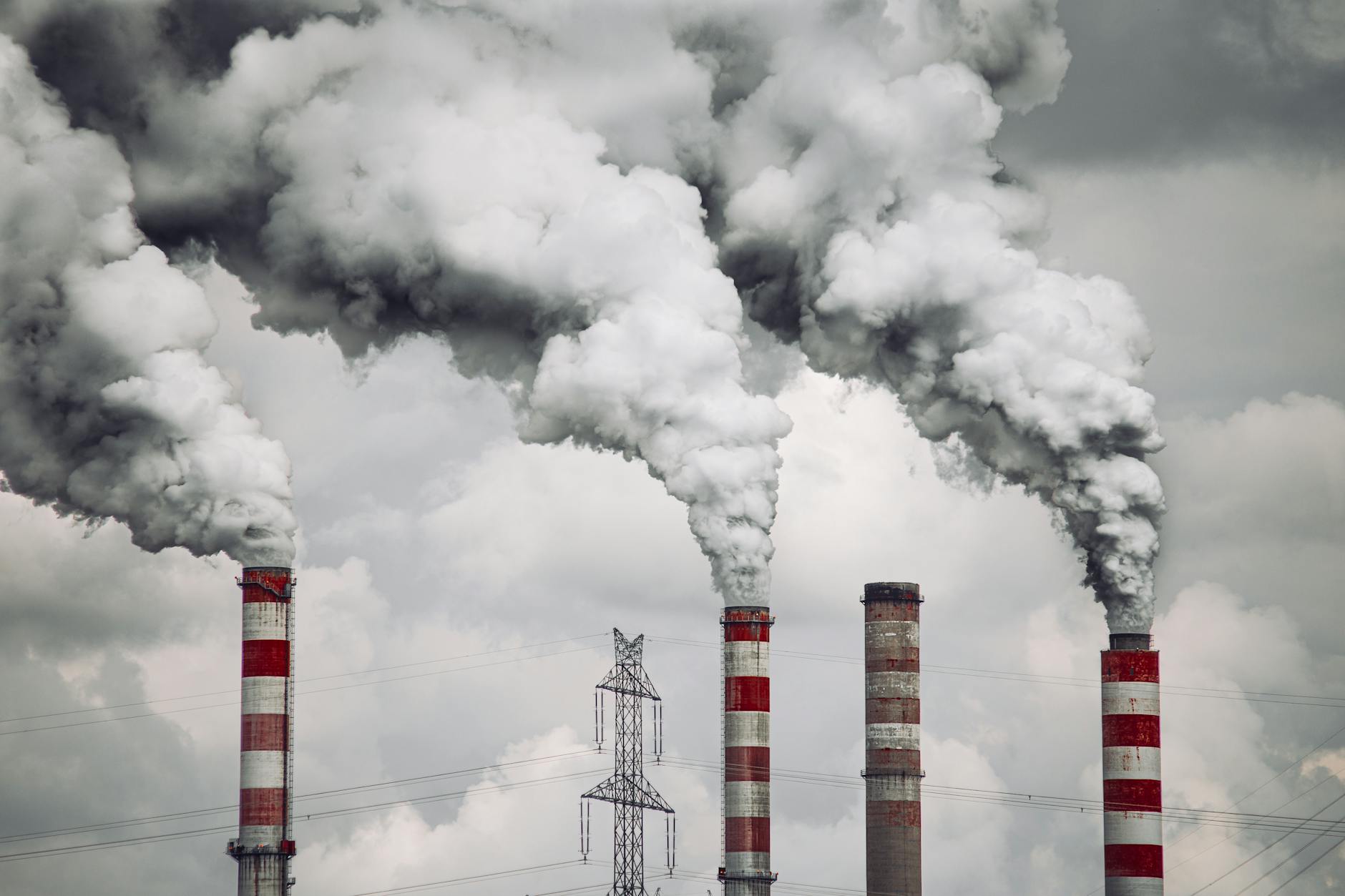
Over 50 countries are set to gather in Santa Marta, Colombia, for a landmark international conference on phasing out fossil fuels. This crucial meeting marks the first time nations have come together specifically to discuss how to transition away from these harmful energy sources. As the primary cause of climate change, fossil fuels pose an existential threat to our planet. The conference highlights a growing global commitment to addressing the climate crisis head-on and accelerating the shift toward cleaner, sustainable energy solutions for a healthier future.