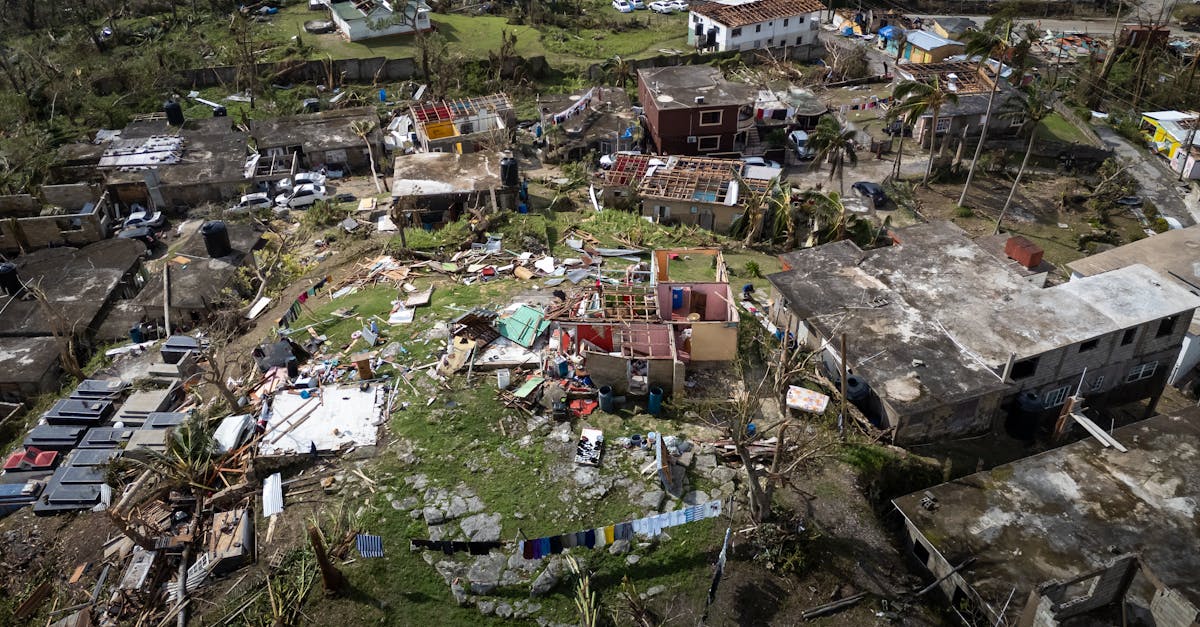
In September 2024, a powerful weather system known as a Central American Gyre unleashed torrential rains across Central America before spawning Hurricane Helene. This devastating storm claimed 217 lives and caused $81 billion in damages, highlighting the destructive potential of these gyres. As our planet warms, understanding how climate change will affect these crucial storm breeders is paramount. While current data doesn't show an increase in their frequency, scientists warn of more intense rainfall from future events, underscoring the urgent need for climate action and preparation.
Corpus Christi, a bustling Texas metro area of half a million people, is facing a dire water crisis, with reservoirs potentially drying up next year. The city's urgent plan for an emergency groundwater supply is being stalled by the nearby town of Sinton. Corpus Christi leaders now suggest Sinton's resistance isn't about local concerns, but rather a hidden agenda to secure water for massive, new data centers that consume enormous amounts of this precious resource. This conflict highlights the growing challenges communities face as demand for water rises amidst ongoing drought conditions, emphasizing the critical need for sustainable water management.
BBVA is rapidly accelerating its sustainability efforts, having achieved its earlier eco-efficiency goals two years ahead of schedule. The bank now powers nearly all its global operations, 99%, with renewable electricity. With a new 2026-2030 roadmap, BBVA aims for 100% clean energy and is channeling significant funds into sustainable projects. This commitment underscores the crucial role financial institutions play in driving the global transition to a cleaner, more sustainable economy.
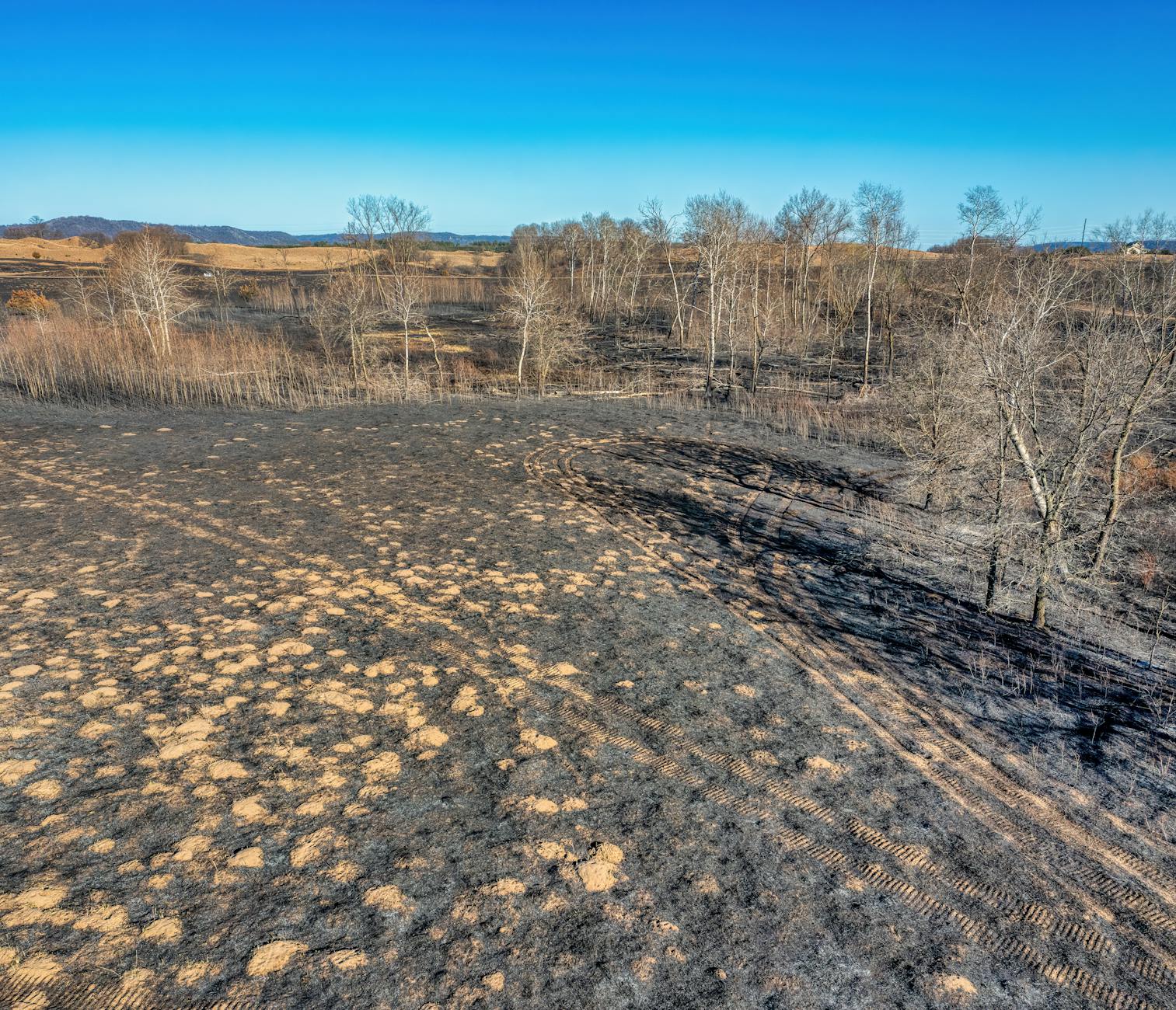
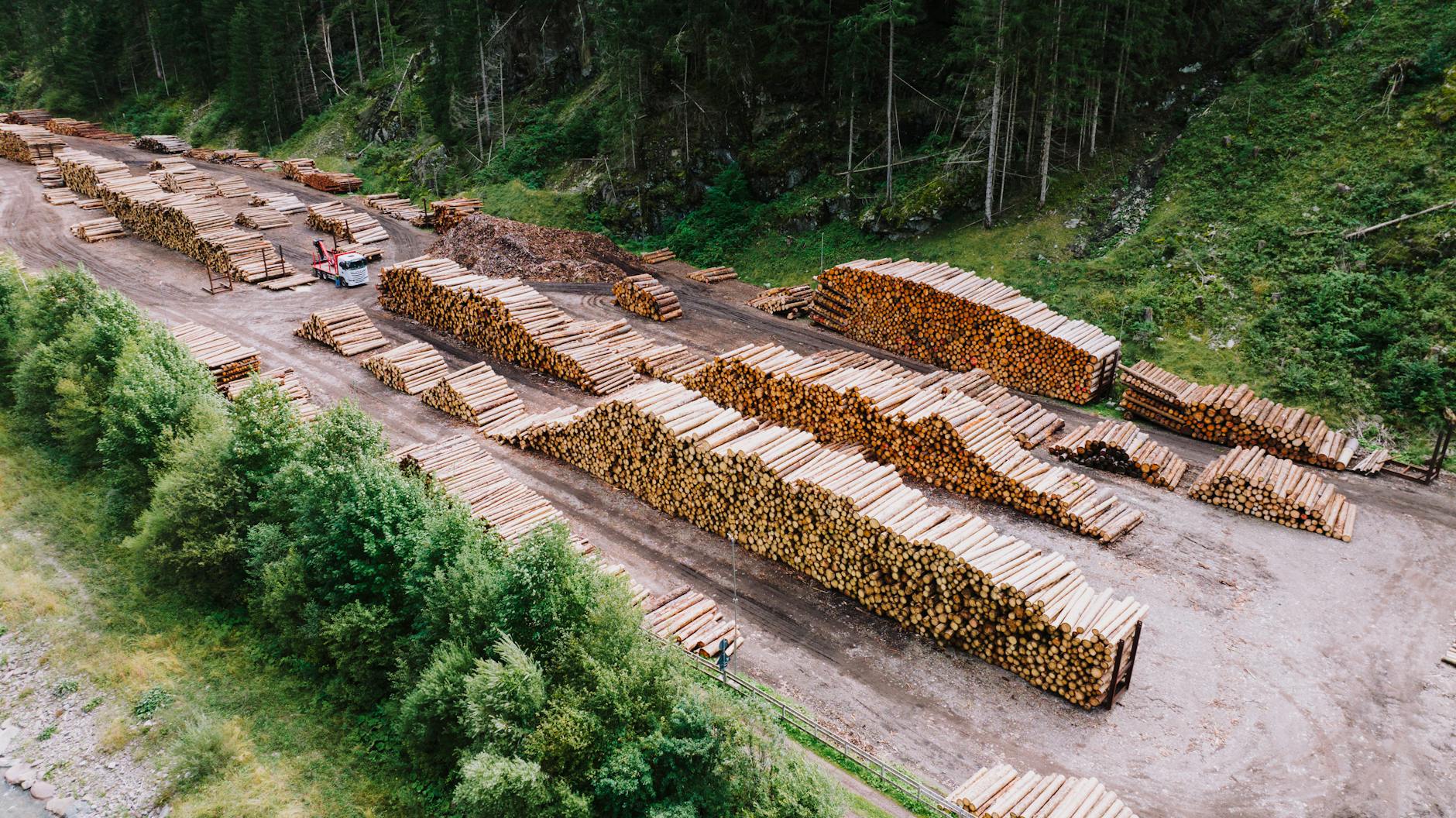
A new study from the University of California, Davis, reveals significant benefits from proactively managing forest fuels in the Western U.S. Prescribed burns and thinning operations have prevented millions of tons of carbon emissions, nearly 60 premature deaths, and saved an estimated $2.8 billion in damages. These crucial actions also kept over 25,000 tons of harmful particle pollution out of the air. As the West faces an increasingly severe wildfire season fueled by drought and extreme heat, these findings underscore the urgent need for sustainable forest management to protect both our environment and communities.
The Atlantic hurricane season is poised for a dramatic and unsettling transformation, with scientists predicting wildly unpredictable years ahead. Driven by unprecedented global warming, future seasons are expected to bring more intense, rain-heavy, and rapidly strengthening storms. This isn't just about stronger winds; it means a growing risk of devastating floods, back-to-back disasters, and a staggering rise in both direct and long-term indirect deaths. Our continued reliance on fossil fuels is directly fueling this escalating threat, demanding urgent action to protect vulnerable coastal communities and mitigate the worst impacts of a changing climate.
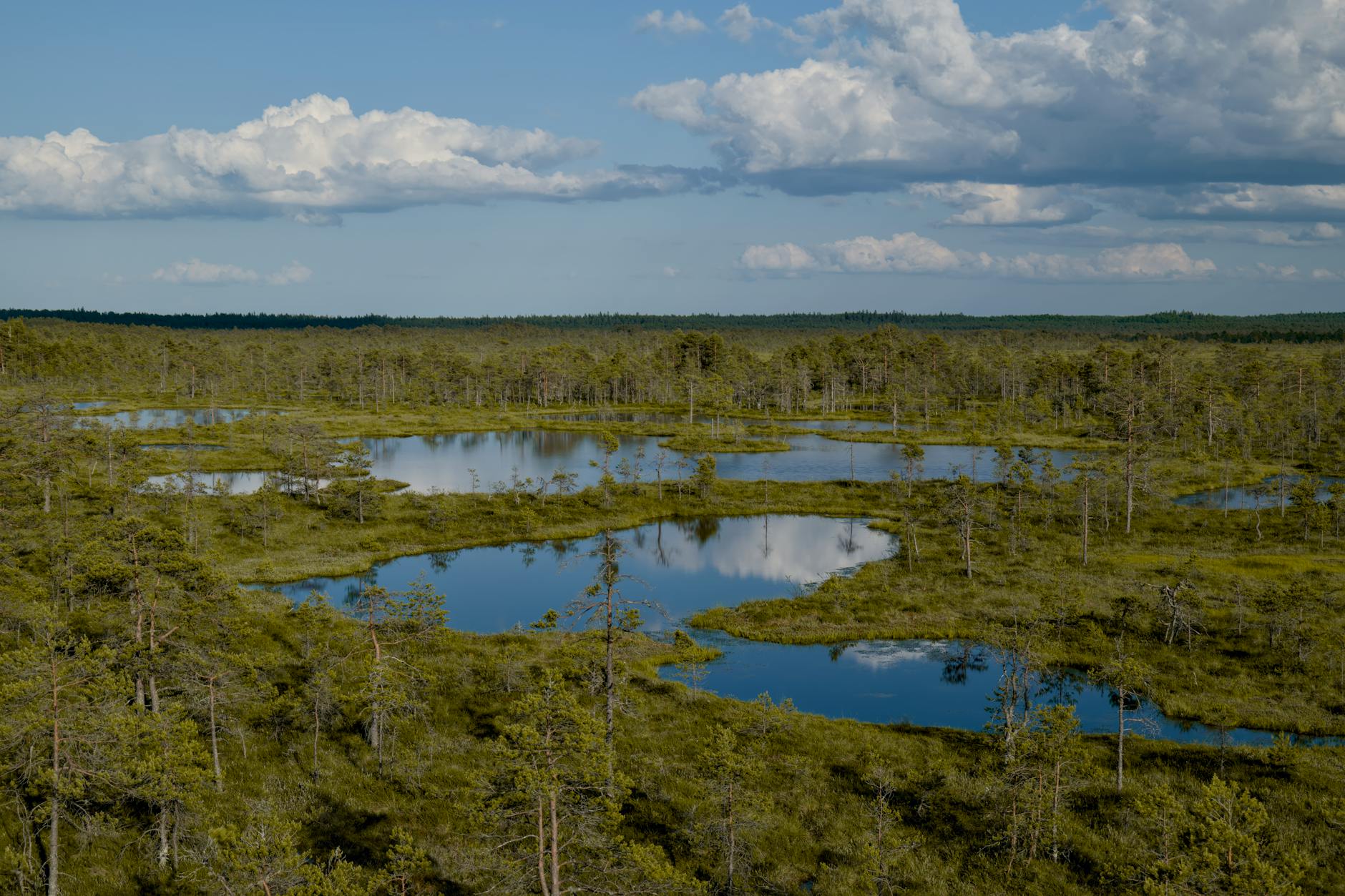
Vast, waterlogged areas like bogs and swamps, known as peatlands, are unsung heroes in the fight against climate change. These unique ecosystems, found from Canada to the Congo Basin, slowly build up dead plant material over millennia, trapping massive amounts of carbon underground. Despite covering only 3% of the world's land surface, they store more carbon than all forests combined. However, when these vital lands are drained or burned, this stored carbon escapes into the atmosphere, greatly contributing to global warming. Protecting and restoring peatlands is therefore a critical and urgent step for our planet's future.
During rush hour, our roads fill with cars, spewing pollutants that harm our health and warm the planet. In fact, cars and light trucks are responsible for a significant portion of the U.S.'s climate-warming emissions. But there's a straightforward way to address this: carpooling. Sharing a ride means fewer cars on the road, leading to less traffic, cleaner air, and even savings in your pocket. It's a simple, impactful step toward a healthier environment and more sustainable commutes.
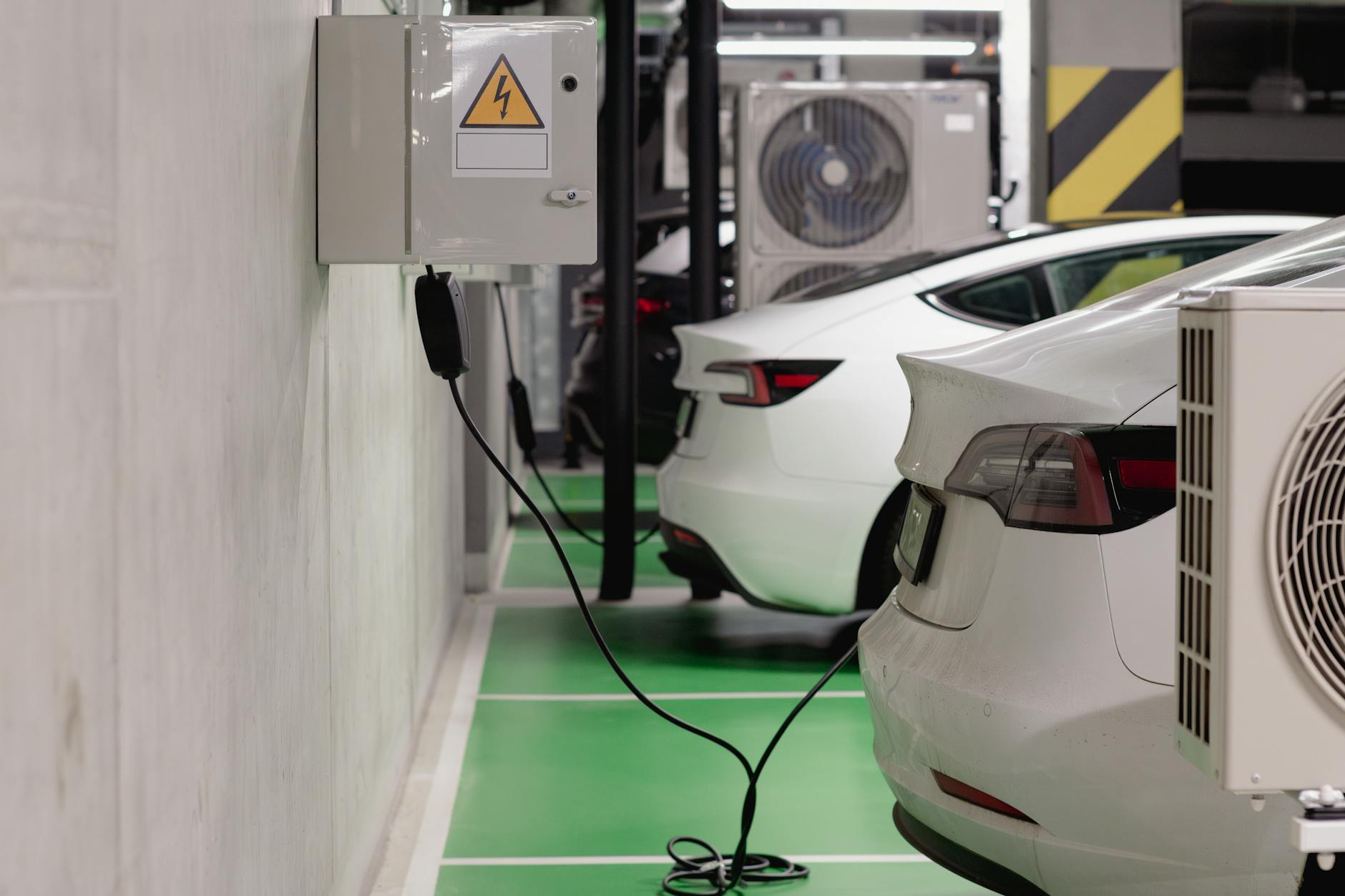
Electric vehicle sales in China and Europe have reached a crucial "tipping point," signaling an irreversible move away from traditional petrol and diesel cars. New research highlights how EV sales are rapidly increasing while conventional car sales decline, a clear sign that electrification is becoming self-sustaining. This swift transition is a positive step for reducing transport emissions and combating global warming. However, experts warn that even this accelerated pace might not be fast enough to meet urgent climate objectives.
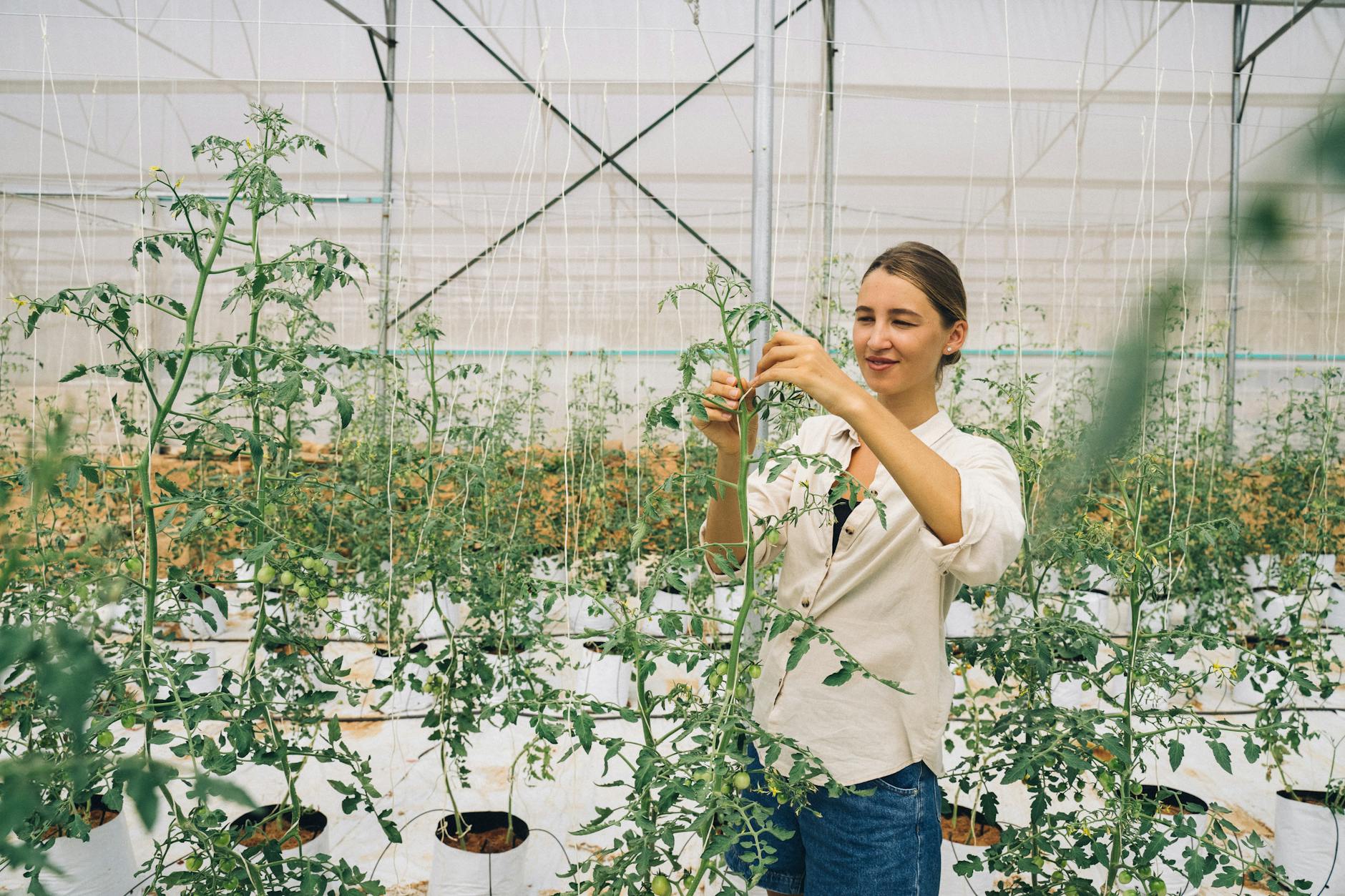
Many businesses rely heavily on natural systems within their supply chains, from sourcing raw materials to product delivery. Increasingly, companies are realizing the critical importance of actively managing these natural dependencies to transform potential risks into valuable assets. This involves adopting 'nature-based solutions' such as agroforestry or soil health programs directly within their supply chains. These strategic investments not only enhance operational resilience and reduce environmental impact but also address the urgent need for climate action, meeting stricter regulations and investor expectations for sustainable practices.
Olympic cross-country skier Julia Kern is witnessing the direct impacts of a warming planet on her sport and daily life. From shrinking snowpacks that threaten winter sports to training disrupted by wildfire smoke, she's seeing climate change firsthand. This urgent reality has fueled her commitment to environmental advocacy. Kern is now using her platform to push for meaningful climate solutions and a shift away from fossil fuels, aiming to protect winters for future generations.
Artificial intelligence is dramatically increasing global electricity demand, projected to more than double by 2030, according to the International Energy Agency (IEA). This surge, combined with ongoing government efforts for decarbonization, is propelling the clean energy sector into a new phase of growth. Investments in sustainable solutions like renewables and electrified transport reached a record $2.3 trillion in 2025, as estimated by BloombergNEF. This dual-driven demand highlights an urgent need for reliable, scalable, and lower-carbon power, making electrification key to both technological advancement and environmental protection.
Millions of tons of perfectly good fruits and vegetables are wasted globally each year, often discarded due to minor imperfections or market gluts. This unnecessary waste not only depletes resources but also contributes significantly to climate change when food breaks down in landfills, releasing potent methane gas. University of Arizona researcher Goggy Davidowitz has pioneered an innovative solution: solar drying towers. These towers efficiently preserve surplus produce, turning potential waste into valuable resources like packaged food or animal feed. This simple, sun-powered technology offers a powerful way to reduce our carbon footprint and build a more sustainable food system.