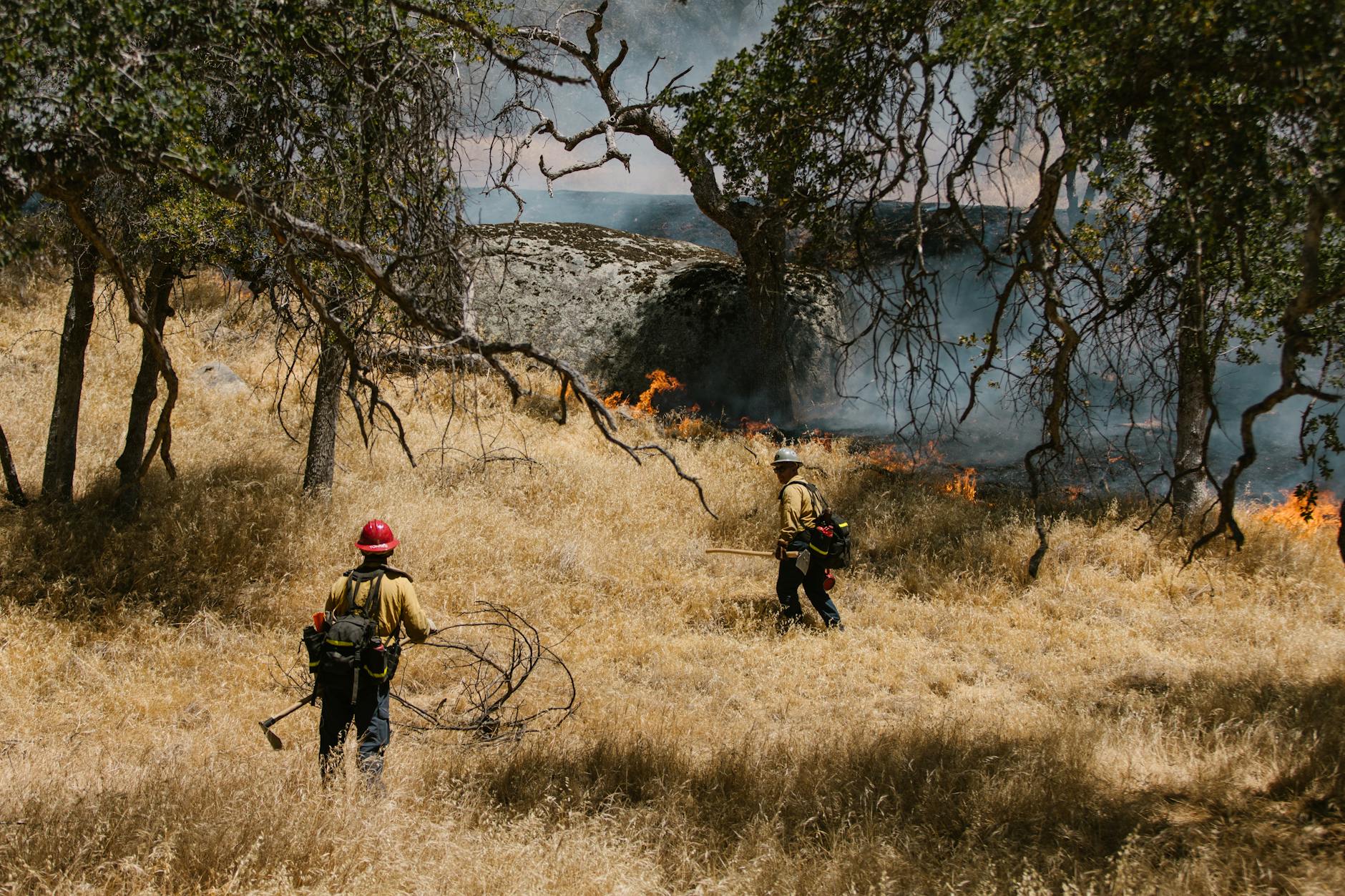
California faces a starkly divided wildfire season outlook this year, with Northern California bracing for a dangerous period while Southern California anticipates a more typical season. A record-breaking March heatwave in the north caused crucial mountain snowpack to melt prematurely, drying out vegetation earlier than usual and heightening fire risks. Meanwhile, Southern California's recent wet winter offers some reprieve, yet officials across the state are urging all residents to take proactive measures. This emphasizes the critical need for collective action to protect communities against the growing threat of wildfires, intensified by changing climate patterns.
New research reveals that a highly toxic metal, hexavalent chromium, lingered in the air for months after the devastating Eaton and Palisades fires in Southern California. This potent carcinogen, found in ultra-fine particles, likely traveled far, potentially exposing millions of residents to increased health risks, including cancer. Scientists were surprised by its persistence and the high concentrations detected. The findings underscore the hidden environmental dangers of wildfires, making urgent action on climate change and sustainable product design crucial for community safety and public health.
Experts warn that another warm, dry winter could push the Colorado River's vital reservoirs, Lakes Mead and Powell, to dangerously low levels. This grim forecast, fueled by ongoing climate change, highlights a severe imbalance between water supply and demand. The river sustains 40 million people across seven Western states, 30 tribal nations, and Mexico, making the need for immediate and drastic water conservation measures more urgent than ever. Without significant action, the basin faces devastating consequences, impacting everything from drinking water to electricity generation.
A recent extensive test put Tesla's Full Self-Driving (Supervised) v14.3.3 to the ultimate challenge: a 150-mile journey across the Pennsylvania Turnpike. The system largely impressed, making the typically tiring drive remarkably stress-free for the driver. While it demonstrated remarkable capability on the open road, handling complex situations with surprising ease, a few common maneuvers proved more difficult. This real-world evaluation offers valuable insights into the progress and remaining hurdles for advanced electric vehicle autonomy, highlighting its potential to transform long-distance travel and reduce the human toll of driving.
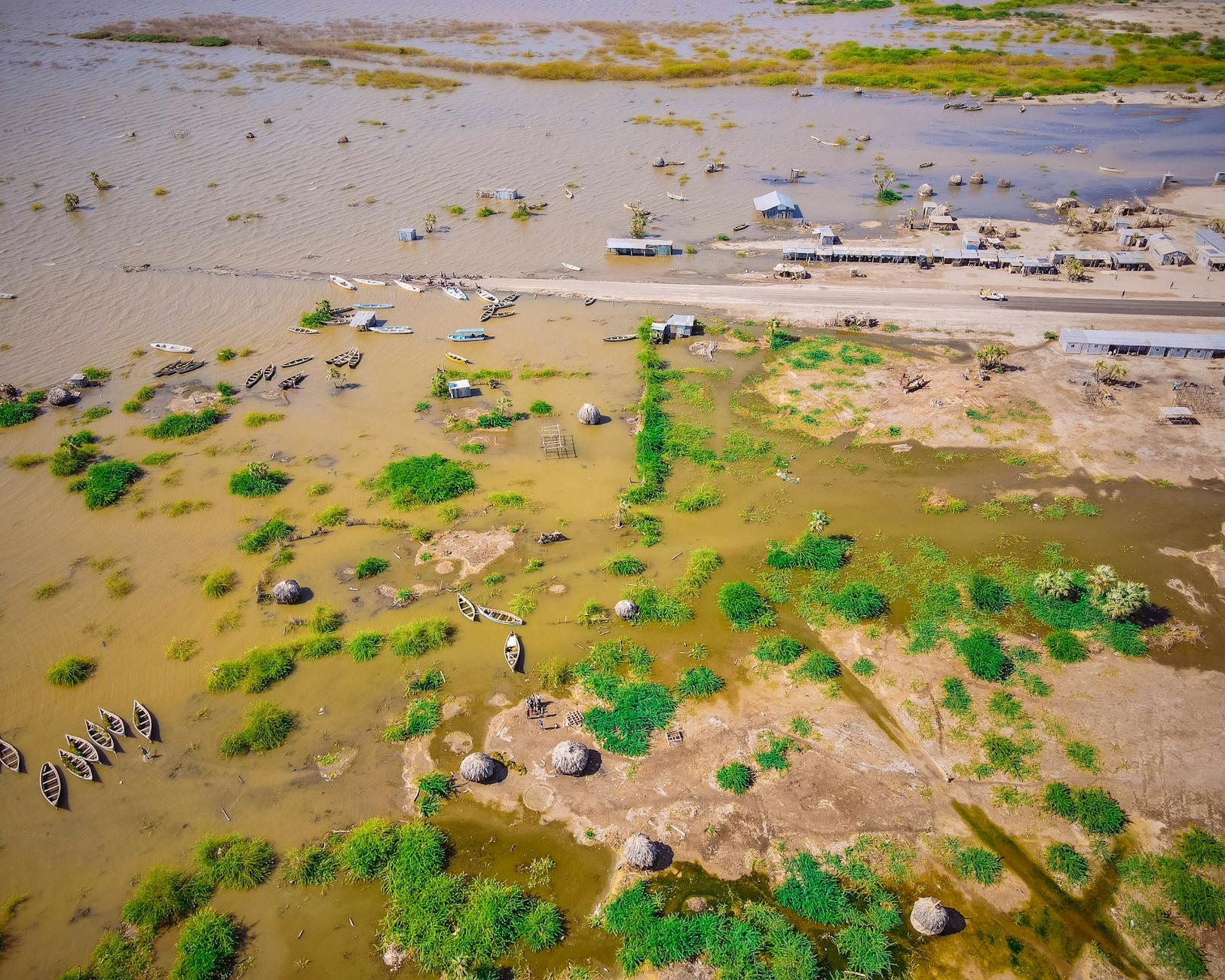
A new study reveals that the destruction of wetlands across the U.S. has led to a staggering $10 billion increase in flood insurance claims over the past four decades. This critical research, from scientists at the University of North Carolina at Chapel Hill and the Environmental Defense Fund, highlights the immense value of these natural flood defenses. Published in Nature Water, the study comes after a controversial 2023 Supreme Court ruling that significantly reduced protections for millions of acres of wetlands. As climate change intensifies, safeguarding these vital ecosystems becomes even more urgent to protect communities and prevent catastrophic financial and environmental losses.
Google is stepping up its efforts to combat mosquito-borne diseases like dengue, proposing to release up to 64 million sterilized male mosquitoes in California and Florida over two years. This ambitious project, called Debug, leverages advanced technology to enhance a long-standing insect control method. With rising temperatures contributing to the spread of invasive mosquito species and a worrying increase in locally acquired dengue cases, this innovative approach highlights the urgent need for new solutions to protect public health and the environment.
The small town of Princeton, Iowa, invested nearly $800,000 in a new community well and water tower, hoping to secure a reliable water source for its future. However, less than two years after completion, the well was shut down because it pumps water contaminated with unsafe levels of nitrates. This significant financial loss highlights a growing environmental crisis: the persistent challenge of nitrate pollution in Iowa's critical drinking water sources, impacting public health and forcing communities to seek urgent, costly solutions to provide clean water.
Los Angeles County has launched a groundbreaking Heat-Related Illness and Mortality Dashboard, offering residents and health officials near real-time insights into the severe health impacts of extreme heat. This crucial new tool tracks emergency room visits and deaths caused by heat, a leading weather-related killer. As climate change intensifies heat waves, this data will be vital for understanding vulnerabilities and directing urgent public health actions. It marks a significant step in the county's commitment to protecting its communities from the escalating dangers of a warming planet.
Sheila McNeil, a Democratic candidate for Alabama's Public Service Commission (PSC), is suing the state over a new law passed just weeks before the general election. This legislation significantly alters the PSC, expanding it from three to seven seats and making it much harder to challenge utility rates set by companies like Alabama Power. The changes, enacted amidst public concern over soaring energy bills and after similar shifts in neighboring Georgia, are seen by critics as an attempt to diminish the commission's power. McNeil argues these last-minute reforms undermine voters and candidates, impacting the future of fair energy oversight.
Over a billion people globally live in informal settlements, often lacking essential services and located in low-lying, flood-prone areas. These communities face a growing crisis as climate change intensifies heavy downpours. When it rains, stormwater frequently mixes with raw wastewater, flowing into homes and streets and creating dangerous health hazards. This grim reality means climate issues are directly becoming public health emergencies, especially for vulnerable children. Urgent, sustainable action is vital to protect these populations and build resilience against a changing climate.
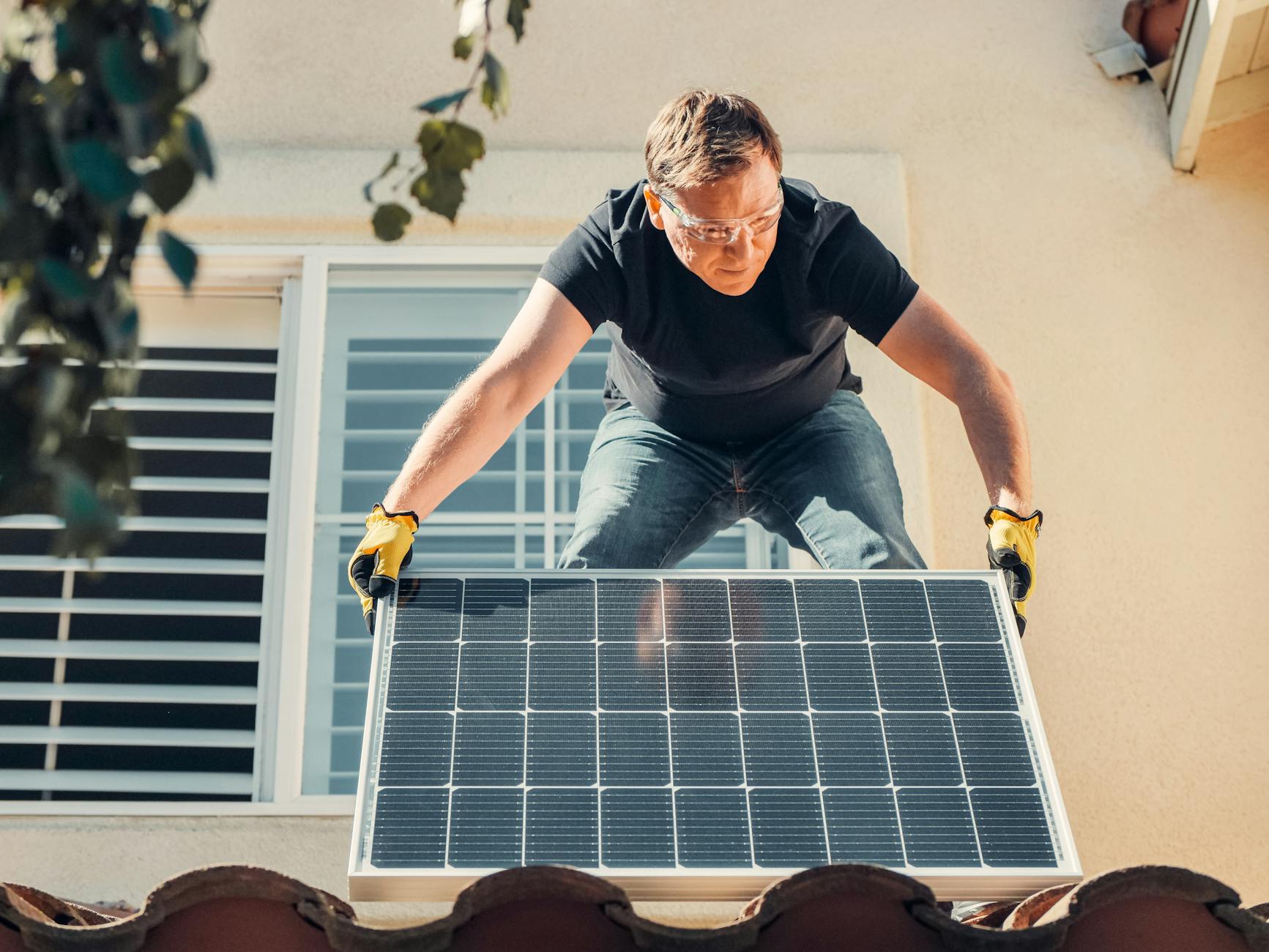
As U.S. electricity prices have climbed by about 30% since 2020, many households are seeking relief from surging utility bills. A groundbreaking solution, dubbed 'balcony solar,' is emerging to empower individuals to generate their own clean energy. These easy-to-install, lightweight solar panels offer a simple, plug-and-play way for renters and homeowners alike to cut costs and contribute to a greener future. This accessible technology is poised to democratize the clean energy transition, making sustainable power a reality for more people.
Power outages pose significant dangers, especially for people with disabilities who rely on electricity for crucial medical equipment, refrigeration of medicines, or mobility devices. Many lack emergency backup power due to cost and limited information, leaving them vulnerable during crises. In response, an Oregon-based nonprofit, Upstream Access, is stepping in by providing free, personalized solar-powered devices. This initiative offers a sustainable lifeline, ensuring people can stay safe and connected when extreme weather events disrupt the grid, highlighting the urgent need for resilient, clean energy solutions.