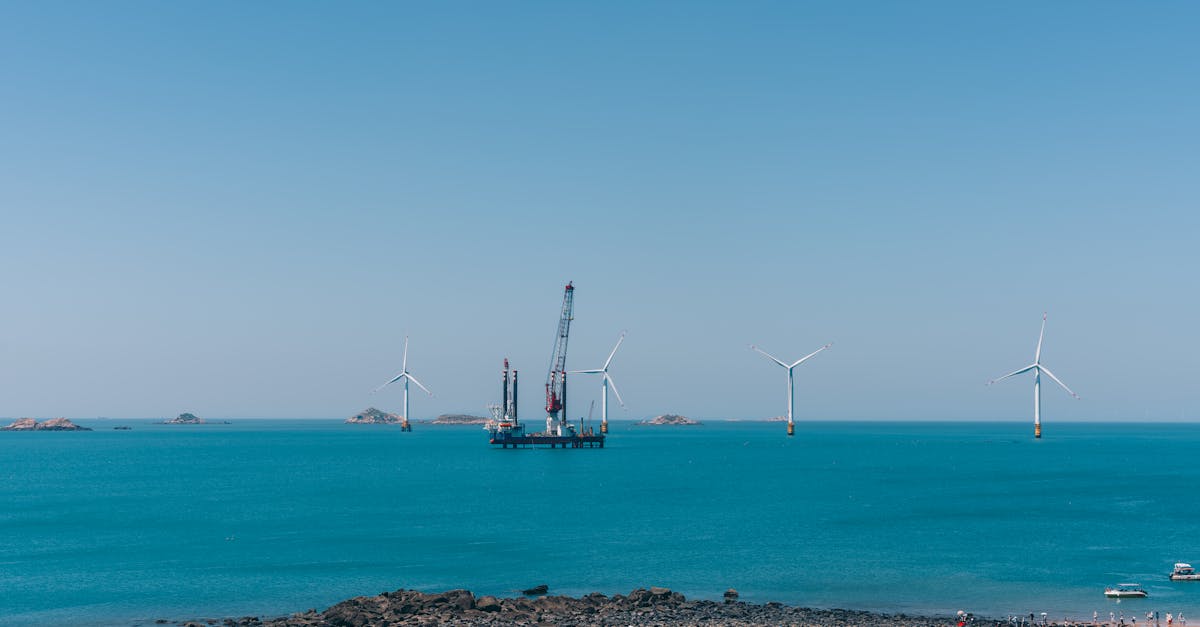
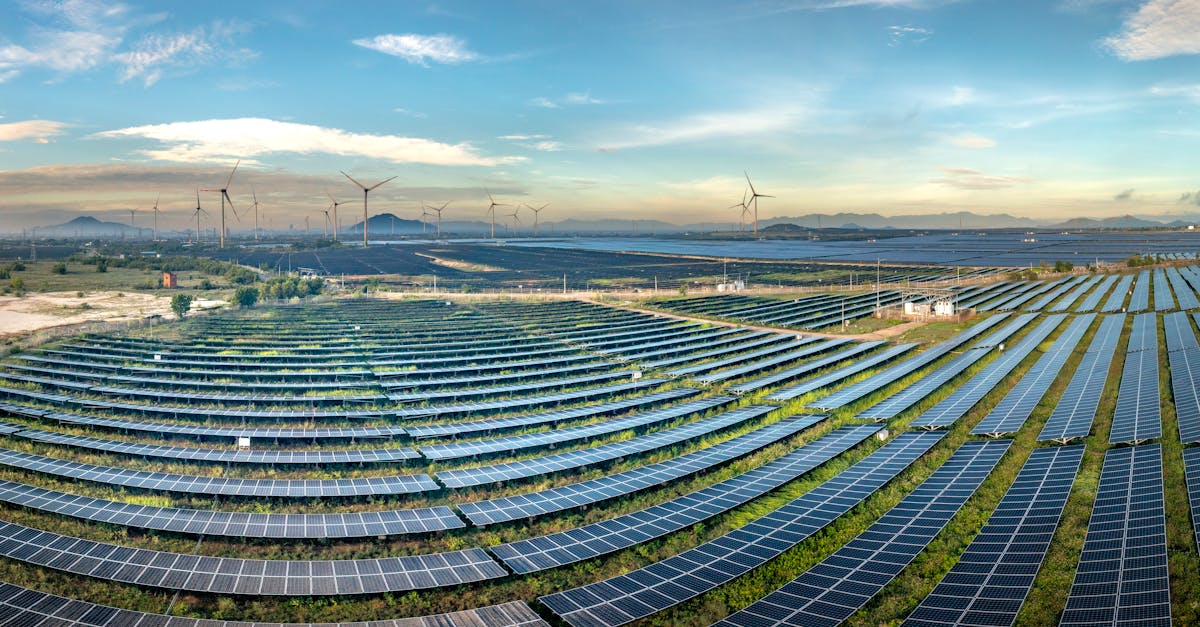
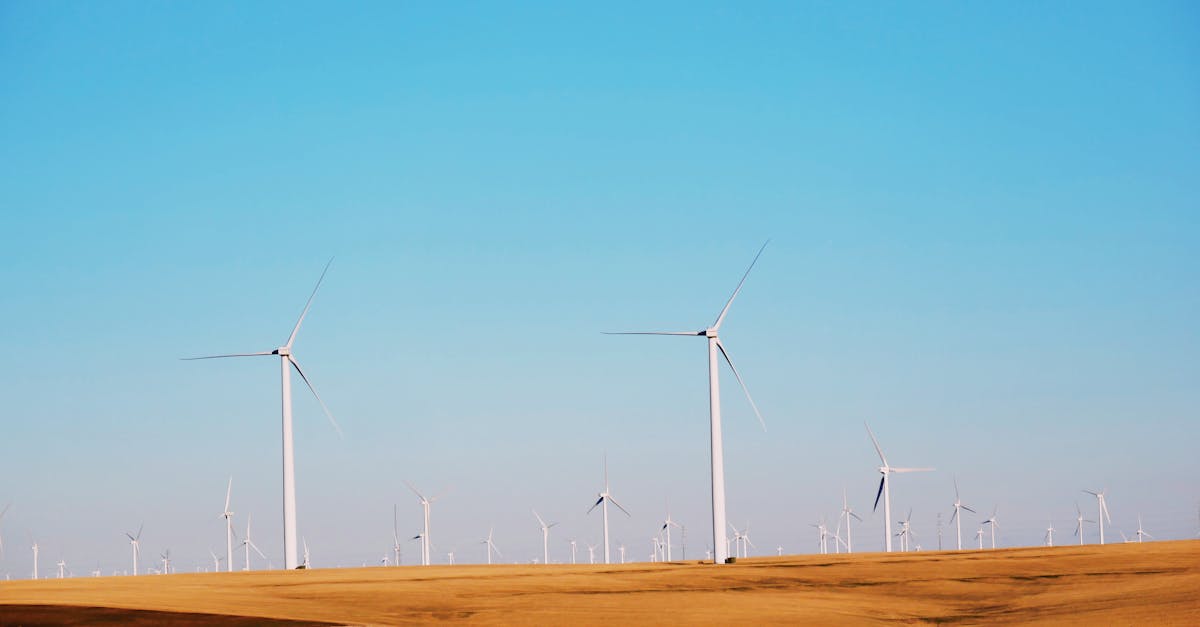
The United States is taking a stark U-turn on renewable energy, with the Trump administration canceling over $426 million in federal grants for a vital offshore wind project in California. This move signals a wider rollback of federal support for clean energy, hindering job creation and climate action. Meanwhile, across the Pacific, China has cemented its position as the global leader in renewables, building more solar capacity than the rest of the world combined and deriving significant economic growth from green technologies. This dramatic divergence puts China at the forefront of the international fight against global warming, raising critical questions about America's commitment to a sustainable future.
A new study highlights a surprising source of indoor air pollution: gas stoves. For many Americans, these common kitchen appliances are responsible for over half of their total exposure to nitrogen dioxide (NO2), a harmful toxin. NO2 can irritate airways, worsen respiratory illnesses like asthma, and contribute to outdoor smog, making this a significant public health concern. The research suggests that switching to electric cooking could considerably reduce this exposure and offers a clear path toward healthier homes and cleaner air for everyone. This discovery underscores the urgent need for sustainable household solutions.
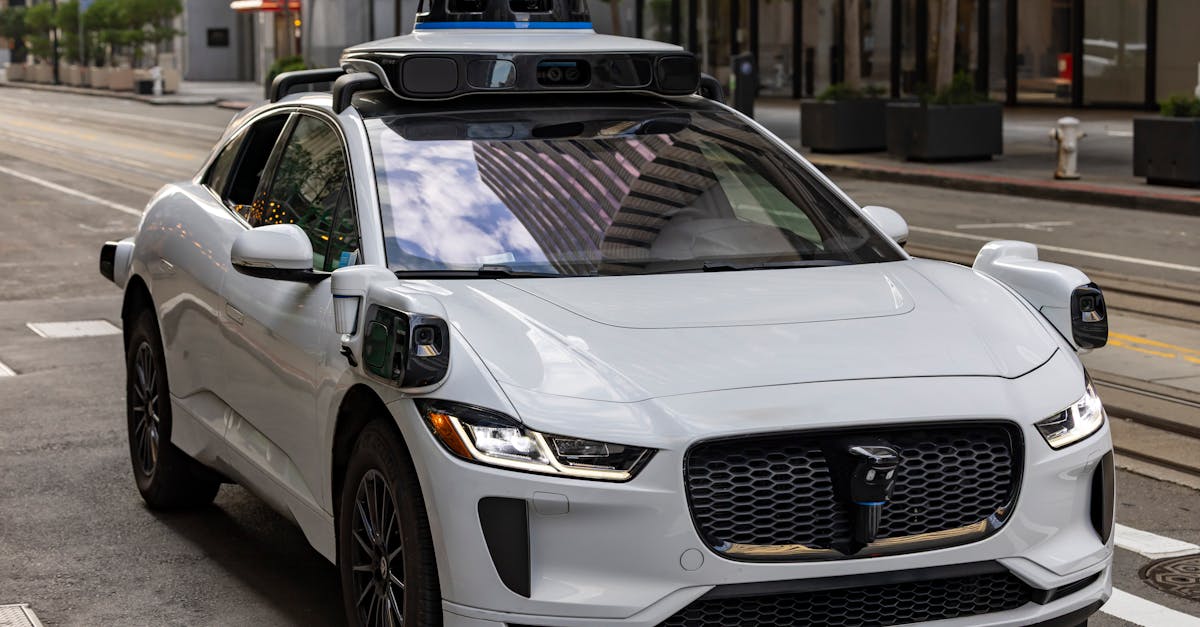
Waymo's driverless electric taxis are exploding across U.S. cities like Austin and Atlanta, with 14 million trips this year and plans for even more in 2026. These all-electric vehicles from Waymo, Zoox, and Tesla could swap out gas-guzzling rides, hitting transportation—the nation's top source of greenhouse gases. Studies show even modest EV adoption cuts air pollution and asthma visits, like a USC medical school report linking 20 zero-emission vehicles per 1,000 people to fewer ER trips. Yet experts warn of rising traffic and power demands that might offset gains amid urgent climate needs.
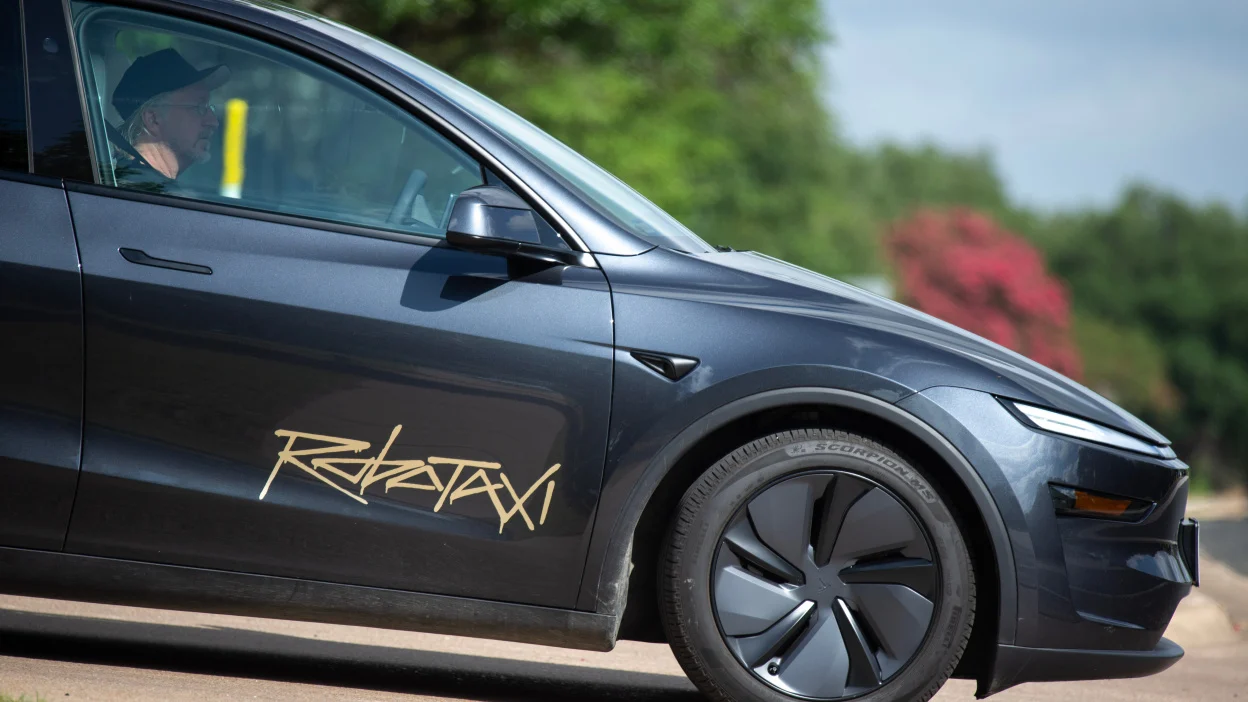
Elon Musk revealed at the xAI Hackathon that Tesla's Full Self-Driving (FSD) unsupervised capability is 'pretty much solved,' with Robotaxi safety monitors removing in weeks. A new model, an order of magnitude larger and boosted by reasoning and reinforcement learning, launches in January or February 2026. This pushes Tesla toward true autonomy, enhancing electric vehicles' appeal. FSD optimizes driving for efficiency, slashing energy use and emissions—key for fighting climate change and accelerating sustainable transport.
Lithium-ion batteries, commonly found in our phones and cars, are now revolutionizing global electricity grids. These massive battery systems store power when it's abundant and inexpensive, then release it during peak demand. This innovative approach helps stabilize our power supply, making it more reliable and reducing the need for costly traditional power plants. Once dismissed, this technology is now proving essential for our energy future, ensuring a more consistent and affordable power supply for everyone.
Tackling massive environmental issues can feel overwhelming, but hope is springing up in communities nationwide. The New York Times embarked on a mission to showcase a unique local solution from every U.S. state, proving that grassroots efforts are making a tangible difference. From restoring vital grasslands in South Dakota to harnessing clean geothermal energy in Texas, these innovative projects demonstrate a powerful commitment to sustainability. They highlight the urgent need for action and the incredible potential of localized strategies to protect our planet for future generations.
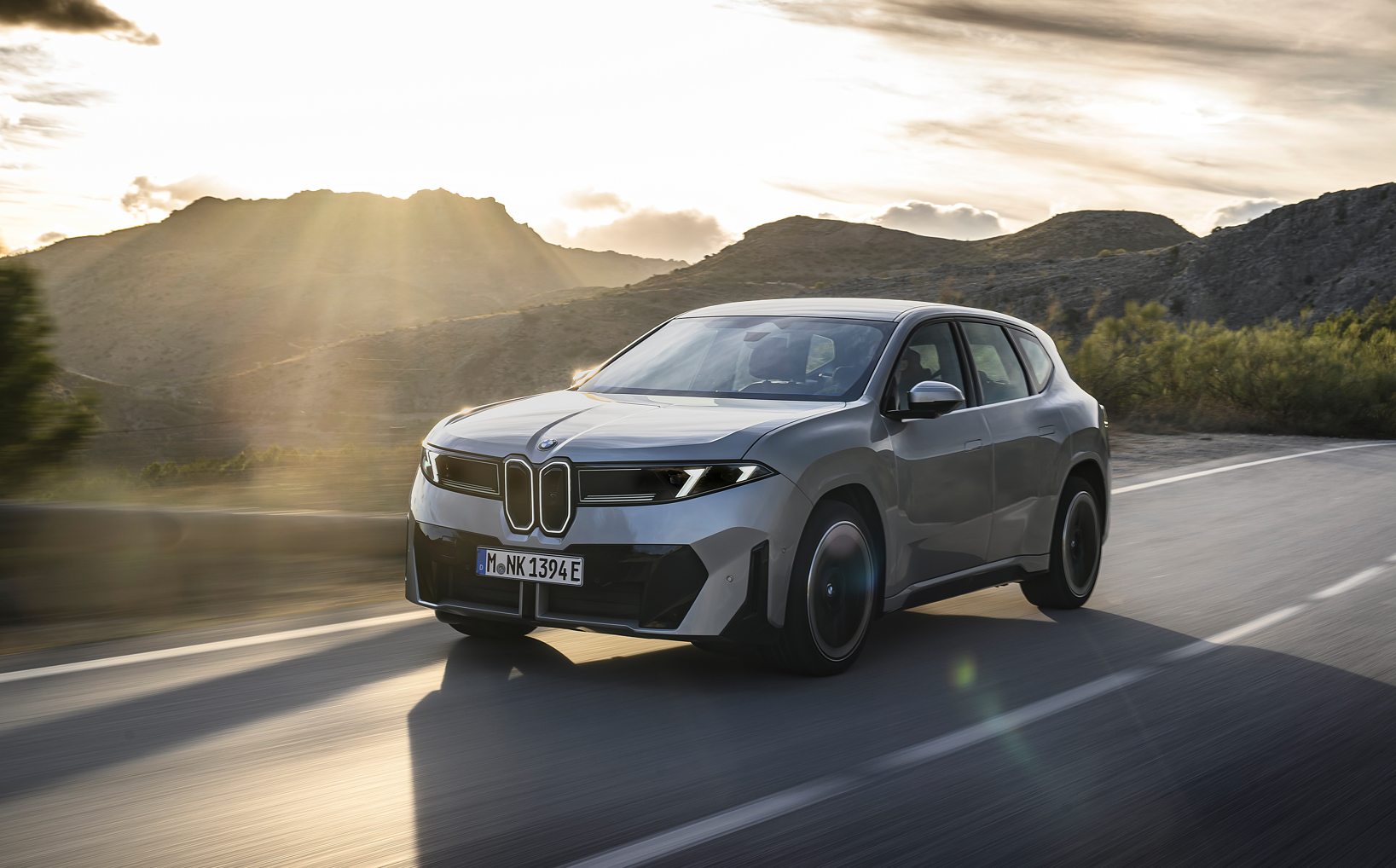
Globally, the electric vehicle (EV) market is rapidly expanding, with one-quarter of all new cars sold in 2025 being electric. This shift is vital for tackling climate change, as EVs significantly cut transportation emissions. However, the U.S. has seen its EV adoption plateau at just 10% of new sales since 2023. Countries like China and many in Europe are embracing this cleaner technology at a much faster pace, allowing China to lead in global auto exports and raising questions about future economic leadership. This divergence highlights a critical missed opportunity for climate action and economic growth in the U.S.
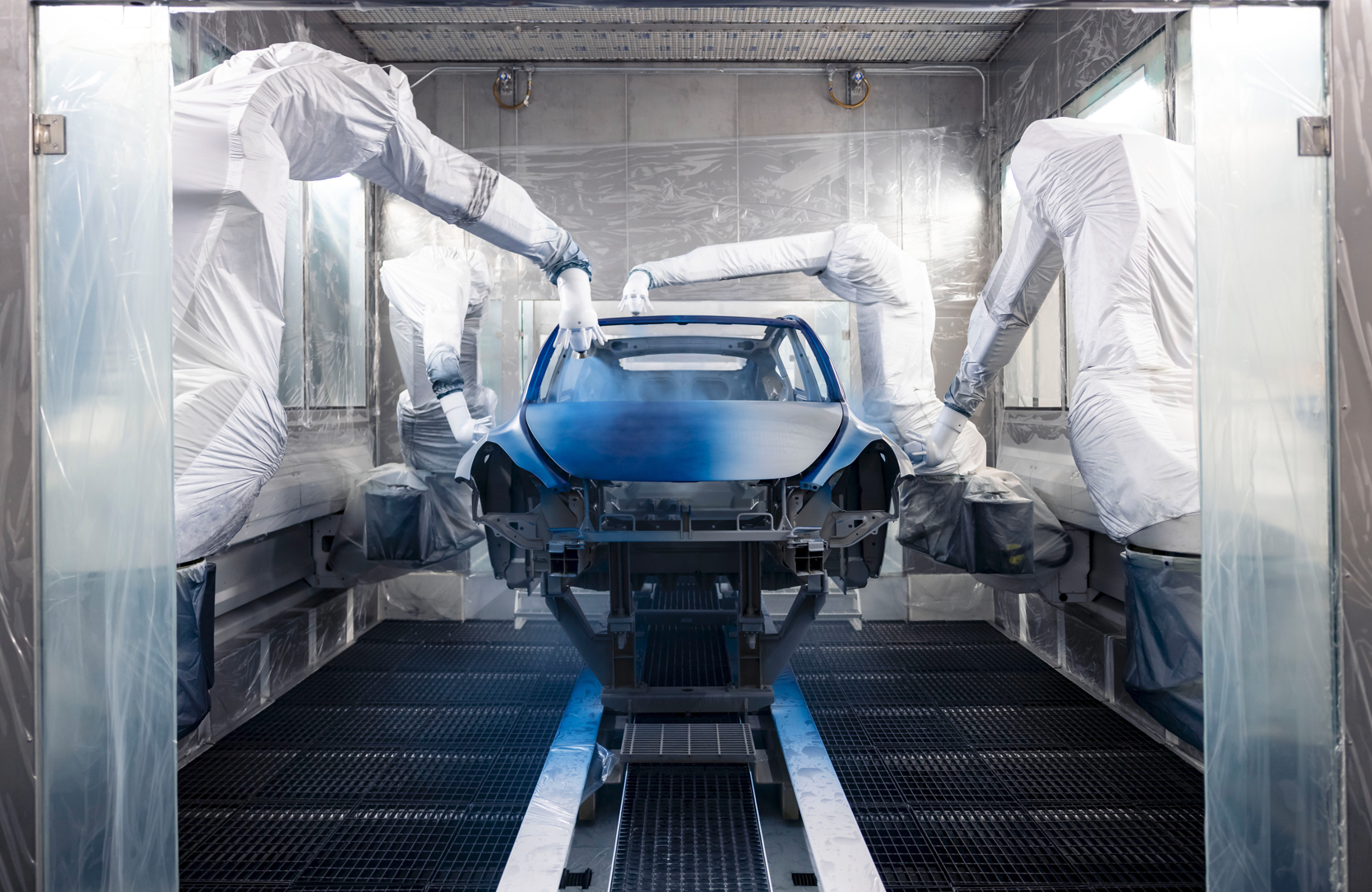
Tesla's Gigafactory Shanghai has reached an incredible milestone, producing its four millionth electric vehicle. This rapid achievement underscores the accelerating global shift towards sustainable transportation. Since beginning production in October 2019, the factory has become a powerhouse, churning out Model 3 and Model Y vehicles at an astonishing pace. This significant output is not just a commercial success; it's a vital contribution to electrifying transport and combating climate change on a massive scale. The plant's swift growth is a clear indicator of the world's urgent need for cleaner technologies.
Lithium prices are soaring, with a recent jump highlighting its vital role in electric vehicles and energy storage. After a period of oversupply, strong demand forecasts from EV and battery industries are driving this sharp rebound. This surge could see prices climb significantly by 2026, posing both challenges and opportunities for a world increasingly reliant on clean energy. Domestic projects, like Surge Battery Metals' Nevada operation, are becoming crucial for a stable supply.
The rapid expansion of artificial intelligence is creating a massive demand for energy, pushing existing power grids to their limits. This week, Nvidia CEO Jensen Huang dramatically highlighted nuclear power as the crucial solution for powering future AI data centers. His comments caused a significant surge in companies like Oklo, which is developing advanced microreactors. This shift underscores the growing recognition that stable, carbon-free energy sources like nuclear are essential to meet the exploding needs of AI sustainably and reduce its environmental footprint. Embracing clean power solutions is vital for our planet's future.
The European Commission has launched a massive €5.2 billion funding package to accelerate clean technology innovation. This significant investment, drawn from the EU Emissions Trading System, aims to drive Europe towards a low-carbon future by supporting net-zero projects, hydrogen production, and industrial heat decarbonization. It’s a crucial step in the urgent global effort to combat climate change, showing Europe’s strong commitment to transitioning to sustainable solutions and a greener economy.
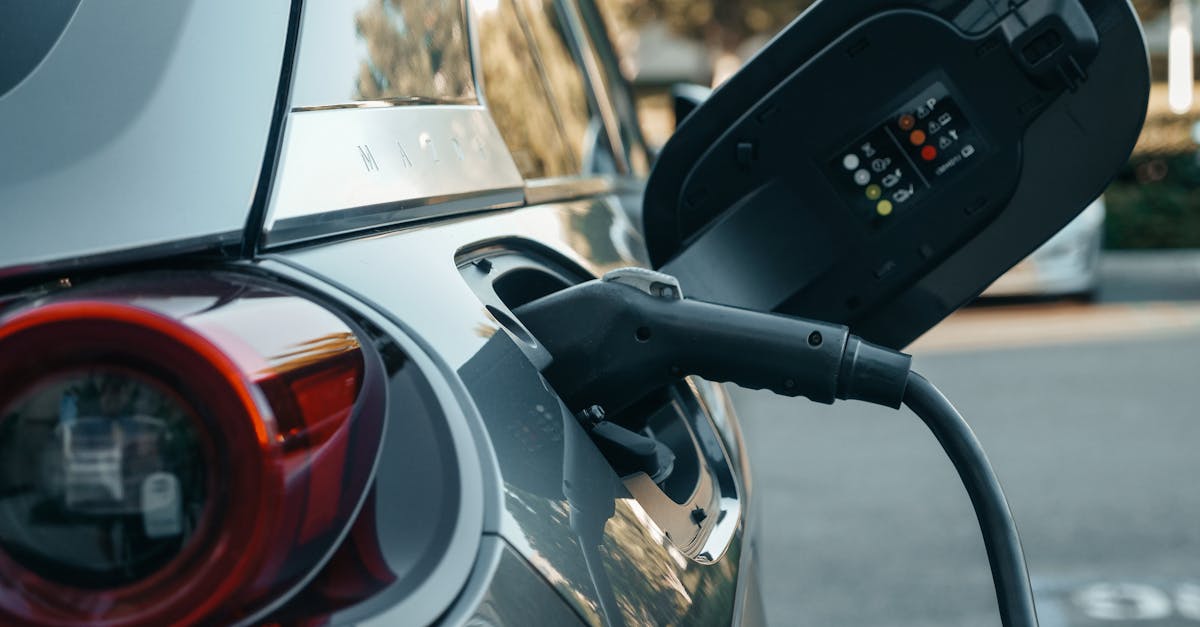
Recent reports reveal a dramatic plunge in U.S. electric vehicle sales, plummeting to less than half of previous record highs since federal tax credits expired in September. Automakers like Ford and Hyundai have witnessed significant drops in their EV unit sales. While these figures might seem concerning, industry analysts anticipated this market correction after legislation removed critical financial incentives over the summer. Despite the current dip, experts assure that the long-term outlook for EVs remains strong, driven by declining costs and inevitable technological improvements that promise a greener, more affordable driving future.