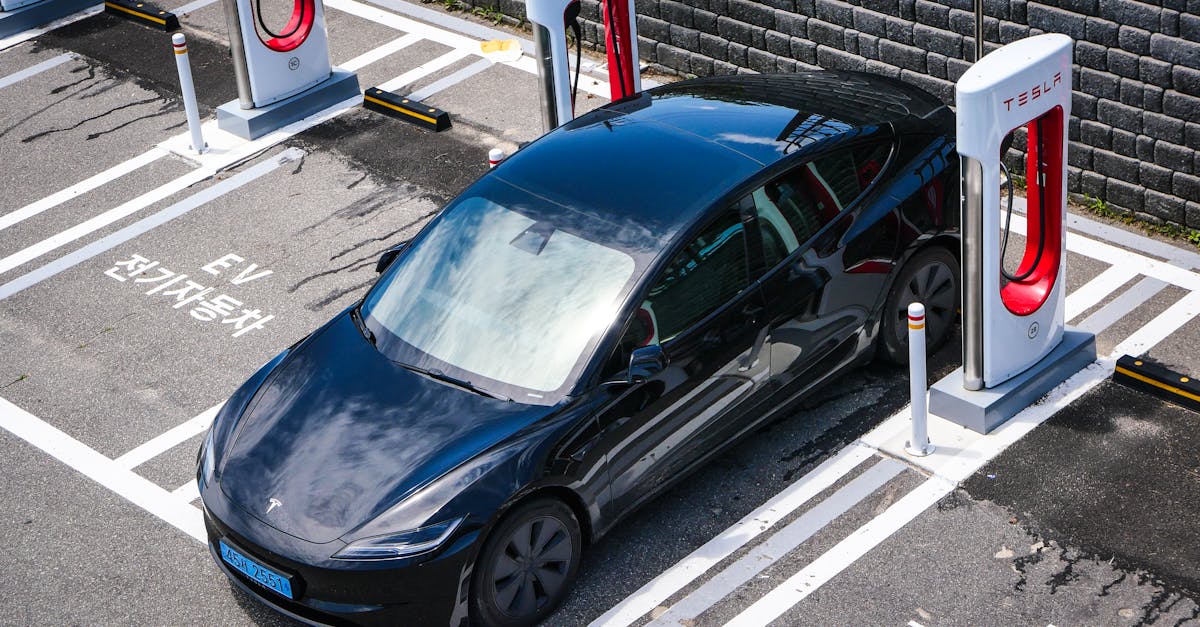
Tesla has made a significant leap in vehicle reliability, breaking into the Top 10 of Consumer Reports' 2026 rankings for the first time. Climbing from 27th place just a few years ago, this achievement highlights a major improvement for the electric vehicle manufacturer. Experts attribute Tesla's success to its strategy of continuously refining existing models and utilizing over-the-air software updates rather than frequent, large-scale design changes. This shift makes Tesla's electric cars a more trustworthy option for consumers.
General Motors CEO Mary Barra recently acknowledged that Tesla and its CEO, Elon Musk, deserve primary credit for igniting the widespread shift to electric vehicles. This statement comes years after President Joe Biden publicly lauded GM and Barra as the leaders of the EV revolution. Her candid remarks highlight a significant debate about who truly spearheaded the crucial transition in the automotive industry. The move toward electrification is transforming transportation globally, making accurate recognition of its pioneers vital.
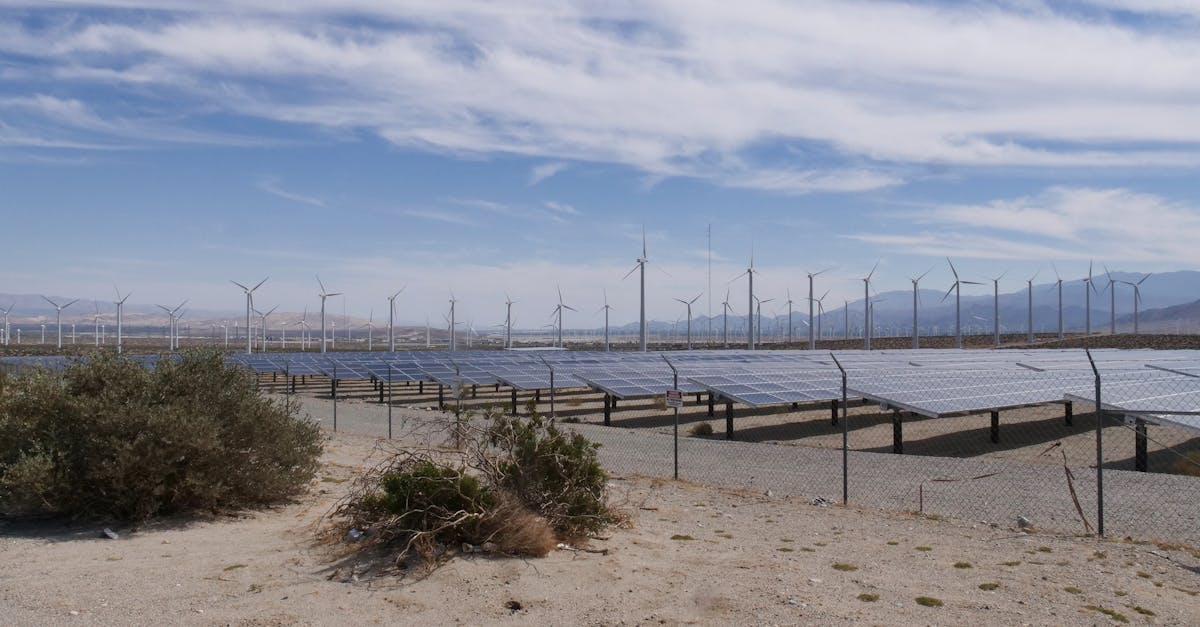
Los Angeles has officially stopped using coal-powered electricity from its last remaining source, the Intermountain generating station in Utah. This significant announcement from city officials marks a major step in the transition to a cleaner future. Mayor Karen Bass hailed it as a defining moment for Los Angeles, accelerating its commitment to achieve 100% clean energy by 2035. This move is crucial because burning coal for electricity is a leading cause of climate change, making LA's decision a powerful example for other cities globally. It’s about building an environmentally friendly economy that benefits everyone.
Stellantis Korea is making waves by allowing electric vehicle (EV) owners to convert their mileage into cash rewards through carbon credits. This groundbreaking initiative, a first in Korea, aims to incentivize EV adoption and offers a tangible financial benefit for clean driving. Partnering with Hooxi Partners, the company is turning environmental responsibility into a direct reward for consumers. This move provides a fresh approach to encouraging sustainable transportation and aligns with broader climate goals.
President Donald Trump is set to propose a significant rollback of vehicle mileage rules, loosening requirements for automakers to control pollution from gasoline-powered cars and trucks. This move would weaken fuel economy standards through the 2031 model year, reversing earlier Biden administration policies aimed at encouraging cleaner vehicles and electric car adoption. While major U.S. automakers are praising the changes, environmental groups warn the decision will exacerbate global warming and hinder the nation's progress in green technology. The weakening of these regulations stands to impact everything from air quality to consumer choice in the automotive market, making the climate crisis more urgent.
China has significantly strengthened its hold on the global electric vehicle (EV) battery market in 2025, with its top six manufacturers now controlling nearly 69% of all installations worldwide. New data from SNE Research reveals a booming market where global EV battery installations jumped over 35% compared to last year. This dominance by Chinese firms like CATL and BYD is reshaping the electrification landscape, underscoring their critical role in driving the world towards cleaner transportation. This shift highlights the growing importance of electric cars in reducing carbon emissions and offers a cleaner alternative to traditional fossil-fuel vehicles.
A recent investigation by watchdog Media Matters reveals that media companies owned by Rupert Murdoch, including Fox News and The Wall Street Journal, wrongly blamed clean energy mandates for soaring electricity bills in New Jersey. These outlets pointed fingers at green initiatives, but energy experts and state agencies say the real culprits are massive demand from data centers and slow grid connections for new power projects. This misinformation campaign, which Media Matters calls a "scapegoat" strategy, could impact how clean energy is perceived nationwide. The accurate understanding of these issues is crucial as states like New Jersey push for ambitious 100 percent clean electricity goals.
Legacy automakers appear to be repeating a past error by dismissing Tesla's Full Self-Driving (FSD) technology, much like they initially underestimated electric vehicles a decade ago. Despite Elon Musk's offers to license the advanced system, competitors are reluctant, preferring in-house development that lags far behind. This pattern of underestimation could lead to significant long-term setbacks, impacting market share, innovation, and crucially, future vehicle safety and affordability. The industry faces a critical choice that will define the future of driving.
The Trump administration has begun to significantly ease fuel economy standards for new vehicles, reversing previous efforts to promote cleaner cars. President Trump claims these changes will make cars more affordable for consumers by reducing "burdensome" regulations. However, research suggests that strong fuel efficiency standards actually save drivers money over time through lower fuel costs. This rollback signals a major shift away from electrification and environmental protection, potentially impacting both your wallet and the future of transportation. These decisions come amidst other moves to curb electric vehicle incentives and mandates.
Artificial intelligence is quickly transforming global energy, posing immense challenges and offering powerful solutions. The rapid expansion of AI data centers is projected to double global electricity demand by 2030, putting significant pressure on existing power grids. However, AI also stands as a critical tool, capable of boosting efficiency, reducing waste, and accelerating clean energy innovation across various sectors. The coming decade will be crucial for countries to balance AI's growing energy footprint with its potential to build a cleaner, more resilient energy future.
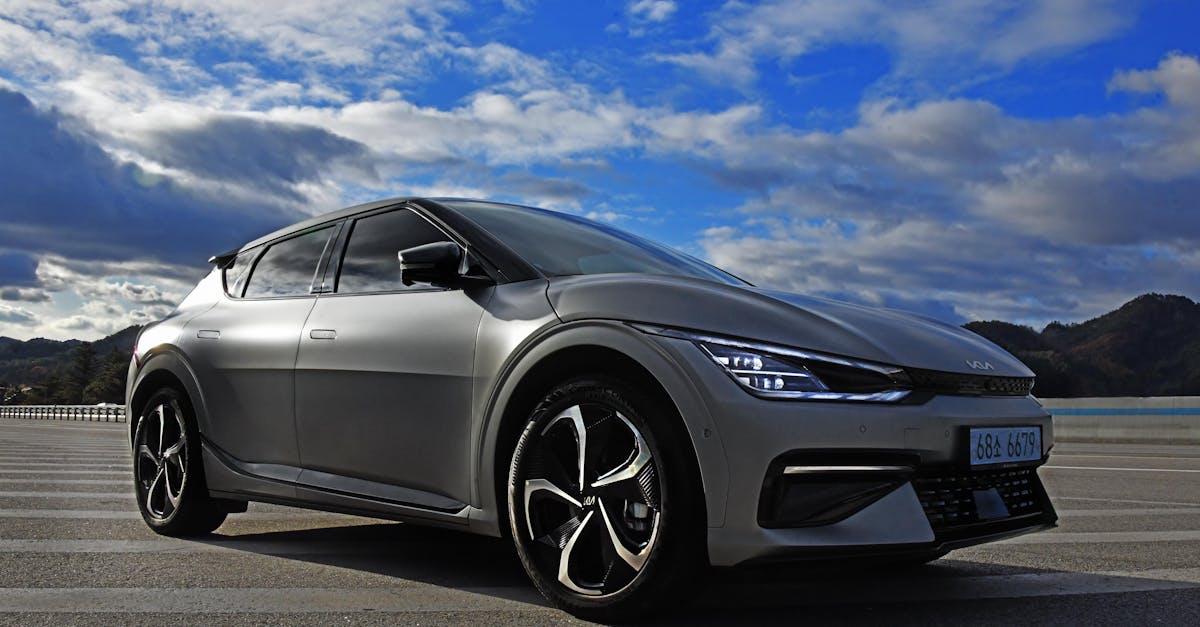
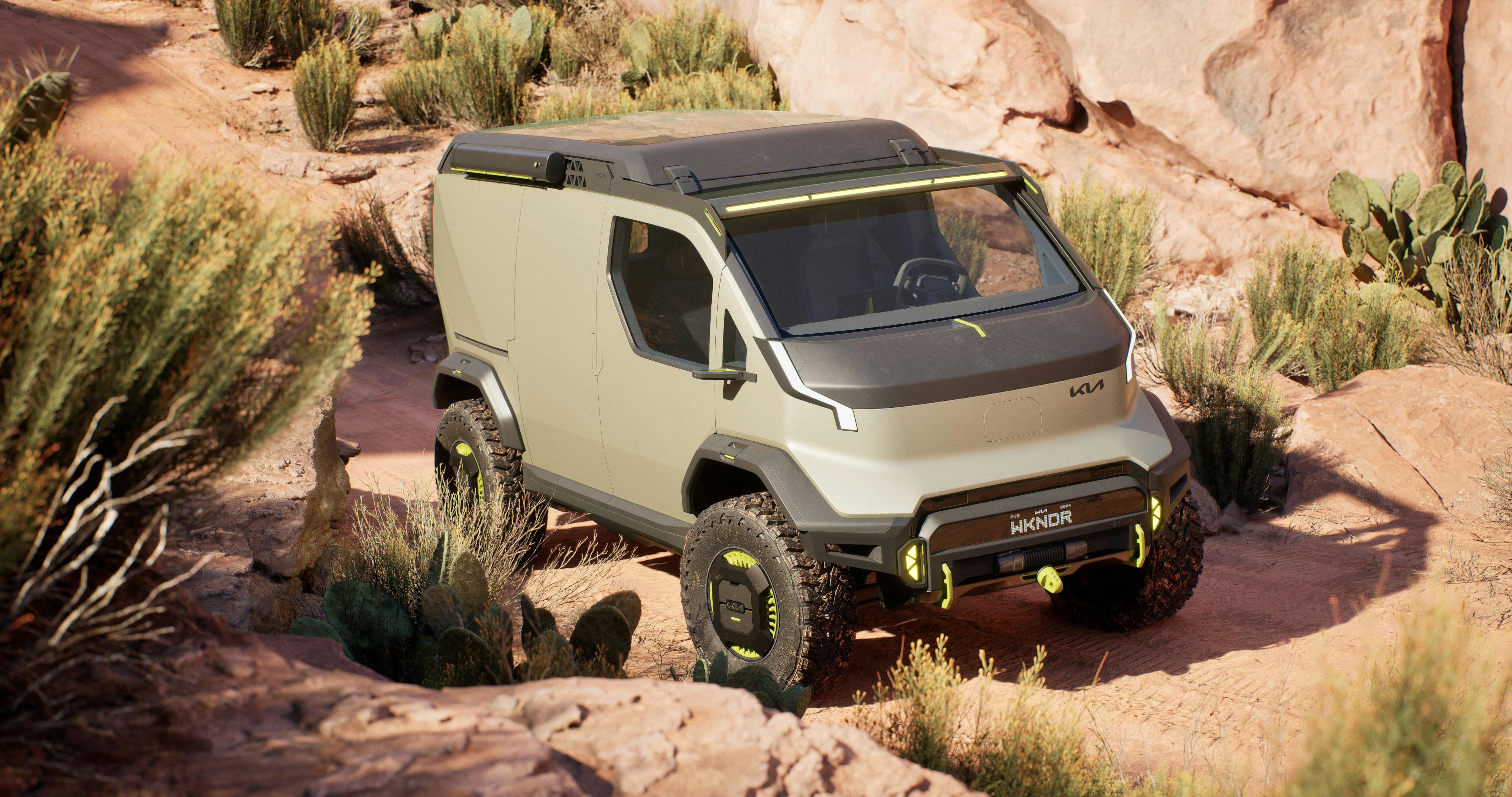
Kia has just unveiled its EV5 WKNDR concept, an exciting electric SUV designed for adventure. This rugged 'Weekender' variant boasts off-road tires, a lift kit, and a revamped interior, positioning it as a potential strong competitor to upcoming models like the Rivian R2. Revealed at the Guangzhou Auto Show, this vehicle could appeal greatly to American buyers seeking an electric car ready for the outdoors. However, despite its impressive looks and capabilities, its availability in the U.S. market remains uncertain due to import tariff concerns, though it is slated for Canada.
China is rapidly transforming its heavy transport sector, replacing diesel trucks with electric models at an unprecedented pace. This swift shift is not only a significant win for the climate and cleaner air but is also poised to dramatically reshape global fuel demand for diesel and liquefied natural gas (LNG). In just five years, battery-powered trucks now make up a substantial portion of new heavy truck sales, a trend expected to accelerate even further. This major transition in the world's second-largest trucking fleet highlights the growing viability of electric vehicles for heavy-duty transport and signals profound changes for international energy markets. It’s a powerful example of how quickly large-scale electrification can take hold.