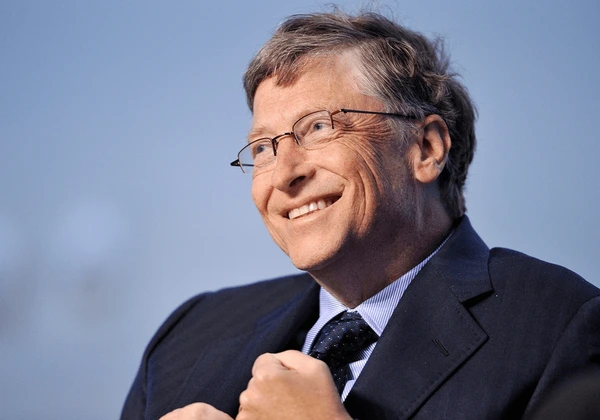
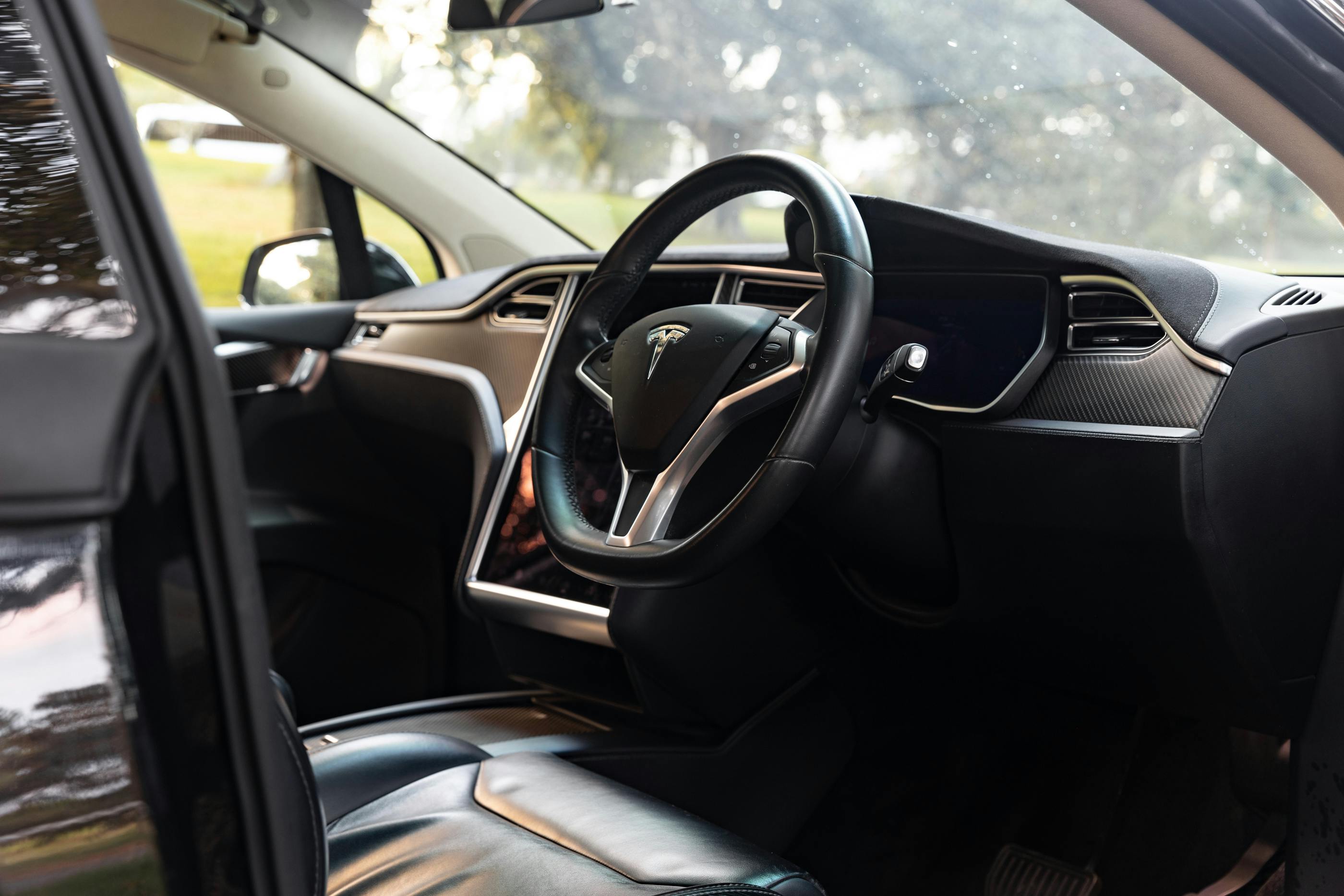
Tesla CEO Elon Musk has issued a stark "final warning" to Bill Gates, urging him to abandon his substantial short position against the electric vehicle manufacturer. This ultimatum reignites a long-standing feud rooted in Gates' reported $500 million bet on Tesla's failure, a move that has persisted despite the company's significant stock surge. The gravity of Musk's "or else" message is heightened by recent financial shifts within the Gates Foundation, demanding immediate attention to this high-stakes economic confrontation. Gates faces a critical decision with potentially severe repercussions if he fails to comply swiftly.
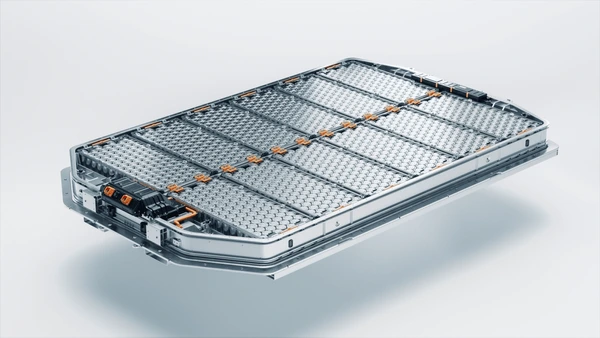
Surge Battery Metals (NILI) is making waves with its Nevada North Lithium Project, proving it can produce 99% pure lithium carbonate ideal for EV batteries. This breakthrough matters because battery makers demand ultra-clean lithium to boost safety, efficiency, and lifespan amid the EV boom. A new joint venture with Evolution Mining expands the project and funds key studies, positioning NILI as a top North American supplier. As LFP batteries surge in popularity, replacing pricey nickel and cobalt, high-purity lithium like NILI's becomes crucial for affordable mass-market EVs and energy storage.
The Dutch vehicle authority RDW has weighed in on Tesla's plans for Full Self-Driving (Supervised) in Europe, confirming a tentative February 2026 goal for regulatory compliance. However, the regulator made it clear that safety, not public enthusiasm, will dictate whether this advanced driving system receives authorization. They also directly addressed Tesla's social media request, asking the public to stop contacting them, as these messages overload customer service and hold no sway over the critical approval process. This decision highlights the stringent regulatory path for new automotive technologies entering the European market.
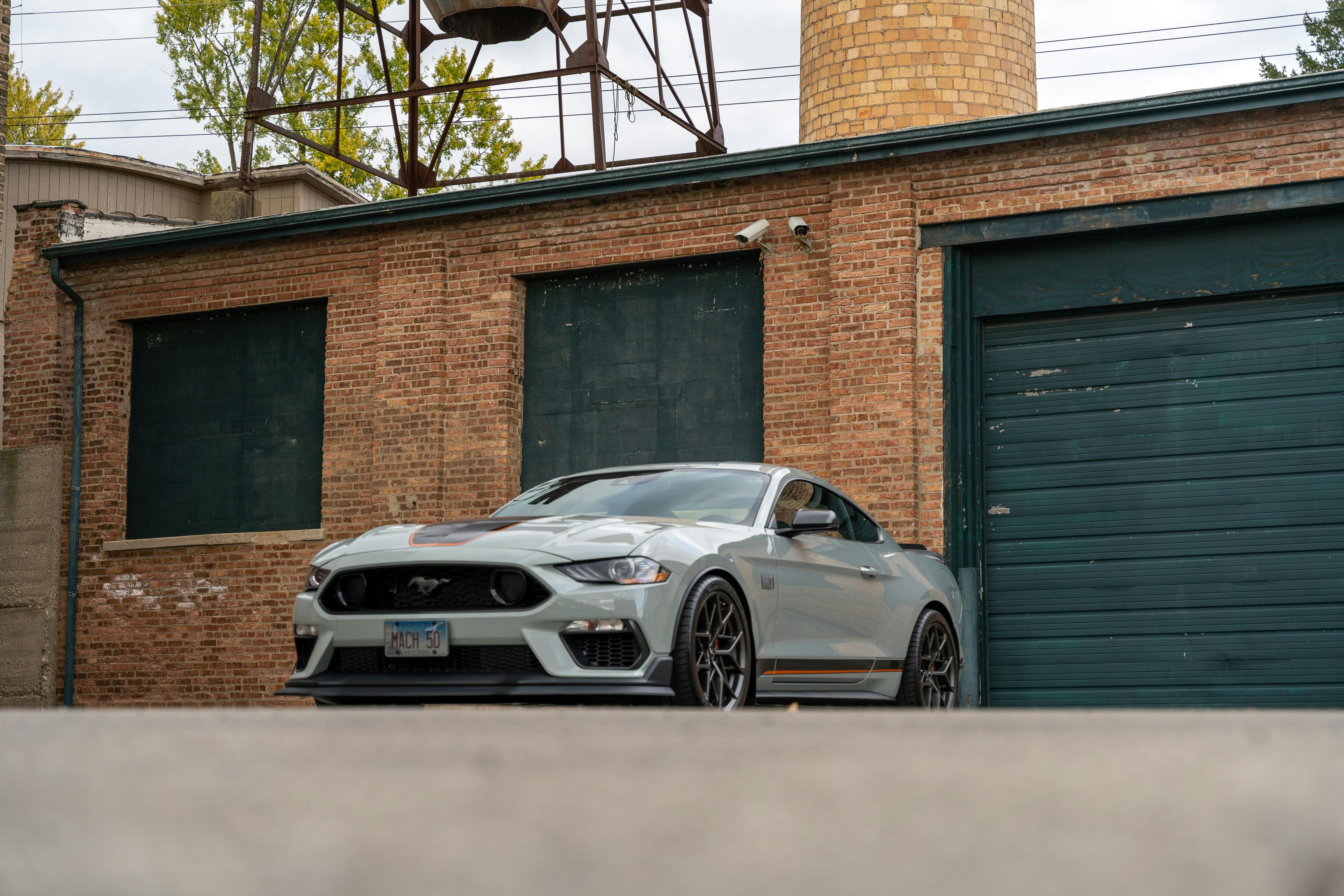
A Georgia nurse went viral after revealing that her 58,000 dollar Mustang Mach-E is now worth about 20,000 dollars. Many rushed to claim this proves electric cars are a financial trap. In reality, her loss comes from buying at the very peak of EV prices, rolling previous negative equity into the loan, and relying heavily on costly public fast charging. These factors would have created problems with a gasoline car as well.
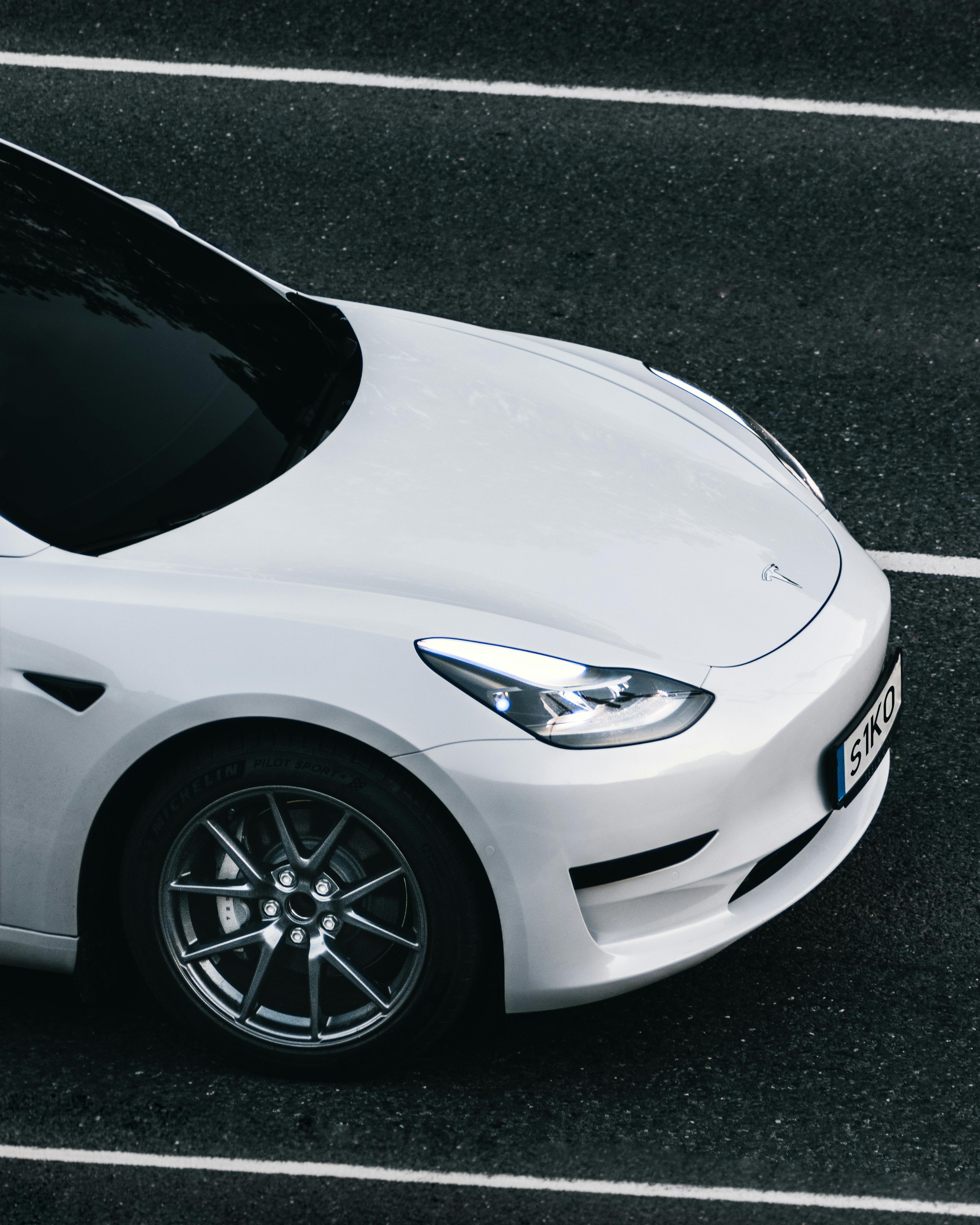
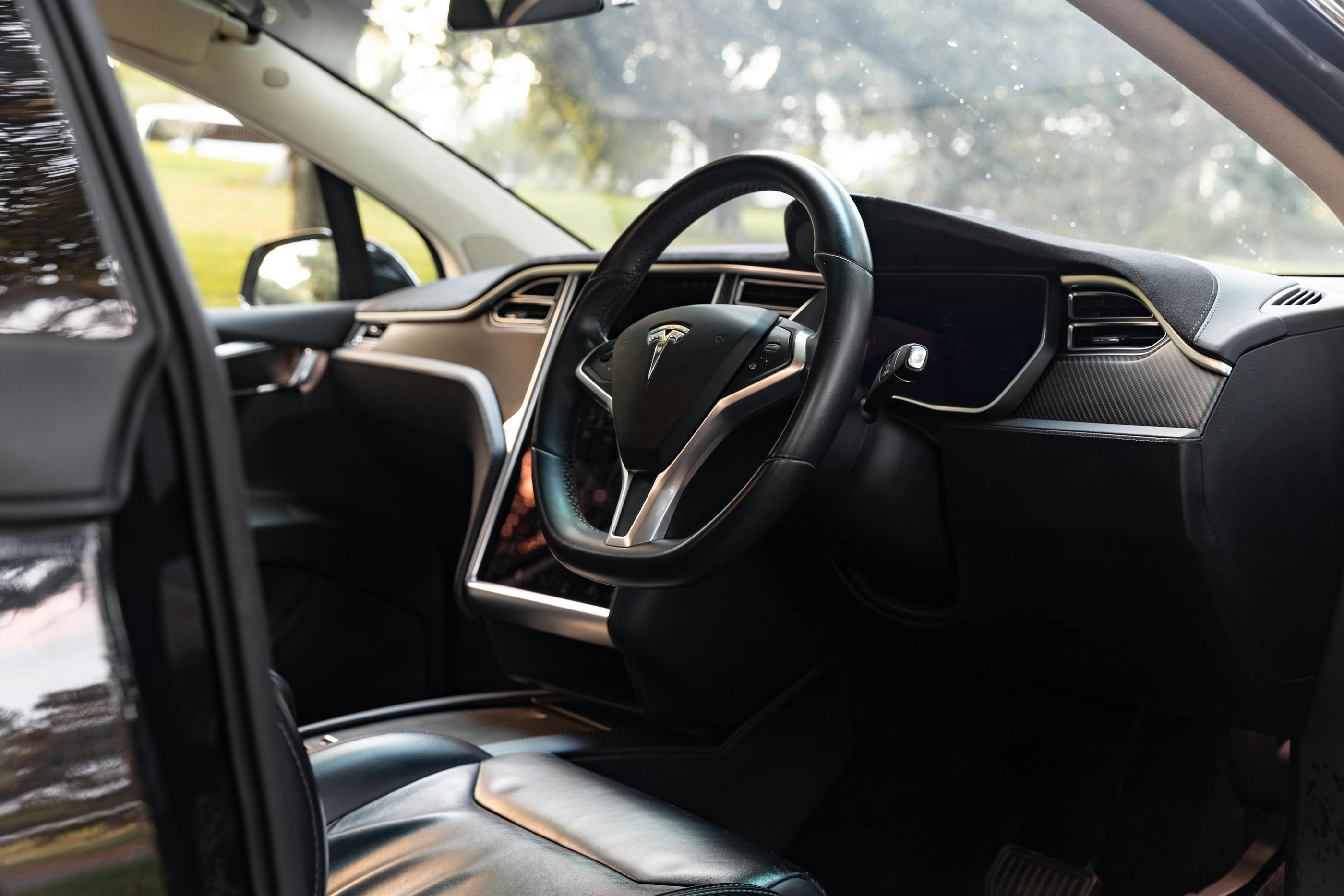
Tesla's Full Self-Driving (FSD) technology has just received a significant boost with the release of version 14.2 to its Early Access Program. This update brings noticeable improvements to the autonomous driving experience, addressing key user feedback from previous versions. Furthermore, this latest iteration marks a major milestone, as Tesla FSD is now expanding its reach to a seventh country: South Korea. This continued global rollout highlights the rapid evolution of self-driving capabilities and their potential to transform how we commute, making journeys smoother and more efficient for Tesla owners worldwide.
President Donald Trump’s policies targeting renewable energy are placing two-thirds of Texas’ future solar and battery storage projects in severe jeopardy. The Solar Energy Industries Association (SEIA) warns that over 22,500 megawatts of planned capacity could be stalled by 2027 due to federal permitting slowdowns and tax credit rollbacks. This urgent situation threatens to halt critical grid enhancements, raise electricity costs for Texas households by hundreds of dollars, and undermine the state's energy independence, just as demand from AI is exploding.
Google has secured a critical 15-year Power Purchase Agreement (PPA) with TotalEnergies, marking a significant stride towards its carbon-free energy goals for its Ohio data centers. This landmark deal, supplying 1.5 terawatt hours of renewable electricity from a new solar farm, arrives amidst an urgent surge in U.S. data center electricity demand, projected to skyrocket due to AI and cloud computing. The partnership aims to not only power Google's operations but also significantly contribute to local grid decarbonization, laying a vital foundation for a sustainable digital future. It underscores the critical need for rapid clean energy expansion to meet the insatiable demands of growing digital infrastructure.
German automaker Audi is making a bold move to boost sales in China with a new electric SUV concept, confusingly branded as AUDI. This large, battery-powered SUV, dubbed the E SUV, is designed specifically for the Chinese market through a partnership with local company SAIC. It signals a critical strategic shift for Audi, as it aims to recapture a share of one of the world's biggest and most competitive car markets. With impressive specs and a focus on local preferences, this new venture could be key to its future success InsideEVs.
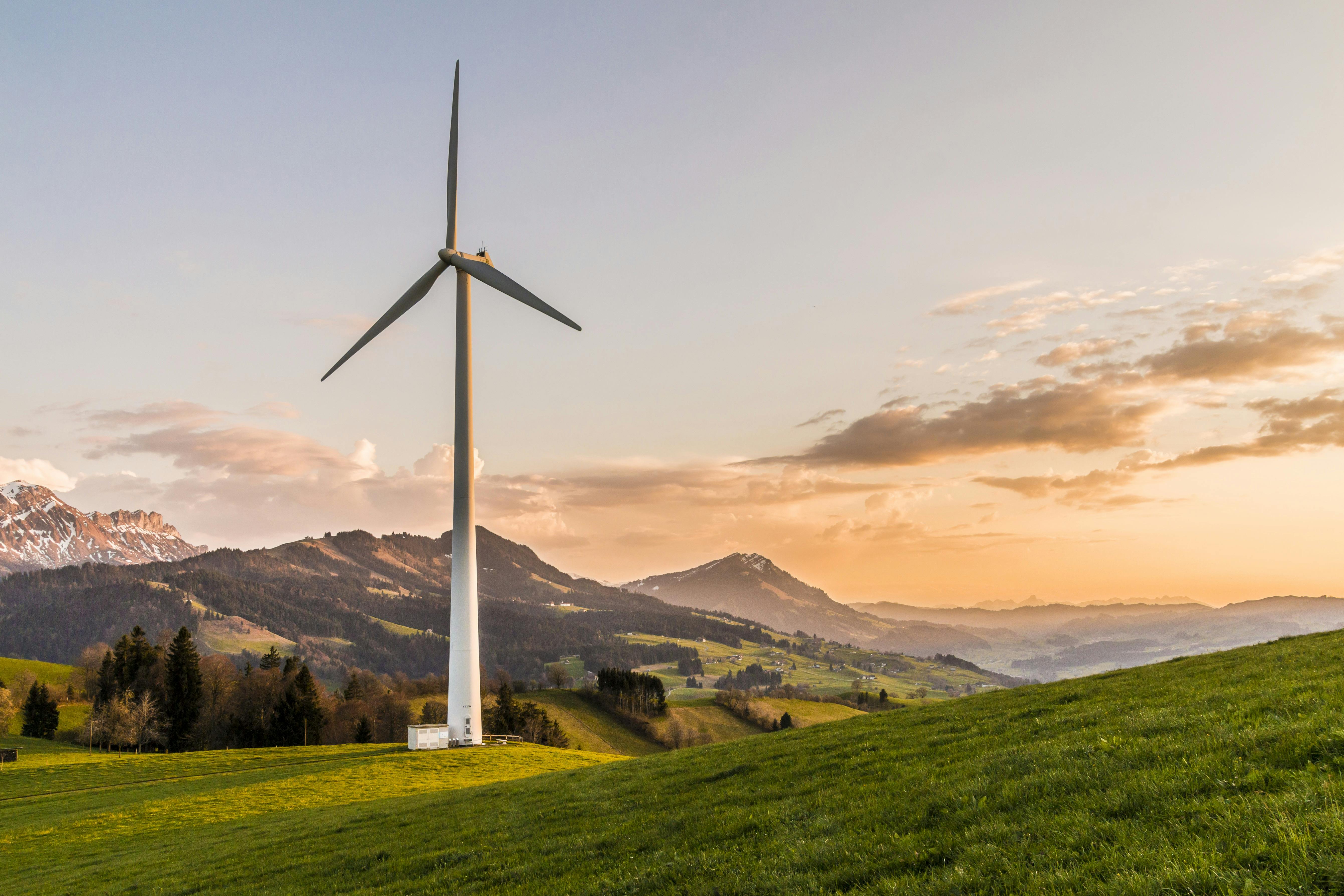
A stark new reality is emerging on the global energy stage, with the United States notably lagging in the rapid transition to renewable power. As the world convenes at significant climate conferences like COP30, data suggests that while other nations aggressively embrace the future of green energy, the U.S. risks being left behind. This delay has urgent implications, not only for environmental targets but also for economic competitiveness and global leadership. The pace of change elsewhere underscores a critical moment for American policy and innovation.
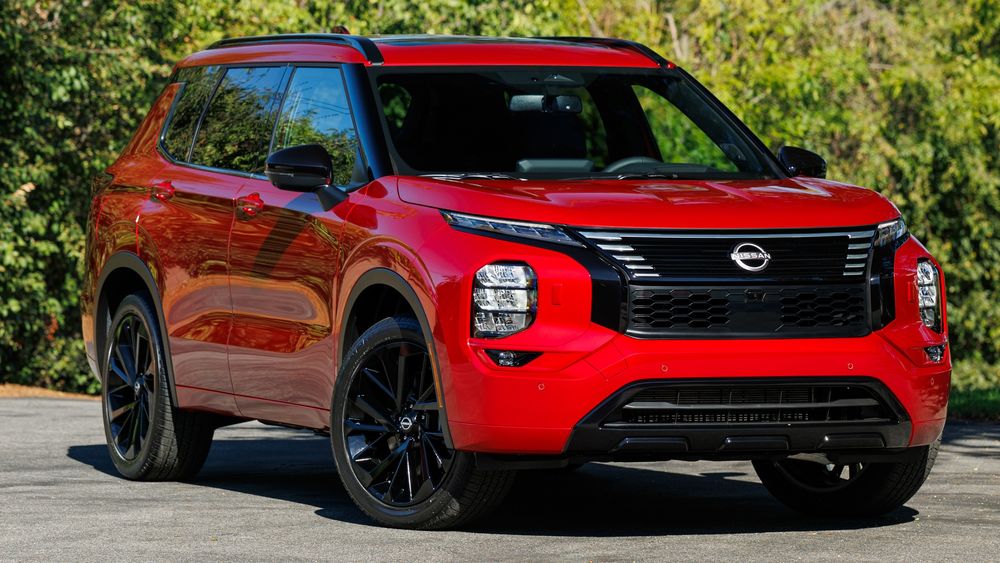
Nissan has officially launched its first-ever Plug-in Hybrid Electric Vehicle (PHEV) in the United States, the 2026 Rogue PHEV, marking a critical moment for the automaker. This new model, a rebadged version of the successful Mitsubishi Outlander PHEV, promises up to 38 miles of all-electric range. While leveraging a proven platform helps Nissan enter the competitive PHEV market, the vehicle’s debut is overshadowed by surprising omissions. Consumers and industry observers are questioning Nissan’s decision to exclude a larger battery and DC fast charging capabilities, features present in its European counterpart, raising concerns about its competitiveness in a rapidly evolving market.
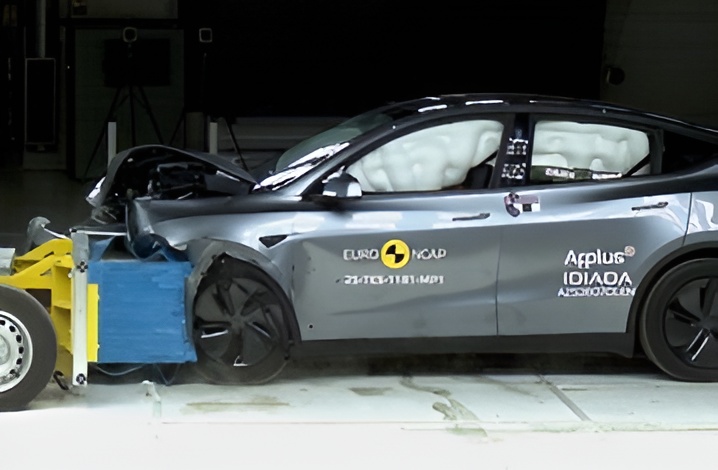
ClimateClicker has compiled a new ranking using every vehicle tested under Euro NCAP’s updated 2023 assessment protocol. By summing the four Euro NCAP category scores—Adult Occupant, Child Occupant, Vulnerable Road Users and Safety Assist. Tesla still sets the benchmark for crash protection and accident avoidance. Tesla Model Y ranks first with 362 points, followed by Model 3, smart #5, Leapmotor B10 and the Volvo EX90.
Tesla Chair Robyn Denholm has hailed a recent shareholder vote as an “overwhelming support” for the company's ambitious future, including the controversial approval of Elon Musk's trillion-dollar pay plan. In a direct letter to investors, Denholm framed this decision as a critical endorsement of Musk's leadership and Tesla's accelerating vision for an autonomous, AI-driven world. This pivotal vote, she stated, reaffirms confidence in Tesla's "Master Plan Part IV" and its mission to pioneer sustainable prosperity. The message underscores the urgent mandate given to Tesla to aggressively pursue its next phase of groundbreaking innovation, which is crucial for its long-term trajectory.