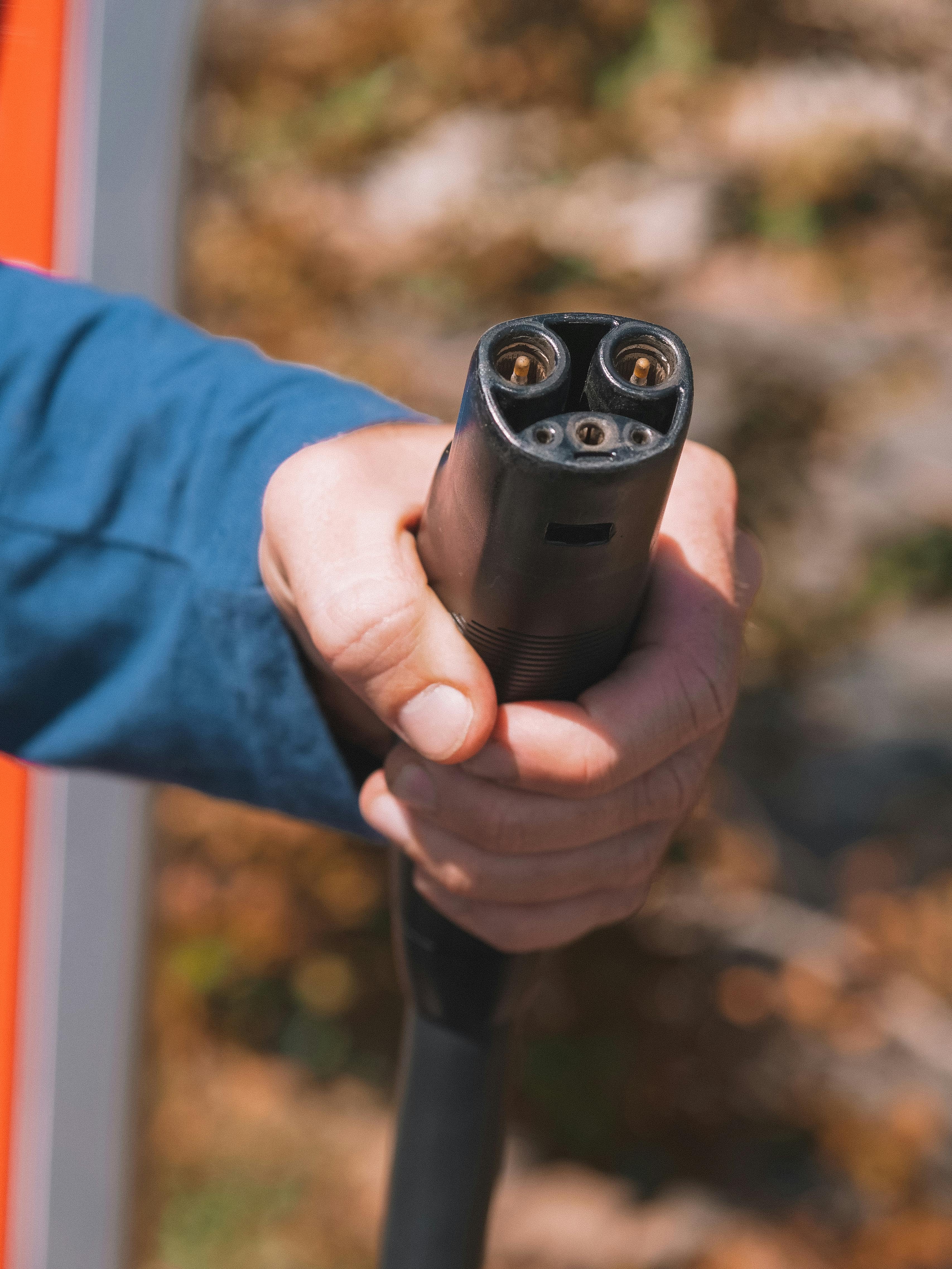
The global race for electric vehicles and renewable energy storage faces a critical bottleneck: the urgent need for ultra-pure, battery-grade lithium. 'Surge Battery Metals' is rapidly emerging as a key player, having demonstrated the ability to produce 99.9% pure lithium carbonate from its Nevada North Lithium Project. This unprecedented purity is vital for advanced EV chemistries, including the rapidly expanding LFP battery market, which now accounts for nearly 50% of global EV battery chemistry. The urgency to secure such high-purity supply has never been greater as the industry pivots to more demanding battery technologies.
Over 500 California middle schoolers converged at the Future Green Leaders Summit to tackle the urgent challenges of climate change and envision a sustainable future. The day-long event, held in San Bernardino, aimed to empower students from historically underrepresented communities by exposing them to diverse green career paths. Organizers highlighted a critical disconnect: while these communities are most vulnerable to environmental impacts, they are least represented in green industries, where the U.S. solar workforce remains predominantly white and male. This summit sought to inspire a new generation, providing tools and hope to combat the widespread eco-anxiety impacting young people and kickstart vital change.
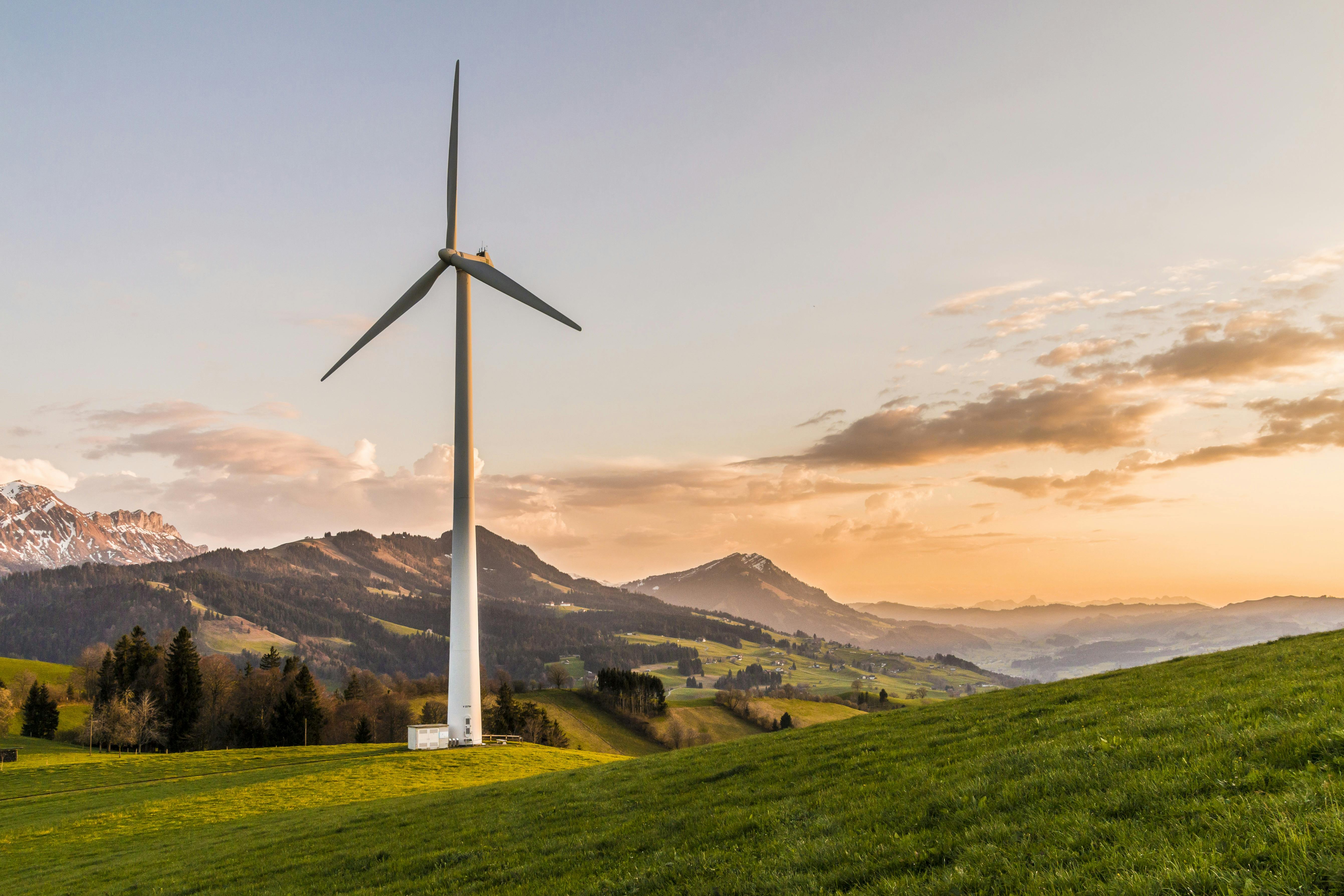
For the first time on record, renewable sources produced more electricity than coal in the first half of 2025, a milestone highlighted by Ember’s mid-year analysis and corroborated by independent coverage from Reuters. The gains were driven largely by solar and wind growth in China and India, which more than covered global demand increases. Yet progress isn’t uniform: the IEA’s new outlook trims its global forecast and cuts the U.S. growth projection by nearly half amid policy rollbacks. The result is a split-screen picture—renewables advancing worldwide while key Western markets wobble—suggesting a fragile but real turning point. For context, see New York Times coverage.
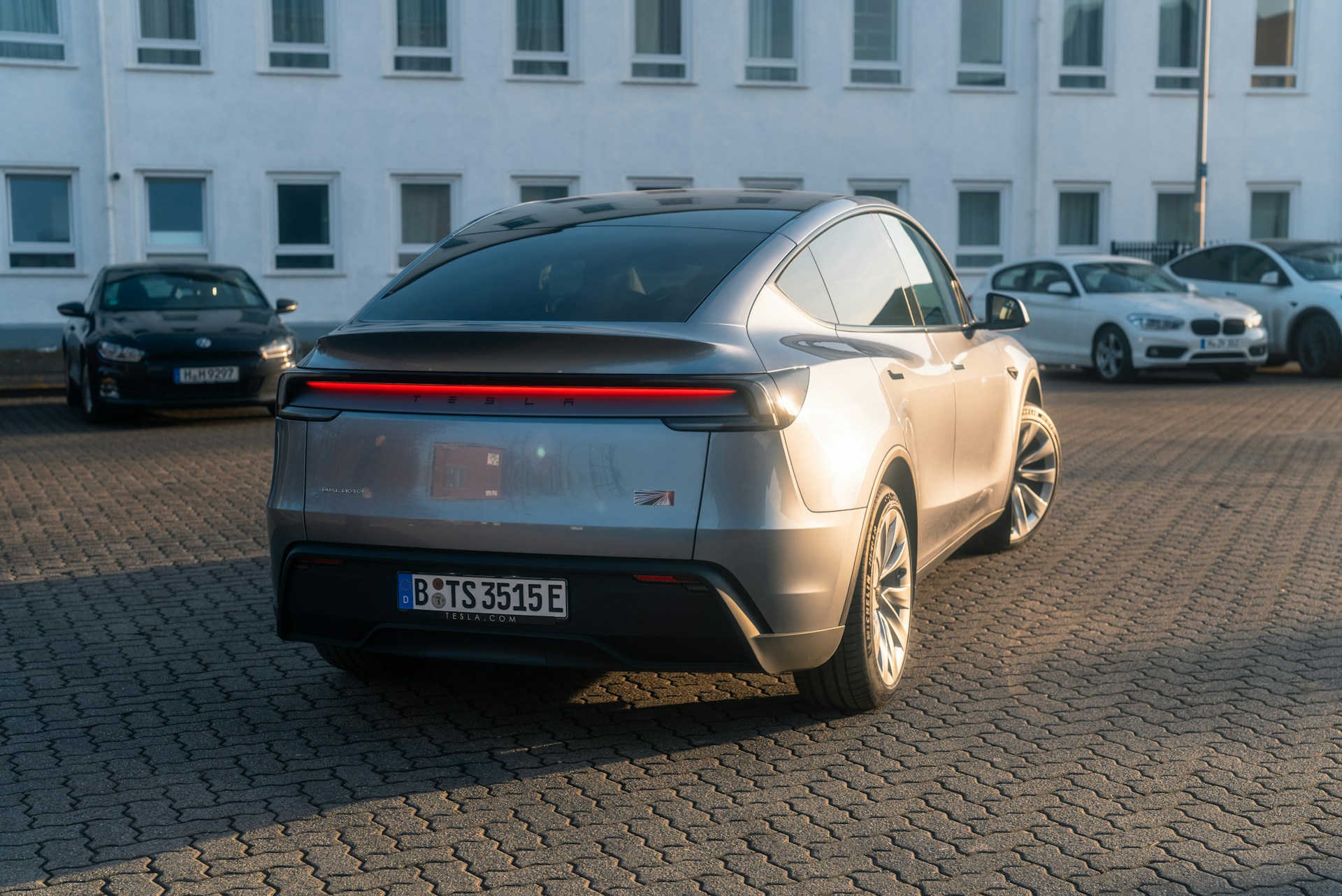
A new report suggests Tesla is preparing a cheaper Model Y variant, codenamed “E41,” after firmware references surfaced online. The leak, amplified by well-known hacker Greentheonly, points to cost-cutting changes such as a metal roof instead of glass, fewer convenience features, and simpler interior hardware, with both RWD and AWD options still expected. If accurate, a lower entry price for the world’s best-selling car of 2023 could speed up the shift from gasoline to electric and meaningfully cut transport emissions. Independent research shows battery-electric cars already have far lower life-cycle emissions than gasoline vehicles, so broadening access could deliver sizable climate gains. The usual caveat applies: firmware clues aren’t final specs.
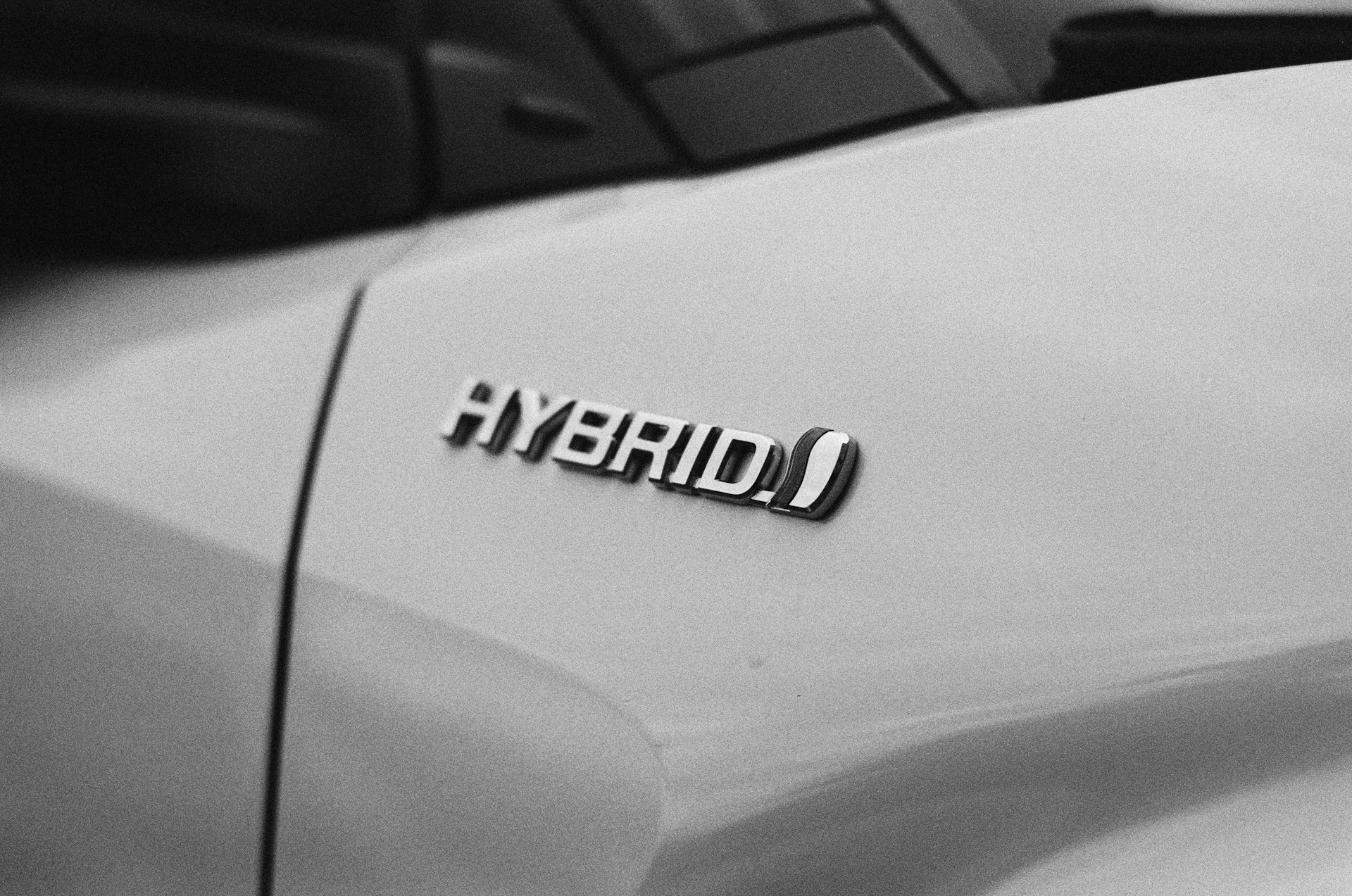
A growing chorus in the fleet world warns that plug-in hybrids aren’t a bridge to cleaner transport but a detour. Critics argue that when drivers don’t actually plug them in, the extra battery turns into dead weight, pushing fuel use and emissions up instead of down. The problem is especially glaring in highly marketed dual-cab utes that look tough but arrive without work-ready cab-chassis options. The alternative, they say, is to stop hedging and accelerate to full battery-electric fleets—paired with proper home, depot and workplace charging, data-driven oversight, and staff training. Otherwise, companies risk spending scarce budgets on hardware that flatters sustainability dashboards while delaying real progress. In a new analysis, PHEVs are cast as a “Trojan horse” that lets fossil dependence sneak back into fleets under a green badge.
Europe’s push for HVO100 diesel leans heavily on used cooking oil (UCO), but new evidence shows demand now dwarfs sustainable supply and imports dominate the market. A new analysis finds Europe’s UCO appetite far exceeds what can be sustainably collected. In 2023, Europe burned close to seven million tonnes of UCO-based biofuels—around eight times what it actually collected domestically—driving a surge of shipments from China, Indonesia and Malaysia and sparking fraud suspicions and anti-dumping probes. With airlines and shipping joining the queue, cheap “waste” oil is scarce, costly to verify, and vulnerable to mislabeling with virgin palm, undermining climate claims. Add in the PFAD (palm fatty acid distillate) controversy—classified as a by-/co-product rather than a waste in the Nordics—and the climate math for HVO100 looks shaky when indirect land-use change and offshored emissions are counted. Europe’s own investigators and auditors have started to push back.
Biogas and biomethane are often billed as cleaner stand-ins for fossil gas, but a sweeping analysis suggests their methane leaks are bigger than many think. By pooling on-site and whole-site measurements from dozens of studies and running Monte Carlo simulations, researchers find that real-world emissions could be more than double earlier estimates. The heaviest losses cluster at the digestate stage—the handling and storage of leftover material after digestion—while a small group of “super-emitters” (about 5% of sites) accounts for roughly 62% of total methane released. Although total methane from biogas/biomethane is lower than from oil and natural gas, the percentage of gas lost is higher, threatening climate gains unless targeted fixes are deployed.
A summer-long remote-sensing campaign in Paris measured exhaust from more than 180,000 vehicles and uncovered stark gaps between lab promises and street reality. Petrol cars’ NOx fell steadily with each Euro standard, but diesel cars showed little improvement from Euro 2–5 and only modest gains at Euro 6—still averaging 4.8× the NOx of Euro 6 petrol and roughly 6× the lab limit. Heat mattered: Euro 5–6 diesel NOx rose 20–30% when ambient temperatures topped 30°C. Euro 5–6 diesels, though classed as Crit’Air 2, accounted for an estimated 63% of passenger-car NOx at the sites. Euro VI buses cut NOx sharply vs. Euro V, and early Euro 6d-TEMP diesels lowered NOx about 70% vs. earlier Euro 6 but still trailed petrol.
Norway has become the first country where more all-electric cars are on the road than petrol models, a symbolic tipping point in its decades-long push to electrify transport. New figures show 754,303 battery-electric cars versus 753,905 petrol cars among 2.8 million private vehicles, with diesel still the single largest category for now, as first reported by AFP via France 24 Electric cars overtake petrol models in Norway. Momentum is accelerating: in August 2024, zero-emission cars captured a record 94.3% of new registrations, according to Norway’s road federation Bilsalget i august 2024. Analysts credit generous, long-running incentives and a power system dominated by hydropower—roughly 89% of generation—reducing running costs and emissions Norway electricity mix. With policies intact, EVs are expected to surpass diesel on the road within the next few years.
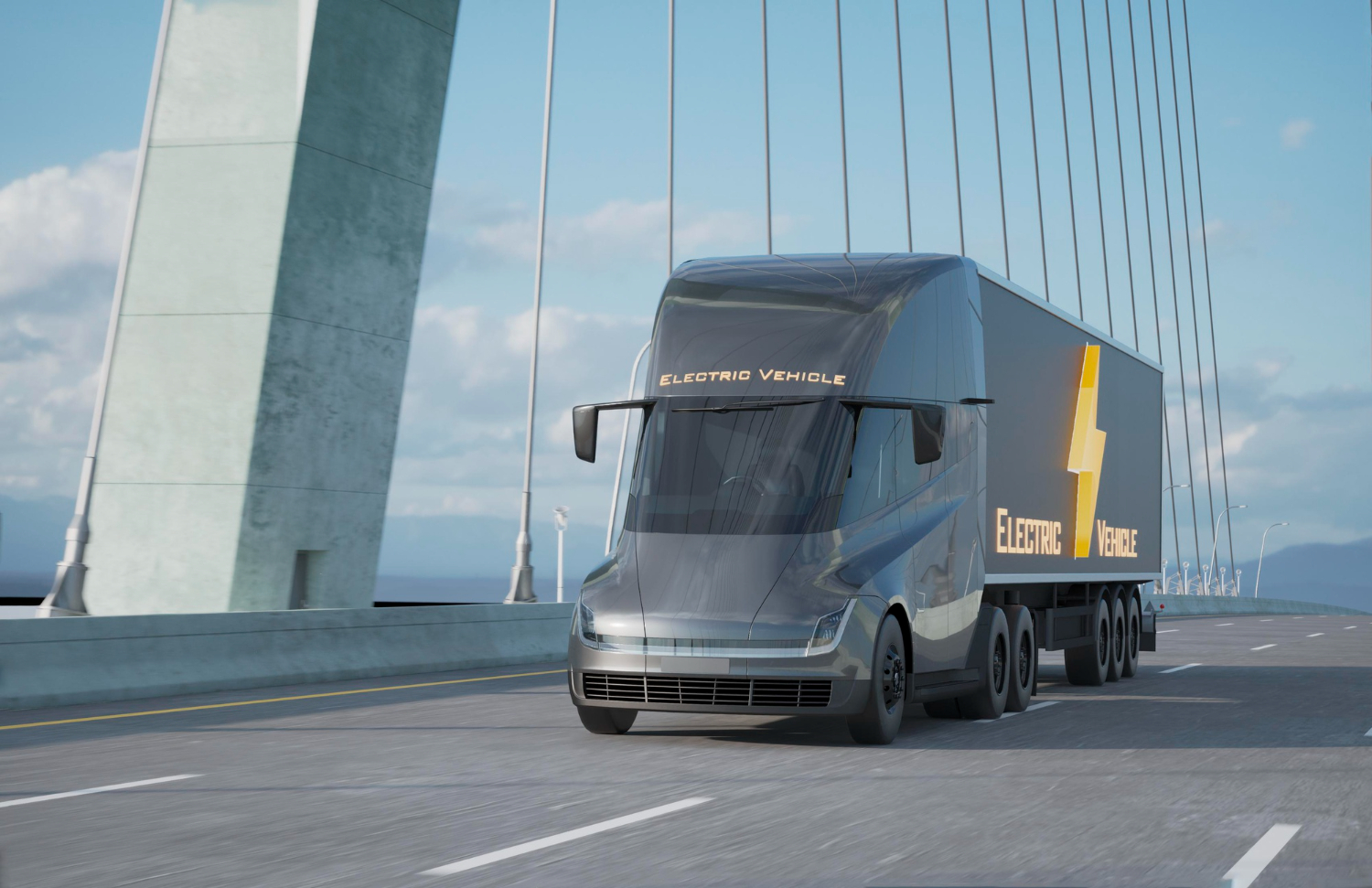
Uber Freight has launched a Dedicated EV Fleet Accelerator Program with Tesla to speed up adoption of electric Class 8 trucks. The scheme pairs purchase subsidies with guaranteed freight and route planning, lowering carriers’ risk while giving them operational guidance from Tesla on total cost of ownership. In a two-month pilot across Uber Freight’s network, Tesla Semis ran 12,377 miles with an average 1.72 kWh per mile, reinforcing the economics behind battery-electric long-haul freight, according to Uber Freight. The push aligns with Tesla’s plan to ramp Semi production in Nevada, where the first factory-built units are targeted by late 2025. Earlier pilots real-world runs have already highlighted durability and potential fuel and maintenance savings.
Tesla’s Gigafactory Berlin-Brandenburg has been awarded the European Ecolabel (EMAS), recognizing its progress in sustainability. The certification highlights extensive reforestation, reduced water use, solar expansion, and energy efficiency improvements. Officials describe Tesla’s factory as a model for how advanced industry and ambitious climate goals can work hand in hand.