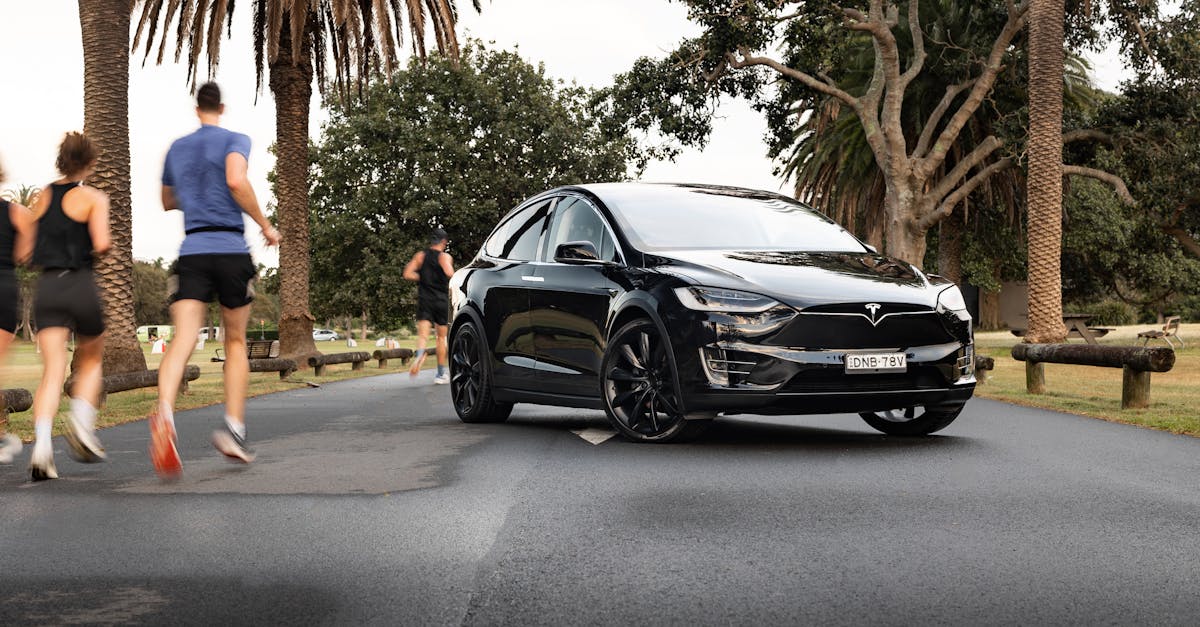
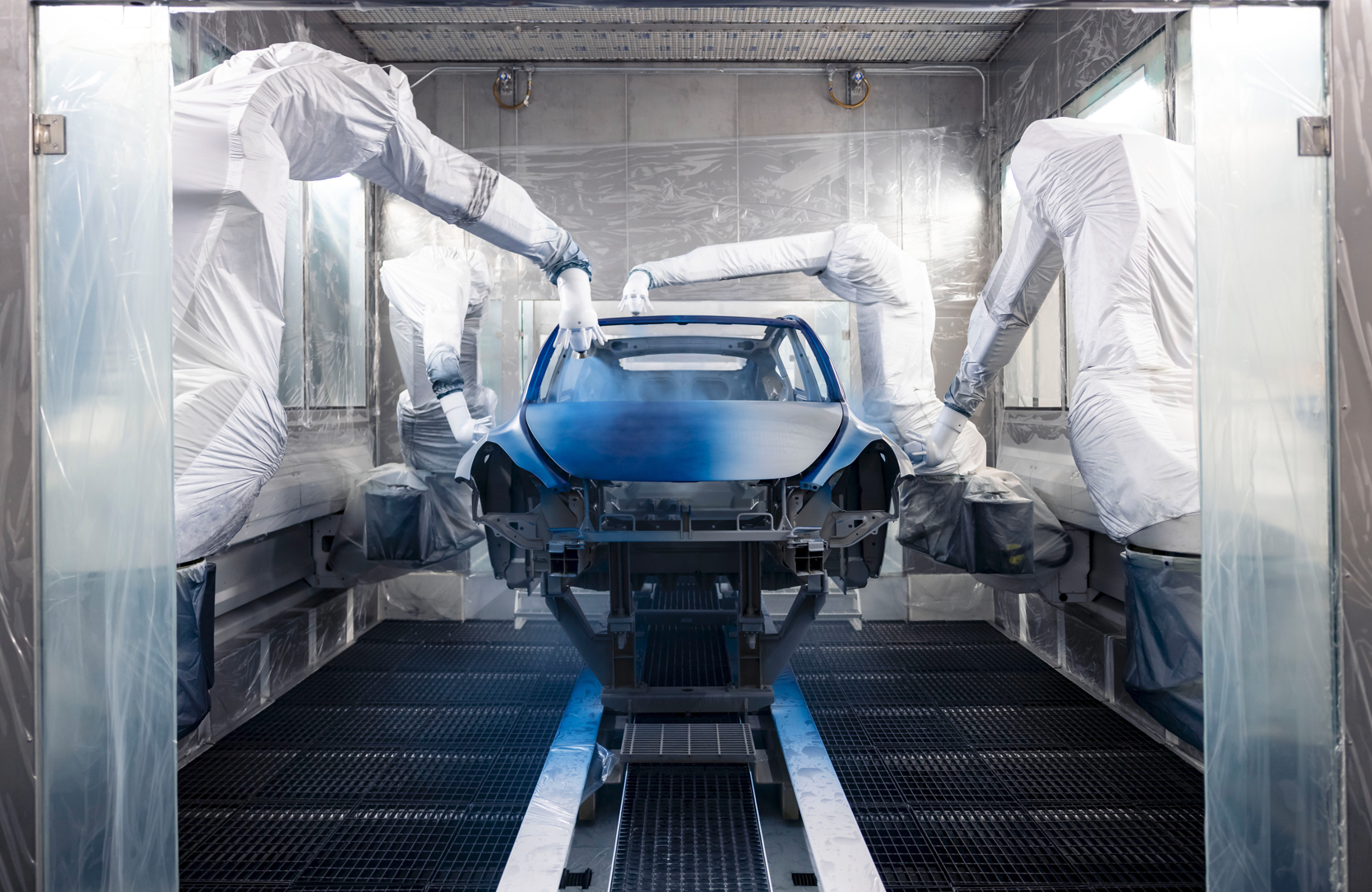
Wall Street analyst Jim Cramer has recently acknowledged a significant shift in Tesla's identity, moving beyond its traditional role as a car manufacturer. This change, highlighted during Tesla's Q4 2025 Earnings Call, positions the company as a leader in AI and Robotics. The focus is now firmly on future technologies like self-driving Cybercabs and humanoid robots, signaling a new era for sustainable, intelligent transportation. This evolution sees older models like the Model S and X being phased out to prioritize autonomous development.
The claim that “electric vehicles are built on child labour in cobalt mines” spreads fast because it contains a painful truth: children have worked in parts of the artisanal mining sector in the Democratic Republic of the Congo (DRC). But it often leaves out what matters most for climate and justice: cobalt is not “the EV metal,” the battery industry is actively engineering cobalt out, and new rules are forcing traceability and accountability at a scale the fossil economy never delivered. As transport emissions keep rising globally, electrification remains one of the fastest levers to cut pollution—if we also clean up mineral supply chains. The real question isn’t whether the problem exists, but whether we use it to fix abuses—or to delay the clean transition.
A significant milestone for advanced driving technology could be just around the corner in Europe. Tesla CEO Elon Musk has indicated that the company's Full Self-Driving (FSD) Supervised system might receive regulatory approval in the Netherlands as early as March 20. If confirmed, this move would position the Netherlands as the first European nation to embrace Tesla's vision-based AI for supervised driving, potentially setting a precedent for wider adoption across the continent. This development underscores the rapid evolution of electric vehicle technology, pushing towards a future of safer and more sustainable transportation.
The U.S. Department of Energy has committed $303 million to Kairos Power, supporting its innovative Hermes demonstration reactor in Tennessee. This funding, structured as a performance-based agreement, marks a significant federal backing for advanced nuclear technology. The Hermes reactor is the first Generation IV reactor approved for construction in the U.S. in over 50 years. This development is crucial for accelerating America's clean energy transition and meeting rapidly growing electricity demands with reliable, low-carbon power.
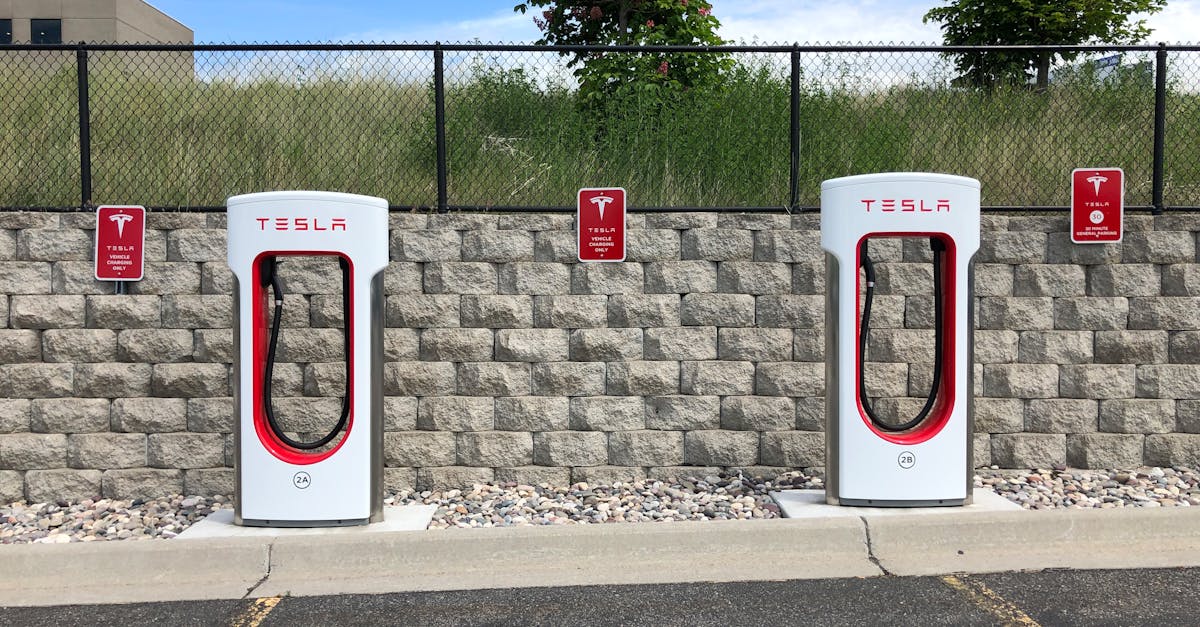
An important electric vehicle charging station in Åre, Sweden, remains disconnected from the power grid, despite being repaired and ready for use. The local grid company, Jämtkraft elnät, cites ongoing union sympathy actions against Tesla as the reason for refusing to restore power. This situation is frustrating for electric car drivers and poses a hurdle to Sweden's efforts to expand sustainable transportation. Tesla argues that reconnecting an existing facility falls outside the scope of the union dispute, which typically covers new installations and maintenance.
The Democratic Party is grappling with how to effectively communicate the urgency of climate change, sparking a debate around "climate hushing." While some leaders advocate for direct climate talk, others believe linking climate solutions to everyday affordability—like lower energy costs—is a more pragmatic path to engage voters. This strategic shift aims to secure support for clean energy and climate action by addressing immediate economic concerns, especially as climate impacts increasingly affect household budgets. This approach seeks to ensure environmental progress by making it a relatable, tangible benefit for communities nationwide.
Rural Palo, Iowa, is grappling with the environmental toll of hyperscale data centers. With Google planning its third major facility in Linn County, residents are increasingly worried about diminishing water supplies from the Cedar River and local wells, alongside noise and light pollution. In response, Linn County has adopted what may be the nation's most comprehensive local zoning ordinance for data centers. This landmark regulation aims to protect vital natural resources and community well-being from the intense demands of the booming tech industry.
The claim that electric vehicles are worse for the climate than gasoline or diesel cars “once you count the full life cycle” keeps resurfacing—often right when electrification starts to threaten the fossil status quo. It’s true that EVs can start with a manufacturing emissions “premium,” mainly from the battery. But modern life-cycle research repeatedly finds that EVs deliver substantially lower total greenhouse-gas emissions over their lifetime, and the advantage grows as electricity grids get cleaner and vehicles get more efficient. This matters because transport is a major source of global emissions, and delaying proven solutions costs precious time in a worsening climate crisis. In short: the real question is no longer whether EVs can cut emissions—they can—but how quickly we scale clean electricity, efficient vehicles, and responsible battery supply chains worldwide.
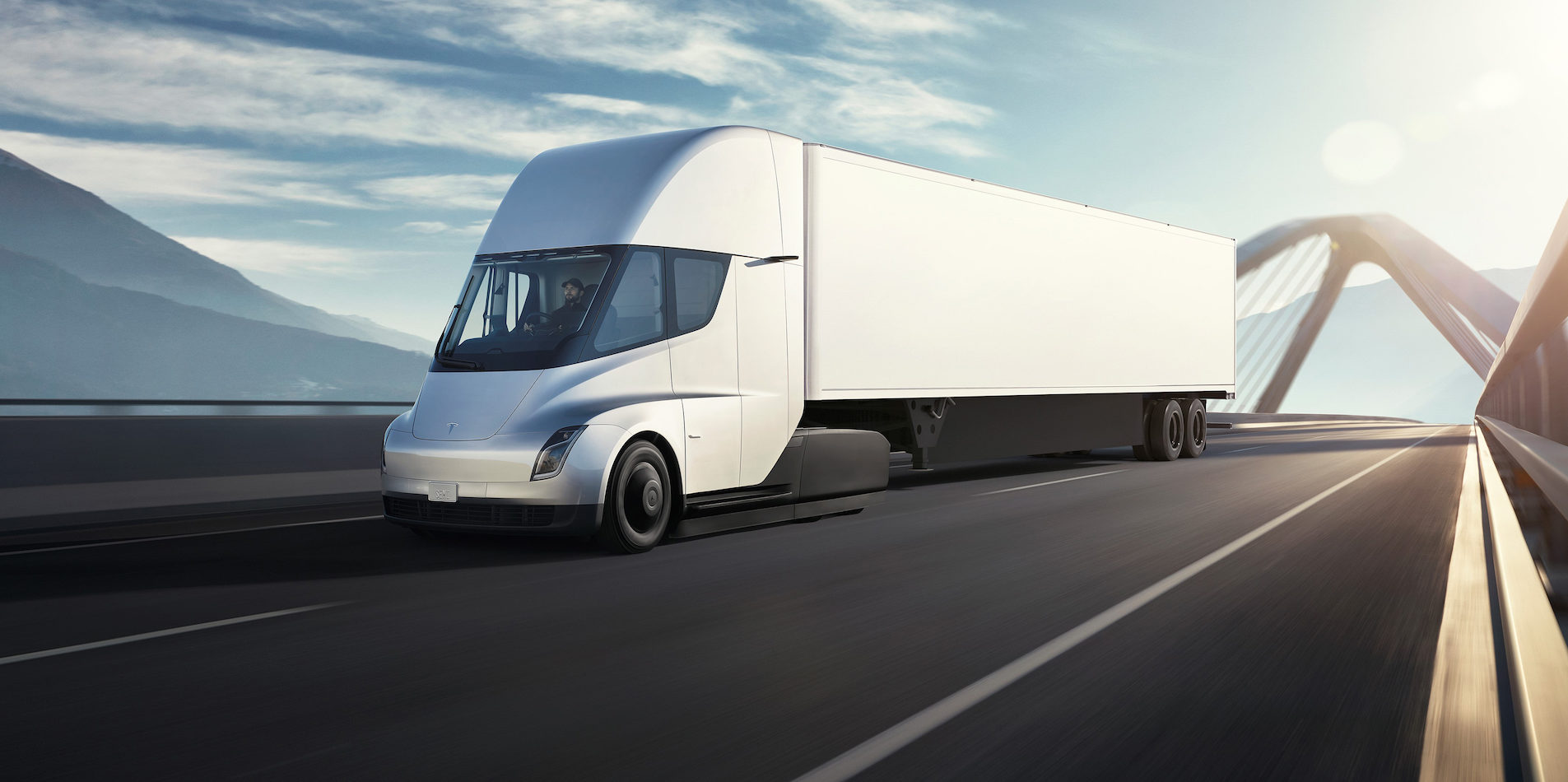
Major online retailers like Amazon, eBay, and Etsy are teaming up to accelerate the shift to zero-emission freight. Through an innovative pilot program, they are backing the deployment of about 40 all-electric Tesla Semi trucks on a key route between Dallas and Houston. This initiative, managed by the Center for Green Market Activation, uses a special 'book-and-claim' system, allowing companies to support cleaner transport and reduce their environmental footprint without owning the trucks. It’s a crucial step towards cutting significant carbon pollution from heavy-duty vehicles and tackling the urgency of global warming.
Tesla is accelerating its global push for autonomous electric vehicles, recently expanding its Robotaxi program hiring to Thailand, marking its twentieth country. These new roles, focused on data collection, are crucial for refining the company's Full Self-Driving technology. This move signals a significant step towards a future where electric, self-driving cars could transform urban mobility, reducing reliance on fossil fuels and contributing to cleaner, more efficient cities. As the world urgently seeks sustainable transport solutions, Tesla’s aggressive expansion highlights the potential of electrification to reshape our environmental landscape. The journey toward a fully autonomous, electric future is unfolding rapidly, promising major benefits for climate action.
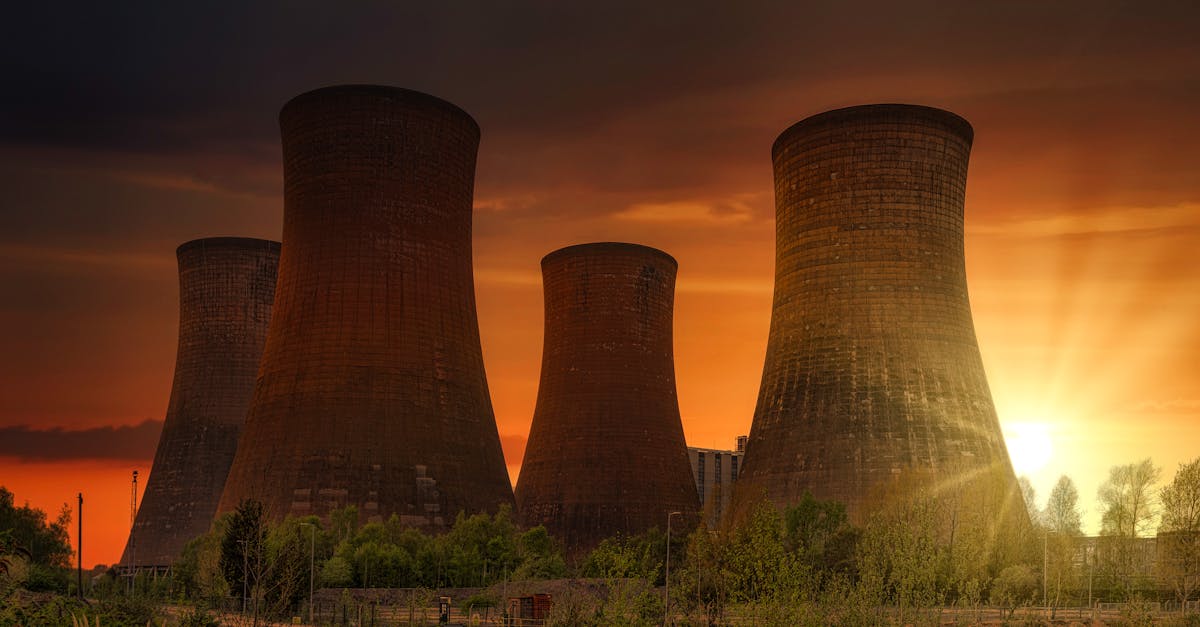
India is making significant strides in expanding its nuclear energy capacity, aiming for a stable, low-carbon power supply. India's largest power producer, NTPC, recently signed agreements with Russia's Rosatom and France's EDF to explore collaborations on large-scale nuclear projects. This move is critical for meeting the nation's growing electricity needs and its ambitious climate goals. Nuclear power offers a reliable, always-on energy source that complements intermittent renewables, driving India closer to a cleaner, more sustainable energy future.
Tesla has taken a unique step by publicly releasing its compiled Q4 2025 delivery and energy storage consensus, aiming for greater transparency in its performance outlook. The company anticipates delivering around 422,850 vehicles and deploying 13.4 GWh of battery storage systems this quarter. This move provides a clear benchmark, shaping market expectations for the electric vehicle giant's contribution to global electrification. Despite a projected full-year vehicle delivery decline, Tesla continues to push forward in both EV sales and crucial sustainable energy solutions, reinforcing the shift towards a cleaner future.