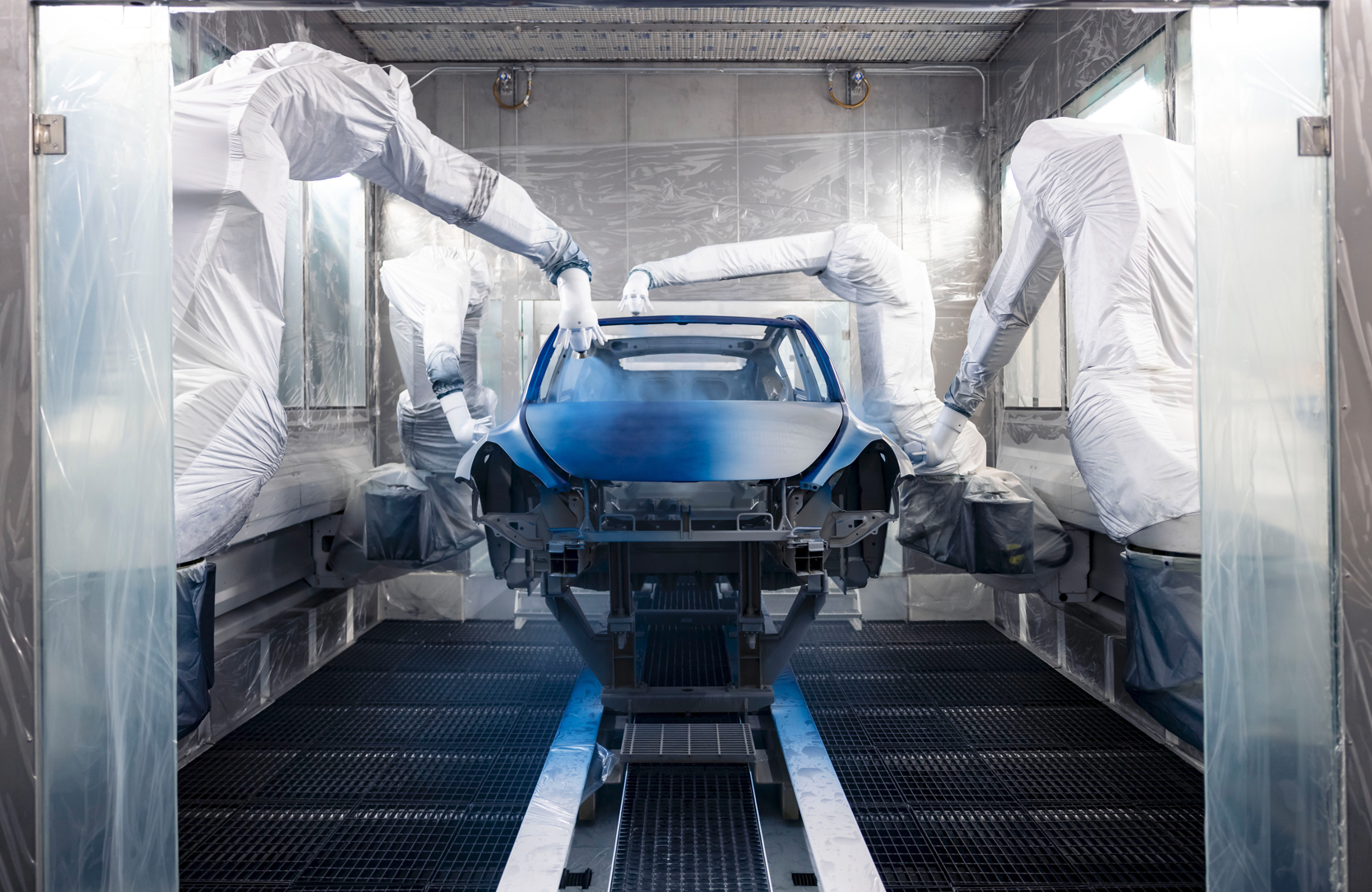
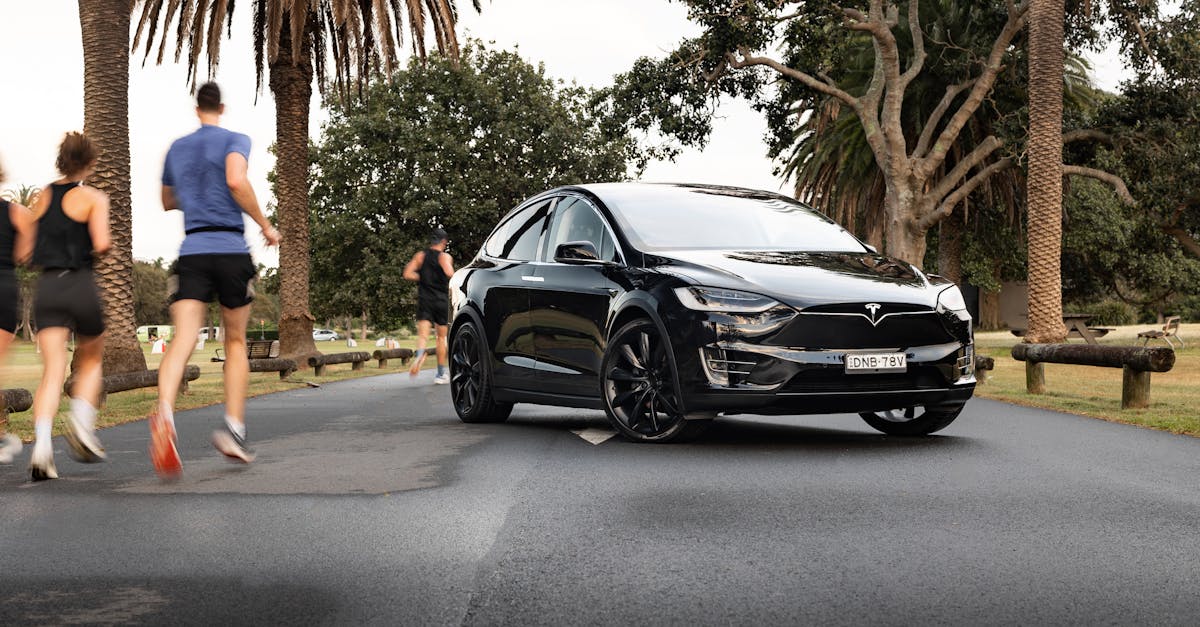
Tesla has taken a unique step by publicly releasing its compiled Q4 2025 delivery and energy storage consensus, aiming for greater transparency in its performance outlook. The company anticipates delivering around 422,850 vehicles and deploying 13.4 GWh of battery storage systems this quarter. This move provides a clear benchmark, shaping market expectations for the electric vehicle giant's contribution to global electrification. Despite a projected full-year vehicle delivery decline, Tesla continues to push forward in both EV sales and crucial sustainable energy solutions, reinforcing the shift towards a cleaner future.
Canada is set to launch a new sustainable investment taxonomy in 2026, a crucial step in steering the nation towards its net-zero emissions goals. This national framework will provide clear, science-based definitions for what counts as 'green' and 'transition' investments, helping investors, lenders, and companies make truly impactful choices. By standardizing these definitions, Canada aims to combat 'greenwashing' and unlock the estimated CAD 125-140 billion in annual private investment needed to tackle climate change. This initiative underscores the urgency of global warming and the essential role of transparent finance in building a sustainable future.
The year 2025 marked significant strides in renewable energy and climate action, with Science even declaring the "seemingly unstoppable growth of renewable energy" as its 2025 Breakthrough of the Year. From innovative plug-in solar panels in Germany making clean power accessible to renters, to a global surge in electric vehicle adoption curbing transportation pollution, communities worldwide are accelerating towards a sustainable future. These advancements highlight a critical shift, emphasizing the urgency and benefits of embracing cleaner technologies to combat global warming.
Chile has launched a new era for its lithium industry with the creation of NovaAndino Litio SpA, a joint venture between state-owned Codelco and SQM. This partnership will oversee lithium development in the Salar de Atacama through 2060, significantly strengthening Chile's control over this crucial resource. The move is vital for supporting the world's rapid transition to electric vehicles and clean energy, highlighting the urgent need for sustainable mineral sourcing to combat climate change.
Tesla has secured its position as the top-selling imported car brand among South Koreans in their 20s and 30s for 2025. Between January and November, this demographic purchased over 21,000 Teslas, significantly outpacing competitors like BMW and Mercedes-Benz. Experts describe this surge as a "Tesla frenzy," driven by a unique fandom culture where the brand's identity is as appealing as the vehicle itself. This embrace of electric vehicles by younger generations highlights a growing commitment to cleaner transportation and a more sustainable future.
Chevron is updating its energy plan, focusing on practical steps to reduce its carbon footprint. The company's CEO, Mike Wirth, outlined a strategy that balances traditional oil-and-gas operations with significant expansion into biofuels and geothermal power. This move highlights a growing industry trend towards sustainable solutions, recognizing the urgent need to address climate change. By investing in these proven technologies, Chevron aims to improve its environmental profile and meet global demands for cleaner energy without waiting for future breakthroughs.
Illinois is set to transform its energy landscape with new legislation aimed at dramatically boosting battery storage capacity. This bold move seeks to integrate renewable energy more effectively, providing a reliable and affordable power supply. The state plans to add 3 gigawatts of battery storage by 2030, a substantial increase designed to make the grid more resilient against high demand and support a cleaner energy future. This proactive approach underscores Illinois's commitment to sustainability and climate action amidst growing energy challenges.
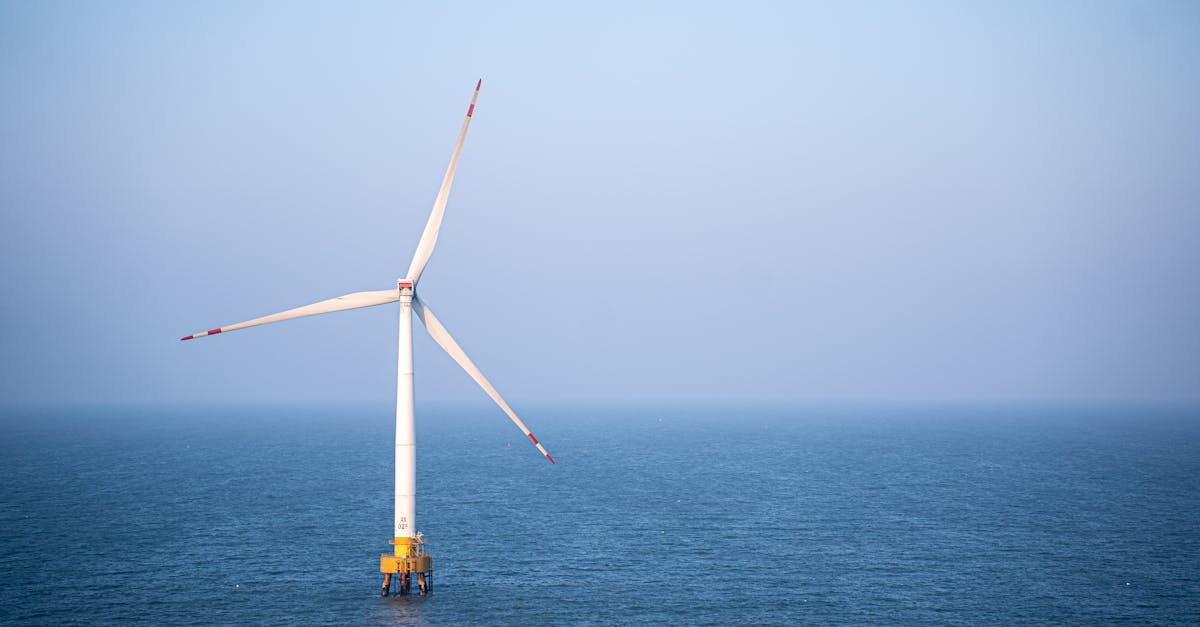
The Trump administration has unexpectedly paused all major offshore wind energy projects across the U.S., citing newly identified national security risks. This decision, announced by the Department of the Interior, claims these projects pose threats due to radar interference. However, security and energy experts are widely disputing this justification, calling it groundless and a political tactic. This move directly challenges the nation's push for cleaner energy and threatens billions in investment, hindering urgent efforts to combat climate change with sustainable solutions. It casts a shadow over the future of renewable energy development and grid reliability at a critical time.
Driving into a bright sun can be challenging for anyone, but it's a significant hurdle for self-driving cars that rely on cameras. Tesla is tackling this common problem head-on with a new patent for a "glare shield" aimed at improving its Full Self-Driving (FSD) technology. This innovation promises to make electric vehicles even safer and more reliable, pushing us closer to a future where sustainable transportation is accessible and secure for everyone. Enhancing FSD's ability to see clearly in all conditions is a crucial step towards wider adoption of electric, autonomous solutions.
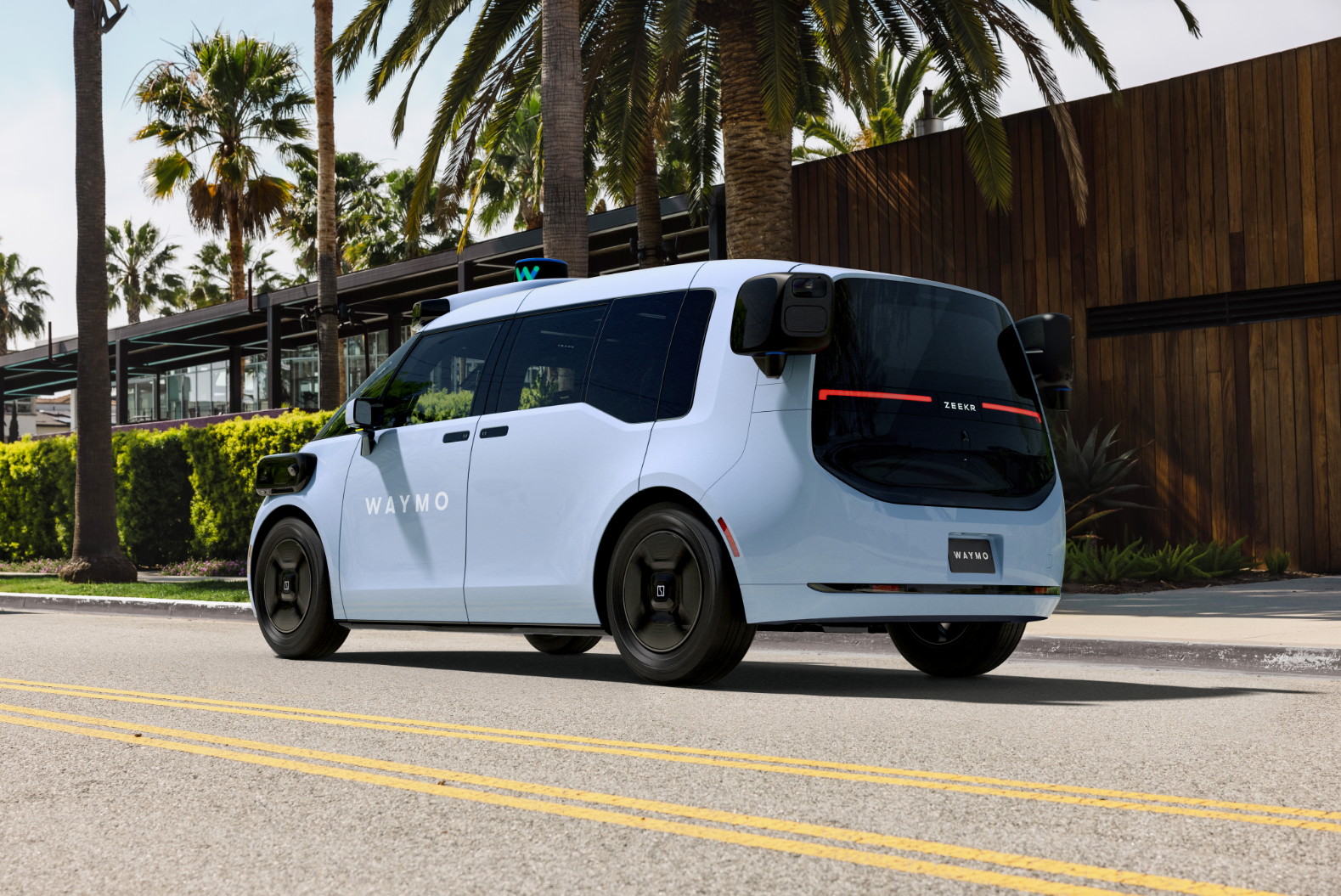
San Francisco recently faced a widespread power outage, creating a unique and challenging test for self-driving vehicles on its streets. While some robotaxis struggled to navigate the pitch-black conditions, causing traffic issues and requiring human intervention, Tesla’s Full Self-Driving (Supervised) system remarkably continued to operate smoothly. This stark contrast highlighted the different approaches to autonomous driving technology. It underscores the critical need for resilient and adaptable electric transportation solutions in our increasingly connected, yet unpredictable, urban environments.
The House of Representatives has passed the SPEED Act, a major bill designed to streamline federal environmental reviews. While proponents argue it will cut bureaucratic delays for various infrastructure projects, last-minute changes have sparked significant concern. Environmental groups and clean energy advocates worry these amendments will disproportionately benefit fossil fuel projects, potentially slowing down the urgent transition to sustainable solutions. This legislative move has ignited a debate about its true impact on our planet's future and the pace of climate action.
Tesla's in-house insurance program has officially expanded to Florida, marking its thirteenth state of operation since 2019. This move is significant given Florida's notoriously high insurance premiums, often double the national average due to factors like natural disasters and dense traffic. Tesla aims to disrupt this market by offering potentially more affordable and tailored coverage for its electric vehicle owners. This expansion not only serves the state's growing EV community but also aligns with Tesla's strategy to integrate its services, providing a simpler experience for customers committed to sustainable transportation.