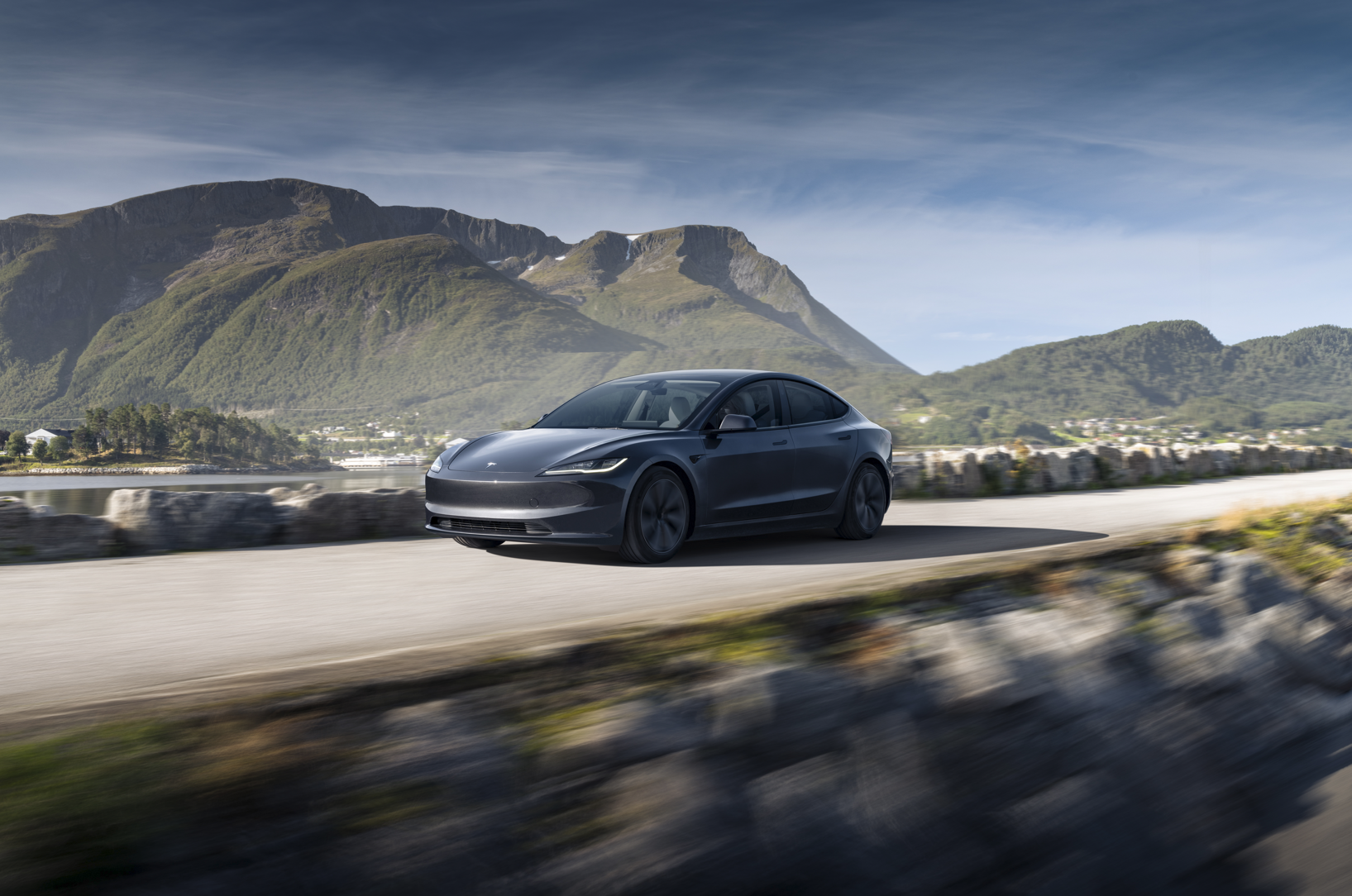
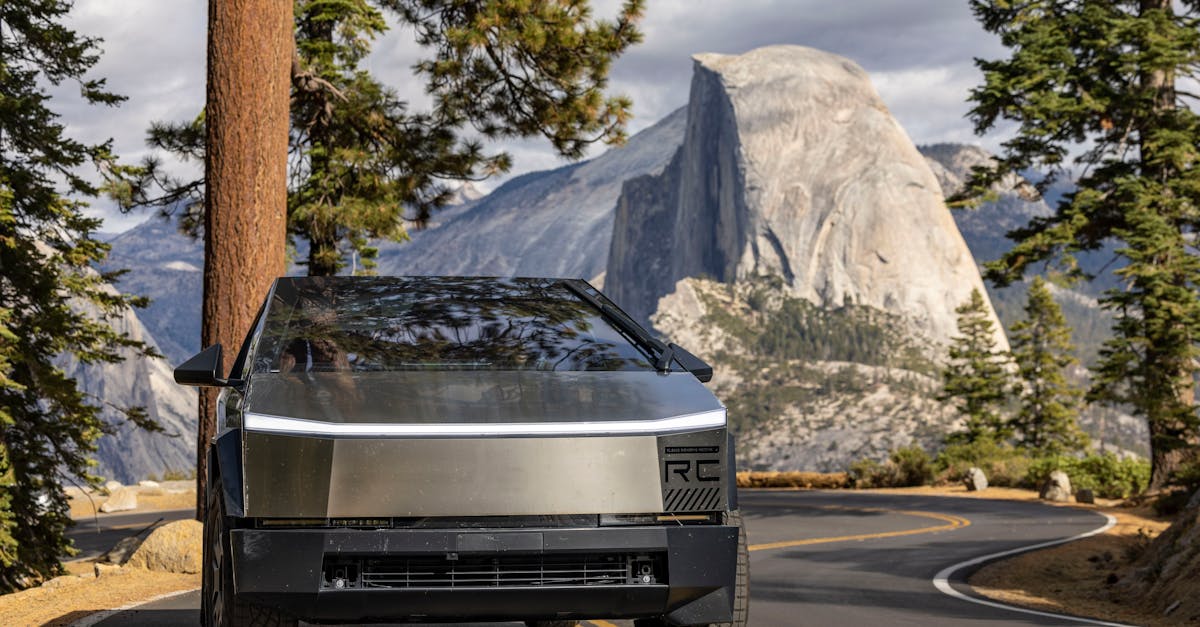
Tesla's Full Self-Driving (Supervised) system could arrive in the United Arab Emirates as early as January 2026, according to CEO Elon Musk. This highly anticipated move would mark a significant expansion of advanced driver-assist technology into the Middle East, starting with bustling cities like Dubai and Abu Dhabi. The system aims to offer hands-off highway driving, urban navigation, and automated parking, all under driver supervision. This development highlights the accelerating global adoption of electric vehicle technologies, pushing forward a future of more sustainable and intelligent transportation.
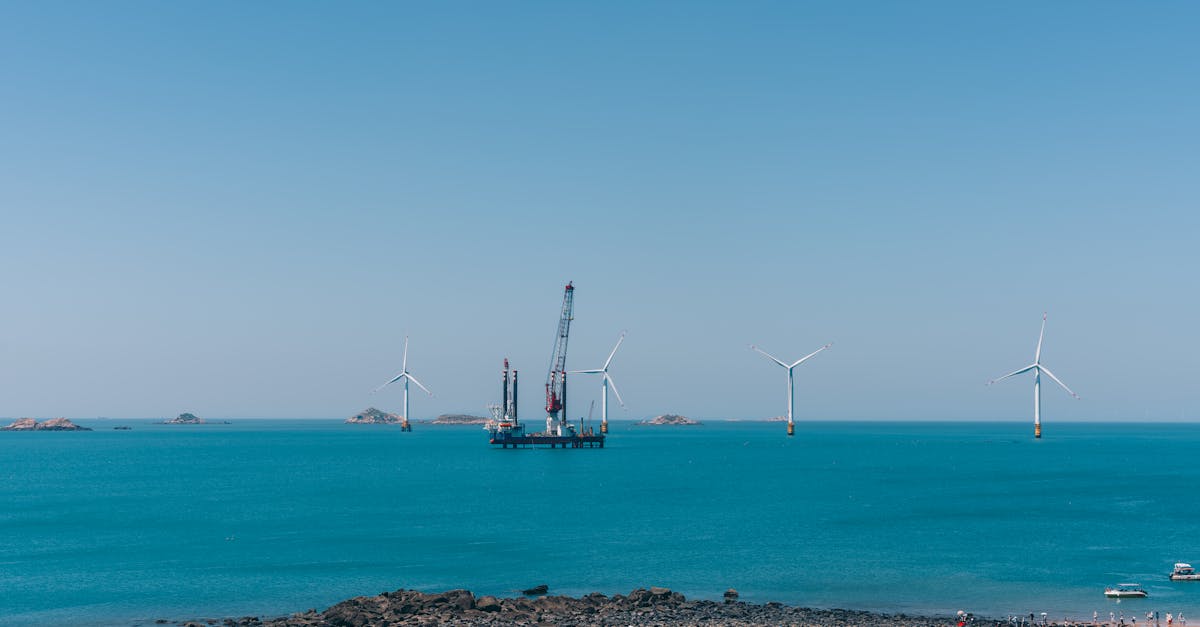
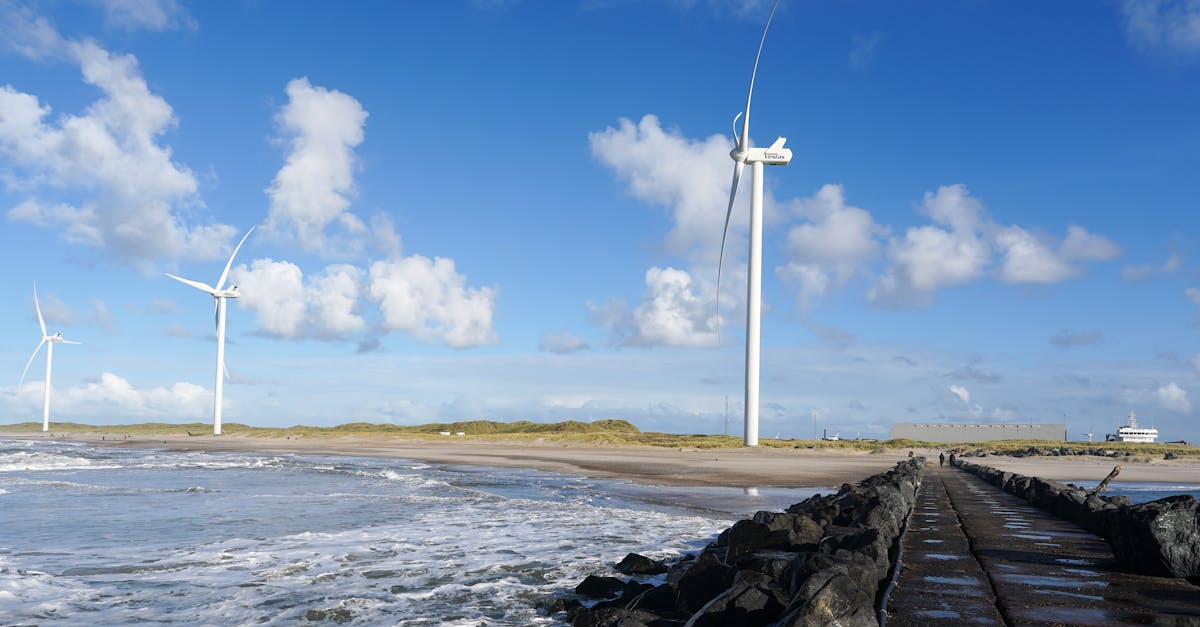
The Trump administration has unexpectedly halted five major offshore wind projects currently under construction along the East Coast. Citing undefined "national security risks," this decision puts a sudden stop to significant clean energy development. Such delays could have serious consequences for the fight against climate change, slowing our vital transition away from fossil fuels and hindering progress toward a sustainable future. Urgent action on global warming requires consistent investment in renewable solutions like wind power.
As Governor Phil Murphy's term nears its end, climate advocates in New Jersey are pushing for a landmark bill to enshrine the state’s goal of 100% clean electricity by 2035 into law. This move is crucial to ensure the ambitious environmental target outlasts the current administration, offering long-term stability for climate action. The proposed legislation seeks to accelerate the transition away from fossil fuels, addressing concerns about air quality and rising temperatures while emphasizing the economic and health benefits of sustainable solutions. Its passage is seen as vital for signaling commitment to a cleaner, healthier future for all New Jersey residents.
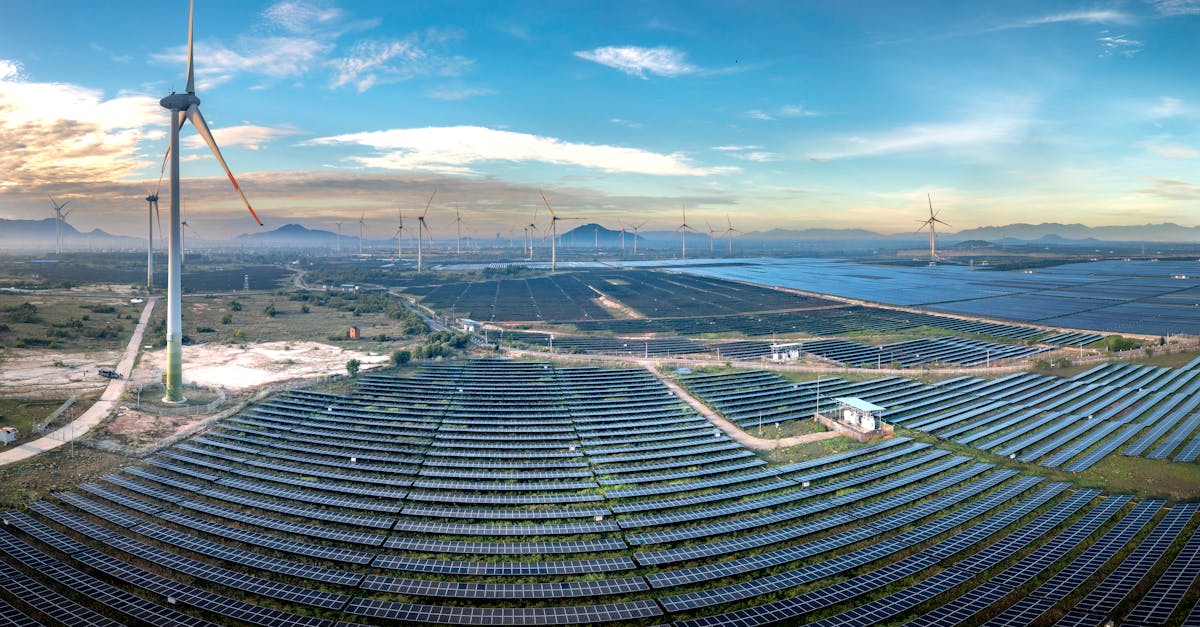
For decades, climate activist Bill McKibben has warned us about global warming, starting with his pivotal book, "The End of Nature" almost 40 years ago. While the planet is indeed heating up as predicted, McKibben now highlights a powerful new tool in his latest work, "Here Comes the Sun". This tool—cheap solar and wind energy with battery storage—offers a fresh chance to slow down the climate crisis and reshape our world, moving away from destructive fossil fuels.
Earlier this year, European Union President Ursula von der Leyen reaffirmed the continent's unwavering commitment to climate action, even as other global powers wavered. However, recent developments show a subtle but significant shift in this stance. Europe is now reportedly poised to ease its ambitious ban on gas and diesel cars by 2035 and has delayed a key deforestation law designed to protect global ecosystems. Additionally, new rules requiring companies to disclose their environmental impact have been weakened. This pivot suggests a growing concern that stringent climate policies might hinder economic growth, challenging the EU's leading role in urgent global warming efforts.
Tesla's Model Y and Model 3 are significantly leading electric vehicle sales in the United Kingdom for 2025, signaling a robust consumer shift towards sustainable transportation. Their strong performance, with the Model Y selling 18,890 units and the Model 3 close behind at 16,361, underscores a growing preference for electric solutions over traditional fossil-fuel cars. This trend is vital for reducing carbon emissions and accelerating the UK's progress towards crucial climate goals, demonstrating that environmental action can seamlessly integrate with modern lifestyles. This continued embrace of electrification is a positive step for a cleaner planet.
Tesla recently filed a patent suggesting a groundbreaking integration: Starlink internet directly into its vehicles. This innovative design proposes a new vehicle roof made from special materials that allow radio signals to pass through easily. The goal is to provide seamless, high-speed connectivity, eliminating frustrating cellular dead zones for drivers. This move could transform long journeys and remote adventures, ensuring continuous internet access wherever you go, a significant step in modernizing in-car technology.
Canada's climate commitments face a stark reality check. Prime Minister Mark Carney has openly admitted the country is unlikely to meet its greenhouse gas emission targets for 2030 and 2035 under current policies. This candid acknowledgment highlights a critical turning point, especially after several policy rollbacks since his government took office. With climate goals enshrined in law, this slow progress underlines the urgent need for renewed environmental action to protect our planet for future generations.
The Trump administration has ordered Washington state's last coal-fired power plant to remain operational for at least 90 more days, overriding a 15-year plan to close it and convert it to natural gas. This federal intervention, citing a non-existent electricity shortage, directly challenges state law and environmental goals. While the state was on the brink of cutting carbon emissions from the plant in half, this decision forces a continued reliance on fossil fuels, highlighting a tension between federal policy and local efforts to combat climate change.
Massachusetts startup Factorial Energy, a pioneer in advanced solid-state batteries for electric vehicles, has announced plans to list its shares on the stock exchange next year. Valued at $1.1 billion, this move aims to accelerate the production of their innovative batteries. These next-generation batteries promise to revolutionize electric cars by offering longer range, faster charging, and improved safety without flammable components. This development is a significant step towards making electric vehicles more accessible and appealing to everyone, pushing us closer to a cleaner, more sustainable transportation future.
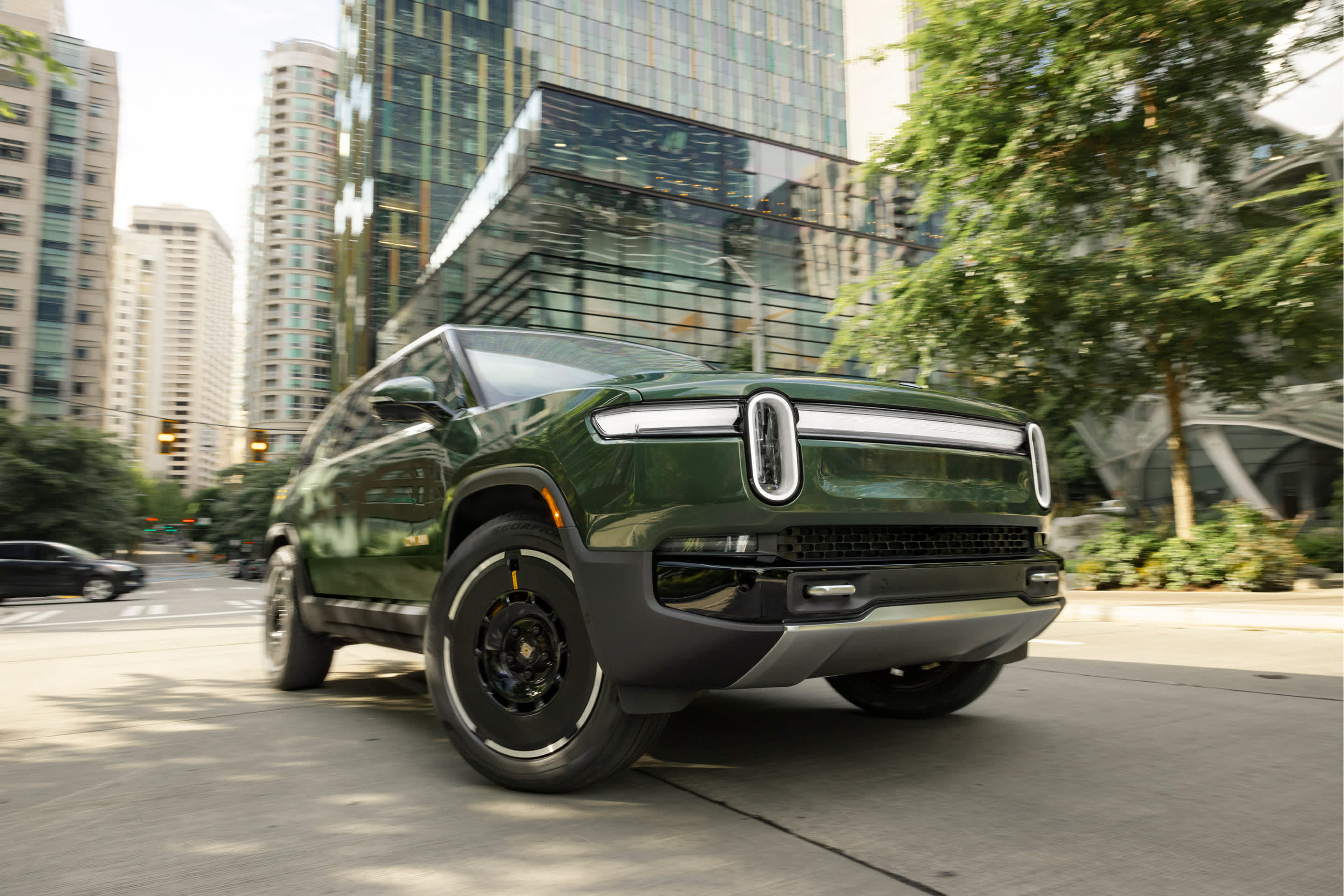
Rivian just revealed its powerful new self-driving chip and autonomy roadmap at AI and Autonomy Day, aiming straight for Tesla's throne in the EV world. The in-house RAP1 chip delivers a staggering 1600 sparse TOPS, paired with cameras, radar, and LiDAR for safer, smarter driving toward Level 4 autonomy. Starting with a $49.99 monthly subscription or $2,500 one-time fee, this tech promises to transform personal EVs before expanding to ride-sharing. As electric vehicles like Rivian's lead the charge against fossil fuels, advanced autonomy means optimized routes, fewer accidents, and massive cuts in emissions—accelerating our urgent shift to sustainable transport amid climate pressures.
Chinese companies have committed over $180 billion to clean energy projects abroad since early 2023, according to a Climate Energy Finance report. Dominating solar panels, batteries, and EVs, they're building full supply chains from mining to recycling in Asia, Africa, Latin America, and beyond. This surge creates jobs, cuts energy costs, and speeds up the shift to renewables in developing nations. As global warming accelerates, these investments highlight the urgent need for clean tech to slash emissions and build sustainable futures, proving electrification outperforms fossil fuels with reliable, cheaper power.