30 Years of Climate Talks: Why Are We Still Burning Fossil Fuels?

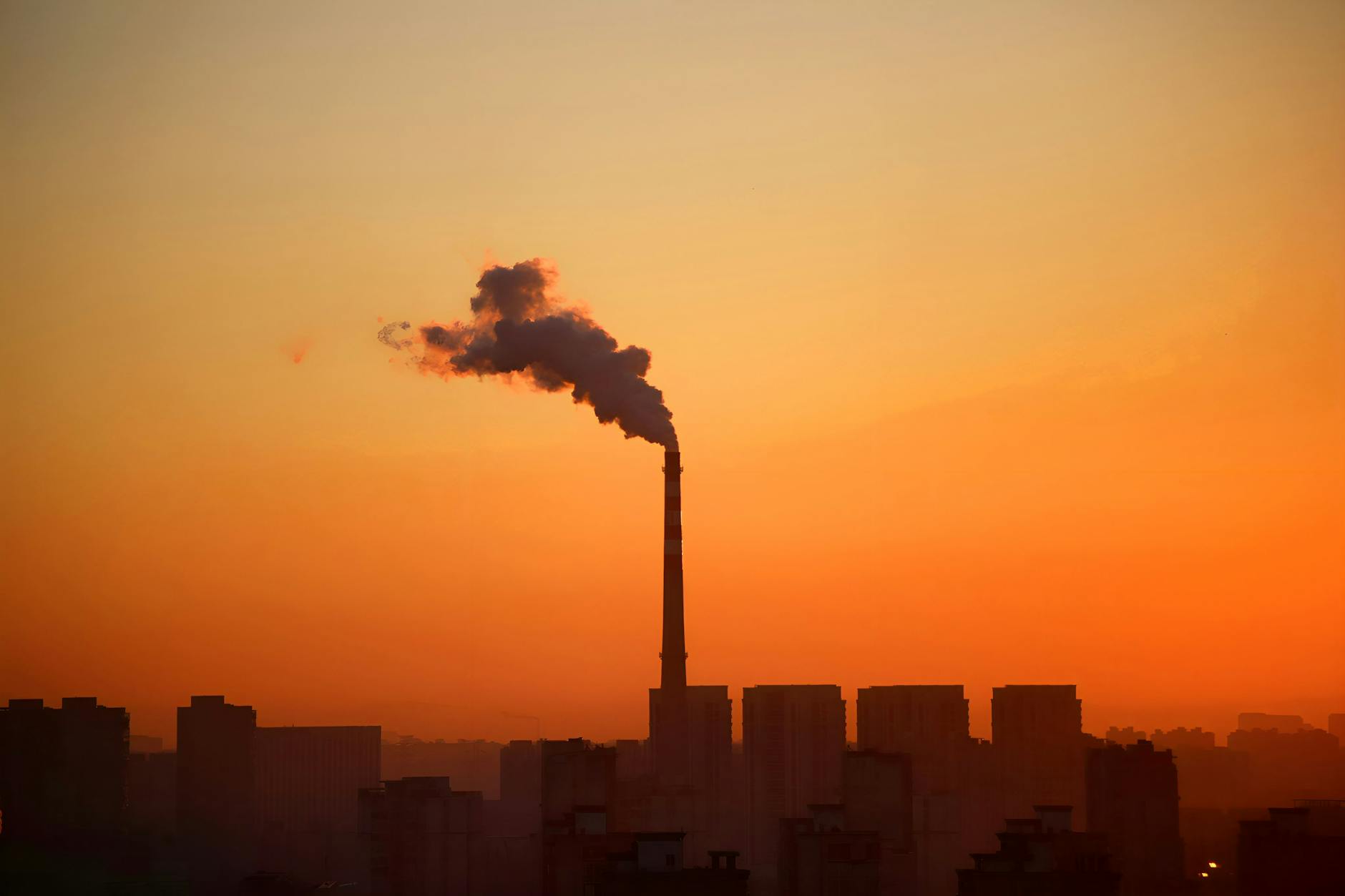
Despite three decades of international climate negotiations, including the recent COP31 in Turkey, the world remains heavily reliant on fossil fuels, exacerbating the global climate crisis. Scientists report that average global temperatures have hit a record high, surpassing 3.6 degrees Fahrenheit (2 degrees Celsius) above pre-industrial levels, leading to rapid glacier melt and rising sea levels. Carbon dioxide emissions are also on track for another record high in 2026. This stark reality underscores a long history of missed opportunities and political hurdles that have consistently undermined urgent climate action.
The irony isn't lost on delegates attending the annual United Nations “Conference of the Parties” climate talks, where the pervasive smell of fossil fuels, from airplanes to city streets, serves as a constant reminder of global dependency. From coal-dominated Poland to oil-rich Dubai and Azerbaijan, and even at a “Nature COP” in Brazil powered by diesel generators, the presence of fossil fuels has marred these crucial environmental gatherings.
This dire situation didn't emerge overnight. Researchers have understood the looming threat for nearly 70 years, with milestones like the International Geophysical Year in 1957, Charles Keeling’s development of a system to measure the rise of CO2, and a landmark research paper challenging the ocean's CO2 absorption capacity. Yet, it took until 1985 for the issue to gain political traction, leading to the formation of the Intergovernmental Panel on Climate Change (IPCC) and ultimately the United Nations Framework Convention on Climate Change (UNFCCC) in 1992. However, early efforts to include binding emissions cuts were watered down, largely due to pressure from the United States and fossil fuel-exporting nations, prioritizing economic interests over environmental imperatives.
The adoption of the Kyoto Protocol in 1997, aimed at setting obligatory emissions reductions for industrialized nations, faced immediate resistance. The U.S. Senate passed a resolution against it, and despite President Clinton signing it, the agreement was never ratified. This reluctance, according to Joanna Depledge, a climate diplomacy researcher, has been a defining feature of climate talks for decades, hindering progress.
Even the Paris Agreement of 2015, hailed as a breakthrough for its voluntary national emission cuts and a commitment to limit warming, has seen implementation slow significantly. The reasons for this stagnation, as outlined by Depledge, are primarily threefold: the persistent economic divide between developed and developing countries, the powerful influence of fossil fuel lobbies working to delay progress, and the consensus-based decision-making process at the U.N. climate talks. This requirement for unanimous agreement has allowed a handful of countries to block more ambitious climate actions, leaving the world dangerously close to irreversible climate tipping points. The urgency of transitioning to sustainable solutions and collective environmental action has never been clearer.