The Federal Aviation Administration (FAA) is taking a major step to assess SpaceX's ambitious plan to significantly increase Starship launches from its Starbase facility in Texas. The proposal seeks to raise annual launches from 25 to a staggering 456, prompting a thorough environmental impact statement. This review is crucial for ensuring that technological progress aligns with the protection of vital coastal ecosystems, highlighting the urgent need for careful environmental consideration as human activities expand.
Volvo is partnering with technology giant Nvidia to introduce advanced automated driving features to its future cars. By 2030, the goal is to offer "hands-free, point-to-point" urban driving, allowing vehicles to navigate city streets without constant driver intervention. This ambitious collaboration eventually aims for "eyes-off, mind-off" driving, promising a significant transformation in how we commute. This strategic move could redefine Volvo’s long-standing reputation for safety and innovation, while also impacting the broader automotive industry's push towards smarter vehicles.
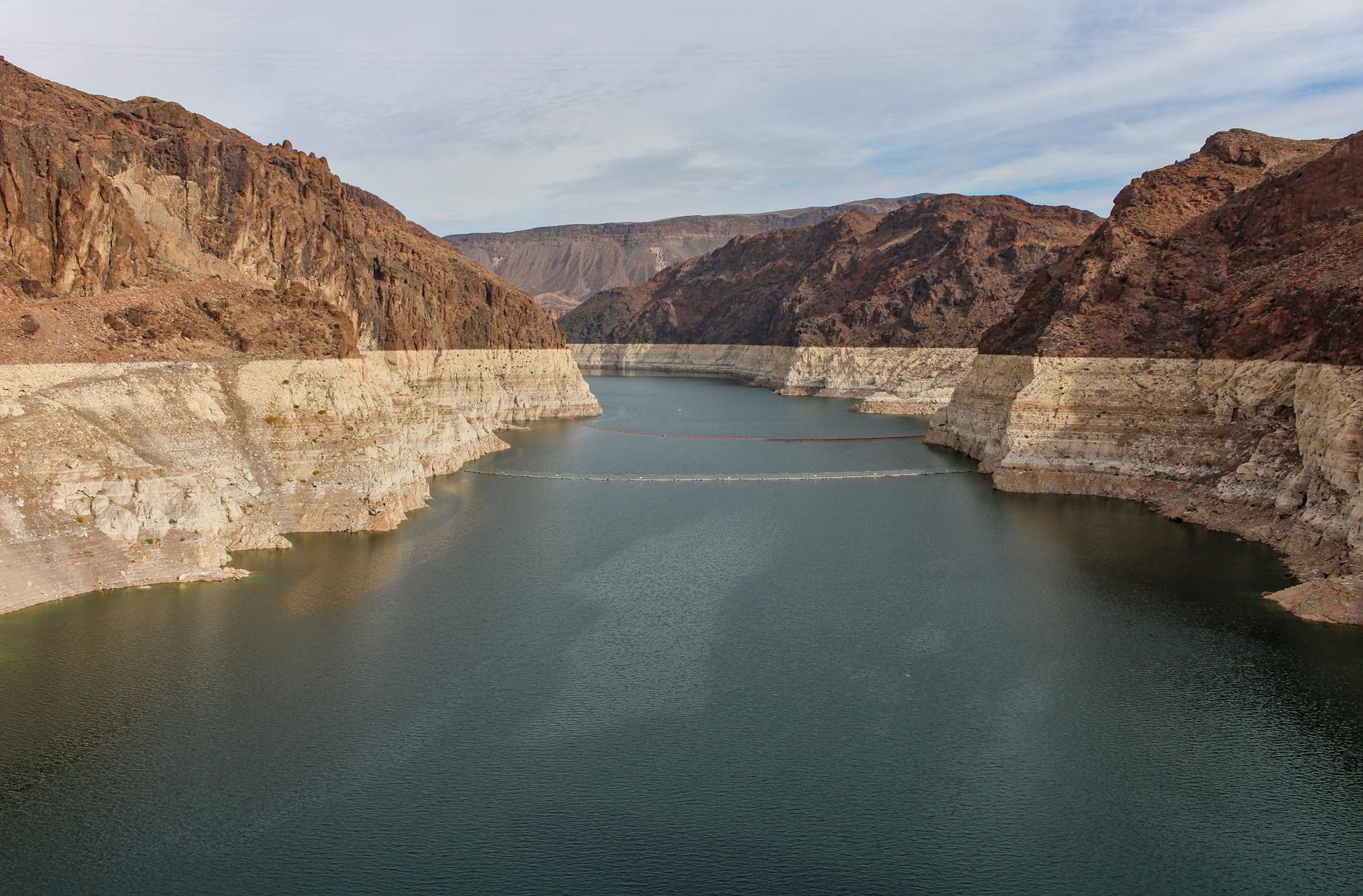
Arizona is taking legal action against a federal plan designed to manage the worsening shortages of the Colorado River. The state has joined a lawsuit initially filed by Nevada, arguing that the proposed water cutbacks would severely impact its economy and major cities. This growing legal challenge highlights the critical need for sustainable solutions as the vital Colorado River, a lifeline for the American West, continues to shrink to historic low levels, threatening communities and ecosystems alike.
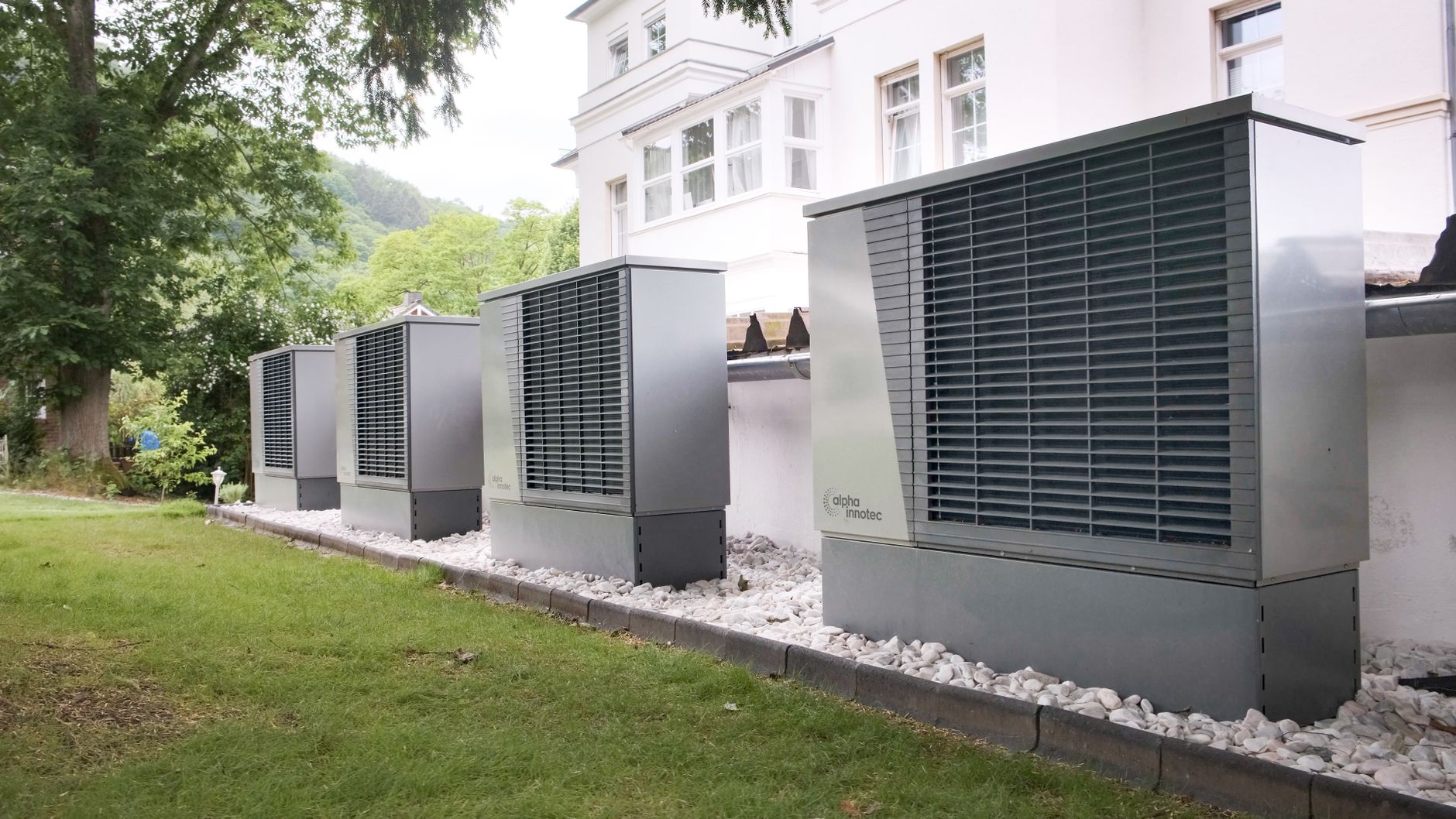
The UK government is reportedly considering significant cuts to crucial heat pump subsidies, sparking concerns about the nation's path to a greener future. These grants are vital not only for helping households switch to efficient, low-carbon heating systems but also for addressing the urgent need for cooling as climate change brings more extreme heatwaves. Critics argue that reducing support now could hinder job growth in a budding green industry and jeopardize the UK's commitment to tackling global warming, impacting both our environment and economy.
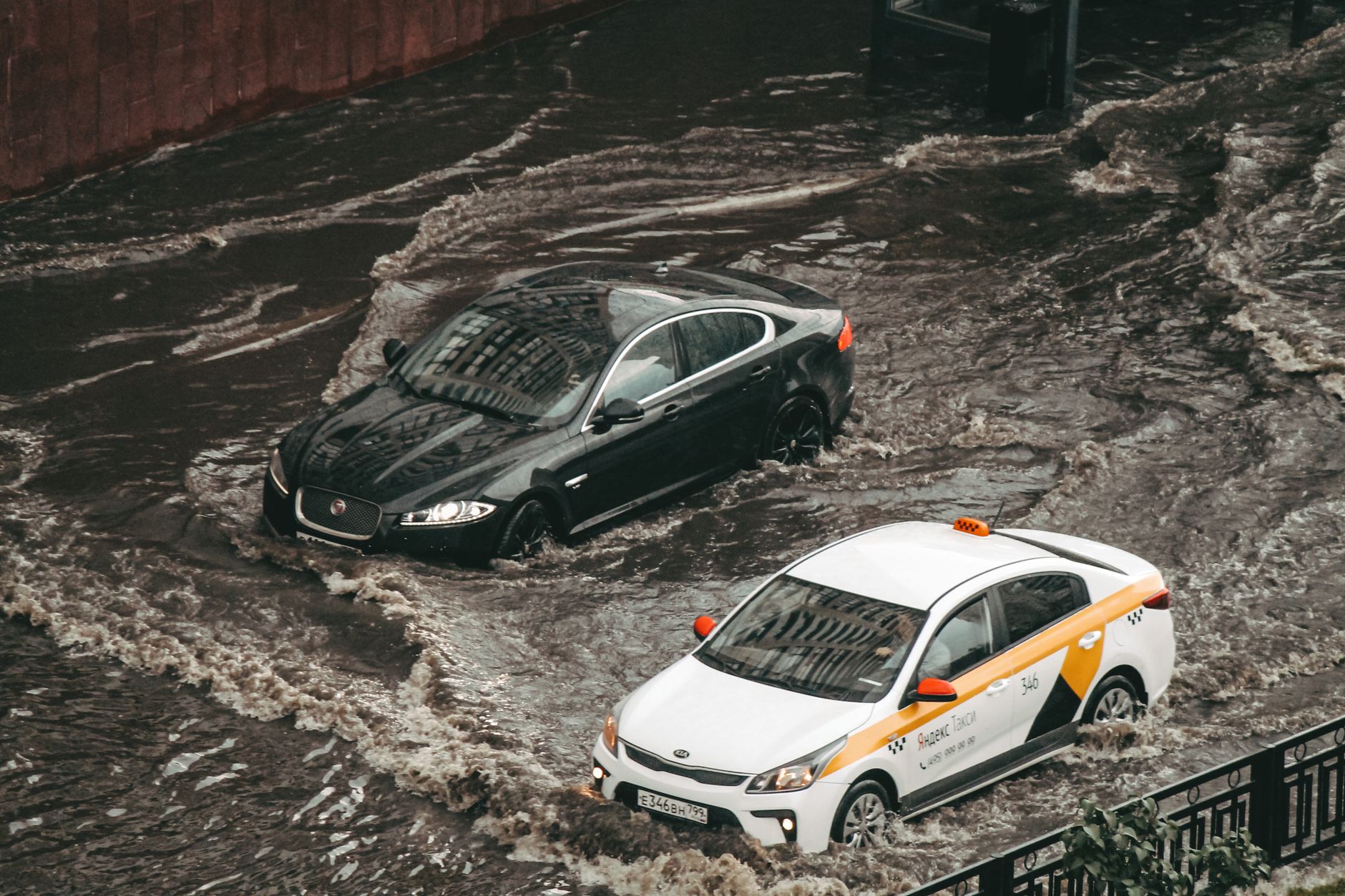
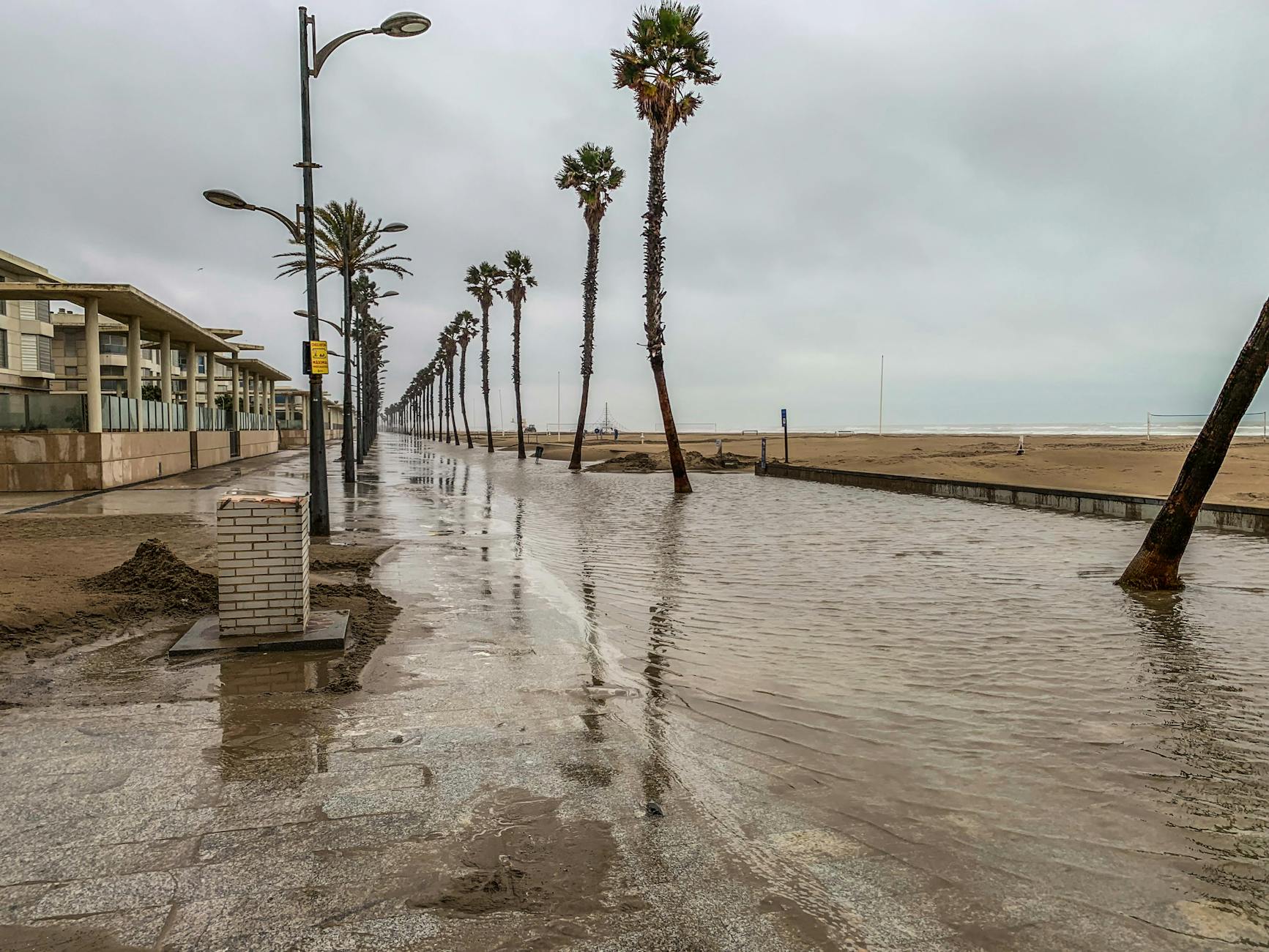
Istanbul has suffered its most severe flooding in over 80 years, claiming four lives and submerging homes and businesses. The city, home to 16 million, received more rain in 48 hours than its combined historical average for September and October. This devastating event is being directly linked to the accelerating impacts of climate change by government officials as reported by the LA Times. The situation highlights the urgent need for environmental action and sustainable urban planning to protect communities from increasingly extreme weather.
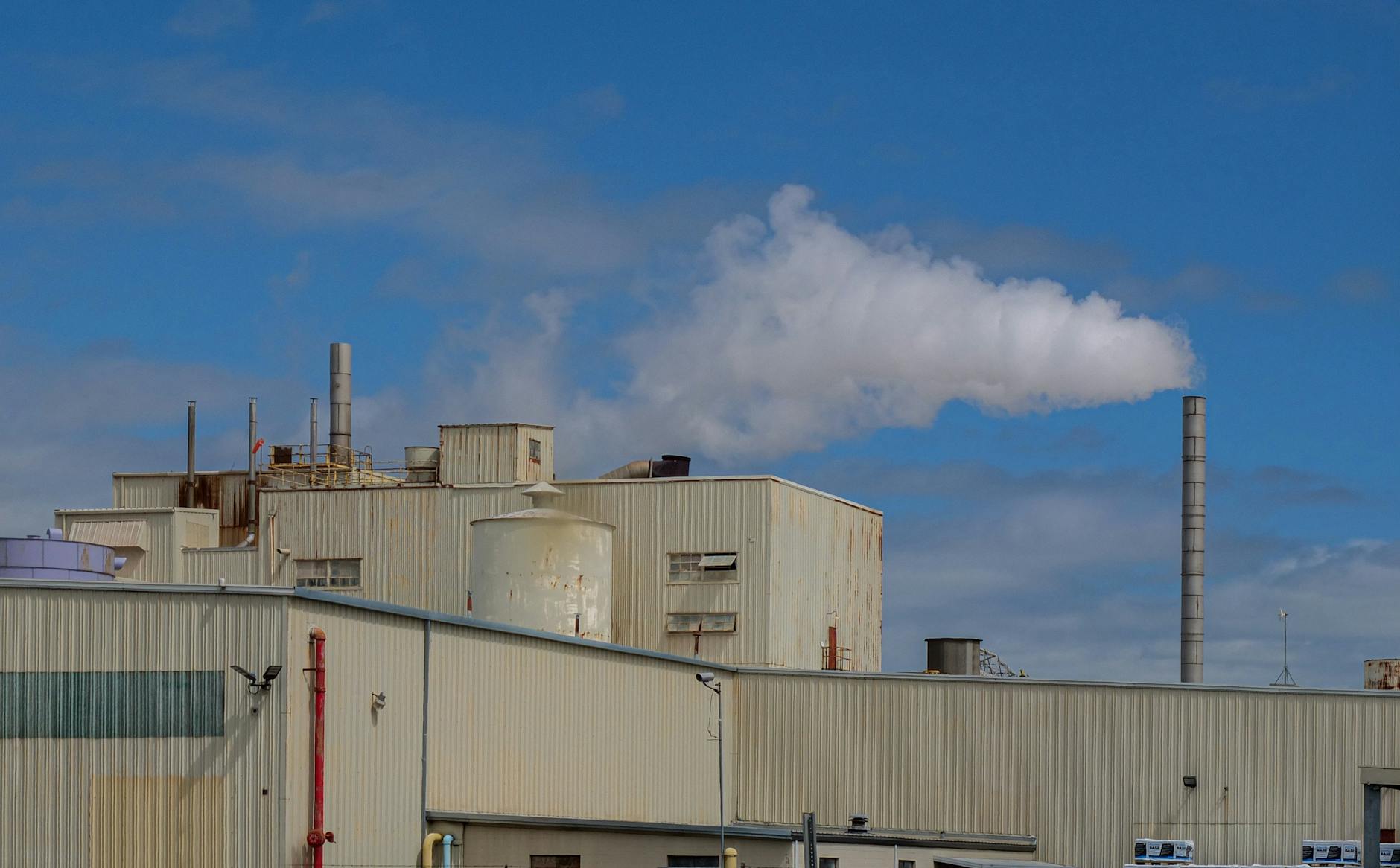
Fishmeal plants, crucial to the booming global aquaculture industry, are causing widespread suffering in coastal communities worldwide. A major investigation by The Outlaw Ocean Project reveals that the industry's pervasive stench—a mix of noxious chemicals—is plaguing millions, leading to serious health issues, economic decline, and intense protests. While solutions exist, they are rarely implemented in poorer nations, highlighting a significant environmental injustice and the hidden human cost behind our farmed seafood. This situation underscores the urgent need for sustainable practices that protect both people and the planet.
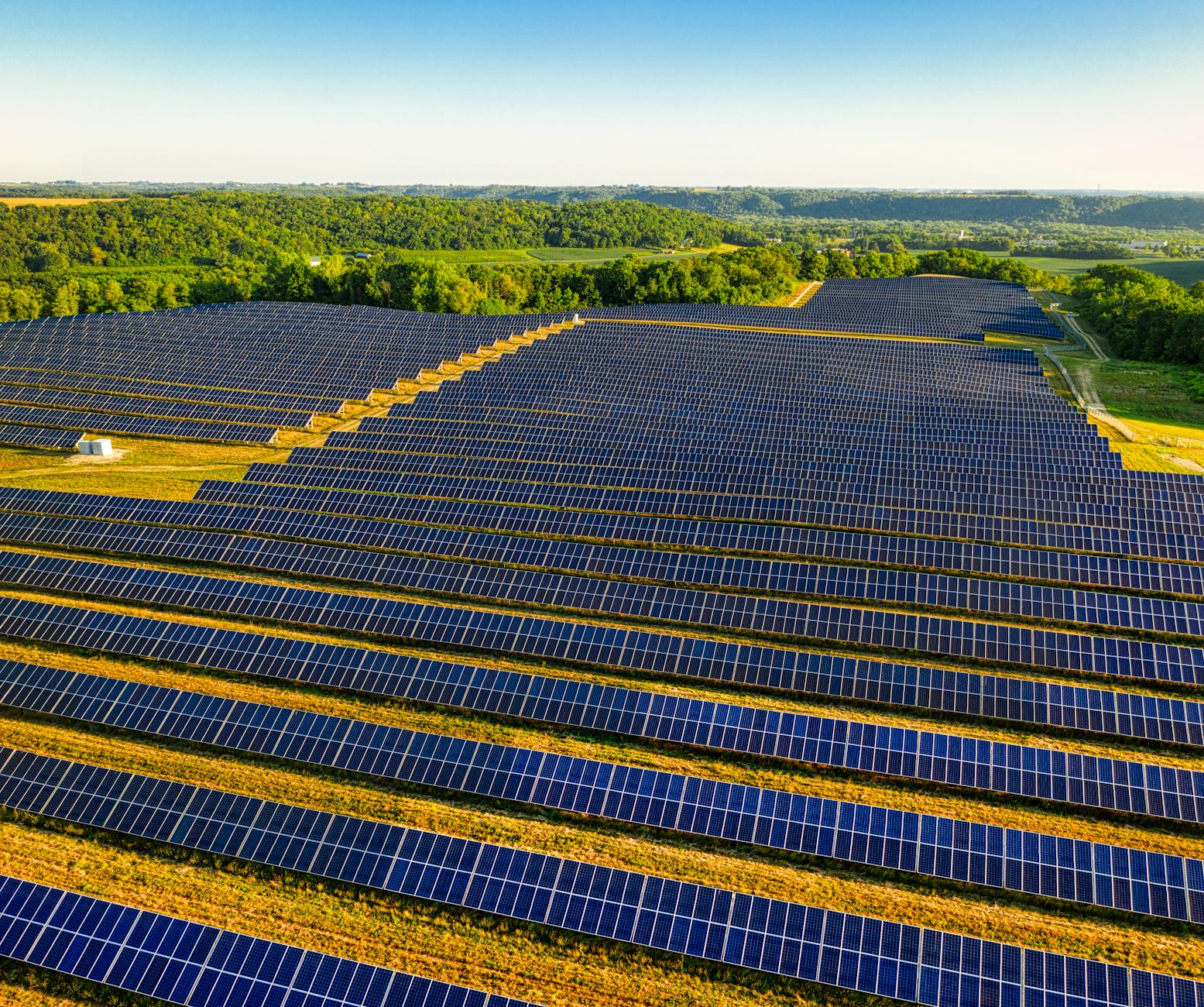
TotalEnergies and KKR are significantly boosting clean energy in the U.S. by adding a $1.2 billion solar portfolio to their joint venture, increasing its capacity by 700 megawatts to 2.1 gigawatts. These three large solar projects in Texas and Ohio are expected to begin operations by early 2027, delivering vital renewable electricity to the grid. This crucial investment accelerates our shift away from fossil fuels, reduces harmful emissions, and is a strong step towards meeting growing energy demand with sustainable solutions, helping to combat the urgent challenge of climate change.
The Pacific Ocean is experiencing an alarming and record-breaking tropical cyclone season in 2026, especially in the eastern regions, which have already surpassed previous Accumulated Cyclone Energy (ACE) records. As Hurricane Trudy drenches Mexico, poised for rapid intensification, Tropical Storm Champi is quickly gathering strength, threatening Guam and the U.S. Northern Mariana Islands. This intense activity follows two catastrophic Category 5 typhoons that already hit the Marianas this year, highlighting a dangerous trend of increasingly powerful and frequent storms, a stark reminder of the urgent need for global climate action.
California is bracing for an extreme winter, with experts predicting potentially record-breaking flooding this holiday season. Coastal hazards researcher Patrick Barnard warns that a confluence of factors, including unusually warm ocean waters, a powerful El Niño, and significant astronomical tides, is aligning for a dramatic surge. This unique combination could temporarily raise sea levels by over a foot and a half, dramatically increasing flood risks. Such events underscore the urgent need for long-term climate adaptation strategies, reminding us that proactive environmental planning is crucial for protecting our coasts from future challenges.
Ranchers on Panama's Azuero Peninsula are confronting an unprecedented drought, intensified by a historically strong El Niño, threatening their livelihoods. For generations, they've relied on traditional methods, but now face the very real risk of their vital water sources drying up. In response, many are turning to an age-old, sustainable solution: silvopasture. This innovative approach, which integrates trees into cattle grazing lands, is proving crucial for maintaining water supplies and resilient farms amidst the escalating climate crisis, highlighting the urgent need for environmental adaptation.
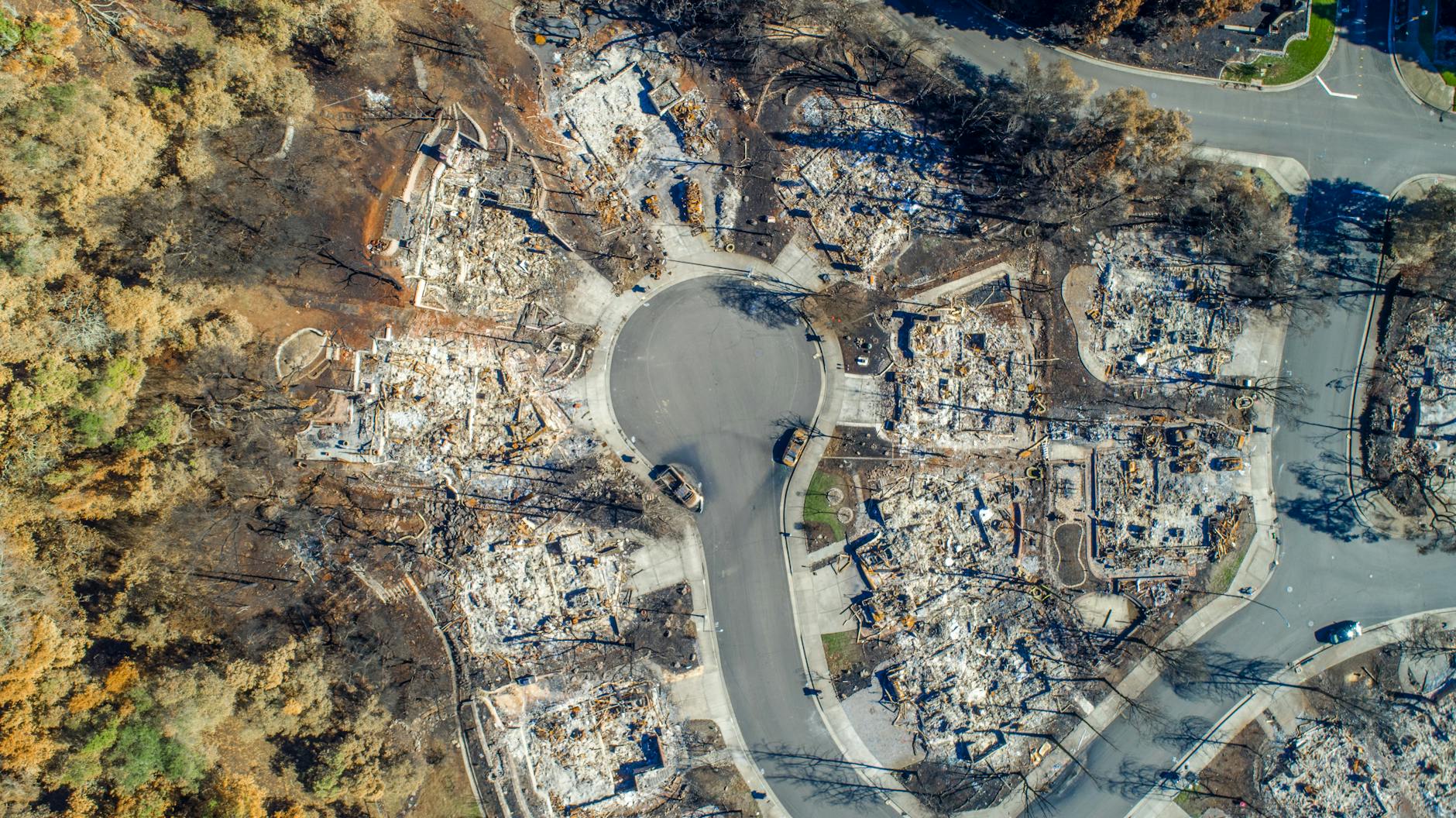
New research led by UCLA scientists reveals a surprising impact of climate change on Southern California's notorious Santa Ana winds. While global warming is already diminishing the number of weaker wind events, this doesn't reduce the devastating threat of wildfires. Instead, the combination of unchanged extreme winds and increasingly dry landscapes means the "window of opportunity" for dangerous blazes is actually expanding. This urgent shift demands greater focus on community preparedness and sustainable fire prevention strategies against an evolving wildfire risk.
Global electricity generation is set to more than double by 2060, soaring from 33,000 TWh to 84,000 TWh, as electric vehicles, AI, and renewables drive unprecedented demand. While solar and wind power are poised to become the dominant energy sources, a new report from DNV highlights a critical challenge: ensuring the necessary infrastructure—including generation, transmission, and storage—can keep pace. Alarmingly, the report forecasts that current energy transition plans will still lead to 2.3°C of global warming by 2100, underscoring the urgent need for accelerated sustainable solutions to meet climate goals.