Are '1,000-Year' Texas Rain Events Becoming the New Normal?

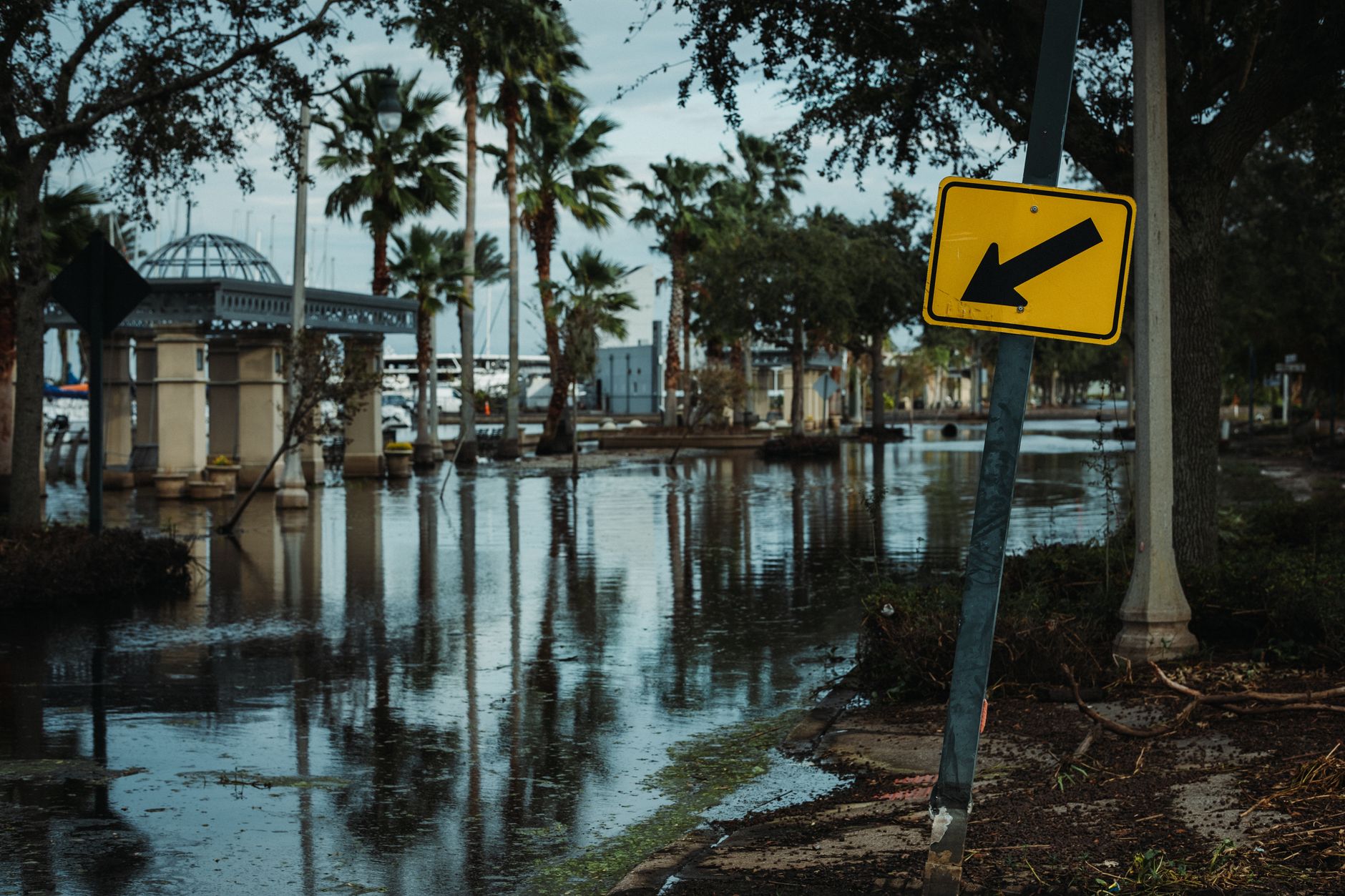
South Texas is experiencing a disturbing rise in extreme rainfall, with so-called "1,000-year" flood events occurring in back-to-back years. Federal precipitation models, though updated in 2018, seem to consistently underestimate the actual risk, leading to concerns about community safety and infrastructure design. This alarming trend points to a changing climate where warmer air holds more moisture, making heavy downpours more frequent and intense. It's a stark reminder of the urgent need to re-evaluate our understanding of weather patterns and adapt to a new environmental reality.
Recent devastating floods in South Texas, particularly around Uvalde and Sabinal, have highlighted a critical issue: our understanding of extreme weather events might be falling dangerously behind. These communities have been hit by what federal models call "1,000-year" rain events—meaning they have a 0.1 percent chance of happening in any given year—in both 2025 and 2026. This repeated occurrence raises serious questions about the accuracy of our current risk assessments.
Experts like Matthew Berg from Simfero suggest that existing federal data, even the updated Atlas 14 from 2018, which already significantly increased rainfall estimates in the region, still underestimate the true threat. He notes that historical floods, combined with recent events, indicate a need for continuous re-evaluation. These models are crucial because they guide local building codes and infrastructure design, determining how prepared our communities are for the next big storm. If the models are wrong, our defenses are inadequate.
The scientific consensus is clear: a warming climate is driving this trend. As our oceans and atmosphere heat up, more moisture is held in the air, leading to stronger, more intense downpours. John Nielsen-Gammon, Texas state climatologist, confirms that updated extreme rainfall values are "expected from climate change." A 2024 assessment of weather trends for Texas underscores this, stating that future extreme precipitation will be "dominated by the increasing temperature effect."
The impacts are already tangible. Last week, the Nueces River in Uvalde broke its all-time flow record, causing widespread damage, blocking major highways, and forcing evacuations. These events aren't just statistics; they disrupt lives and cost communities dearly. Understanding and acting on these intensifying weather patterns is vital for protecting our future and building more resilient communities in the face of a rapidly changing climate.