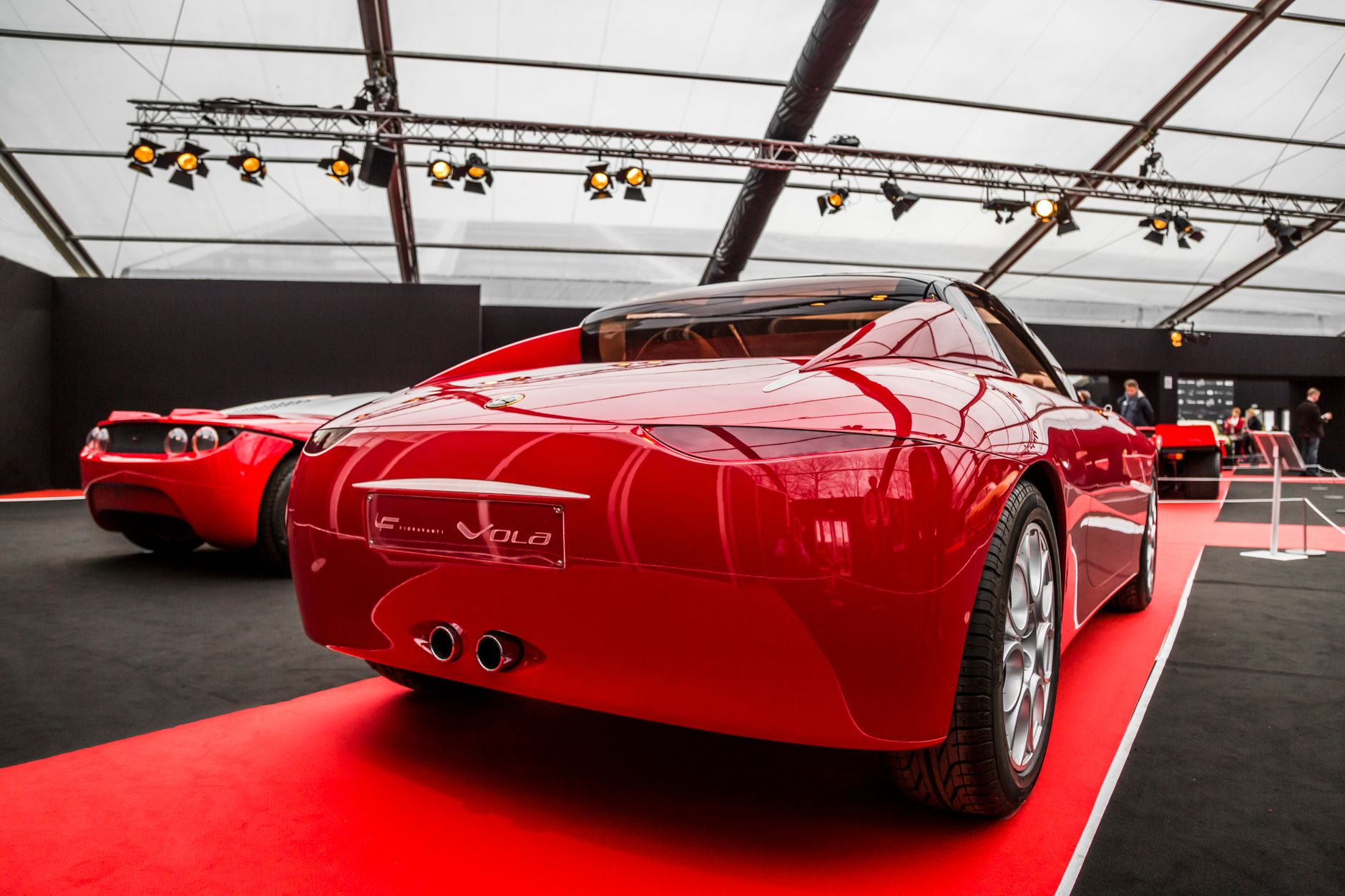
The Paris Auto Show in 2026 marked a significant turning point in the global shift towards electric vehicles. Unlike 2022, when European carmakers were largely absent and Chinese brands dominated with affordable EVs, this year saw a vibrant resurgence from European manufacturers. This intense competition is accelerating the development of accessible electric models, promising a cleaner, more sustainable future for transportation. The increased focus on affordable electrification offers a powerful boost to environmental efforts worldwide.
Elon Musk is hyping the upcoming Tesla Roadster unveiling as potentially the "greatest product demo of all time." Whispers suggest this new electric supercar could feature an advanced SpaceX-inspired propulsion system, hinting at capabilities that defy traditional car performance. With dramatic hints about a "literal banger" and "flying" vehicles, expectations are sky-high for a reveal that could redefine sustainable transportation. This event showcases how electric vehicles continue to push boundaries, offering exciting glimpses into a cleaner, high-performance future.
The Porsche Taycan 4, though not the most powerful in its lineup, is hailed as an exceptional electric sedan that redefines the driving experience. It masterfully blends sportiness, comfort, and advanced EV technology, proving that electrification enhances, rather than compromises, pure driving pleasure. This review highlights how its precision handling and thoughtful design offer an unparalleled ride, making a strong case for the superior performance of sustainable electric vehicles.
BMW is raising the bar for electric SUVs with its upcoming iX5, which is now expected to deliver an impressive 450 miles of EPA range. This significant increase from earlier estimates highlights a growing trend in electric vehicle technology, pushing past the crucial 400-mile range threshold that often addresses driver concerns. This advancement makes electric mobility a more compelling choice for those seeking both luxury and a cleaner environmental footprint, directly supporting the shift towards sustainable transportation and reducing reliance on fossil fuels.
Tesla recently unveiled its highly anticipated next-generation Roadster, promising groundbreaking performance that pushes the boundaries of electric vehicles. After nearly a decade in development, the sleek, high-performance car boasts incredible specifications, showcasing the thrilling potential of electrification. However, aspiring owners placing a hefty quarter-million-dollar deposit face a surprising caveat: Tesla explicitly states it "cannot guarantee" their vehicle will ever be delivered. This uncertainty highlights the unique challenges and long development cycles sometimes involved in pioneering advanced sustainable technology.
The highly anticipated new Tesla Roadster's full specifications have finally been revealed by Tesla's chief engineer and design boss. This groundbreaking electric vehicle (EV) is designed to push the boundaries of performance, boasting over 1,000 kilowatts of power and an impressive real-world range of over 300 miles. It showcases the incredible potential of electrification to not only match but significantly outperform traditional fossil-fuel vehicles. This release marks a significant step towards a future where extreme performance is achieved cleanly, highlighting the urgency and benefits of sustainable transportation.
Mercedes-Benz's new CLA 350 Electric is turning heads, not just with its luxury features, but with a surprising leap in performance. This new electric vehicle, powered by an innovative silicon-containing battery, redefines what drivers can expect from EV range and charging speed. It addresses key concerns for many contemplating the switch to electric, making sustainable transportation more appealing and practical than ever before. This advancement signals a significant step forward in the urgent global transition to cleaner energy.
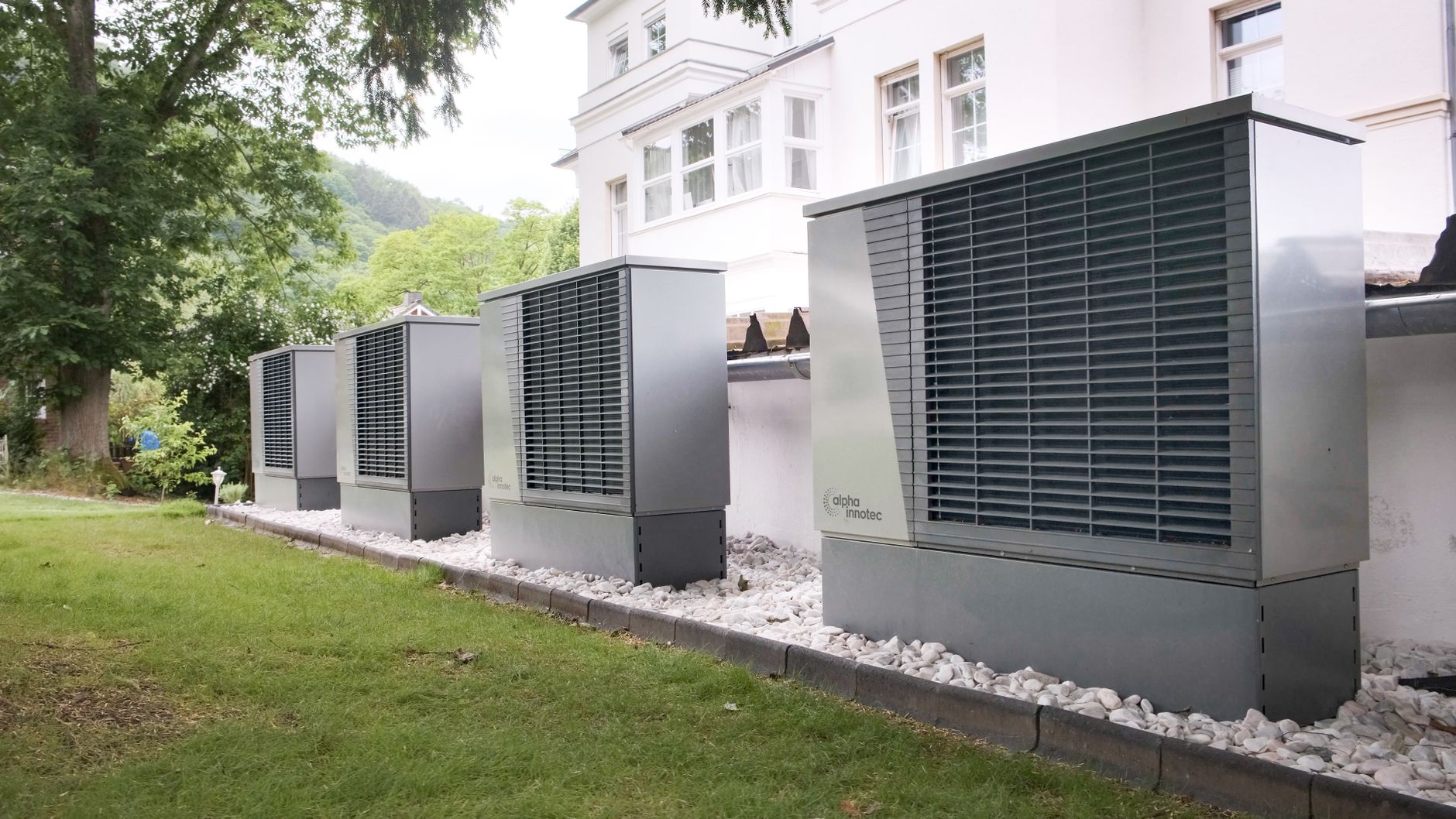
The UK government is reportedly considering significant cuts to crucial heat pump subsidies, sparking concerns about the nation's path to a greener future. These grants are vital not only for helping households switch to efficient, low-carbon heating systems but also for addressing the urgent need for cooling as climate change brings more extreme heatwaves. Critics argue that reducing support now could hinder job growth in a budding green industry and jeopardize the UK's commitment to tackling global warming, impacting both our environment and economy.
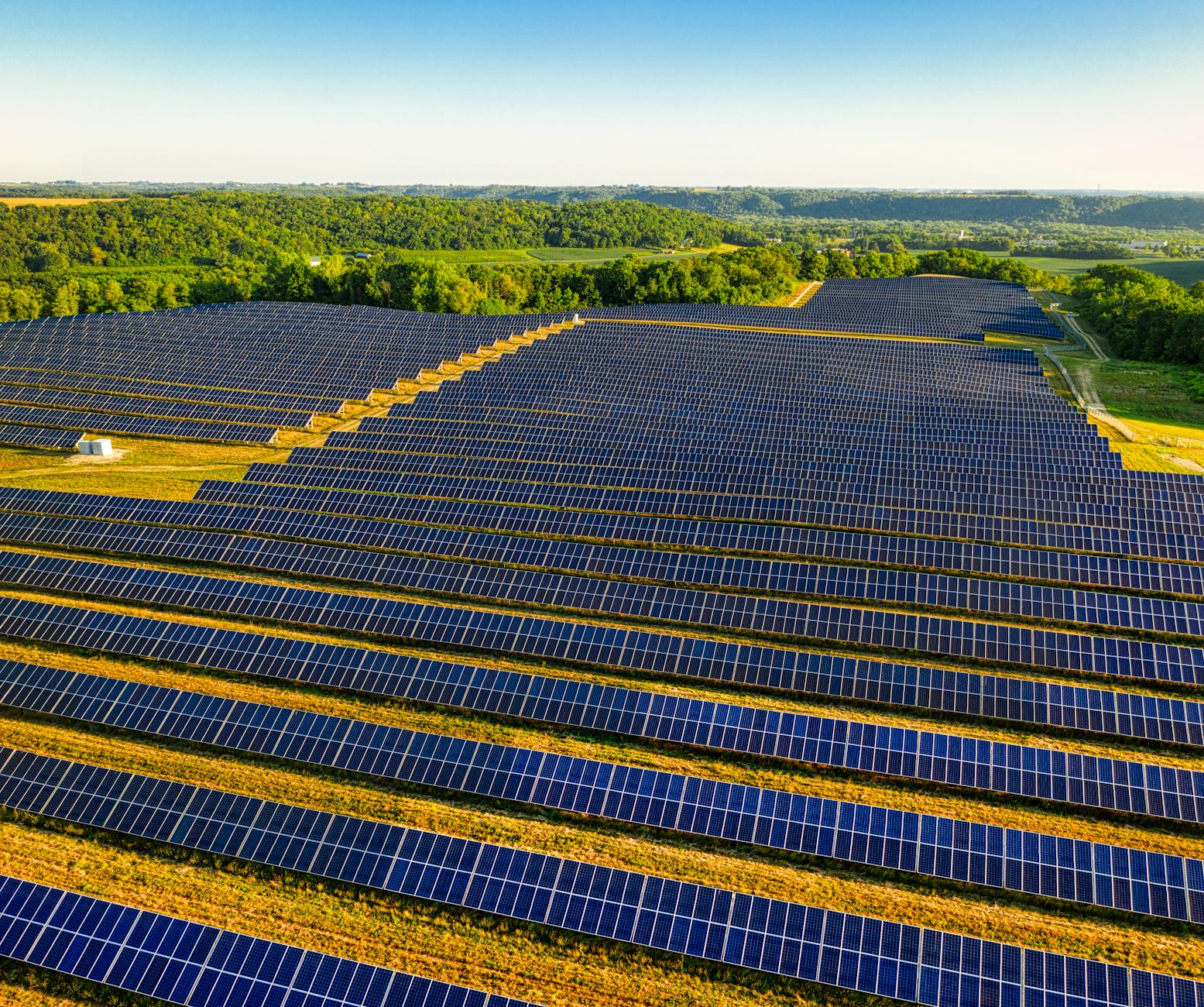
TotalEnergies and KKR are significantly boosting clean energy in the U.S. by adding a $1.2 billion solar portfolio to their joint venture, increasing its capacity by 700 megawatts to 2.1 gigawatts. These three large solar projects in Texas and Ohio are expected to begin operations by early 2027, delivering vital renewable electricity to the grid. This crucial investment accelerates our shift away from fossil fuels, reduces harmful emissions, and is a strong step towards meeting growing energy demand with sustainable solutions, helping to combat the urgent challenge of climate change.
Chinese automaker Chery is set to introduce its iCaur V27 SUV to the UK market in 2027, bringing a striking design reminiscent of the iconic Land Rover. This move signifies a growing presence for Chery in Britain, where its brands already hold a significant market share. The V27 will offer both traditional and electric powertrain options, highlighting the ongoing global shift towards cleaner, more sustainable transportation solutions. Its arrival poses an interesting question about market preference for design inspiration versus innovative electric alternatives.
Global electricity generation is set to more than double by 2060, soaring from 33,000 TWh to 84,000 TWh, as electric vehicles, AI, and renewables drive unprecedented demand. While solar and wind power are poised to become the dominant energy sources, a new report from DNV highlights a critical challenge: ensuring the necessary infrastructure—including generation, transmission, and storage—can keep pace. Alarmingly, the report forecasts that current energy transition plans will still lead to 2.3°C of global warming by 2100, underscoring the urgent need for accelerated sustainable solutions to meet climate goals.
California recently celebrated 20 years since the signing of its landmark Global Warming Solutions Act, a key piece of climate legislation. Former Republican Governor Arnold Schwarzenegger and current Democratic Governor Gavin Newsom came together to highlight the state's significant progress. This bipartisan collaboration has helped California reduce greenhouse gas emissions ahead of schedule and become a global model for environmental action. The state's commitment to clean energy not only protects our planet but also drives economic growth and energy independence.