Heat Pump Cuts: What Does it Mean for UK Homes and Jobs?

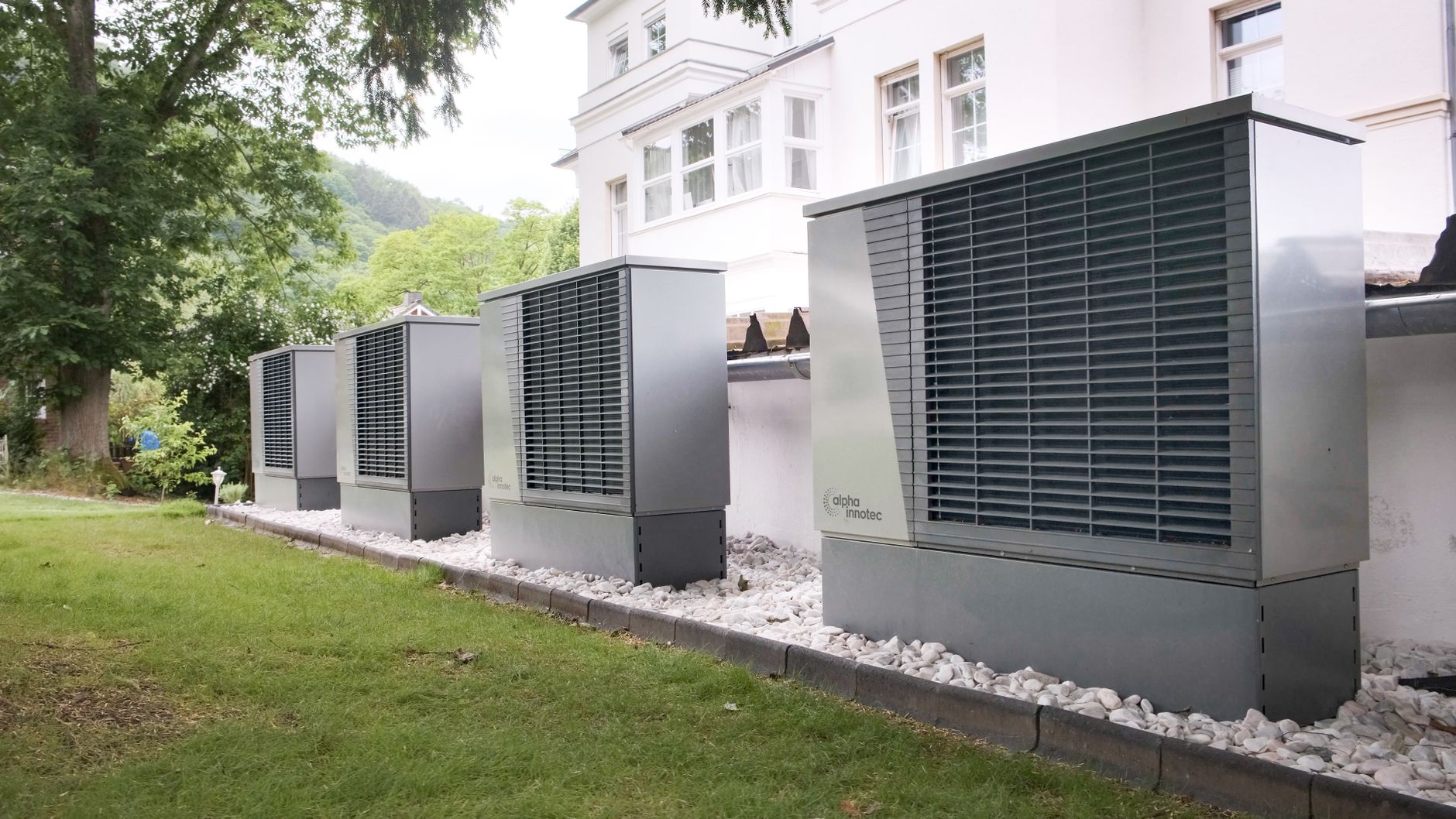
The UK government is reportedly considering significant cuts to crucial heat pump subsidies, sparking concerns about the nation's path to a greener future. These grants are vital not only for helping households switch to efficient, low-carbon heating systems but also for addressing the urgent need for cooling as climate change brings more extreme heatwaves. Critics argue that reducing support now could hinder job growth in a budding green industry and jeopardize the UK's commitment to tackling global warming, impacting both our environment and economy.
Switching to a heat pump, while cleaner and more efficient in the long run, can have higher initial costs compared to traditional boilers. Government grants, like the £7,500 offered under the Boiler Upgrade Scheme, are designed to bridge this gap, making sustainable heating accessible for more homes. This support has been crucial, with installations more than doubling between 2023 and 2026, showing a clear demand when the cost barrier is reduced BUS Evaluation Report 2026.
These subsidies act like a helping hand for a new industry, much like how support helped solar power take off in other countries. It encourages investment, drives innovation, and brings down prices over time. Industry groups predict thousands of new jobs by 2030 in heat pump manufacturing and installation if demand continues to grow, supporting the government's stated aim to boost British industry and create employment HPA From Carbon to Competitiveness 2026. This is about building a skilled workforce for the future.
While take-up has been strongest in rural areas, where homes often benefit more from replacing oil or LPG, the goal is to make these clean energy solutions available everywhere. An ongoing challenge is the relatively high cost of electricity in the UK compared to gas, which makes the running costs of electric heat pumps less competitive for some households on the gas grid. Addressing this fundamental pricing issue, for example by breaking the link from electricity prices to gas generation, would further accelerate the transition.
Beyond heating, heat pumps offer another critical benefit: cooling. As climate change leads to more intense heatwaves, like the one that cost the UK economy an estimated £4.4 billion over a few weeks this past summer Verdant Thinking, adapting homes for cooling becomes increasingly vital. Heat pumps that can both heat and cool homes provide a dual solution, improving comfort and reducing health risks, especially for vulnerable populations. Investing in these technologies now is not just about environmental action; it's a smart economic move to protect against future climate damages, returning about £3 for every £1 spent on adaptation Carbon Brief.
The potential cuts risk undermining an industry poised for growth, costing thousands of projected jobs and slowing down the urgent shift away from fossil fuels. It also makes it harder for the UK to meet its climate targets and adapt to a changing world. Supporting heat pumps isn't just about reducing carbon emissions; it's about creating a comfortable, sustainable, and economically resilient future for all.