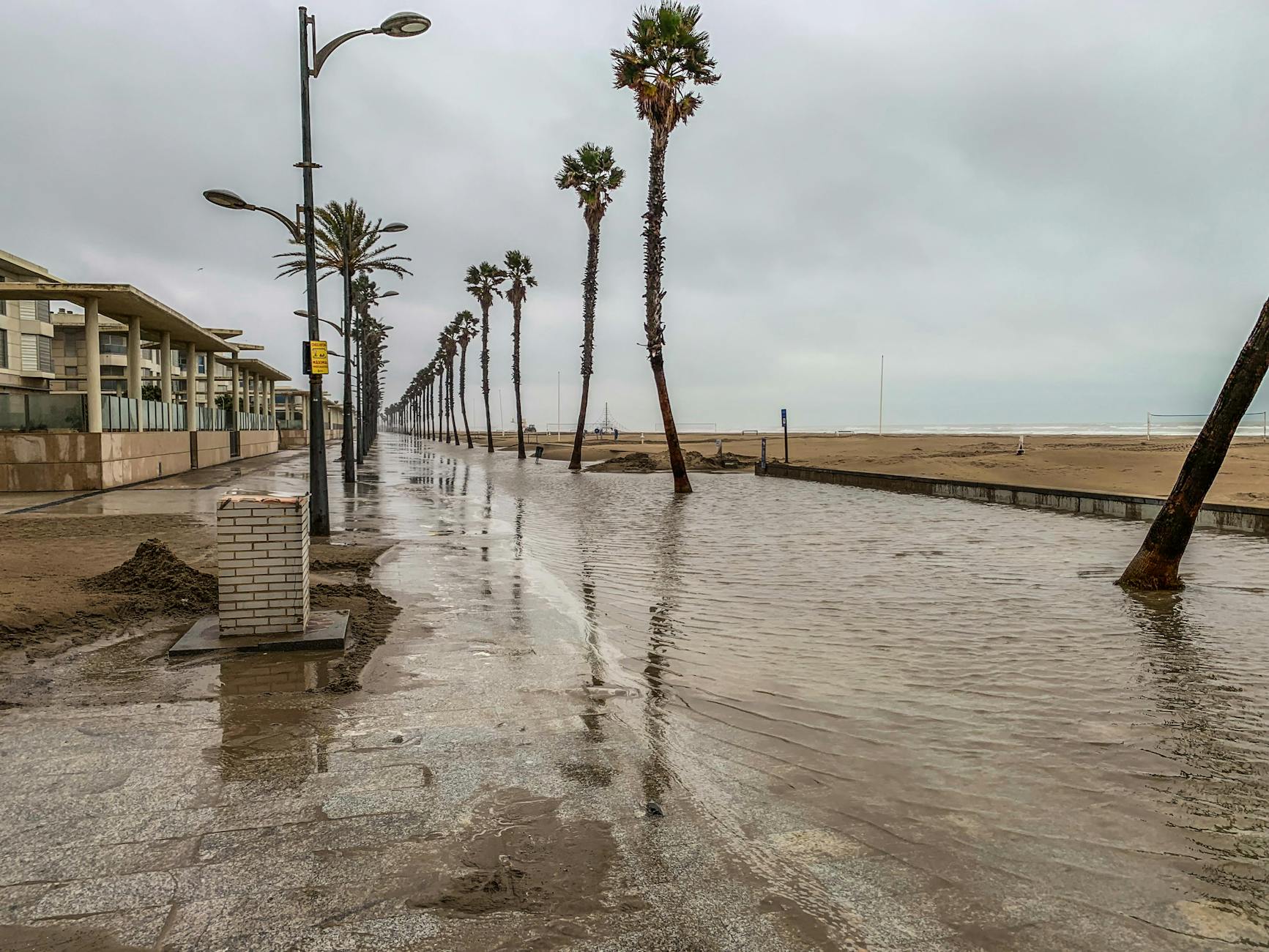
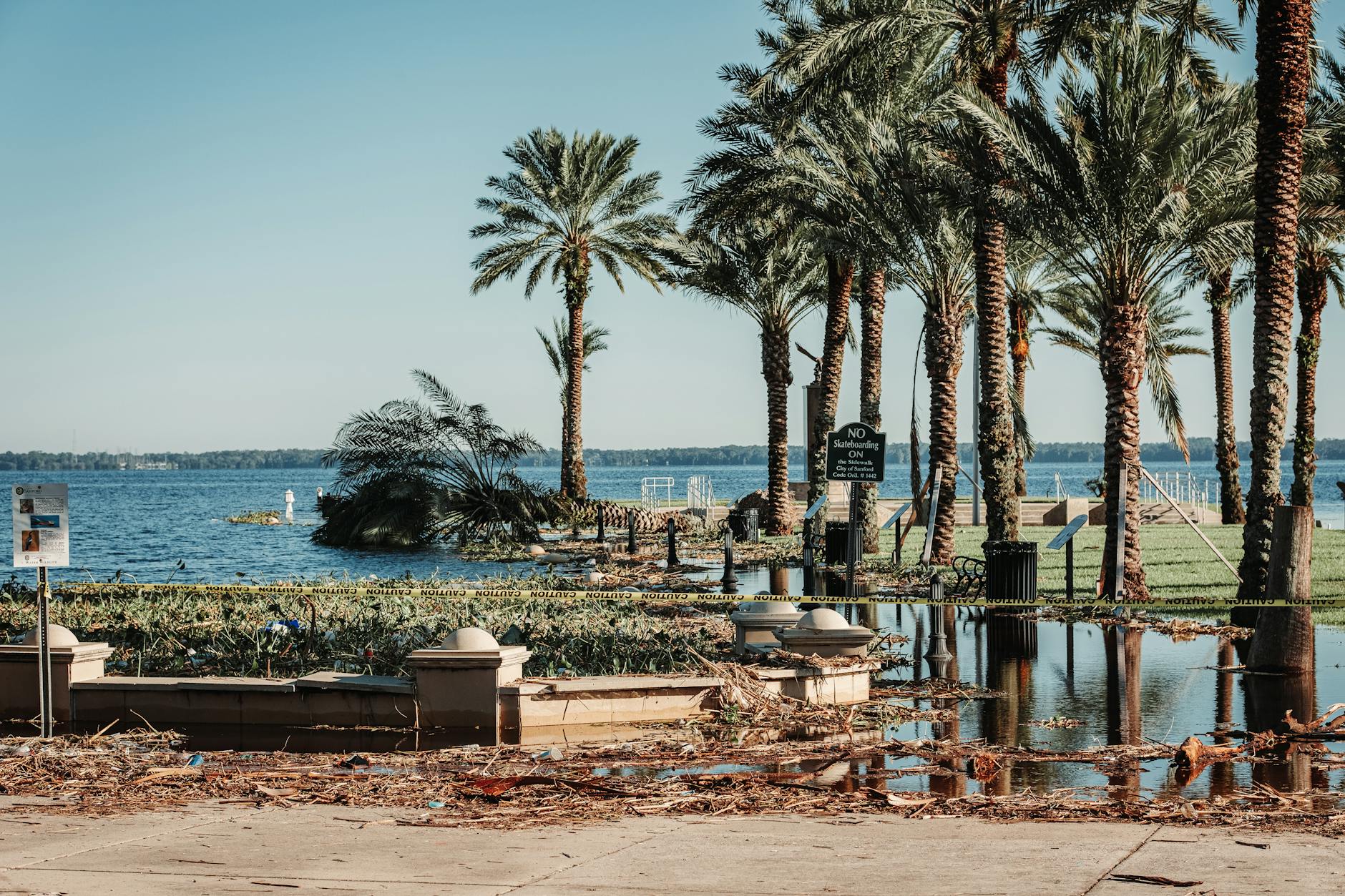
Tropical Storm Rachel caused significant damage to coastal homes in Long Beach and led to flooding in the Coachella Valley. While the most intense part of the storm has subsided, Southern California's coast remains vulnerable. Forecasters warn of continued high tides through early next week, bringing risks of beach erosion and dangerous rip currents. The exceptionally warm ocean temperatures, linked to El Niño and human-caused climate change, amplified Rachel's power, highlighting the urgent need for climate action.
Fish farming, or aquaculture, is often promoted as a green solution to overfishing, promising a sustainable source of seafood for a growing global population. However, a major two-year investigation by Inside Climate News and The Outlaw Ocean Project reveals a far more troubling reality. This global industry, valued at $300 billion annually, extensively relies on wild-caught fish to feed farmed varieties, accelerating ocean depletion rather than mitigating it. Beyond environmental degradation, the investigation uncovered a host of human rights abuses, including forced labor, worker deaths, and severe pollution impacting local communities. The findings expose a complex supply chain with hidden costs that challenge the very idea of "sustainable" seafood on our plates.
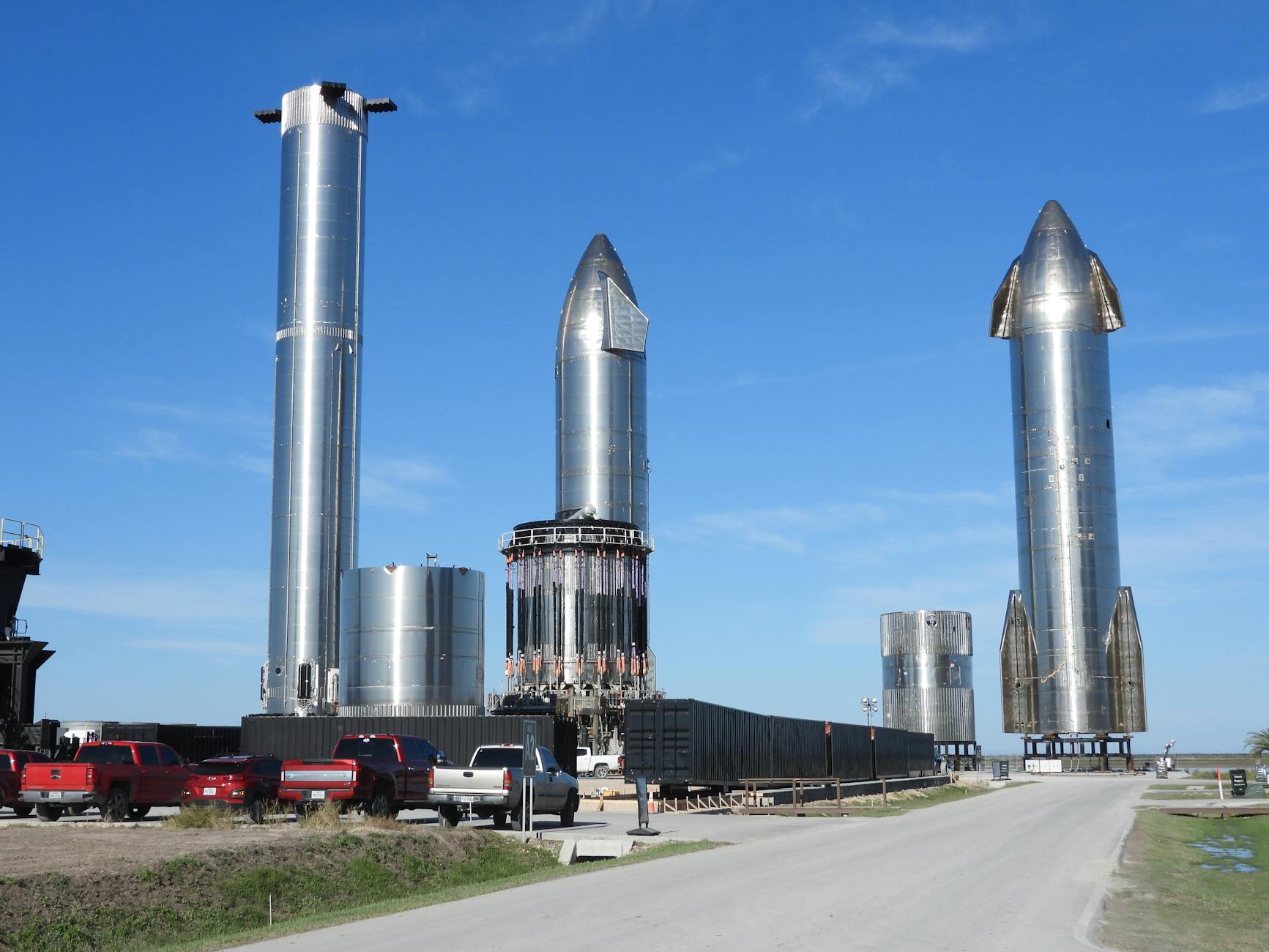
SpaceX is gearing up for its Starship Flight 15, promising a groundbreaking attempt to fully recover its upper stage rocket. This bold move aims to catch the entire Starship back at its launch site, a feat never before achieved with an orbital-class rocket. Success in this ambitious endeavor is crucial for drastically cutting down the cost of space travel, potentially by over 99%. Such reusability is key to enabling future endeavors, from deploying next-generation Starlink satellites to supporting NASA's critical missions to the Moon, highlighting a significant step towards more efficient and accessible space exploration.
Elon Musk recently revealed SpaceX's ambitious plan for Starship's upcoming Flight 15: an unprecedented attempt to catch the rocket's upper stage, the "ship," with the launch tower. This groundbreaking maneuver, expected around Thanksgiving, marks a crucial step towards achieving full reusability for orbital rockets. By making launches dramatically cheaper and more frequent, this innovative approach promises a more sustainable future for space travel, enabling missions from expanding Starlink internet service to supporting NASA's journey back to the Moon.
Corpus Christi once dreamed of a "drought-proof" water future, partnering with major industries for a massive desalination plant. This ambitious plan, meant to secure water for industrial growth, instead spiraled into a financial and political mess. The plant never materialized, leaving the Texas city facing severe water shortages, while residents faced restrictions that powerful chemical and oil companies largely avoided. Now, the community is pushing back, demanding fairness in water management as climate change intensifies drought risks.
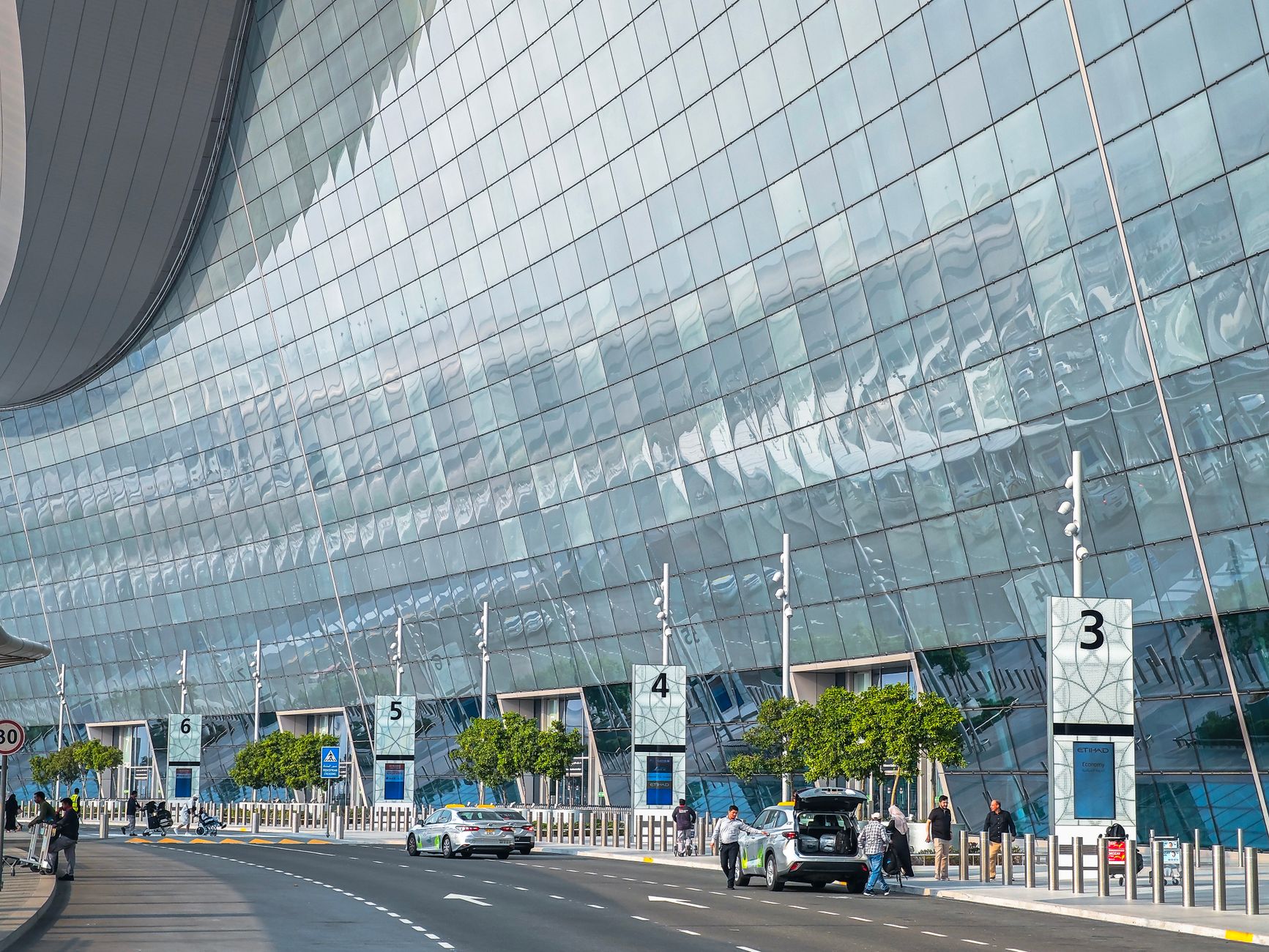
The Boring Company, known for its innovative tunneling projects, is setting its sights on the future of urban infrastructure in Abu Dhabi. A new agreement will explore underground transport and utility tunnels across the emirate, marking a significant expansion in the UAE. This move aligns with the company's ambitious growth, backed by recent investments, and its ongoing efforts to scale up projects, including the "Music City Loop" in Nashville. Such advanced underground networks promise to tackle surface congestion, making cities more efficient and sustainable by optimizing urban space.
Our global food system faces a major challenge: finding sustainable ways to feed livestock and farmed fish. A French company, Ynsect, aimed to revolutionize animal feed by mass-producing mealworm protein as an alternative to fishmeal. Despite significant investment and hype, the ambitious project failed, highlighting the complex difficulties in transitioning away from environmentally damaging practices. This collapse underscores a critical truth: addressing the climate crisis and protecting our oceans requires rethinking how we feed our animals and, ultimately, ourselves.
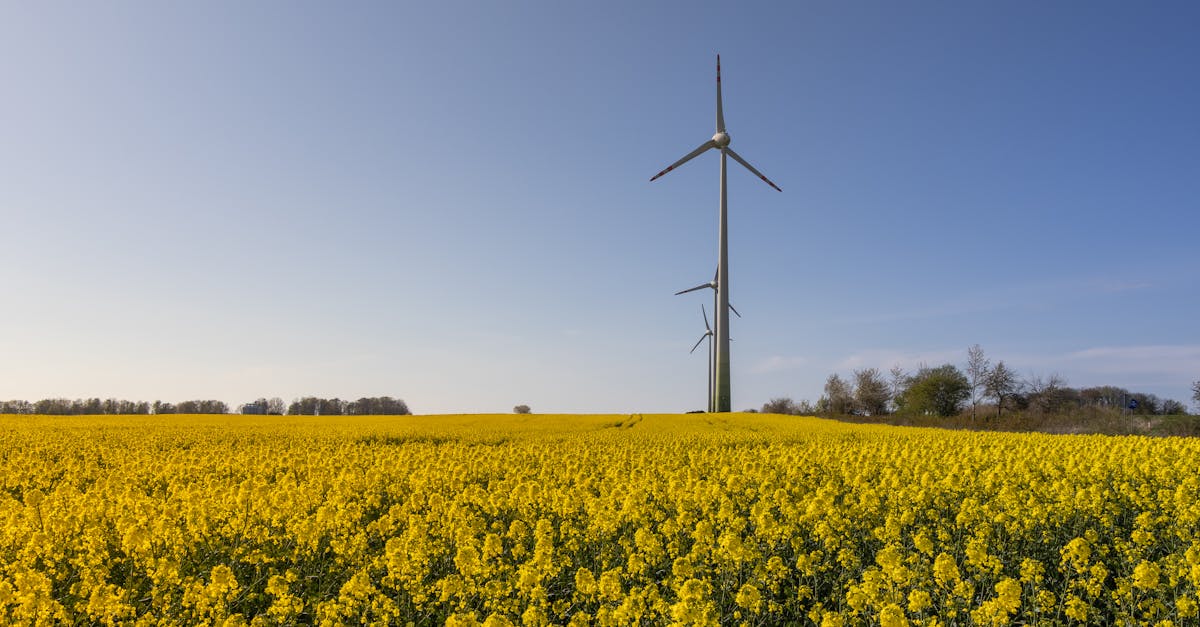
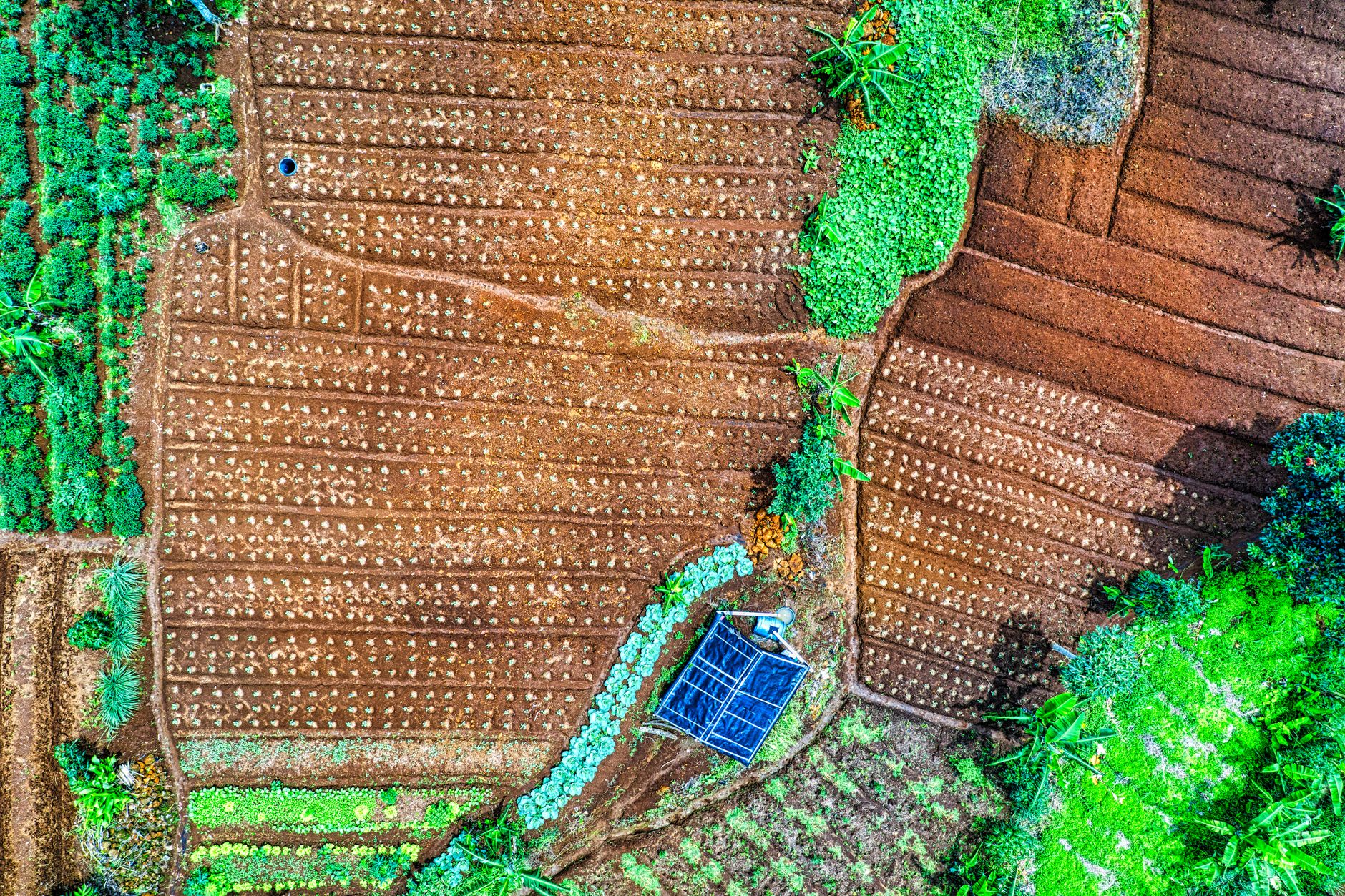
Major strides are being made in the global fight against climate change, with new opportunities emerging for both individuals and industries. The UN has opened doors for clean cooking projects to generate carbon credits, directly benefiting billions who still rely on polluting methods. Simultaneously, the European Union is formalizing carbon farming to reward sustainable land practices, while innovative agrivoltaics combine food and solar energy production. These developments underscore a growing global commitment to cleaner technologies and environmental stewardship, crucial for a sustainable future.
Hurricane Isaias swept through the Gulf Coast as a powerful Category 2 storm, leaving widespread damage and significant flooding risks across Florida and Alabama. As its remnants move northward, heavy rainfall continues to threaten the Appalachians and Mid-Atlantic regions. The storm tragically claimed at least four lives and plunged nearly 390,000 customers into darkness. This event underscores our vulnerability to intensifying weather and highlights the urgent need for resilient infrastructure and sustainable solutions to protect communities.
Construction of a double border wall between the U.S. and Mexico is sparking fierce opposition from environmental groups and Indigenous communities. This project threatens critical wildlife habitats, fragmenting corridors for species like the endangered yellow-billed cuckoo and jaguars. Despite federal waivers sidestepping environmental protections and the removal of a significant 'grandmother tree' in Arizona, activists are determined. Their fight highlights the urgent need to protect shared ecosystems from destructive infrastructure, emphasizing resilience and cross-border collaboration.
Long Beach's historic boardwalk and surrounding homes are facing unprecedented damage after a series of intense storms. Heavy surf, linked to a changing climate, has battered the coastline, causing sections of the boardwalk to collapse and inundating the peninsula with mud and sand. City officials have red-tagged nine buildings, deeming them unsafe. This escalating crisis highlights the urgent need for significant investment in coastal resilience as communities adapt to global warming's tangible effects.
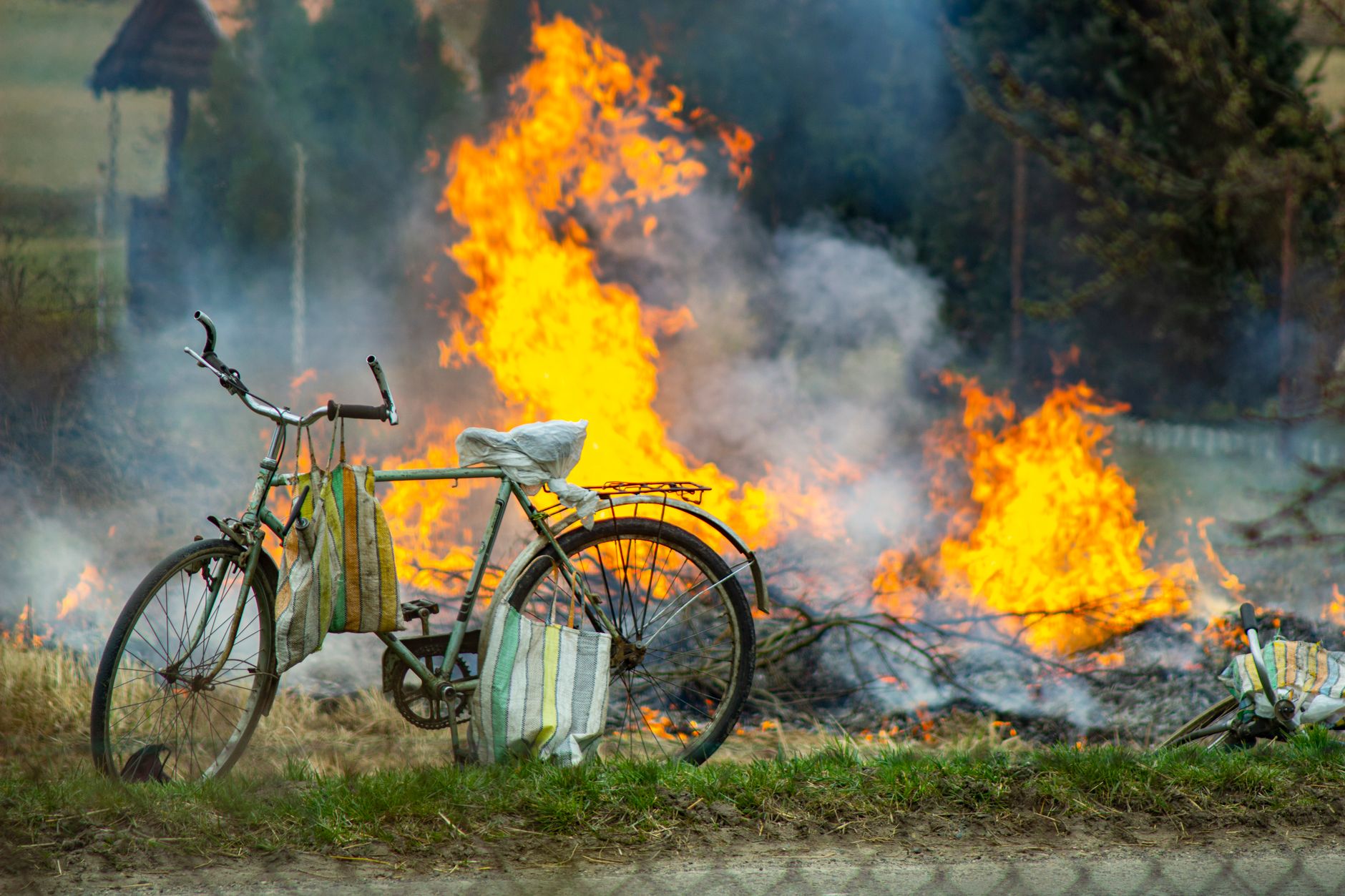
A rapidly spreading wildfire, dubbed the "Bike fire," forced urgent evacuations in parts of Santa Clarita Sunday afternoon, sending smoke billowing over rugged hillsides. Emergency crews, including L.A. County Fire and Angeles National Forest personnel, were deployed to combat the blaze, which quickly grew to 230 acres with zero containment. The swift expansion of the fire underscores the heightened risks faced by communities amidst dry conditions, even as other parts of Southern California experienced recent rains from tropical storms. This incident highlights the critical need for continued vigilance and proactive environmental strategies to mitigate wildfire dangers and protect both homes and natural landscapes.