Beyond the Storm: What Lingers After Isaias's Fury?

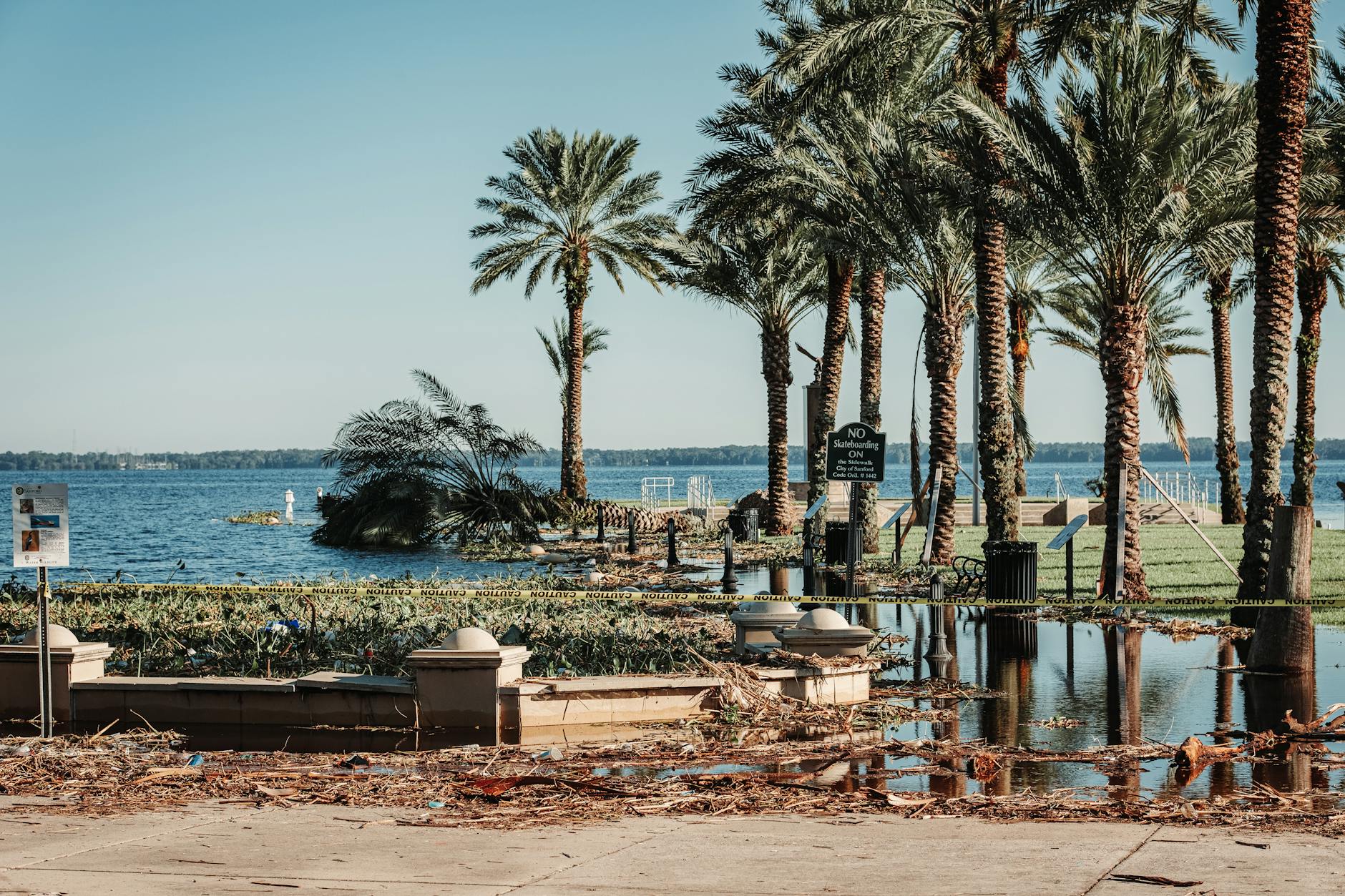
Hurricane Isaias swept through the Gulf Coast as a powerful Category 2 storm, leaving widespread damage and significant flooding risks across Florida and Alabama. As its remnants move northward, heavy rainfall continues to threaten the Appalachians and Mid-Atlantic regions. The storm tragically claimed at least four lives and plunged nearly 390,000 customers into darkness. This event underscores our vulnerability to intensifying weather and highlights the urgent need for resilient infrastructure and sustainable solutions to protect communities.
Hurricane Isaias made landfall as a powerful Category 2 storm near Destin, Florida, leaving widespread damage and triggering significant flooding risks. Its remnants are now pushing northward, bringing heavy rainfall and potential flash floods across the Appalachians and Mid-Atlantic. This recent severe weather event tragically led to at least four deaths, including those from falling trees, serving as a stark reminder of nature's intensifying power.
The storm's impact extended beyond immediate destruction, plunging nearly 390,000 homes and businesses in southern Alabama and the Florida Panhandle into darkness, according to poweroutage.com. The loss of electricity presents immense challenges for families, from preserving food to ensuring safety. Tragically, one death was linked to carbon monoxide poisoning from a generator running indoors – a perilous consequence of relying on fossil-fuel backups. This highlights the vital need for safer, more sustainable power solutions, like home battery systems or solar-powered alternatives, which offer clean energy without the dangerous fumes.
As communities begin the long process of recovery with federal aid, authorized by the President for states like Florida, Alabama, and Georgia, the broader implications of Isaias are clear. The U.S. Energy Department even authorized emergency crude oil exchanges from the Strategic Petroleum Reserve to address supply disruptions. The increasing frequency and intensity of such storms, including other powerful hurricanes like Simon in the Pacific, underscore the urgent reality of a changing climate. Investing in resilient, sustainable infrastructure and accelerating the shift towards clean energy is not just an environmental imperative but a crucial step to protect lives and livelihoods from future extreme weather events. Collective action and preparedness are essential as we face these escalating challenges.