Worst of Rachel Passed, But New Coastal Threat Looms.

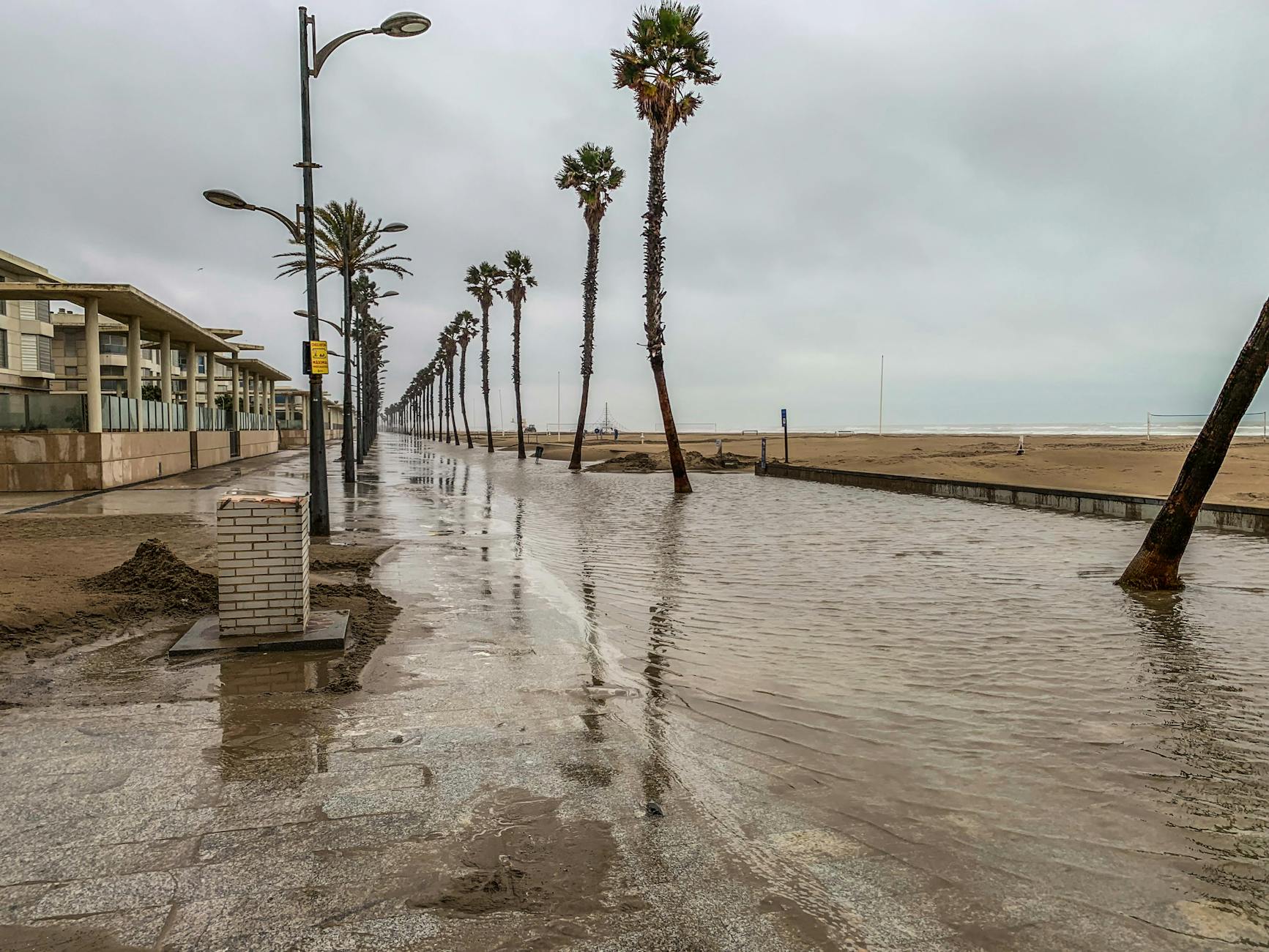
Tropical Storm Rachel caused significant damage to coastal homes in Long Beach and led to flooding in the Coachella Valley. While the most intense part of the storm has subsided, Southern California's coast remains vulnerable. Forecasters warn of continued high tides through early next week, bringing risks of beach erosion and dangerous rip currents. The exceptionally warm ocean temperatures, linked to El Niño and human-caused climate change, amplified Rachel's power, highlighting the urgent need for climate action.
Tropical Storm Rachel recently battered Southern California, causing damage to homes in Long Beach and widespread flooding further inland. Although the peak of the storm has passed, communities along the coastline are still facing threats. Coastal flood advisories are active from San Diego to San Luis Obispo, anticipating more high tides over the next few days. These tides could cause further beach erosion and flood parking areas and pathways, impacting popular coastal spots.
Beyond flooding, strong rip currents and large waves pose serious dangers, increasing the risk of drowning and capsizing small boats. Tragically, one person has already died at Dockweiler Beach, with authorities investigating if storm conditions were a factor. While some areas like Newport Beach managed to avoid major damage through swift action, the storm's impact on places like the Long Beach Peninsula was severe, sweeping away parts of the historic boardwalk and damaging houses.
Experts point to unusually warm ocean temperatures as a key factor in fueling Rachel, which briefly became a powerful Category 3 hurricane. This warmth is largely attributed to both the ongoing El Niño phenomenon and human-caused climate change, making such intense weather events more likely. This connection underscores the critical importance of addressing global warming to protect our vulnerable coastlines. While this was only the second time Southern California has experienced a Tropical Storm Watch, experts warn that more tropical impacts could occur before the hurricane season truly ends, given the persistently warm oceans.
Looking ahead, the region is also bracing for a different kind of extreme weather. Forecasters predict a swing towards high temperatures, dry air, and the season’s first Santa Ana winds by the end of the week. This shift brings a heightened potential for wildfires, presenting another significant environmental challenge. These alternating extreme weather patterns clearly illustrate the profound and varied impacts of a changing climate on our communities and natural environments.