Protein Dream Crumbles: What This Farm Failure Reveals

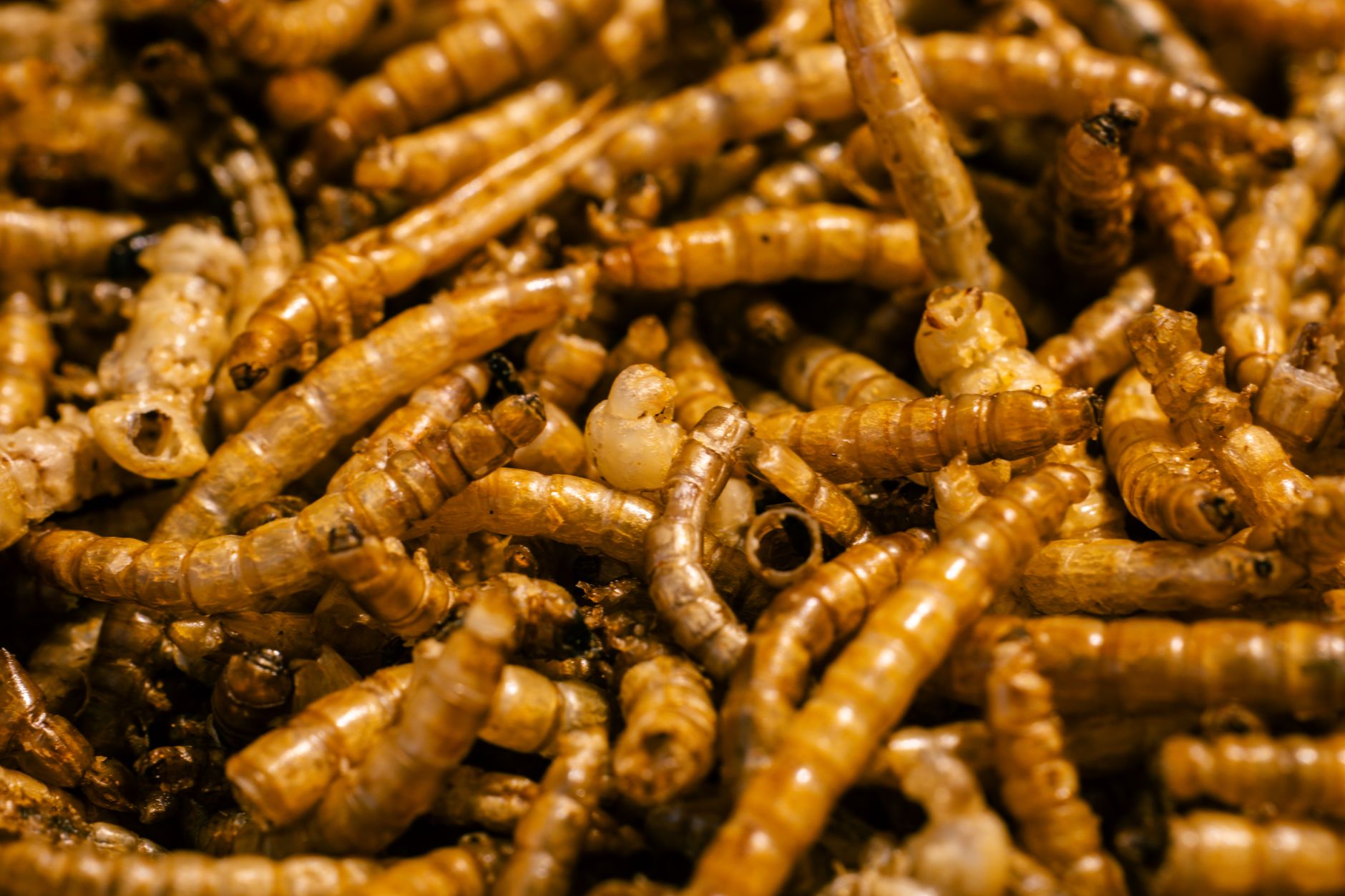
Our global food system faces a major challenge: finding sustainable ways to feed livestock and farmed fish. A French company, Ynsect, aimed to revolutionize animal feed by mass-producing mealworm protein as an alternative to fishmeal. Despite significant investment and hype, the ambitious project failed, highlighting the complex difficulties in transitioning away from environmentally damaging practices. This collapse underscores a critical truth: addressing the climate crisis and protecting our oceans requires rethinking how we feed our animals and, ultimately, ourselves.
The production of fishmeal, a key ingredient in animal feed for both land-based livestock and aquaculture, is devastating our oceans. Over a fifth of all marine life caught is turned into this feed, pushing more than a third of global fish stocks into overfished territory and accelerating ocean collapse. This industry also brings with it toxic waste dumping, unbearable stench, and often illegal fishing, as revealed by an investigation by The Outlaw Ocean Project.
Companies like Ynsect sought to change this by creating alternatives. Their massive insect farm in France aimed to replace fishmeal with high-protein mealworm powder. Hailed as a symbol of protein independence, the venture attracted over half a billion dollars. Yet, by late 2025, Ynsect was liquidated, suffering over $105 million in losses due to low demand. This rise and fall illustrates just how difficult it is to shift away from the entrenched fishmeal industry.
Part of the problem lies in the inefficiency of our current food system, where animals act as "caloric middlemen." In the U.S., over two-thirds of crop calories go to feeding livestock, not humans. While alternatives like insect larvae are praised by the Food and Agriculture Organization for their potential, they face hurdles. Insects fed with low-quality food waste often have lower growth rates and nutritional value, raising food safety concerns. Regulations in regions like the EU force insect farms to use food-grade crops, meaning they end up competing for resources that could feed humans or other animals, instead of upcycling waste.
Even soy, another common feed ingredient, brings its own set of environmental issues. Industrial soy farming is a major driver of deforestation and human rights abuses in places like Brazil and Bolivia, where vast tracts of forest are cleared to make way for crops. Shifting to soy doesn't solve the core problem; it often just moves it, as concluded by a 2023 report that found no "silver bullet" feed solution for global sustainability.
The real solution, experts suggest, lies in changing our diets and what we feed our livestock. The World Wildlife Fund proposes feeding cows food not fit for human consumption and having humans directly eat edible crops, saving millions of acres. Locally-grown proteins like alfalfa and fava beans for European livestock could reduce the carbon footprint of the feed industry by about 10 percent. Ultimately, reducing meat-intensive diets and choosing more sustainable seafood like bivalves (oysters, mussels, clams) over fish, shrimp, and octopus would lessen the environmental impacts of our food choices, helping us protect vital ecosystems and combat climate change.