Corpus Christi's '$1.2 Billion' Water Dream: What Went Wrong?

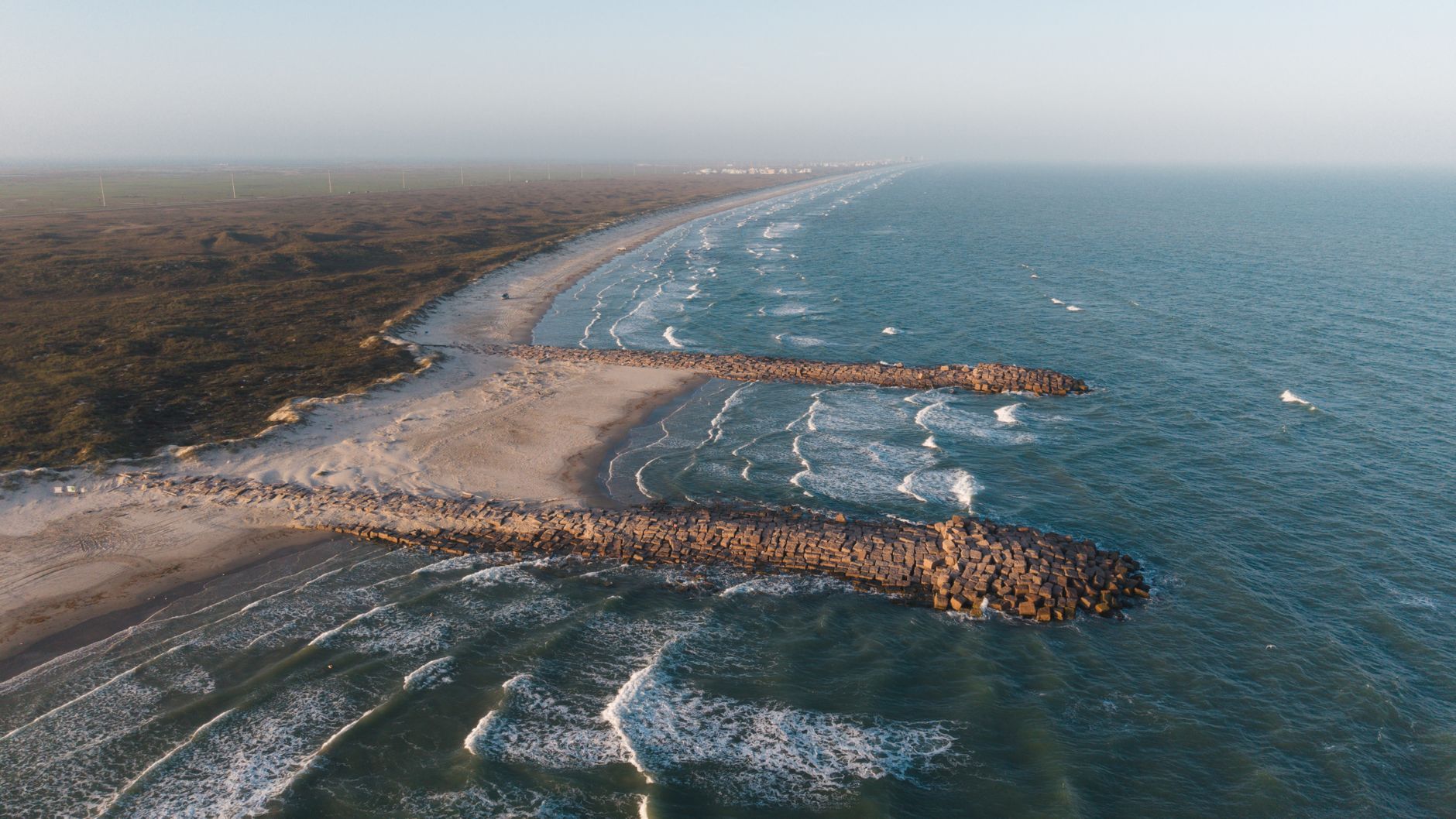
Corpus Christi once dreamed of a "drought-proof" water future, partnering with major industries for a massive desalination plant. This ambitious plan, meant to secure water for industrial growth, instead spiraled into a financial and political mess. The plant never materialized, leaving the Texas city facing severe water shortages, while residents faced restrictions that powerful chemical and oil companies largely avoided. Now, the community is pushing back, demanding fairness in water management as climate change intensifies drought risks.
In 2018, as the shale-oil boom surged, Corpus Christi officials and industry leaders unveiled a bold vision: a desalination plant to make the city "drought proof." Companies like OxyChem and Valero would fund the plant, ensuring their operations wouldn't be halted during dry spells, and in return, they'd be exempt from water restrictions that might affect ordinary citizens. City leaders hailed this as a brilliant, publicly beneficial deal.
However, this dream quickly dissolved. The promised plant never got built, caught in a tangle of political shifts, the pandemic, and rising costs. What was once a $140 million project ballooned to an estimated $1.2 billion. Meanwhile, the initial industrial contributions covered only a fraction of the mounting expenses, leaving public funds to shoulder tens of millions in costs.
As the region plunged into severe drought, reservoirs neared empty. Residents faced bans on lawn watering and car washing, while the chemical plants and refineries – using more water than the entire Coastal Bend population – largely continued operations unhindered due to their original exemption. This stark imbalance fueled public outrage, highlighting a critical lesson in balancing industrial needs with community well-being and environmental responsibility. Climate change makes such droughts more frequent and intense, underlining the urgent need for sustainable and equitable water solutions.
Now, fed up with the broken promise and unfair burden, local activists have successfully pushed a measure onto November's ballot. This proposal aims to revoke the industrial water exemptions and significantly increase the price companies pay for water during future droughts. This vote represents a pivotal moment for Corpus Christi, signaling a potential shift in how public resources are managed and how communities confront the real impacts of a changing climate. It's a clear call for fair water access and a sustainable future for all, rather than prioritizing unchecked industrial expansion at the expense of residents and the environment.