New Climate Solutions Emerge: What This Means for Billions

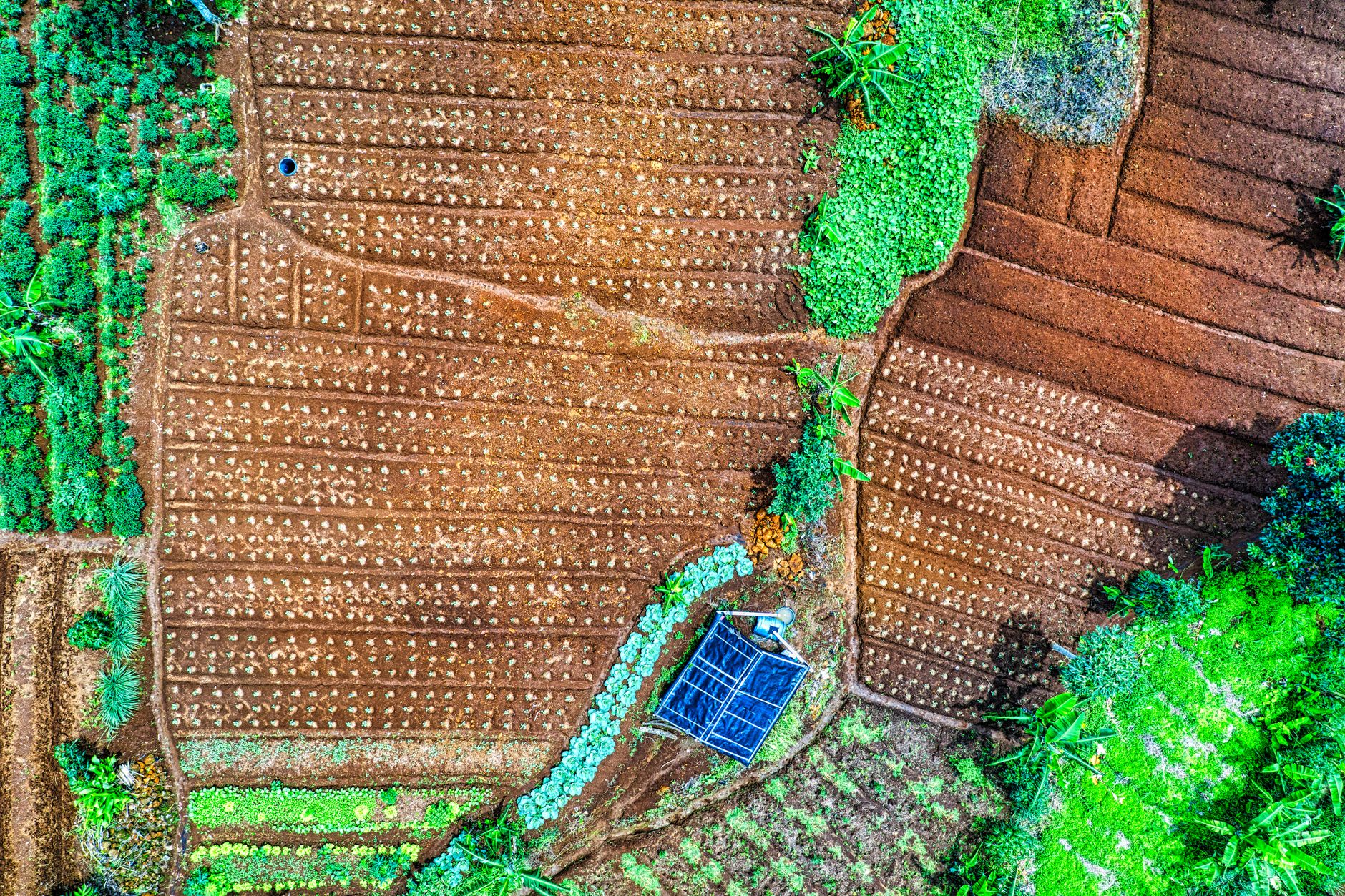
Major strides are being made in the global fight against climate change, with new opportunities emerging for both individuals and industries. The UN has opened doors for clean cooking projects to generate carbon credits, directly benefiting billions who still rely on polluting methods. Simultaneously, the European Union is formalizing carbon farming to reward sustainable land practices, while innovative agrivoltaics combine food and solar energy production. These developments underscore a growing global commitment to cleaner technologies and environmental stewardship, crucial for a sustainable future.
The United Nations is accelerating climate action by allowing clean cooking projects to generate carbon credits under the Paris Agreement market. This pivotal move helps replace polluting cooking methods for an estimated 2.1 billion people, significantly reducing harmful emissions and improving public health, especially in vulnerable communities. The new system ensures that these emission reductions are real and measurable, bolstering the integrity of global carbon markets and encouraging the shift towards cleaner energy solutions.
In Europe, the Commission has set clear rules for certifying carbon farming activities. This means farmers and land managers can now earn credits for practices like sequestering carbon in soil, restoring vital organic soils, and planting new forests. These initiatives are not just about reducing carbon; they also boost biodiversity, make our ecosystems more resilient to climate change, and enhance food security, offering a win-win for both the environment and the economy.
Looking ahead, agrivoltaics, the innovative practice of growing crops beneath solar panels, is rapidly expanding across Europe, Asia, and the United States. This approach allows land to produce both food and clean electricity, offering farmers diversified income, reducing our carbon footprint, and strengthening local energy independence. Research highlights that certain crops can thrive in partial shade, while vegetation helps keep solar panels cool and more efficient. Tools like Japan's "Co-benefits Calculator" are helping communities understand and adopt these powerful dual-use systems, proving that sustainable solutions can be both practical and profitable.
On the policy front, the European Union's Carbon Border Adjustment Mechanism (CBAM) continues to influence global supply chains, with certificate prices reflecting the increasing cost of carbon emissions. Meanwhile, a report from the Global Reporting Initiative (GRI) shows encouraging progress in sustainability reporting worldwide, particularly in the Global South, indicating a growing commitment to corporate transparency and accountability. These efforts, combined with calls from organizations like the Norwegian Consumer Council to reconsider our consumption habits, emphasize that collective action and thoughtful choices are essential to protect our planet from the ongoing climate crisis.