BMW's Electric X5 Range Takes a Surprising Leap Forward

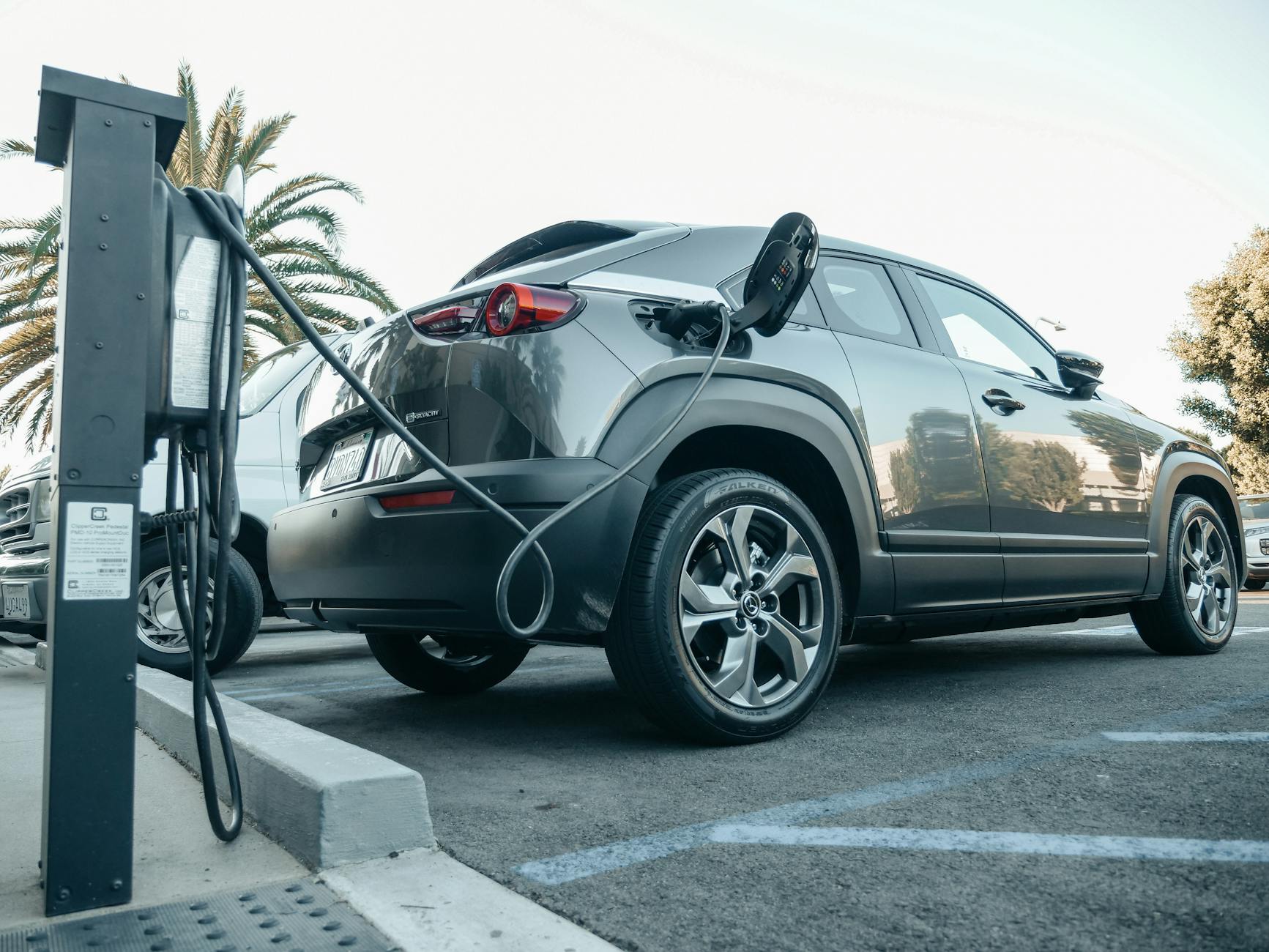
BMW is raising the bar for electric SUVs with its upcoming iX5, which is now expected to deliver an impressive 450 miles of EPA range. This significant increase from earlier estimates highlights a growing trend in electric vehicle technology, pushing past the crucial 400-mile range threshold that often addresses driver concerns. This advancement makes electric mobility a more compelling choice for those seeking both luxury and a cleaner environmental footprint, directly supporting the shift towards sustainable transportation and reducing reliance on fossil fuels.
The new BMW iX5 is poised to make long-distance electric travel easier than ever, with the automaker now targeting an EPA range of 450 miles. This is a notable improvement over their initial goal of 435 miles for the electric X5.
BMW representatives emphasized that reaching beyond 400 miles helps alleviate 'range anxiety,' a common concern for potential EV buyers. The extra mileage, up to 450 miles, is specifically designed to accommodate real-world driving conditions, like cruising at higher speeds or using air conditioning, without compromising convenience. This commitment to extended range makes electric vehicles a more practical and attractive option for families and adventurers alike, showcasing the powerful benefits of electrification.
Underpinning this impressive range is a massive 144-kilowatt-hour battery pack, the largest ever fitted in a production BMW vehicle. This advanced 'Gen 6' technology not only boosts range but also supports rapid charging, allowing the iX5 to go from 10% to 80% charge in just 22 minutes. Such innovations are crucial for accelerating the transition to electric vehicles, offering both performance and environmental responsibility. The iX5 is set to hit the market in the first quarter of 2027, contributing significantly to a greener automotive future.