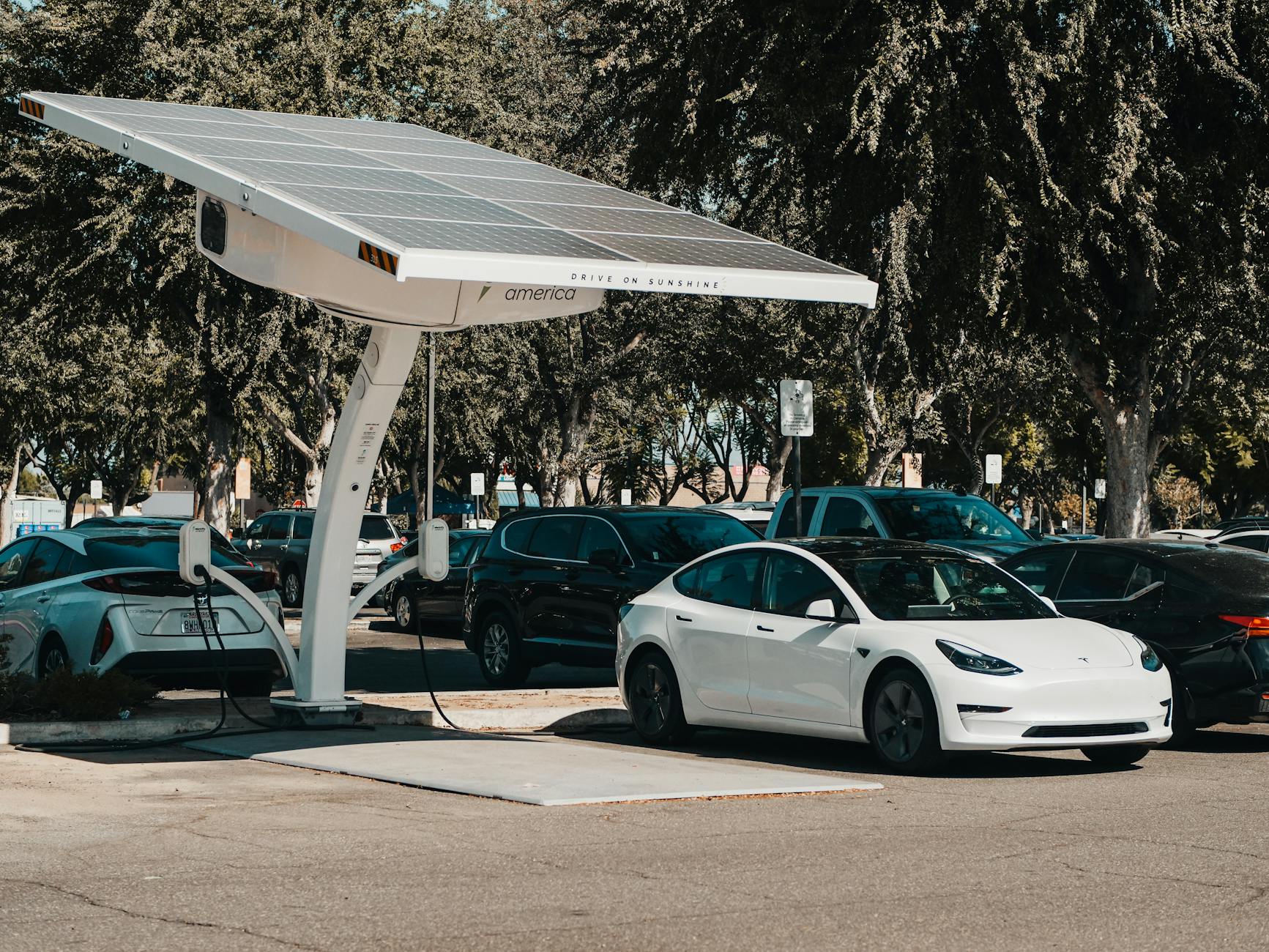
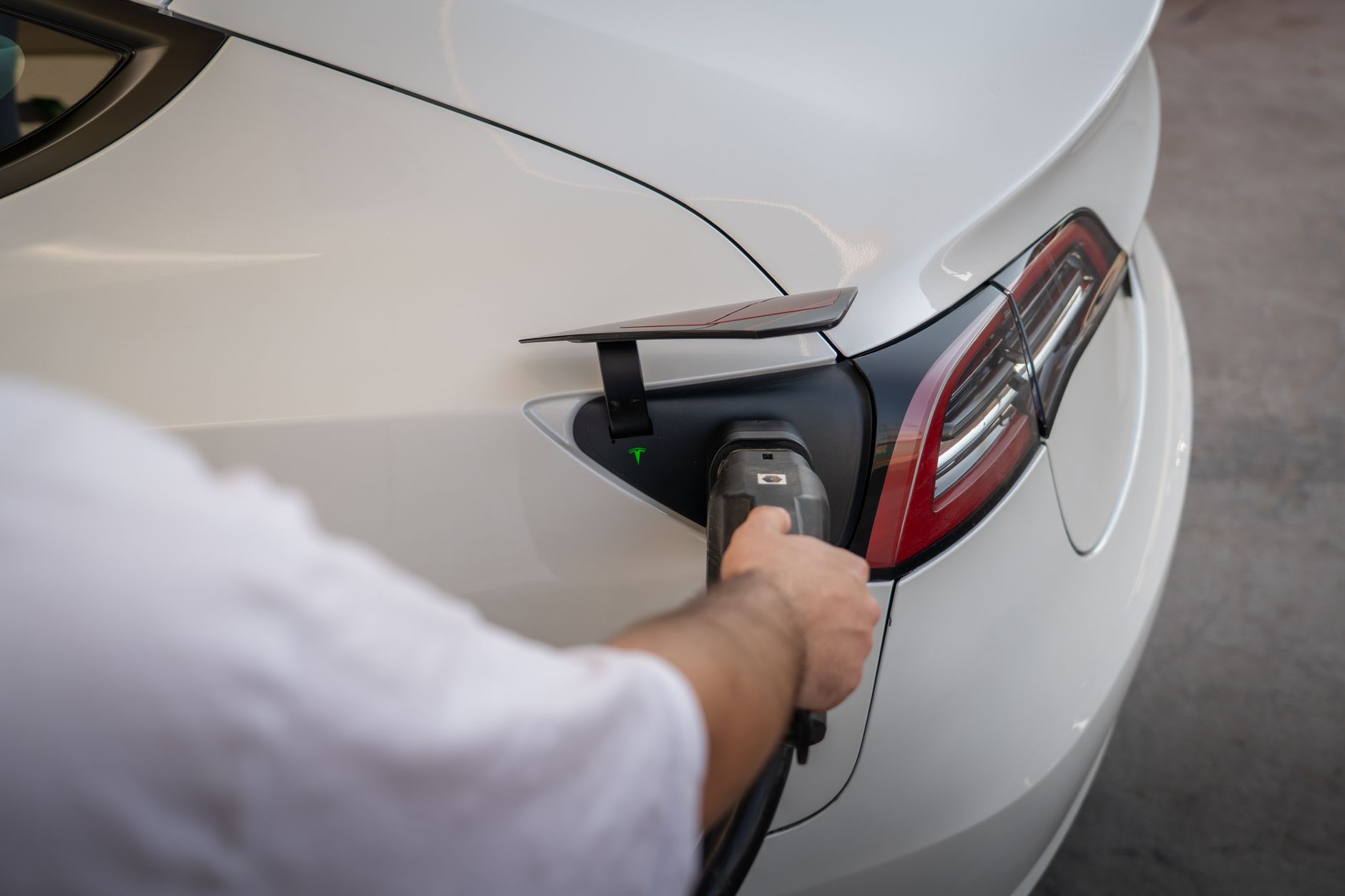
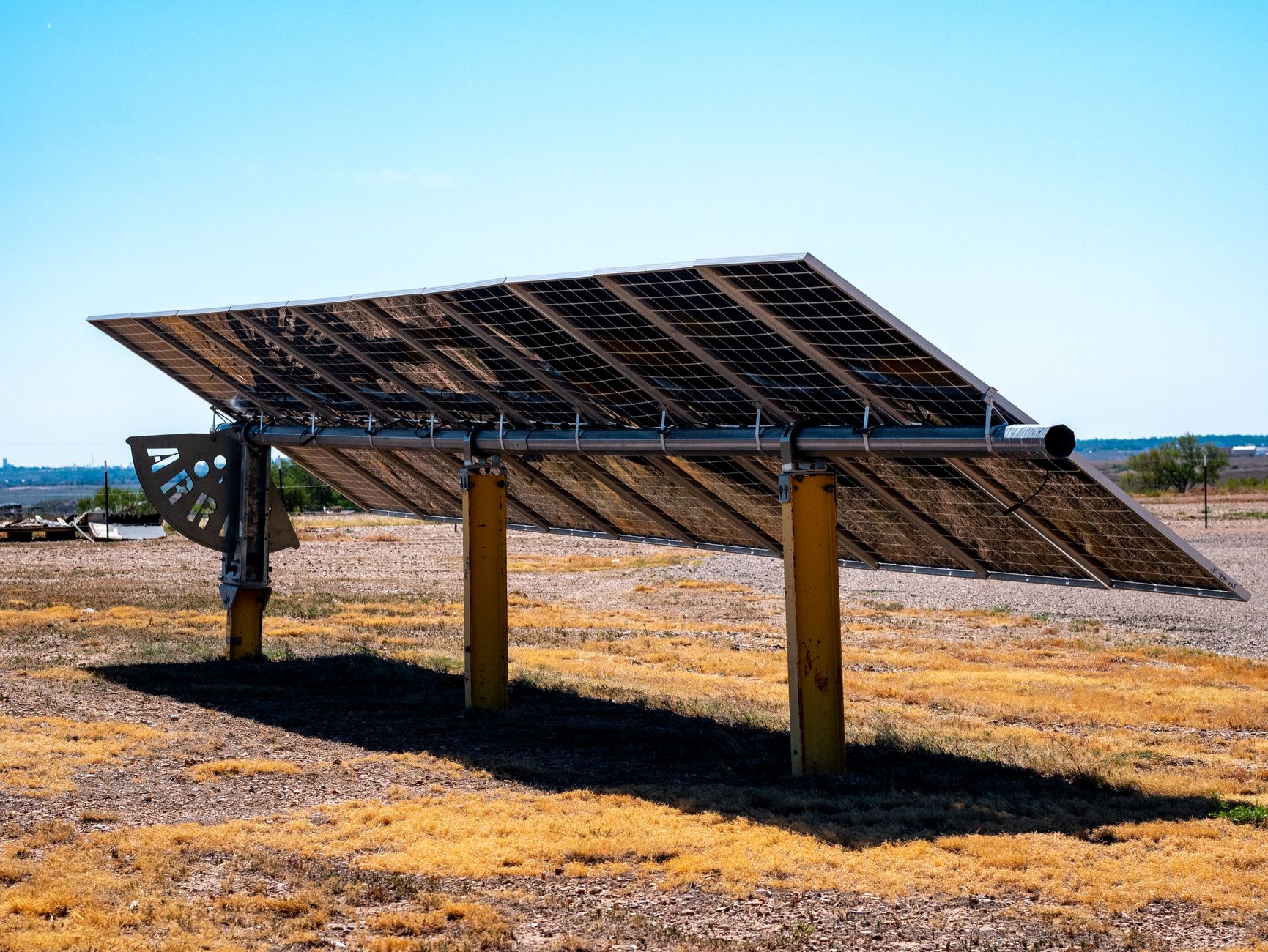
The International Energy Agency (IEA) reports an optimistic outlook on global electrification, suggesting that cost, security, and environmental benefits are aligning like never before. With electric vehicles offering nearly three times the mileage of gasoline cars for the same cost and heat pumps providing 40% more heating than gas boilers, the advantages are clear. However, while the path towards a cleaner, electrified future seems logical, leading energy researchers caution that significant political and economic hurdles remain, underscoring the urgency for collective action to combat global warming.
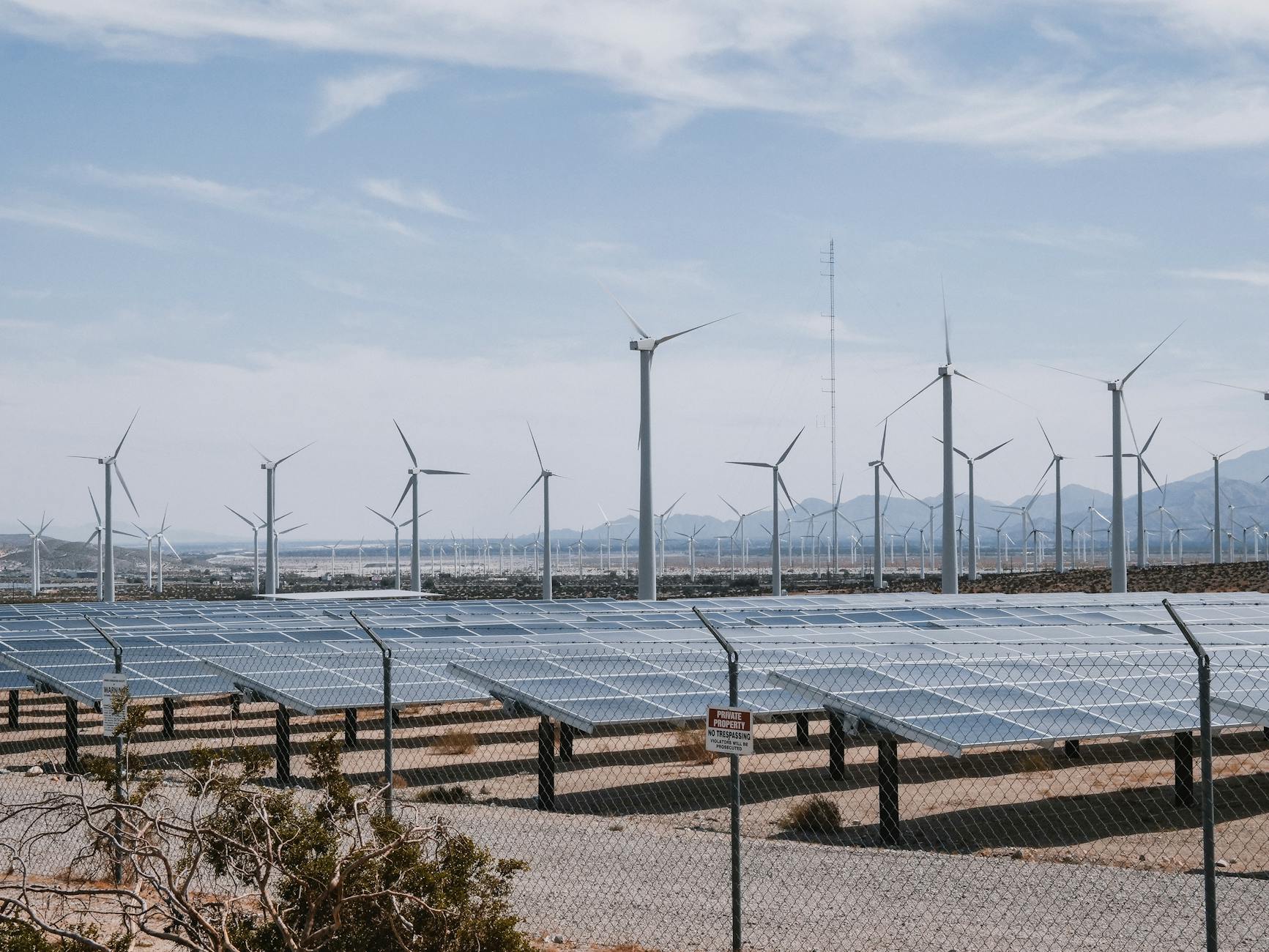
Over 700 companies worldwide are making a powerful commitment to reach net-zero carbon emissions by 2040 through The Climate Pledge. This ambitious corporate action is a significant step towards a sustainable future, with many firms already cutting their emissions, especially from purchased electricity. However, a major hurdle remains: global renewable energy growth, though record-breaking, isn't fast enough to meet the urgent goal of tripling capacity by 2030. This gap threatens to slow down climate progress, underscoring the critical need for even quicker adoption of clean energy solutions.
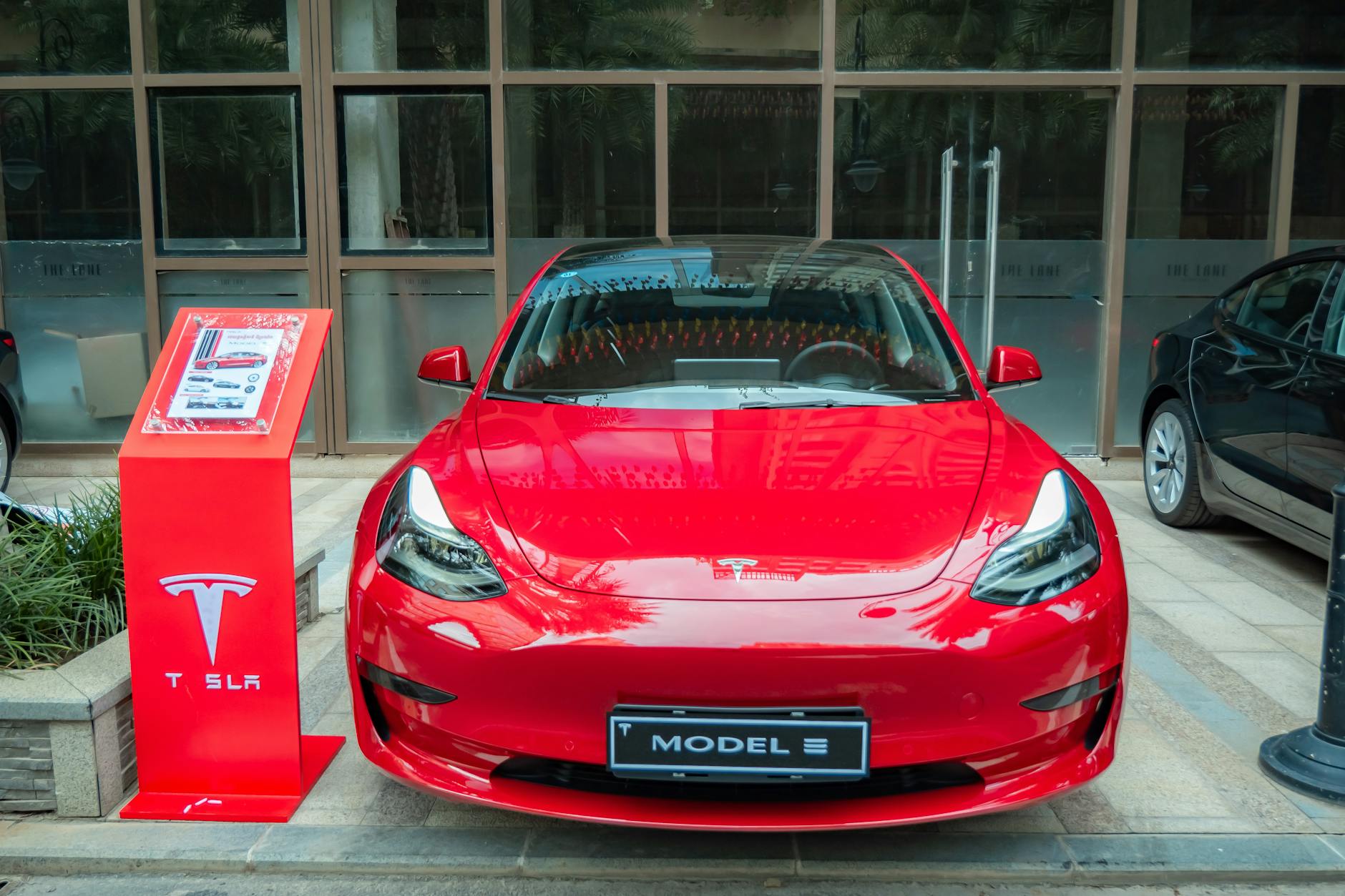
Tesla's upcoming Roadster is set to redefine electric vehicle performance with a newly granted patent. This innovation, dubbed an "Electric Car Fan," aims to provide unparalleled downforce to keep the vehicle firmly on the ground, regardless of speed. This ensures instant torque can translate into breathtaking acceleration and superior handling, overcoming a common challenge for high-powered electric cars. Such advancements not only push the boundaries of automotive engineering but also showcase the incredible potential of electric propulsion in shaping a sustainable and exhilarating future for transportation.
A significant step for climate action has been taken as Verra’s carbon capture and storage (CCS) method, known as VM0049, gained approval from the Integrity Council for the Voluntary Carbon Market (ICVCM). This endorsement means that projects using this method meet high-integrity standards, boosting confidence in carbon credits generated from capturing and permanently storing CO₂. Such technologies are crucial for accelerating our journey towards a net-zero future, emphasizing the urgent need for credible, sustainable solutions to global warming. This move reinforces the importance of robust frameworks in the expanding carbon removal market.
Meta recently announced a significant solar energy purchase in Texas, a move that will bring a new 144-megawatt project online. This comes as the tech giant faces scrutiny after quietly stepping away from a major corporate renewable energy initiative earlier this year. While embracing solar, Meta is also planning a large gas-fired plant to power new data centers crucial for its expanding artificial intelligence operations. This dual approach raises questions about the company's commitment to fully clean energy amidst the surging demand for power from AI, highlighting the urgent need for sustainable solutions in the tech sector.
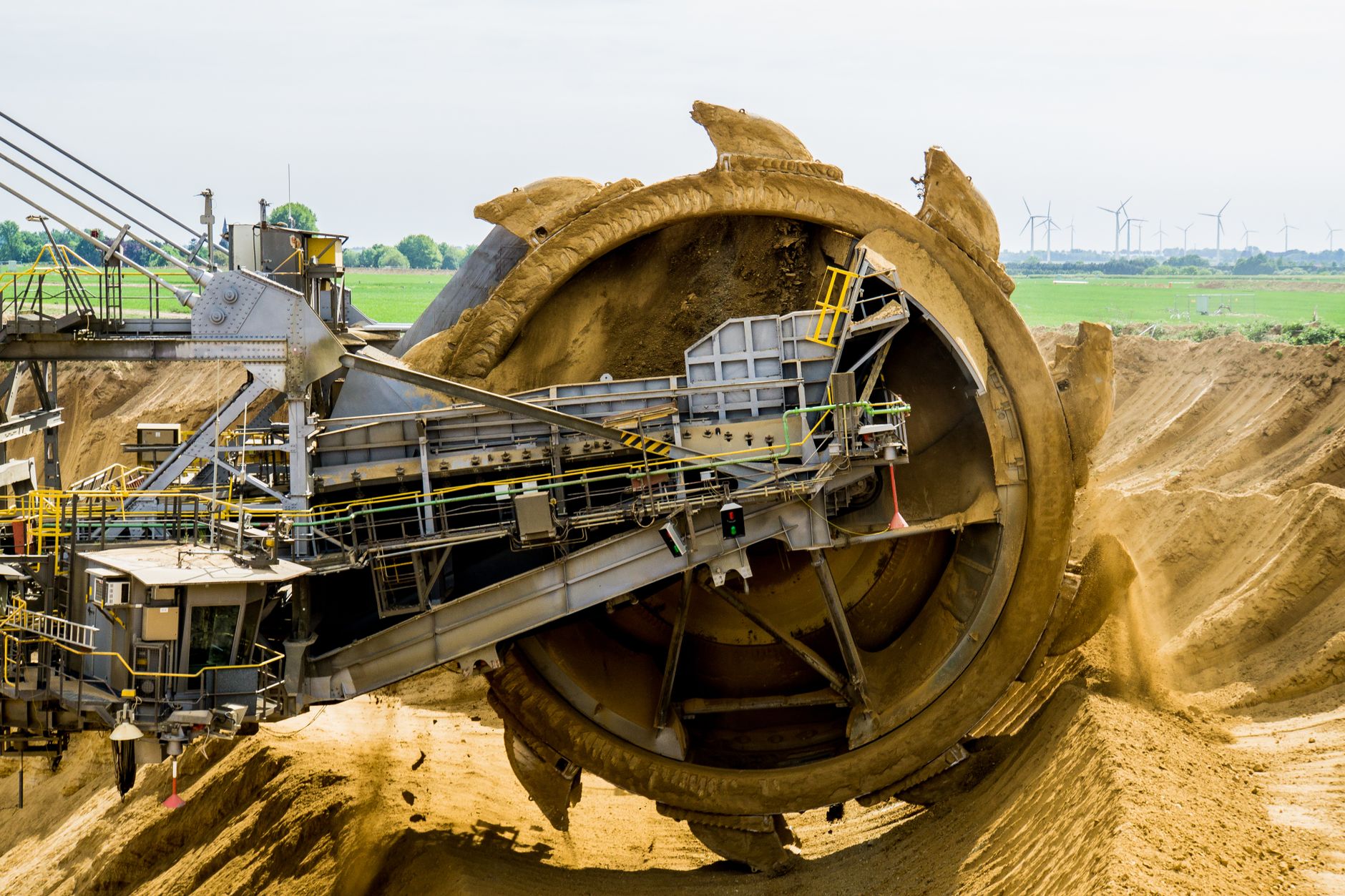
Gold miners are currently enjoying unprecedented financial success, with gold prices soaring significantly faster than their operating costs. This creates a massive cash-flow opportunity for the industry. The critical question now is how these substantial earnings are being utilized: are they being directed towards vital decarbonization efforts, renewable energy projects, and electrification initiatives? Investing in sustainable solutions is crucial for reducing the mining sector's considerable environmental impact and accelerating global progress against climate change.
The highly anticipated Tesla Roadster is poised to redefine electric performance, with a recently granted patent hinting at its groundbreaking capabilities. This innovative 'Electric Car Fan' system is designed to provide unmatched grip, independent of speed, tackling a key challenge for high-torque electric vehicles. By actively pressing the car onto the pavement, this technology promises exhilarating acceleration, shorter stopping distances, and superior control. Such advancements not only push automotive limits but also underscore the immense potential of electrification in creating a cleaner, faster future for transportation.
Tesla is pushing the boundaries of electric vehicle performance with a newly granted patent for its upcoming Roadster. This innovative "Electric Car Fan" system aims to provide incredible downforce, essential for handling the instant torque of high-performance EVs. Unlike traditional aerodynamics, these fans can generate grip even at low speeds, promising to redefine acceleration, braking, and cornering capabilities. It's a glimpse into the cutting-edge engineering driving the future of sustainable, high-speed mobility.
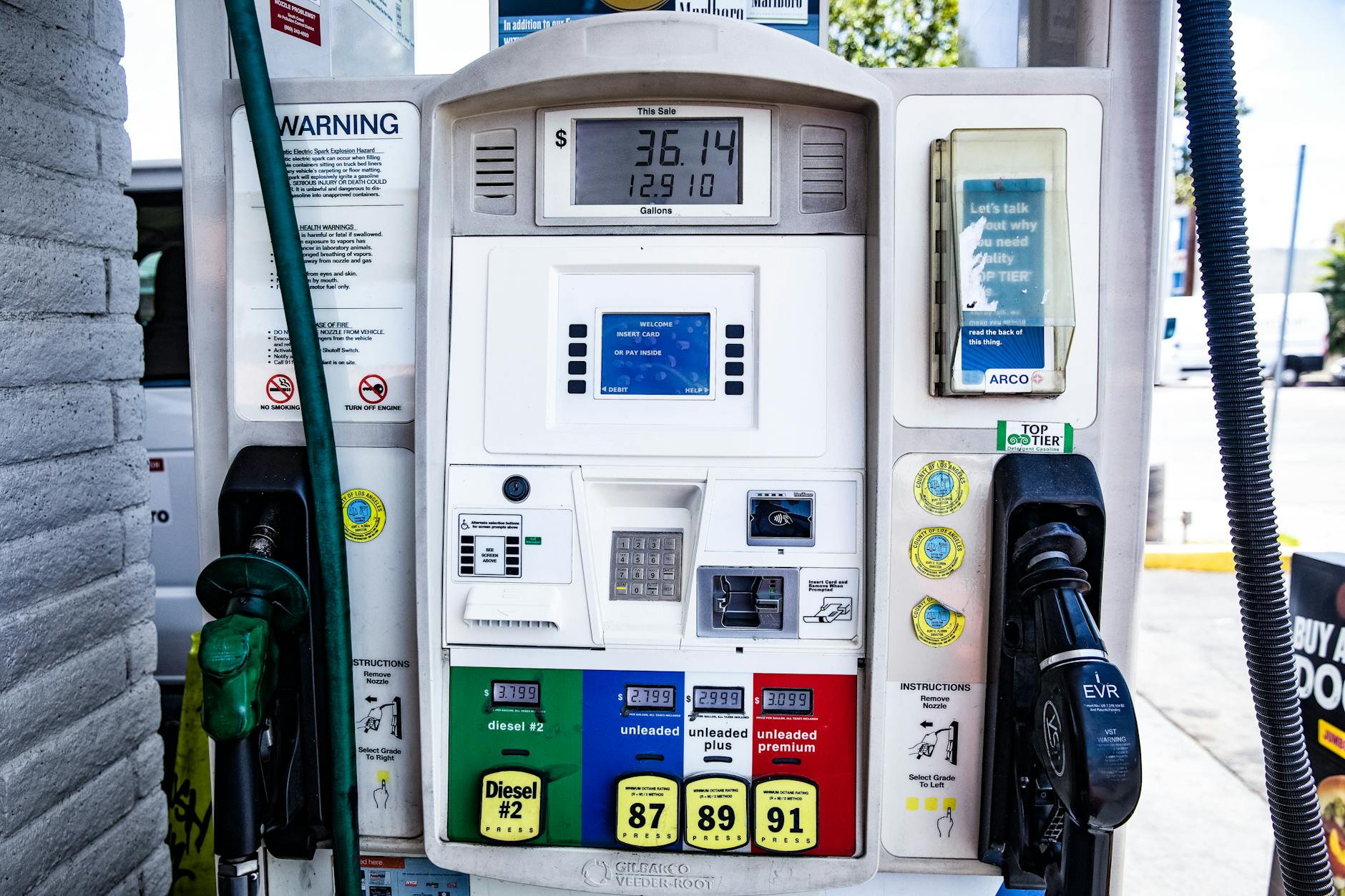
The Trump administration has finalized new fuel-efficiency rules, easing pressure on carmakers to reduce pollution from gasoline vehicles. This decision poses a significant challenge for states like California, which are striving to achieve ambitious climate and clean car objectives. Experts warn that this move could lead to higher costs at the pump for consumers and enable automakers to produce less efficient vehicles, intensifying environmental concerns. It represents a potential setback for urgent climate action and the global push towards sustainable transportation solutions.
Environmental groups are taking federal agencies to court over the rapid approval of South32’s Hermosa mine in Arizona. This project, intended to extract critical minerals vital for clean energy technologies, has been fast-tracked under a federal program, drawing accusations of an illegal rush job. Conservationists argue the mine threatens endangered species like jaguars and will deplete vital water resources in the biodiverse Patagonia Mountains. The lawsuit highlights a critical tension between the push for electrification and the urgent need to protect sensitive ecosystems.
California has enacted a new law, Assembly Bill 1448, to significantly strengthen protections against offshore oil and gas drilling along its cherished coastline. Signed by Governor Gavin Newsom, this legislation aims to prevent the Trump administration's efforts to expand fossil fuel operations in federal waters. By making it illegal for new federal leases to use existing state infrastructure, California is drawing a clear line, safeguarding its marine environment and coastal communities from the devastating risks of oil spills. This move underscores the critical importance of protecting our oceans from environmental damage and transitioning towards cleaner energy solutions.
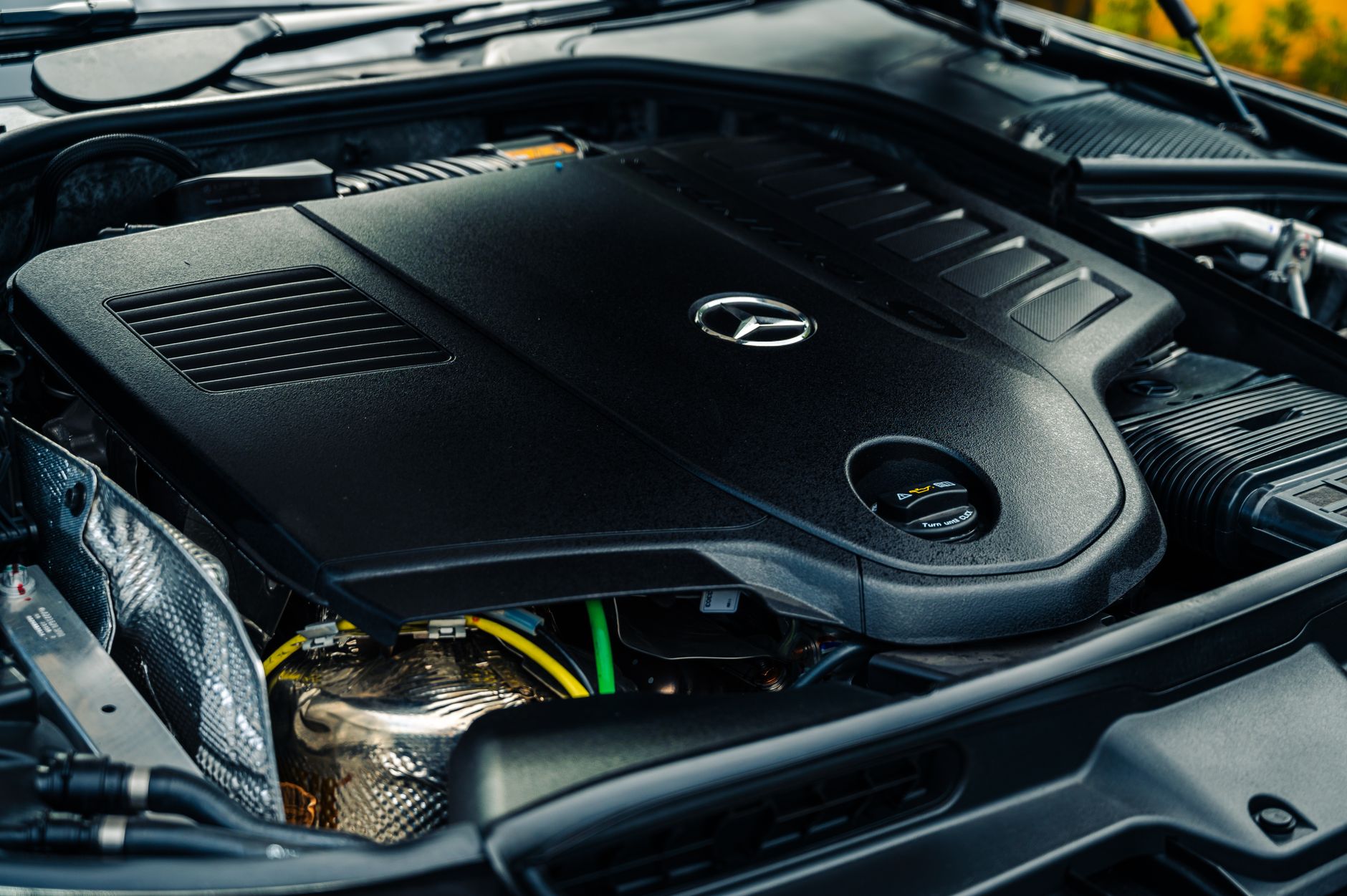
Mercedes-Benz is intensifying its commitment to electric vehicles by securing priority access to ProLogium’s cutting-edge Gen4 solid-state battery cells. This expanded partnership aims to bring significantly higher-energy, safer, and more efficient batteries to future EVs. Such advancements are crucial for making electric cars even more appealing to consumers, extending driving ranges, and accelerating the global shift away from fossil fuels. Ultimately, this collaboration highlights a critical step towards more sustainable and environmentally friendly transportation solutions, essential for addressing climate change.