Mercedes' Latest EV Leap: What It Means For Your Next Car

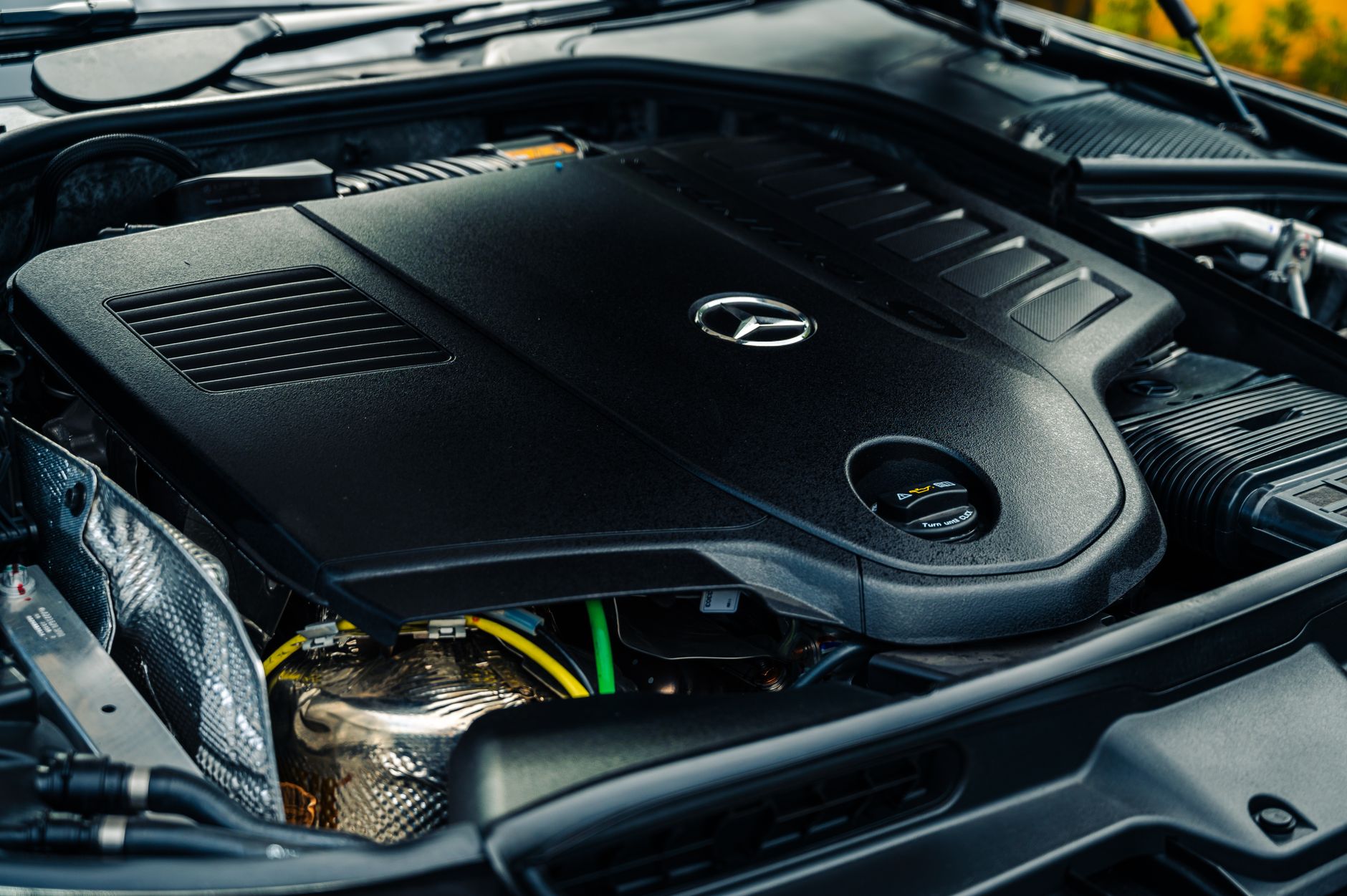
Mercedes-Benz is intensifying its commitment to electric vehicles by securing priority access to ProLogium’s cutting-edge Gen4 solid-state battery cells. This expanded partnership aims to bring significantly higher-energy, safer, and more efficient batteries to future EVs. Such advancements are crucial for making electric cars even more appealing to consumers, extending driving ranges, and accelerating the global shift away from fossil fuels. Ultimately, this collaboration highlights a critical step towards more sustainable and environmentally friendly transportation solutions, essential for addressing climate change.
Mercedes-Benz is deepening its partnership with ProLogium, gaining early access to their latest Gen4 solid-state battery cells. This move builds on nearly a decade of cooperation, with Mercedes-Benz having invested in ProLogium to push the boundaries of next-generation battery technology. The new agreement focuses on rigorous testing of these advanced cells for their electrical performance, thermal stability, and safety features.
Solid-state batteries are a game-changer because they replace the liquid parts of traditional batteries with solid materials. This design allows for higher energy storage and can improve safety by reducing fire risks. ProLogium's Gen4 cells are designed to pack more power into a smaller, lighter package, which could lead to electric vehicles that can travel much farther on a single charge or use smaller batteries for the same range.
Mercedes-Benz has already been exploring this technology, even testing a modified EQS that drove over 1,200 kilometers on one charge in 2025 using different solid-state cells. This demonstrates the real-world potential for a substantial increase in usable energy, making electric driving more convenient and accessible. As more people switch to electric cars, the demand for better batteries is skyrocketing.
With global electric car sales topping 20 million units in 2025, and overall EV battery deployment surging, the need for innovative and locally sourced battery solutions is urgent. Currently, a large portion of battery manufacturing is concentrated in certain regions, prompting Europe and companies like Mercedes-Benz to seek more control over their supply chains. ProLogium's upcoming gigafactory in France is a key part of this effort, aiming to boost local production and diversification.
These technological leaps are vital for environmental action. Mercedes-Benz's "Ambition 2039" plan aims for a carbon-neutral new-vehicle fleet across its entire lifespan. By developing batteries that are lighter, use fewer critical materials, and are more recyclable, the company can significantly reduce the carbon footprint of its vehicles. Higher energy density, for instance, means less raw material is needed for the same range, and long-lasting batteries help an EV emit up to 75% less CO₂ over its life compared to a gasoline car.
This partnership marks a significant step in the ongoing race for better EV batteries. It's not just about longer range; it’s about creating more efficient, safer, and environmentally responsible electric vehicles. The collaboration shows a clear path from laboratory breakthroughs to commercial production, supporting a greener future for transportation and playing a crucial role in our collective climate efforts.