New Auto Rules' Hidden Cost for Drivers, Planet Revealed

The Trump administration has finalized new fuel-efficiency rules, easing pressure on carmakers to reduce pollution from gasoline vehicles. This decision poses a significant challenge for states like California, which are striving to achieve ambitious climate and clean car objectives. Experts warn that this move could lead to higher costs at the pump for consumers and enable automakers to produce less efficient vehicles, intensifying environmental concerns. It represents a potential setback for urgent climate action and the global push towards sustainable transportation solutions.
The Trump administration recently announced updated Corporate Average Fuel Economy (CAFE) Standards, which will require 2031 model-year vehicles to meet a 34.9 miles per gallon target. This is a significant decrease from the previous Biden administration's goal of 50.4 miles per gallon. Officials claim this change will make cars more affordable and support American autoworkers, but critics argue it signals to the auto industry that they don't need to prioritize fuel efficiency.
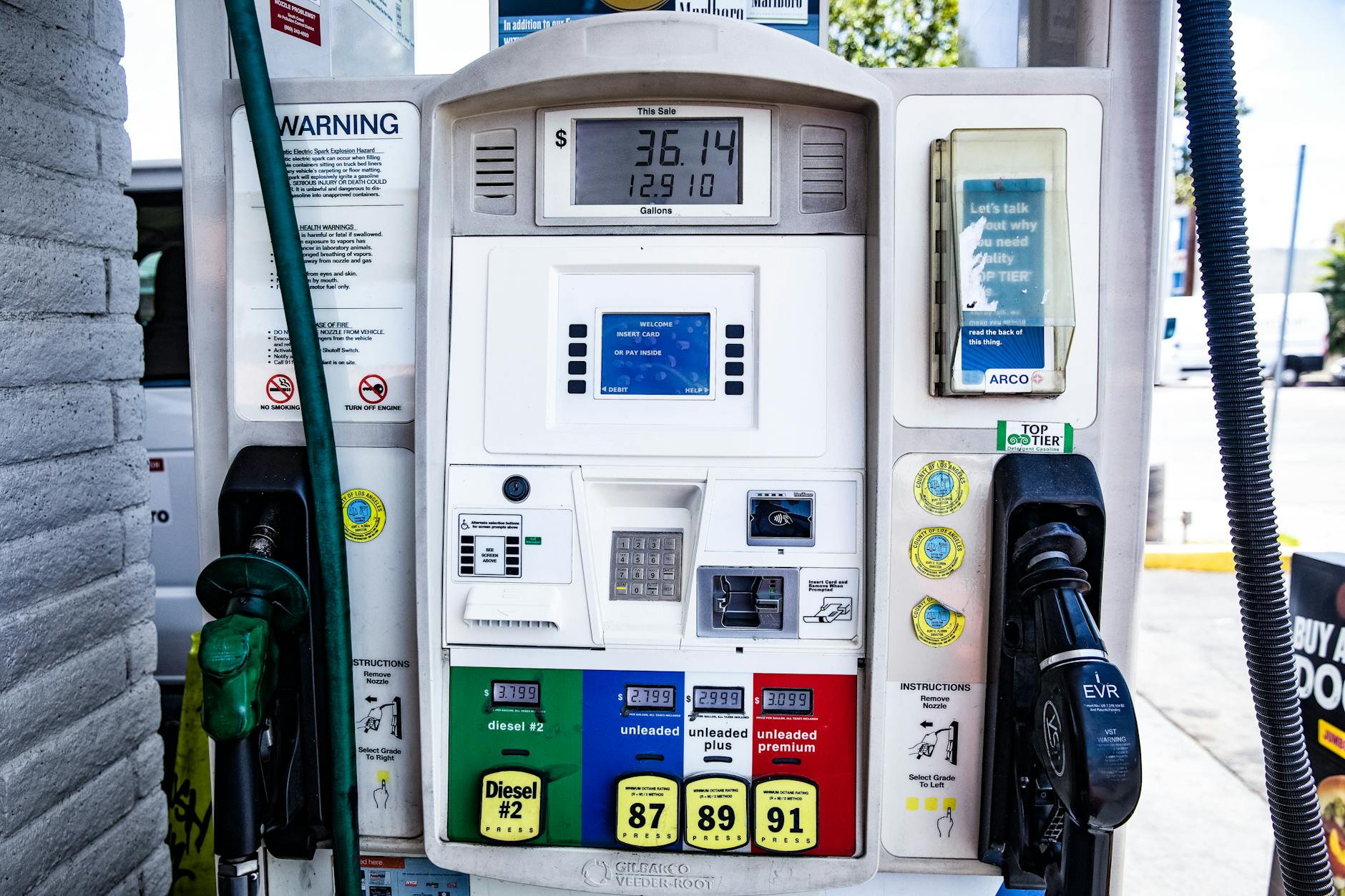
Environmental experts highlight that this loosening of standards will likely encourage the production and sale of larger, heavier, and less fuel-efficient cars across the country. This not only means more pollution harming our environment but also hits consumers directly in their wallets. Californians, for instance, are already experiencing high gasoline prices, and this policy could exacerbate those costs.
Beyond just fuel efficiency, the administration has also targeted California's ability to set its own strict tailpipe emission rules and its ambitious 2035 ban on new gasoline-powered car sales. These combined actions could seriously undermine the state's efforts to combat air pollution and meet crucial climate targets. Such rollbacks complicate the transition to cleaner technologies, making it harder to reduce planet-warming greenhouse gases.
Historically, prior administrations pushed policies to boost electric vehicle (EV) production and sales, recognizing their critical role in a sustainable future. While EV sales have struggled nationally under these changing policies, California continues to invest in incentives and infrastructure to support clean transportation. This proactive approach is essential not only for environmental protection and saving consumers money but also for the nation to remain competitive globally as the rest of the world embraces more efficient, cleaner vehicles.