Meta's Mixed Energy Play: What Does it Mean for Green Goals?

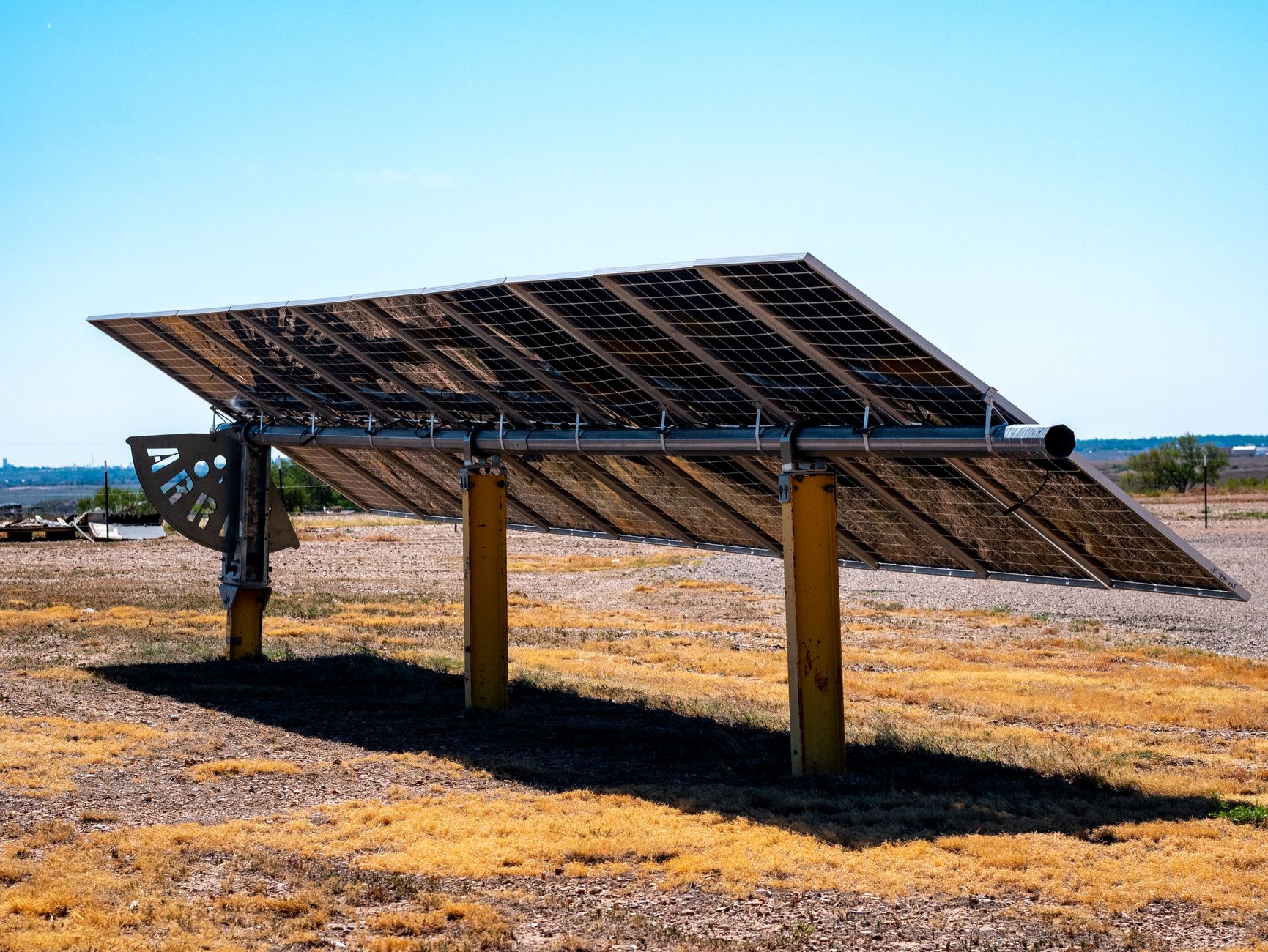
Meta recently announced a significant solar energy purchase in Texas, a move that will bring a new 144-megawatt project online. This comes as the tech giant faces scrutiny after quietly stepping away from a major corporate renewable energy initiative earlier this year. While embracing solar, Meta is also planning a large gas-fired plant to power new data centers crucial for its expanding artificial intelligence operations. This dual approach raises questions about the company's commitment to fully clean energy amidst the surging demand for power from AI, highlighting the urgent need for sustainable solutions in the tech sector.
Meta has partnered with Apex Clean Energy to support the Starling Solar project in Gonzales County, Texas. This 144-megawatt solar farm would not have been built without Meta's financial backing, which allows the company to claim all environmental benefits from its energy production. This agreement is a positive step toward increasing renewable energy on the grid.
However, this development occurs as Meta recently left Climate Group’s RE100, an initiative dedicated to 100% renewable electricity. Concerns are growing because Meta plans to power a new data center in El Paso with a substantial 366-megawatt gas-fired plant. The company states that natural gas options are necessary for its rapid expansion in artificial intelligence, although it maintains a goal to match its overall electricity use with 100 percent clean and renewable energy.
While Meta can offset some of its gas-powered energy through these renewable energy credits, the gas plants themselves will continue to contribute to climate change and local air pollution. Energy analysts like Dennis Wamsted from the Institute for Energy Economics and Financial Analysis acknowledge Meta's past positive impact on renewables but express concern over the company's current reliance on gas for its fast-paced AI build-out. Wamsted argues that solar and wind power can be built quickly enough to meet AI’s energy demands without resorting to fossil fuels, underscoring that our climate urgency demands better choices.
The Starling Solar project is expected to help bolster Texas’s energy grid, which has seen record-high demand recently due to scorching temperatures and the influx of data centers. Texas Governor Greg Abbott has even called for an audit of all data centers awaiting connection to the grid, including their water usage. Renewable energy, which made up about a third of Texas’s electricity last year, not only strengthens the grid but also provides significant financial benefits to local landowners and creates jobs. This solar initiative highlights the tangible advantages of embracing electrification and sustainable solutions for both the environment and local economies.