New Carbon Capture Rules: What It Means for Climate Action

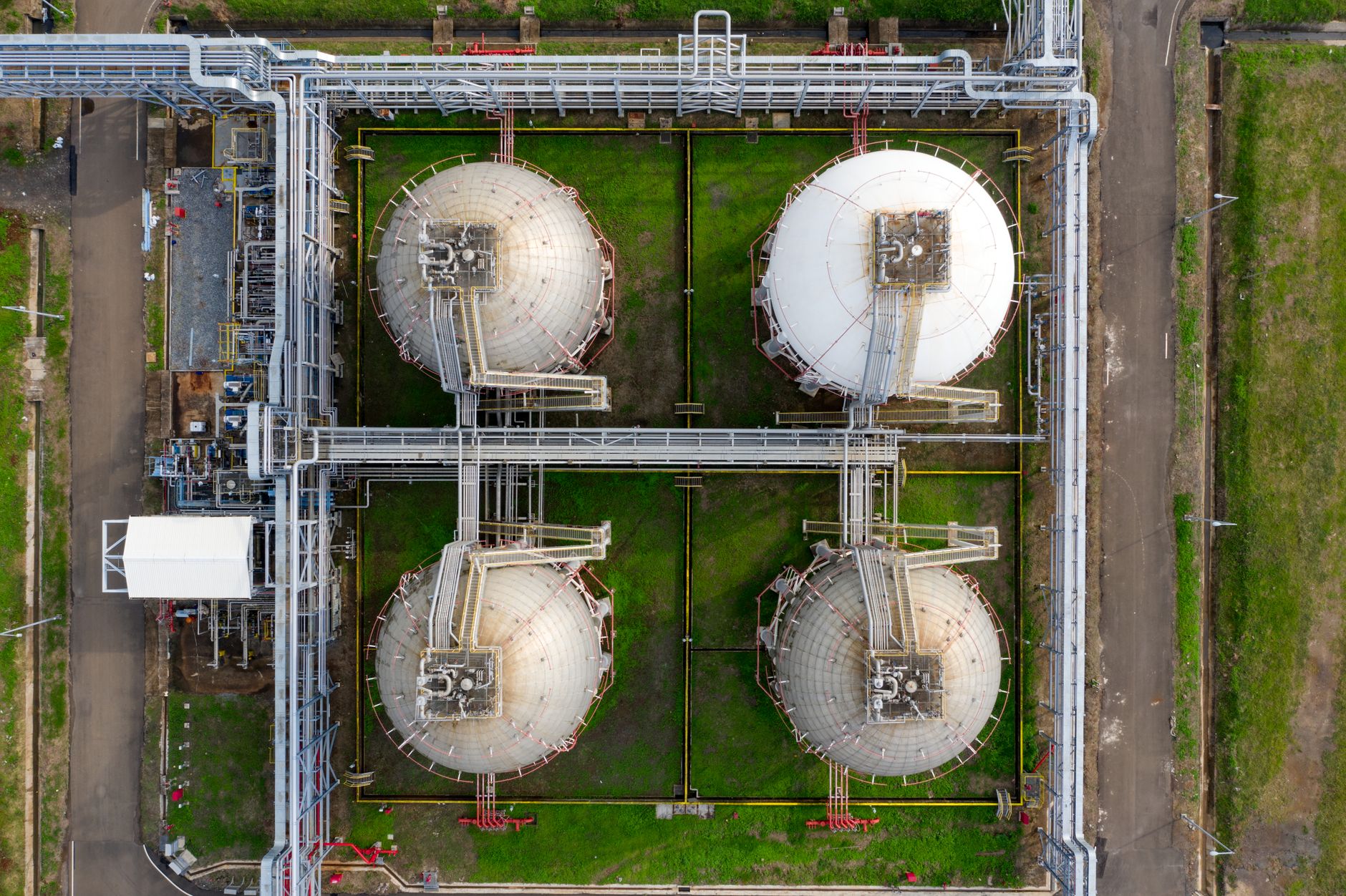
A significant step for climate action has been taken as Verra’s carbon capture and storage (CCS) method, known as VM0049, gained approval from the Integrity Council for the Voluntary Carbon Market (ICVCM). This endorsement means that projects using this method meet high-integrity standards, boosting confidence in carbon credits generated from capturing and permanently storing CO₂. Such technologies are crucial for accelerating our journey towards a net-zero future, emphasizing the urgent need for credible, sustainable solutions to global warming. This move reinforces the importance of robust frameworks in the expanding carbon removal market.
Verra’s robust carbon capture and storage (CCS) method, officially called VM0049, has received a crucial stamp of approval from the Integrity Council for the Voluntary Carbon Market (ICVCM). This means the method, which sets rules for measuring how much greenhouse gas is reduced by capturing and permanently storing CO₂, now meets the highest standards for environmental integrity. It's a big win for confidence in the voluntary carbon market, especially for technology-based solutions that are vital in our fight against climate change.
This approval matters because carbon capture is a complex process. It involves more than just trapping CO₂; projects must also show that this carbon stays safely stored and account for all emissions created during the capture and transport. The ICVCM's endorsement provides clarity and trust for buyers and governments, assuring them that projects following VM0049 are truly making an impact in reducing harmful emissions and moving us closer to a cleaner future.
One of the best features of VM0049 is its flexible design. It offers a main framework that works with different modules, allowing for various types of projects. This includes everything from directly taking carbon out of the air (Direct Air Capture), to transporting and storing CO₂, and even using biomass energy while capturing its emissions (Bioenergy with Carbon Capture and Storage). This modular approach makes it easier for developers to apply the method to diverse projects, from industrial facilities to large-scale carbon removal efforts, and adapt as technology evolves.
It's also important that VM0049 looks at the bigger picture, particularly the energy used in carbon capture. The method requires projects to power their operations with newly developed renewable electricity sources. This ensures that the efforts to remove carbon from the atmosphere don't inadvertently create more emissions elsewhere. It highlights the absolute necessity of electrification and genuinely sustainable practices for any climate solution to be truly effective in combating global warming.
Ultimately, this approval marks an important milestone for the growing carbon removal market. By providing a clear, high-integrity framework, it helps encourage investment in essential climate technologies. While individual projects still need careful review, having a trusted standard like VM0049 means more credible options are available to help us achieve our environmental goals and protect our planet for generations to come.