Companies Pledge Net Zero, But a Key Energy Goal Is Missing

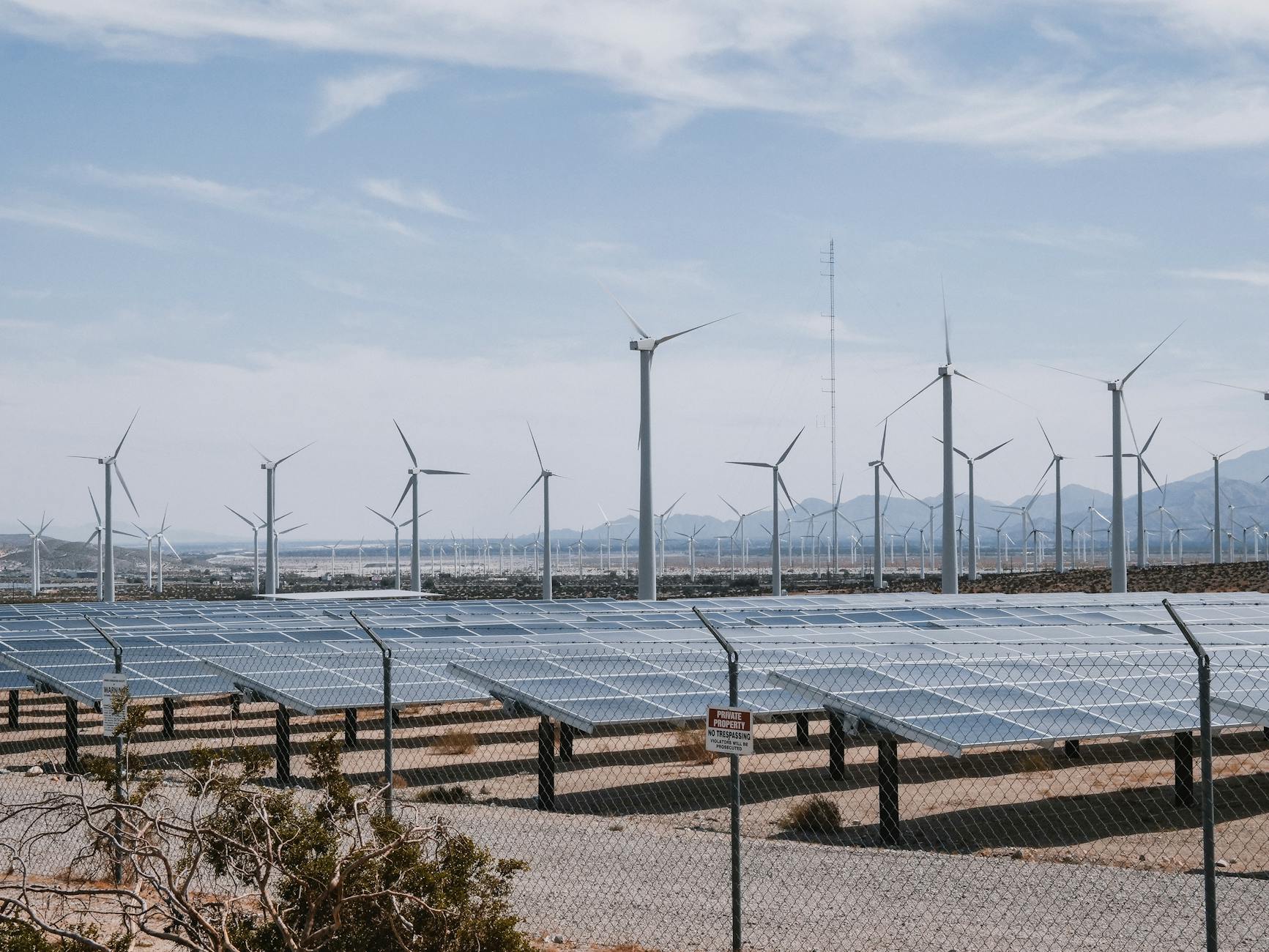
Over 700 companies worldwide are making a powerful commitment to reach net-zero carbon emissions by 2040 through The Climate Pledge. This ambitious corporate action is a significant step towards a sustainable future, with many firms already cutting their emissions, especially from purchased electricity. However, a major hurdle remains: global renewable energy growth, though record-breaking, isn't fast enough to meet the urgent goal of tripling capacity by 2030. This gap threatens to slow down climate progress, underscoring the critical need for even quicker adoption of clean energy solutions.
More than 700 companies have committed to reaching net-zero emissions by 2040 through The Climate Pledge. This growing movement shows businesses are serious about climate action, with many already reducing their operational carbon emissions. A recent report highlighting 119 signatories found an average 11% drop in emissions, with a significant 35% reduction in emissions linked to purchased electricity. This progress demonstrates the power of shifting towards cleaner energy sources.
While corporate pledges are promising, the world faces a critical challenge: renewable energy isn't expanding quickly enough. Although a record 692 gigawatts (GW) of renewable power capacity were added in 2025—making up 85.6% of all new power additions globally, according to the International Renewable Energy Agency (IRENA)—this pace falls short. To meet the global target of tripling renewable capacity by 2030, a goal set at COP28, annual additions need to be significantly higher. This gap between ambition and current deployment poses a real threat to our planet's climate goals and companies' ability to decarbonize.
The slowdown isn't due to a lack of technology; solar and wind power are increasingly cheaper than fossil fuels. The real roadblocks include limited grid capacity, challenges with energy storage, slow permitting processes, and financing issues. These obstacles mean that even committed companies struggle to access the clean electricity they need. Emphasizing electrification and investing in stronger, smarter grids is crucial. Businesses can play a vital role by demanding renewable energy, signing long-term power contracts that help finance new projects, and driving innovation.
The next few years are crucial. The Climate Pledge gives companies until 2040 for net-zero, but the global renewable energy tripling target is a decade earlier, in 2030. This creates an urgent deadline to build the necessary clean energy infrastructure. The growing corporate commitment, coupled with rapid renewable expansion, shows progress, but the pace must accelerate dramatically. Closing this gap requires collective global action—from businesses, governments, and communities—to ensure we build a sustainable, electrified future that protects our environment.