The global energy shift: What's holding us back? [IEA Data]

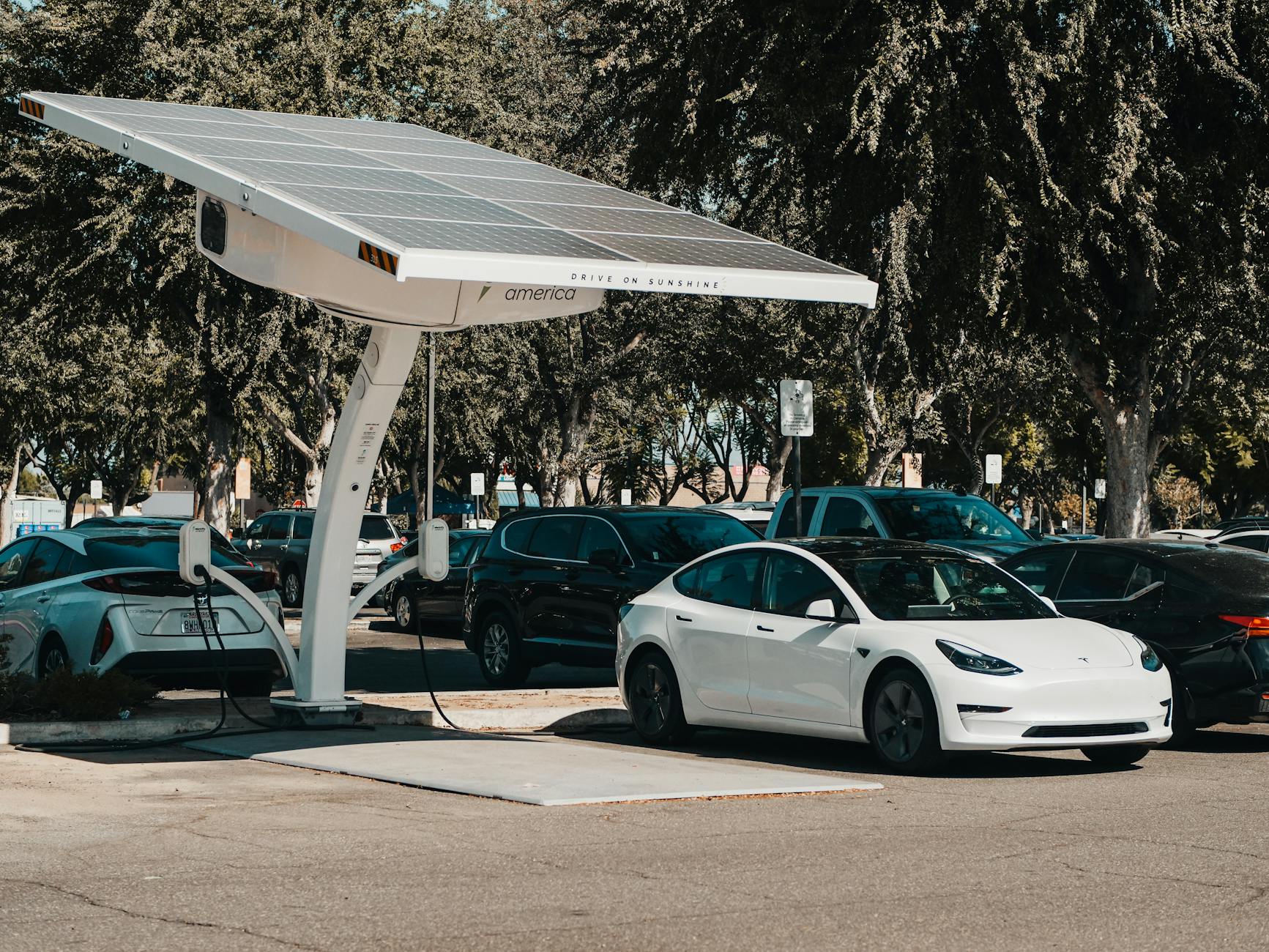
The International Energy Agency (IEA) reports an optimistic outlook on global electrification, suggesting that cost, security, and environmental benefits are aligning like never before. With electric vehicles offering nearly three times the mileage of gasoline cars for the same cost and heat pumps providing 40% more heating than gas boilers, the advantages are clear. However, while the path towards a cleaner, electrified future seems logical, leading energy researchers caution that significant political and economic hurdles remain, underscoring the urgency for collective action to combat global warming.
Fatih Birol, head of the IEA, highlighted a critical shift in the energy world: for the first time, the choices for secure, economic, and clean energy are aligning. This 'energy trilemma' alignment, partly driven by rising fuel prices and security concerns, suggests electrification is the best path forward.
Looking at the numbers, the benefits of switching are striking. For just $100, an electric vehicle can travel 2,310 miles, far surpassing the 862 miles a gasoline car can cover. Similarly, $100 worth of electricity can power a heat pump for 42 days of heating, outperforming a gas boiler by 40%. These figures, from the IEA's 2025 global averages in their report, demonstrate the clear economic and environmental advantages of electric solutions over fossil fuels.
Globally, electricity's share of final energy consumption has grown from 16.7% in 2000 to 23.4% in 2025, with China leading the charge in renewable energy and EV adoption. This progress is vital for addressing climate change by decarbonizing our energy systems.
However, not everyone believes electrification is inevitable. David Victor, a professor at the University of California, San Diego, sees many obstacles, especially for heavy trucks, maritime transport, and aircraft. He also points to trade barriers that could slow progress, concluding that "the tradeoffs are inescapable."
Emily Grubert, an energy systems researcher at the University of Notre Dame, notes that political challenges often slow the transition. Decision-makers sometimes prioritize profits for fossil fuel industries, hindering the adoption of cleaner energy. This means that while electrification is a logical solution, entrenched interests can stand in the way of environmental progress.
Kenneth Medlock III from Rice University stresses the need to fully evaluate the upfront costs of building new electric infrastructure, such as wind and solar farms. While these have low operating costs, the initial investment can be substantial. For developing nations, the challenge is even greater. Chuks Okereke, a professor at the University of Bristol, explains that for countries like Nigeria, highly polluting development can seem more economically sensible in the short term due to the high infrastructure costs of cleaner alternatives. His paper in Energy Economics highlights that international assistance is often needed for these transitions.
Despite these complexities, the push for electrification remains a critical component of climate action. The goal of reaching 35% electrification of final energy by 2035, discussed at climate policymaker meetings, aims to send a strong signal about the path forward. This shift, which involves powering nearly everything with carbon-free electricity, is essential for tackling global warming, even with the immense challenges ahead.