Tesla's New Patent: How It Keeps Supercar Speeds Grounded

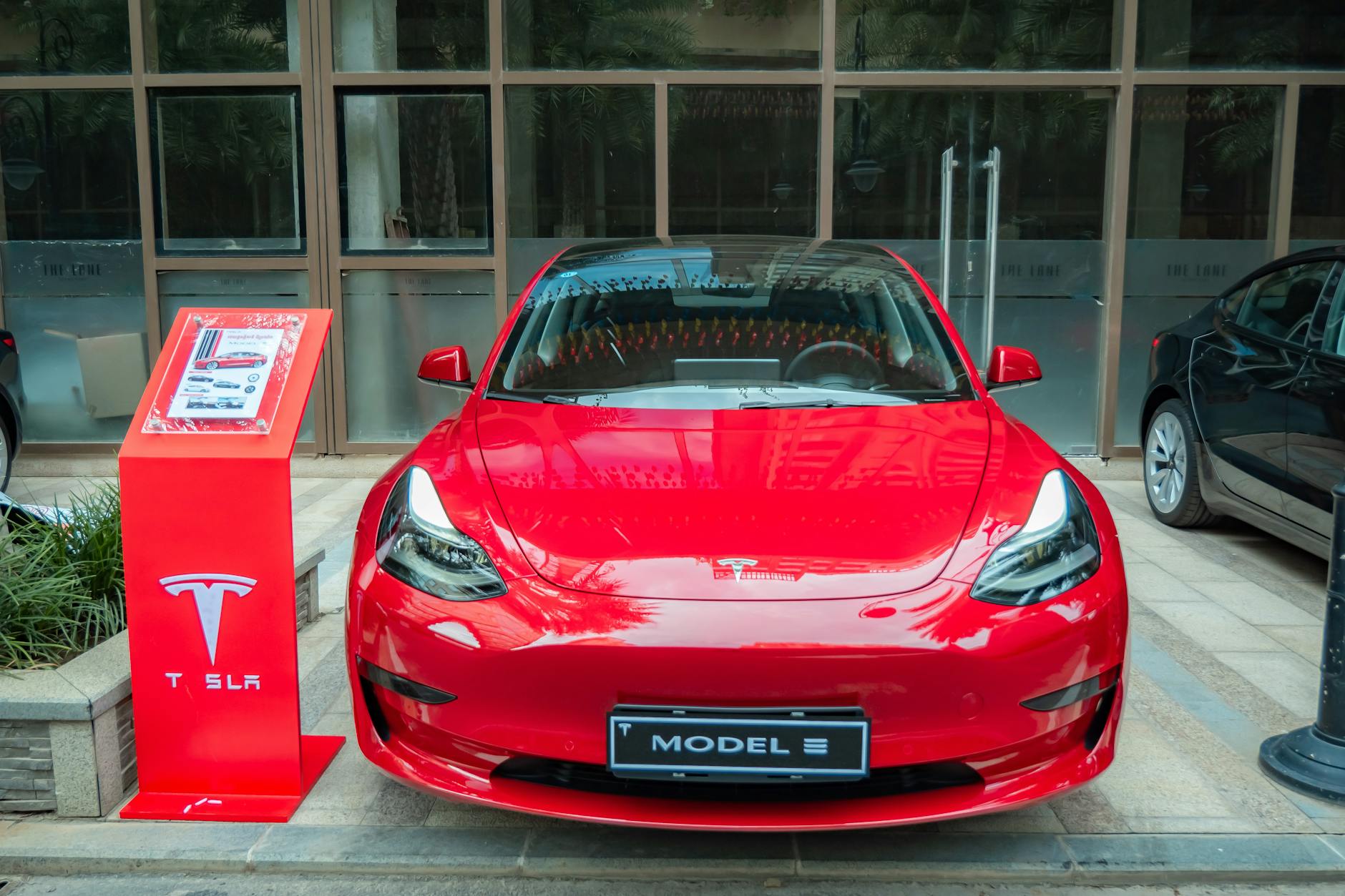
Tesla is pushing the boundaries of electric vehicle performance with a newly granted patent for its upcoming Roadster. This innovative "Electric Car Fan" system aims to provide incredible downforce, essential for handling the instant torque of high-performance EVs. Unlike traditional aerodynamics, these fans can generate grip even at low speeds, promising to redefine acceleration, braking, and cornering capabilities. It's a glimpse into the cutting-edge engineering driving the future of sustainable, high-speed mobility.
Tesla has received a patent for an "Electric Car Fan" designed to give its next-generation Roadster a significant edge in performance. This technology addresses a unique challenge for powerful electric cars: ensuring tires can handle the immense, instant power from their motors, especially when starting or taking slow turns. Traditional aerodynamic features like wings only work well at higher speeds, leaving a gap in downforce when it's most needed.
The patented system features ducted fans located at the rear of the car. These fans actively pull air from underneath the vehicle, pressing it firmly onto the road. What makes this design particularly clever is its ability to adjust fan speed. This means the car can generate maximum grip when accelerating, braking, or cornering hard, then reduce fan activity at highway speeds to minimize drag. This intelligent approach allows for increased performance without the usual trade-offs.
Interestingly, similar fan-based downforce systems have a storied past, with one notable design, the Brabham BT46B, famously being banned from F1 competition for being too effective. This historical parallel underscores the potential impact of Tesla's innovation. While a patent doesn't guarantee a production part, it highlights Tesla's commitment to developing unique solutions to achieve the Roadster's ambitious performance targets, like a sub-two-second 0-60 MPH time and a 250-plus MPH top speed. Such advancements continue to showcase how electric vehicles are not just an environmentally friendly choice but also a powerful leap forward in automotive engineering.