Fast-Tracked Mine Sparks Lawsuit: What's at Stake for Arizona?

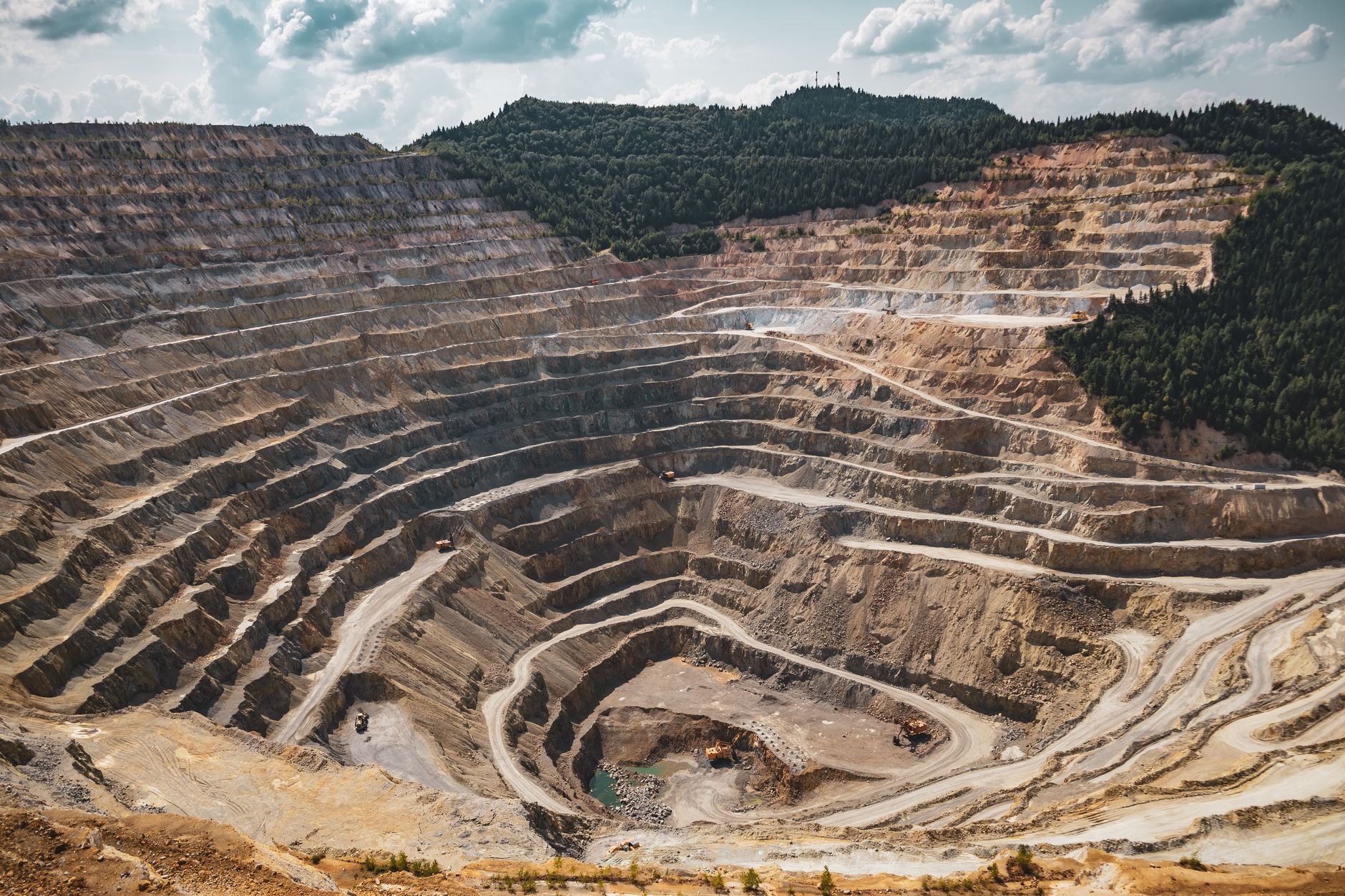
Environmental groups are taking federal agencies to court over the rapid approval of South32’s Hermosa mine in Arizona. This project, intended to extract critical minerals vital for clean energy technologies, has been fast-tracked under a federal program, drawing accusations of an illegal rush job. Conservationists argue the mine threatens endangered species like jaguars and will deplete vital water resources in the biodiverse Patagonia Mountains. The lawsuit highlights a critical tension between the push for electrification and the urgent need to protect sensitive ecosystems.
The Center for Biological Diversity and the Patagonia Area Resource Alliance are suing the U.S. Forest Service and U.S. Fish and Wildlife Service, claiming the mine's approval violated environmental laws. They allege the process was riddled with inconsistencies and illegalities under the Endangered Species Act and the National Environmental Policy Act. Federal reviews acknowledged the mine would likely harm at least ten endangered or threatened species, including the jaguar and Mexican spotted owl, yet approved it based on unproven future mitigation efforts. Critics also point to a failure to properly assess the mine's impact on local communities and their groundwater supplies.
The Patagonia Mountains, part of Arizona's unique 'Sky Islands,' are an essential wildlife corridor connecting the Rocky Mountains to Mexico's Sierra Madre range. This area is a biodiversity hotspot, crucial for the migration of endangered jaguars and ocelots. Environmental advocates stress that this irreplaceable ecosystem is worth far more intact than for mining, warning that once these mountains and their aquifers are damaged, there's no going back.
South32’s Hermosa project aims to extract zinc, lead, silver, manganese, and copper. The company states it holds one of the world’s largest undeveloped zinc resources and enough battery-grade manganese to satisfy current domestic demand, crucial for the nation's transition to clean energy. However, the project's rising costs and community pushback underscore the complex challenges. Local communities, including the town of Patagonia, fear the mine will hurt tourism and deplete water tables, which federal assessments project could drop by 250 feet across nearly 50 square miles over the mine's 70-year lifespan.
This legal battle sets an important precedent, as the Hermosa mine is the first hardrock mining project approved under the FAST-41 program, designed to expedite federal permitting. Environmental groups warn that if this process is seen as a model, weakening environmental protections could have lasting, irreversible consequences for frontline communities and natural habitats across the country. This situation highlights the critical need for a balanced approach that supports electrification without sacrificing vital environmental safeguards.