Millions Breathe Dangerous Air: What's Reaching East?

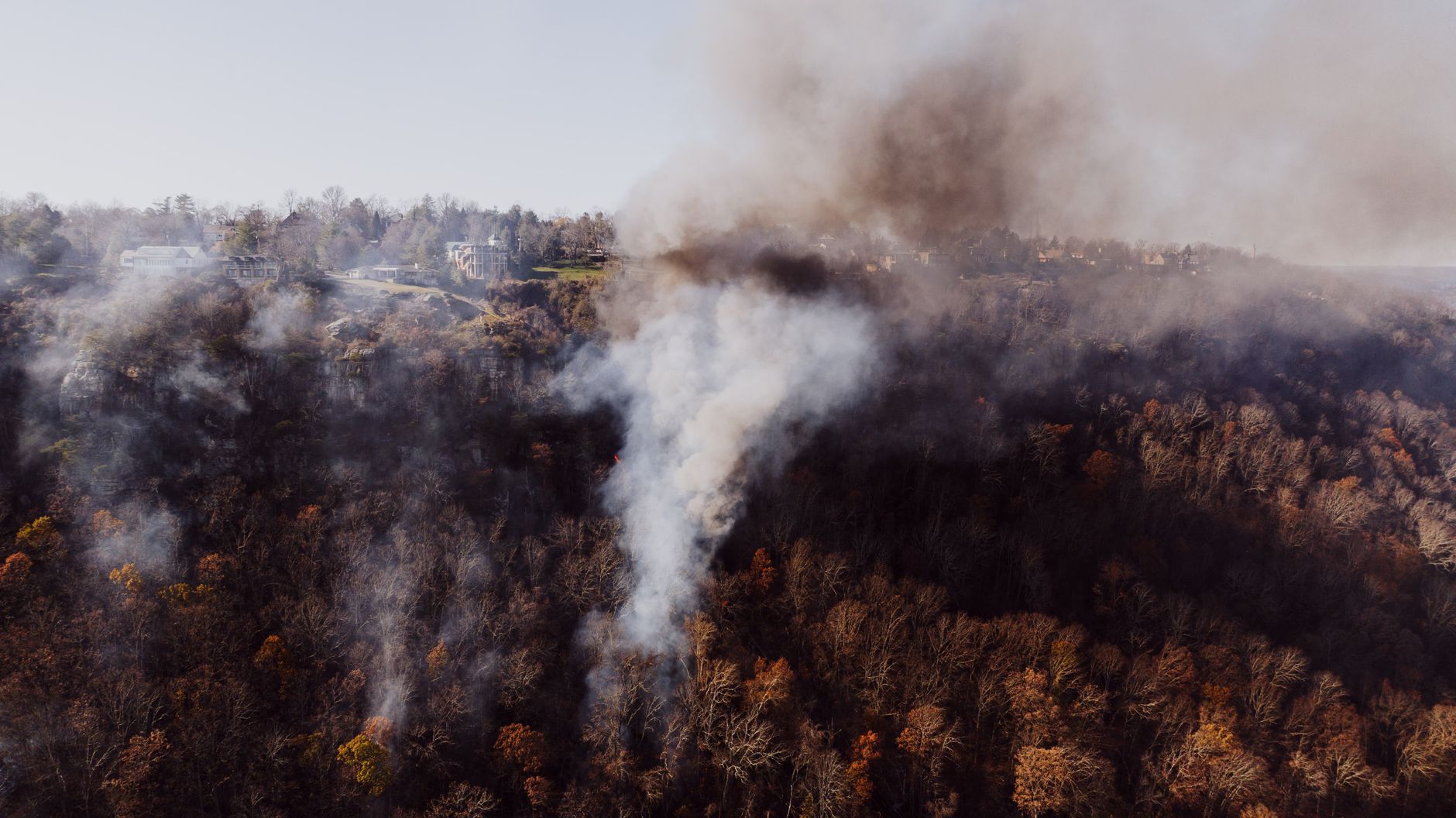
Smoke from climate-fueled wildfires in Canada and northern Minnesota has blanketed much of the Midwest and East Coast, exposing millions to dangerously high levels of air pollution. Cities like Chicago saw air quality plummet to hazardous levels, forcing closures and impacting daily life. This widespread smoke is a stark reminder of how global warming is escalating the frequency and intensity of wildfires, posing serious health risks and demanding urgent climate action.
The thick, smoky haze from distant wildfires has transformed skies across major U.S. cities, creating unhealthy and hazardous breathing conditions. In Chicago, for instance, outdoor beaches and pools closed as the air quality index soared, with residents reporting feelings of suffocation and increased coughing. Many could see and smell the smoke, impacting everything from outdoor activities to food pantry operations, where fewer people showed up due to the smog.
These fires are not isolated incidents; they are an international challenge. Over 177 active fires in Ontario, Canada, and 15 more in northern Minnesota, including the Boundary Waters Canoe Area Wilderness, have contributed to this widespread smoke. Experts point to recent intense heatwaves and excessive fuel from fallen trees as major factors, conditions rarely seen in the region for over two decades.
The real danger lies in the invisible particles within the smoke. It contains tiny particles (PM2.5) that can deeply penetrate the lungs and bloodstream, alongside other harmful chemicals. This can lead to minor issues like watery eyes and shortness of breath, but also severe outcomes such as heart attacks and strokes. A study published in the journal Nature linked Canadian wildfires in 2023 to 70,000 premature deaths across North America and Europe, highlighting the devastating human cost.
When air quality is this poor, authorities urge people to stay indoors with windows and doors closed. Even simple, DIY air purifiers can help improve indoor air. Monitoring local air quality on sites like AirNow.gov is crucial. The current pollution levels are so extreme that some models are estimating a significant number of smoke-related deaths in affected counties, prompting researchers to hope these preliminary figures are proven wrong.
This alarming situation underscores a critical truth: we are living in a changing climate. As the planet warms, heatwaves become more frequent, more intense, and last longer, further fueling these destructive wildfires. Adapting to this new reality and drastically reducing our environmental impact are no longer options—they are necessities for our health and the future of our planet.