480 Million People Face Unsurvivable Heat. What's Next?

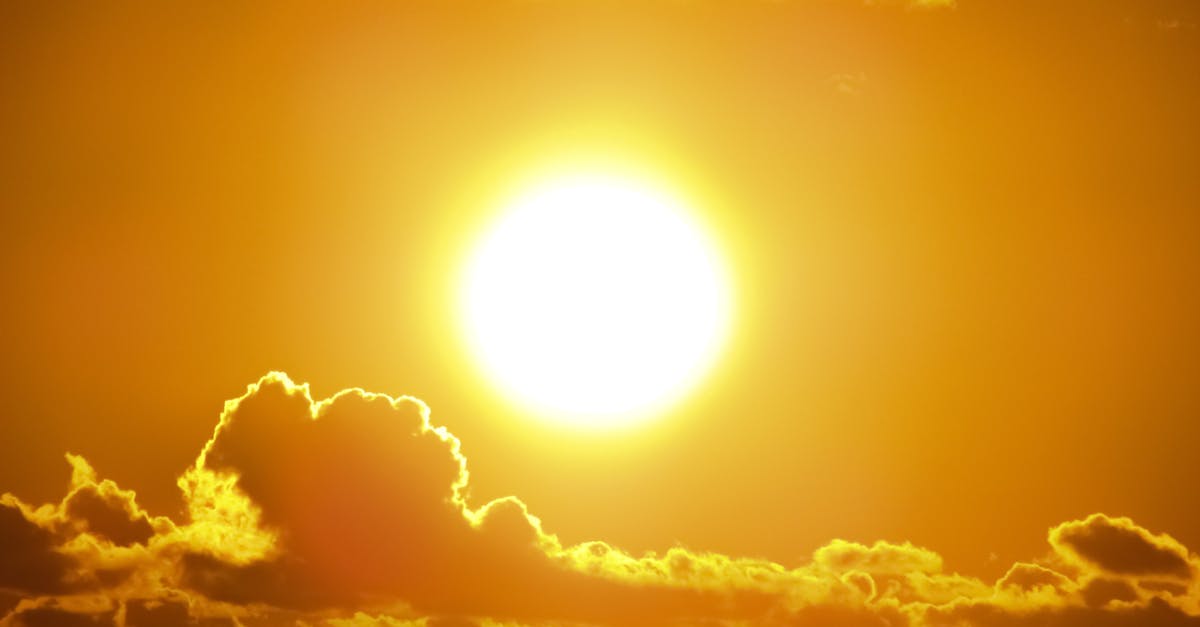
A new report from the World Meteorological Organization warns that nearly half a billion people across North Africa and the Arabian Peninsula are facing extreme climate risks. This vast region, despite being a global oil producer, is one of the most vulnerable to accelerating global warming. Communities are battling intensifying heat, severe droughts, and unexpected floods that threaten health, food security, and entire economies. Urgent action is needed as conditions push communities to their physical limits, making 2024 the hottest year on record for the Arab world.
A recent report by the World Meteorological Organization (WMO) highlights the urgent climate crisis gripping the Arab region, home to 480 million people. These nations, stretching from the Atlantic to the Arabian Peninsula, are experiencing increasingly unsurvivable heat, widespread drought, and sudden, devastating floods. This comes even as the region, producing a quarter of the world’s oil, contributes only a small fraction of global emissions, making it both vital to the fossil fuel economy and profoundly vulnerable to its impacts, according to the WMO’s new State of the Climate report.
Temperatures soaring above 50 degrees Celsius (122 degrees Fahrenheit) are becoming more common, pushing human health and ecosystems to their absolute limits. Water scarcity is a critical issue in this already parched region, affecting agriculture and daily life for millions. For example, Egypt's densely populated Nile Delta faces chronic flooding and salinized soils, with an Intergovernmental Panel on Climate Change (IPCC) report suggesting a third of its farmland could be underwater by 2050 due to rising sea levels.
Countries like Morocco, Algeria, and Tunisia have endured six years of drought, crippling wheat yields and forcing increased food imports. Water systems in Lebanon have collapsed under alternating extremes, while farmers in Iraq and Syria abandon land as rivers shrink and rainfall becomes unpredictable. This alarming trend saw 2024 declared the hottest year on record for the Arab world, with heatwaves spreading across Syria, Iraq, Jordan, and Egypt.
Yet, other parts of the region, including the United Arab Emirates, Oman, and southern Saudi Arabia, were hit by destructive record rains and flooding in 2024, killing at least 300 people. These extreme and contrasting weather events are stretching adaptation efforts thin, especially in areas already struggling with conflict and under-reported damage. While governments invest in solutions like desalination, the gap between rising risks and readiness continues to widen.
The future looks even more grim, with climate models projecting a potential average temperature rise of up to 5 degrees Celsius (9 degrees Fahrenheit) by the end of the century under high-emission scenarios. This WMO report is a crucial wake-up call, providing essential information to help the region prepare for these harsh climate realities before it's too late.