7% Stronger Winds & 16% More Rain: Climate Change Turned Hurricane Melissa Deadly

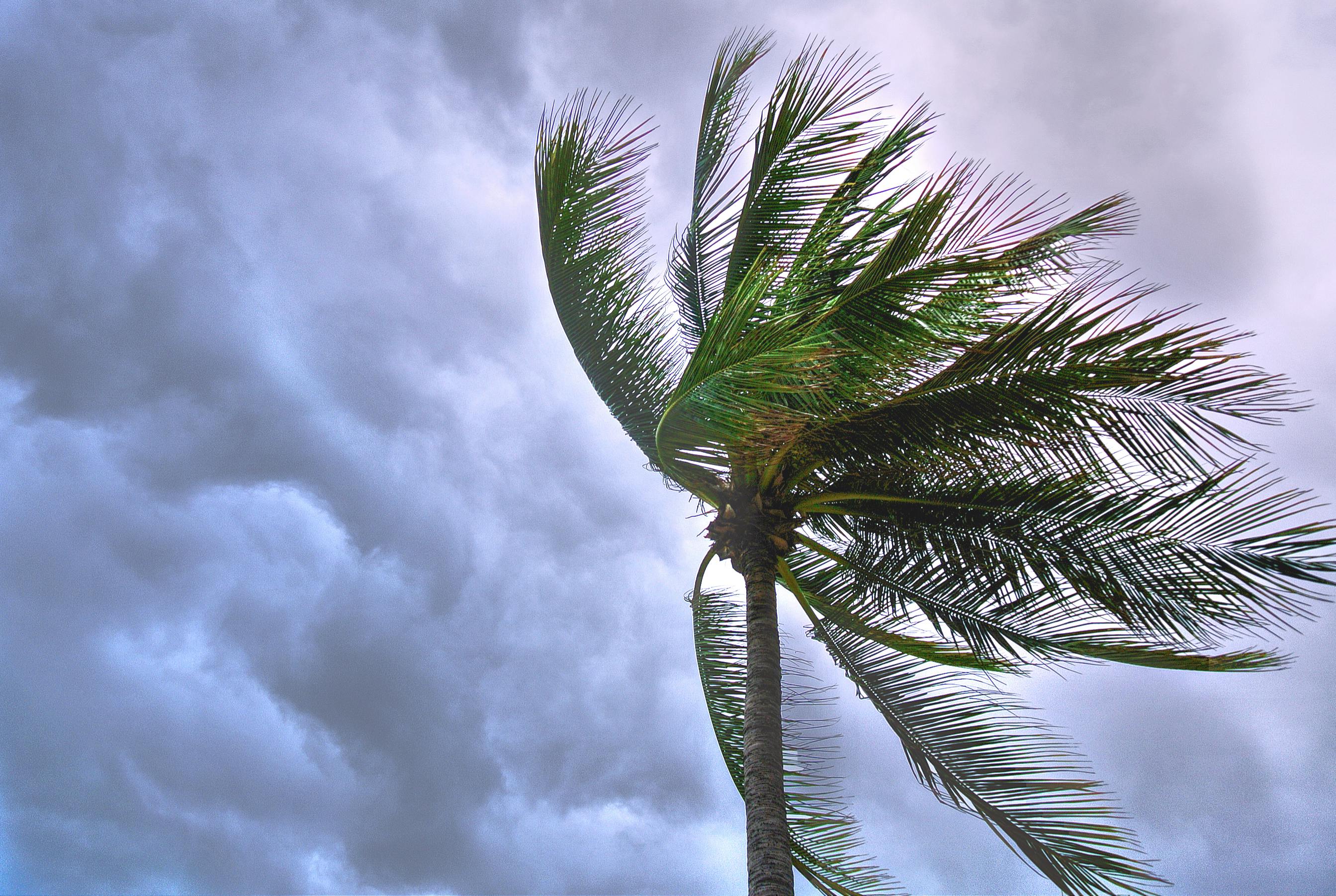
Hurricane Melissa’s devastating landfall in the Caribbean was not just a natural disaster, but a storm supercharged by human-caused climate change, according to a new rapid scientific analysis. Researchers with the World Weather Attribution project estimate that global warming increased Melissa’s top wind speeds by around 7%, made rainfall near the eye 16% heavier, and made the hot, humid background conditions that fed the hurricane roughly six times more likely than in a pre-industrial climate. The Category 5 storm slammed into Jamaica on 28 October with sustained winds near 185 mph, then raked Cuba, Haiti and the Dominican Republic, tearing off roofs, smashing hospitals and roads, and helping drive at least dozens of deaths and billions of dollars in losses across the region. Scientists warn that Melissa is not a one-off freak event, but a stark preview of a future in which ever-warmer oceans and air push hurricanes beyond what many communities can withstand.
In the early hours of 28 October, Melissa came ashore on Jamaica’s southern coast as a Category 5 hurricane, one of the strongest storms ever to hit the island. Moving slowly across abnormally warm Caribbean waters, it dumped intense rain and drove life-threatening storm surges into coastal communities. By the time the storm had passed over eastern Cuba and brushed Haiti and the Dominican Republic, neighbourhoods lay in ruins, power and water systems were shattered and many rural areas were cut off by landslides and flooded roads.
Within days, scientists from universities and meteorological services in the Caribbean and Europe released a rapid attribution study through the World Weather Attribution consortium. Using climate models and observations, they compared the world we live in today with a hypothetical world without human-driven greenhouse gas emissions. Their conclusion: climate change made Melissa’s winds around 7% stronger and its rainfall near the centre 16% heavier than they would otherwise have been, and made the steamy atmosphere and warm seas that powered the storm about six times more likely. In a cooler climate, the same rare storm would probably have had clearly weaker winds and caused less destruction.
The engine behind that extra power was heat stored in the ocean. Sea-surface temperatures along Melissa’s path were roughly 1.4–1.5°C (about 2.5°F) above pre-industrial levels, according to the attribution team and other researchers. Warmer water feeds more energy and moisture into the air, allowing hurricanes to spin up faster and drop more rain. Scientists often compare the atmosphere to a sponge: as it warms, it can hold more water vapour, meaning that when storms form, they have more fuel to unleash torrential downpours.
For people in the Caribbean, these are not abstract numbers. Jamaica, which contributed only a tiny fraction of global greenhouse gas emissions, was hit by winds and flooding so severe that damage has been estimated at a level close to a third of the country’s entire annual economic output, according to reporting by outlets such as the Guardian and local authorities. Entire communities in southwestern Jamaica were battered, with houses flattened, fields ruined and fishing and tourism businesses wiped out. Across Jamaica, Cuba, Haiti and the Dominican Republic, at least scores of people have been reported dead and many more injured or missing, while hundreds of thousands have been displaced.
On the ground, aid workers and local organisations describe scenes of unprecedented devastation. The Jamaican Red Cross told the Red Cross Red Crescent Climate Centre that the scale of destruction – homes swept away, livelihoods “washed away” – is unlike anything they have seen before. Diaspora groups have launched fundraising drives, while communities are setting up improvised shelters and kitchens, even as many residents process the trauma of waiting days under the threat of a Category 5 monster bearing down on their homes.
Melissa is also part of a worrying pattern. It was at least the fourth Atlantic storm this season to undergo “rapid intensification”, a process in which a hurricane’s maximum sustained winds jump by roughly 35 mph or more within 24 hours. Warmer oceans make such sudden leaps in strength more likely, leaving less time for coastal communities to prepare or evacuate. Scientists have already linked the growing frequency of rapid intensification in the Atlantic to human-driven warming, and Melissa’s explosive strengthening over hot Caribbean waters fits that trend.
Researchers caution that rapid attribution studies are an early look rather than the final word. Full assessments of how climate change influences tropical cyclones require high-resolution data and more time-consuming modelling. But experts not involved in the new analysis say its findings are in line with a growing body of research on hurricanes in a warming world. The basic physics is simple: as long as we keep adding greenhouse gases to the atmosphere by burning coal, oil and gas, we will keep increasing the odds of storms like Melissa being more intense and more destructive.
The new study stresses that Melissa is testing the “limits of adaptation” in places like Jamaica and eastern Cuba. Many Caribbean nations are already juggling rebuilding from previous hurricanes, repairing basic infrastructure and trying to strengthen homes, health systems and early-warning networks. When a single storm can wipe out a large chunk of a country’s GDP in a matter of hours, the risk is that even well-designed adaptation measures are overwhelmed, especially in small and heavily indebted economies that have contributed little to the climate crisis.
That imbalance has sharpened calls for climate justice. Caribbean leaders have repeatedly urged wealthy, high-emitting countries to deliver on promises for climate finance, especially funds dedicated to “loss and damage” – paying for the irreversible harms from climate-fueled disasters. In the wake of Melissa, those demands are likely to grow louder ahead of upcoming UN climate talks, where vulnerable countries will push for more predictable support to rebuild in safer ways and to prepare for future storms.
For scientists, Hurricane Melissa is a grim confirmation of their long-standing warnings. For families picking through the rubble of their homes, it is a terrifying glimpse of a future they are already being forced to live in. Unless global emissions fall steeply and quickly, the combination of warmer oceans, moister air and rising seas will keep loading the dice toward rarer but more violent hurricanes. Melissa shows that the question is no longer whether climate change is affecting storms, but how much more destruction we are willing to accept before we act at the scale the crisis demands.