94% Electric? The Wild Stat Behind Norway’s EV Takeover

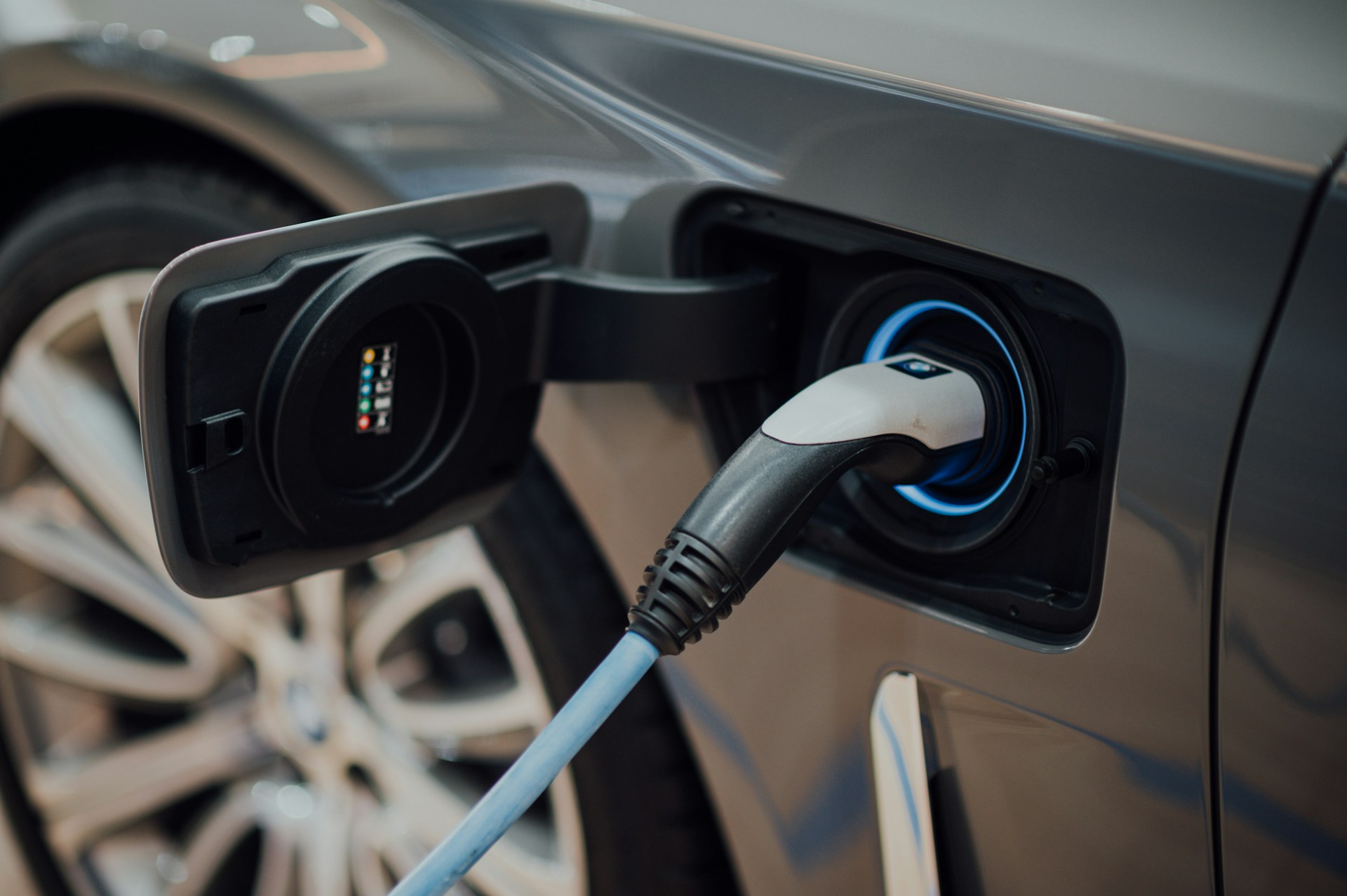
Norway has become the first country where more all-electric cars are on the road than petrol models, a symbolic tipping point in its decades-long push to electrify transport. New figures show 754,303 battery-electric cars versus 753,905 petrol cars among 2.8 million private vehicles, with diesel still the single largest category for now, as first reported by AFP via France 24 Electric cars overtake petrol models in Norway. Momentum is accelerating: in August 2024, zero-emission cars captured a record 94.3% of new registrations, according to Norway’s road federation Bilsalget i august 2024. Analysts credit generous, long-running incentives and a power system dominated by hydropower—roughly 89% of generation—reducing running costs and emissions Norway electricity mix. With policies intact, EVs are expected to surpass diesel on the road within the next few years.
Norway has crossed a threshold that many larger markets only talk about: there are now more battery-electric cars driving on Norwegian roads than petrol cars. Registration data compiled by the country’s road federation puts the all-electric tally at 754,303 vehicles versus 753,905 petrol cars across 2.8 million private cars, a narrow but historic lead first highlighted by AFP/France 24 Electric cars overtake petrol models in Norway. Diesel remains the biggest single slice of the fleet due to incentives from the mid-2000s, yet authorities expect EVs to overtake diesel as well within a couple of years if current trends hold.
Those trends are formidable. In August 2024, zero-emission cars claimed 94.3% of new-car registrations, the highest monthly share on record, according to Opplysningsrådet for veitrafikken Bilsalget i august 2024. That momentum carried into 2024’s full-year picture too, with nearly nine in ten new cars sold being fully electric, per independent tallies and international reporting In 2024, nearly all new cars were fully electric.
Policy is the through-line. Since the 1990s, Norwegian governments have stacked the deck toward zero-emission choices: exemption from purchase taxes and VAT, reduced tolls and ferry fees, and access perks that made early adoption less painful. Over time, those carrots combined with high taxes on fossil-fuel cars to narrow—or eliminate—the upfront price gap, while cheaper charging made the running costs hard to beat. Norway’s power mix amplified the effect: roughly 89% of electricity comes from hydropower, with wind adding to a grid that is both low-carbon and comparatively stable in price Norway electricity mix.
What this isn’t is an overnight switch. The fleet still reflects past preferences, and winter driving in a long, sparsely populated country presents real challenges. But the direction is unambiguous. With charging infrastructure scaling and incentives largely intact, Norway’s EV share of the active fleet is set to climb from a statistical edge over petrol toward clear dominance across the board. For policymakers elsewhere, the lesson is less about size than sequence: align taxes with emissions, reward cleaner choices for long enough to build trust, and pair the shift with clean, reliable power. Norway did those things methodically—and now the roads show it.