96% of Reefs Critically Endangered: Can We Save Them?

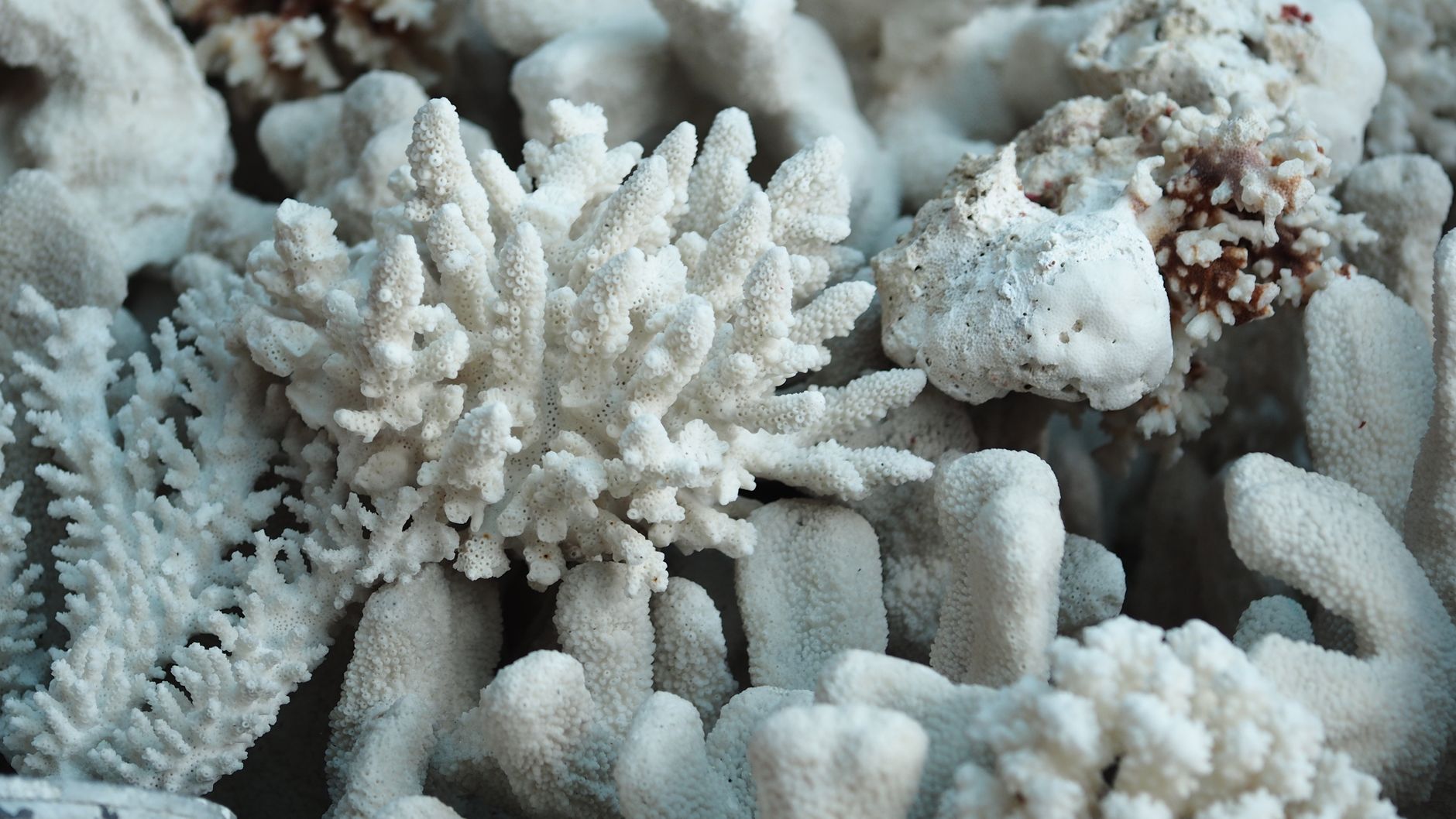
A new assessment by the International Union for Conservation of Nature reveals a dire future for the world's shallow coral reefs. A staggering 96 percent of major warm-water reefs are now classified as critically endangered, facing potential collapse by 2075. This crisis is primarily driven by heat stress from climate change, threatening vital habitats for countless marine species and a crucial lifeline for hundreds of millions of people globally. The report issues an urgent call to action on climate change and biodiversity loss to protect these essential ecosystems before it's too late.
The collapse of a coral reef means losing most, if not all, of its living hard corals, which build the reef's complex three-dimensional structure. As these vibrant communities vanish, so do the fish and other marine life that depend on them, eventually leaving behind rubble covered in algae. These changes effectively transform a thriving ecosystem into a degraded one, impacting an estimated quarter of all marine species and the human communities reliant on reefs for food, livelihoods, and protection from storms.
This alarming assessment, the first global evaluation of coral reefs as part of the IUCN Red List of Ecosystems, underscores the urgent need for action. The primary culprit is rising global temperatures, which lead to more frequent and intense marine heat waves. When waters get too warm, corals expel the colorful algae living within their tissues, turning white in a process called bleaching. While corals can sometimes recover, increasingly short intervals between these heat waves mean they don't have enough time, leading to widespread death. For instance, between 2023 and 2025, over 80 percent of the world's coral reefs were impacted by the fourth global bleaching event, with some species in places like Florida becoming functionally extinct.
Beyond climate change, local pressures such as overfishing, pollution, and poorly planned coastal development exacerbate the reefs' struggle. Warmer waters make corals more vulnerable to disease, which can spread faster in polluted areas. Overfishing of herbivorous fish, like parrotfish, allows aggressive algae to smother weakened corals, hindering their recovery and preventing new coral growth. These combined threats create a challenging environment for reefs to survive.
To give these invaluable ecosystems a fighting chance, scientists emphasize that rapid cuts in global emissions must go hand-in-hand with dedicated local conservation efforts. This includes sustained investment in reef monitoring, emergency response, effective marine protection, restoring healthy fish populations, and ensuring cleaner coastal waters. Our collective actions over the next few years will decide whether these magnificent natural wonders persist for future generations or disappear forever.