A $211 Billion Climate Fix: What's Driving CO₂ Transport?

The world is gearing up for a significant investment in moving captured carbon dioxide. A new analysis by Wood Mackenzie predicts the global CO₂ transport industry will attract $211 billion by 2060. This massive undertaking is crucial for global climate action, enabling countries to capture industrial emissions and store them safely. As humanity strives to reach net-zero emissions, developing efficient ways to transport billions of tonnes of CO₂ will be vital for mitigating global warming.
Imagine a world where industrial emissions don't just disappear, but are actively collected and stored away. That's the promise of carbon capture, utilization, and storage (CCUS), but it requires a sophisticated network to move the captured CO₂ from factories to secure underground storage sites. This new infrastructure, ranging from vast pipeline networks to specialized ships, represents a huge investment opportunity and a critical step in our fight against climate change.
A significant portion of this investment, nearly 60%, is expected to land in Asia Pacific. Countries like Japan, South Korea, Singapore, and Taiwan have high industrial emissions but limited storage options, making them reliant on transporting CO₂ to places like Australia, Indonesia, and Malaysia. This regional imbalance highlights why efficient, cross-border CO₂ transport is essential to meet ambitious climate goals and protect our environment.
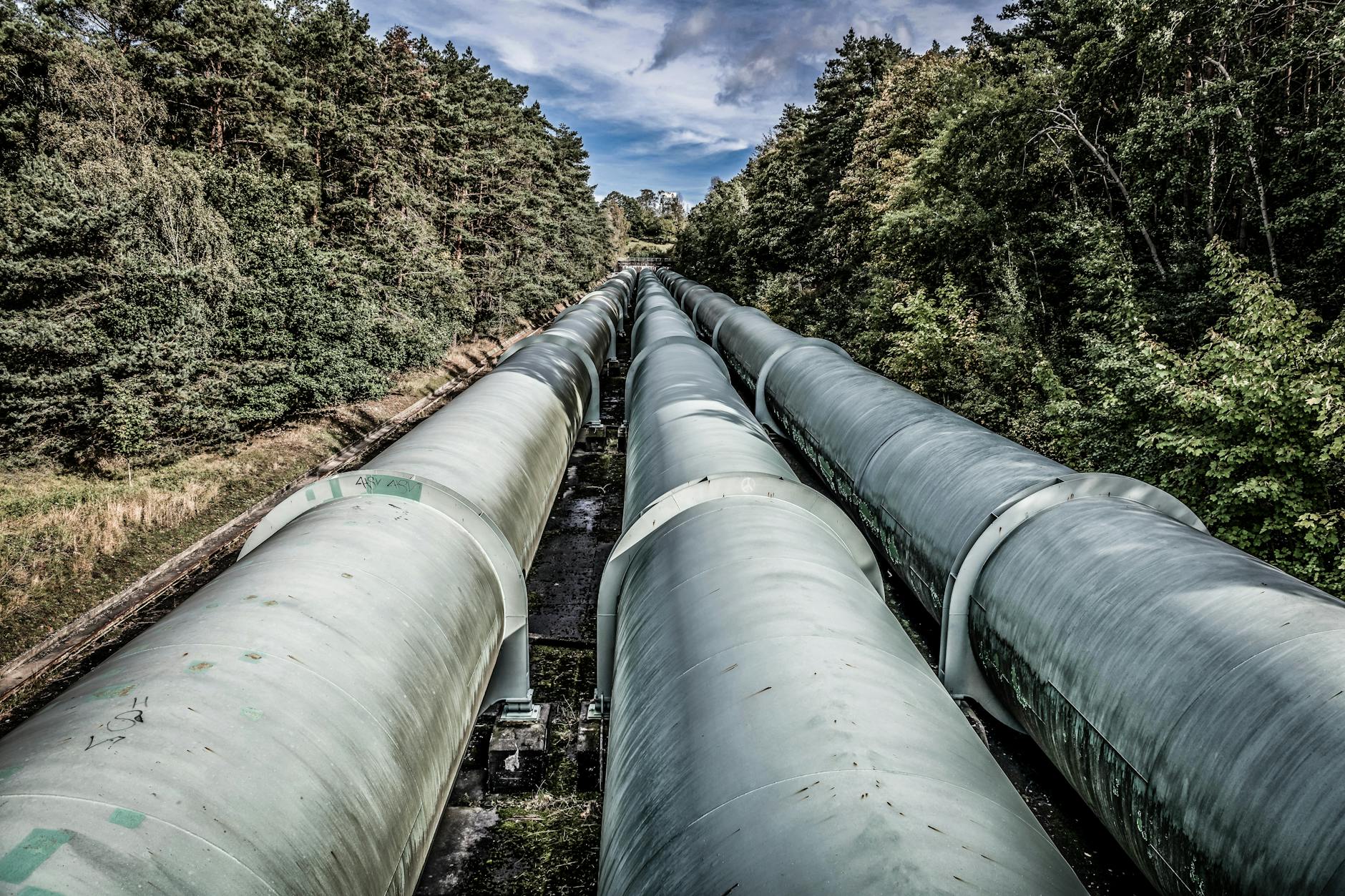
Pipelines are forecast to dominate this new industry, attracting over 80% of the total investment. They offer a cost-effective way to move large volumes of CO₂ over long distances. However, building these new arteries for carbon comes with challenges, including high construction costs and the need for steady CO₂ supplies. Interestingly, repurposing existing natural gas pipelines could dramatically cut expenses and speed up deployment, offering a greener path forward by utilizing existing infrastructure for a new, vital purpose.
For locations far from pipelines or across oceans, specialized ships will play a key role, carrying liquefied CO₂ between terminals. Deciding between pipelines and ships depends on factors like distance, volume, and existing infrastructure. The goal remains the same: ensuring that captured CO₂ reaches its final, permanent storage destination without leaking back into the atmosphere. While capturing and transporting fossil-derived CO₂ can prevent emissions, it's important to remember this process is about preventing new emissions, not removing existing ones from the atmosphere.
Ultimately, the success of this monumental effort hinges on strong global cooperation and clear policies. Governments need to establish common rules for international CO₂ transport, including agreements on storage and long-term responsibility. With coordinated planning and consistent commitment, the potential $211 billion investment in CO₂ transport can become a cornerstone of our collective climate action, safeguarding our planet for future generations.