A $72M Deal Transforms Farm Waste. Here's How.

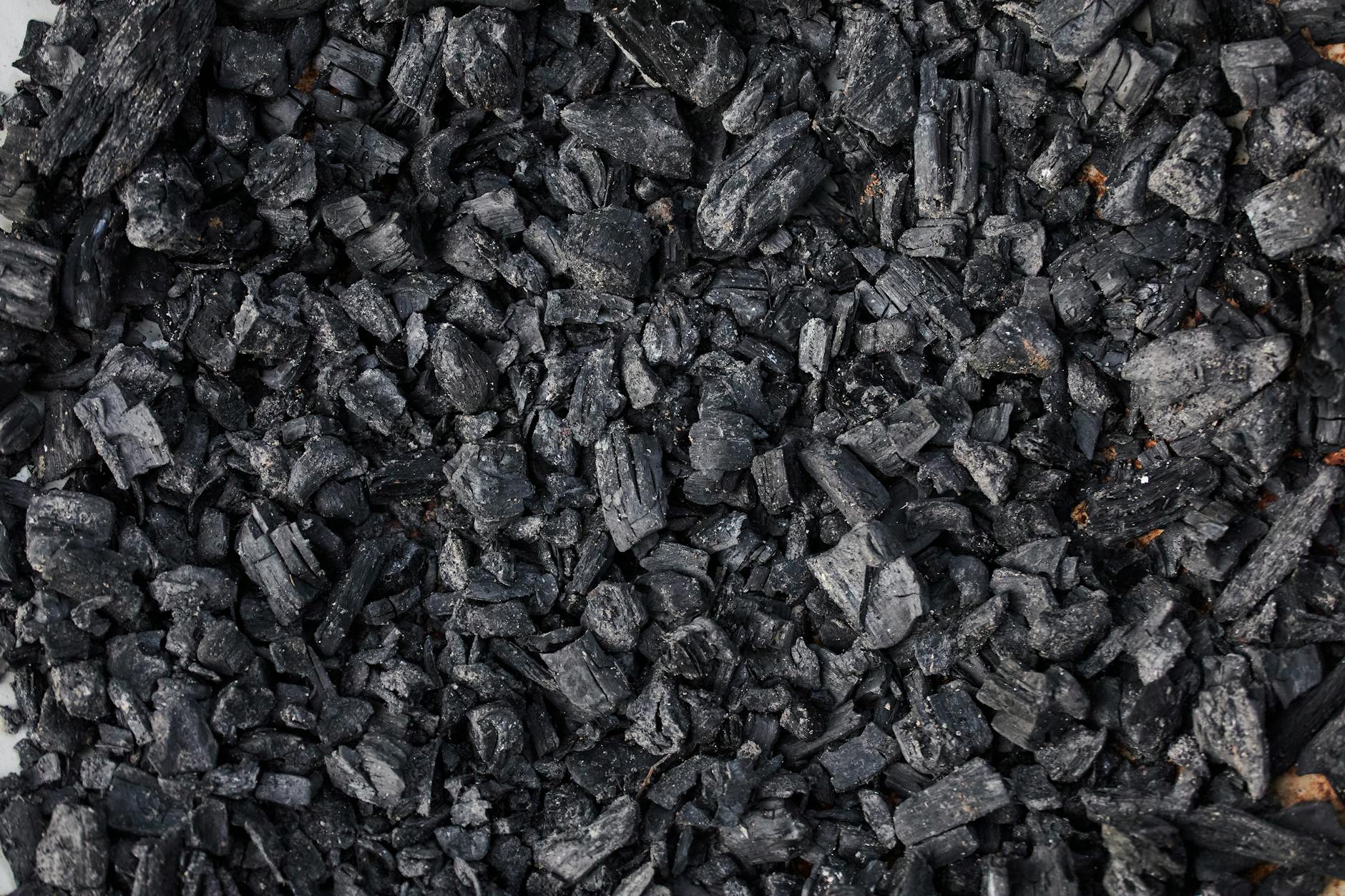
Citi has launched a pioneering $72 million financing deal designed to accelerate carbon removal efforts. This innovative 'outcome bond' links investor payments directly to the delivery of verified carbon removal credits, supporting a Texas project that converts agricultural waste into biochar. By bridging the critical funding gap for climate solutions, this initiative offers a promising model to scale projects that actively pull carbon dioxide from our atmosphere. This is a crucial step in the urgent global fight against climate change, transforming waste into a valuable tool for environmental protection and sustainable development.
This groundbreaking $72 million deal from Citi aims to tackle a major challenge: getting innovative carbon removal projects the money they need to grow. Traditionally, projects struggle to find funding before they can produce verified carbon credits. This new financing model changes that by connecting what investors get paid directly to how much carbon the project actually removes from the air.
At the heart of this effort is Applied Carbon, a company using mobile technology to turn farm waste into biochar. This process heats organic material without much oxygen, locking away carbon that would otherwise be released into the atmosphere. Biochar, when added to soil, can store this carbon for a long time and even improve soil health, making agriculture more sustainable. Applied Carbon's system is designed to work right in the fields, making the process more efficient and reducing the need to haul heavy farm waste around. Microsoft is already on board, committed to buying some of the carbon credits generated, showing a strong demand for these solutions.
Projects like this are vital for addressing the climate crisis. Every year, we need to remove billions of tons of carbon from the air to meet global climate goals. While the carbon removal market is growing rapidly, with demand more than doubling in recent years, scaling up these technologies requires significant upfront investment. Innovative financial tools, like Citi's outcome bond, are essential to unlock the capital needed to deploy and expand these crucial environmental efforts.
This initiative fits into Citi's broader commitment to sustainable finance, which includes a goal of supporting $1 trillion in sustainable projects by 2030 and reaching net-zero emissions across its own operations and financing activities. While this deal supports external climate action, Citi is also making strides in reducing its own environmental footprint, having cut its operational energy use significantly and sourcing 100% renewable electricity in 2025. This combined approach highlights the importance of both direct emissions reductions and supporting the development of new carbon removal technologies.
The ultimate success of this deal, and its climate impact, hinges on the careful measurement and verification of carbon removal. It's crucial that projects accurately track how much carbon is stored, how long it stays stored, and ensure that every credit represents a real, additional environmental benefit. If successful, this financing model could pave the way for many more sustainable projects, showing how collaboration between banks, investors, and climate innovators can accelerate our journey toward a cleaner, healthier planet.