A Florida Community's Environmental Hope: What Was Lost?

A Florida community, the University Area near Tampa, was set to receive a $15 million federal grant to tackle severe pollution and flooding worsened by climate change. This vital funding, intended for projects like restoring contaminated ponds, improving flood control, and ensuring clean drinking water, aimed to address decades of environmental neglect. However, the Trump administration abruptly canceled the program in May 2025, leaving residents in limbo. This decision has stalled crucial efforts to build a healthier, more resilient future for a community disproportionately affected by environmental degradation and climate impacts.
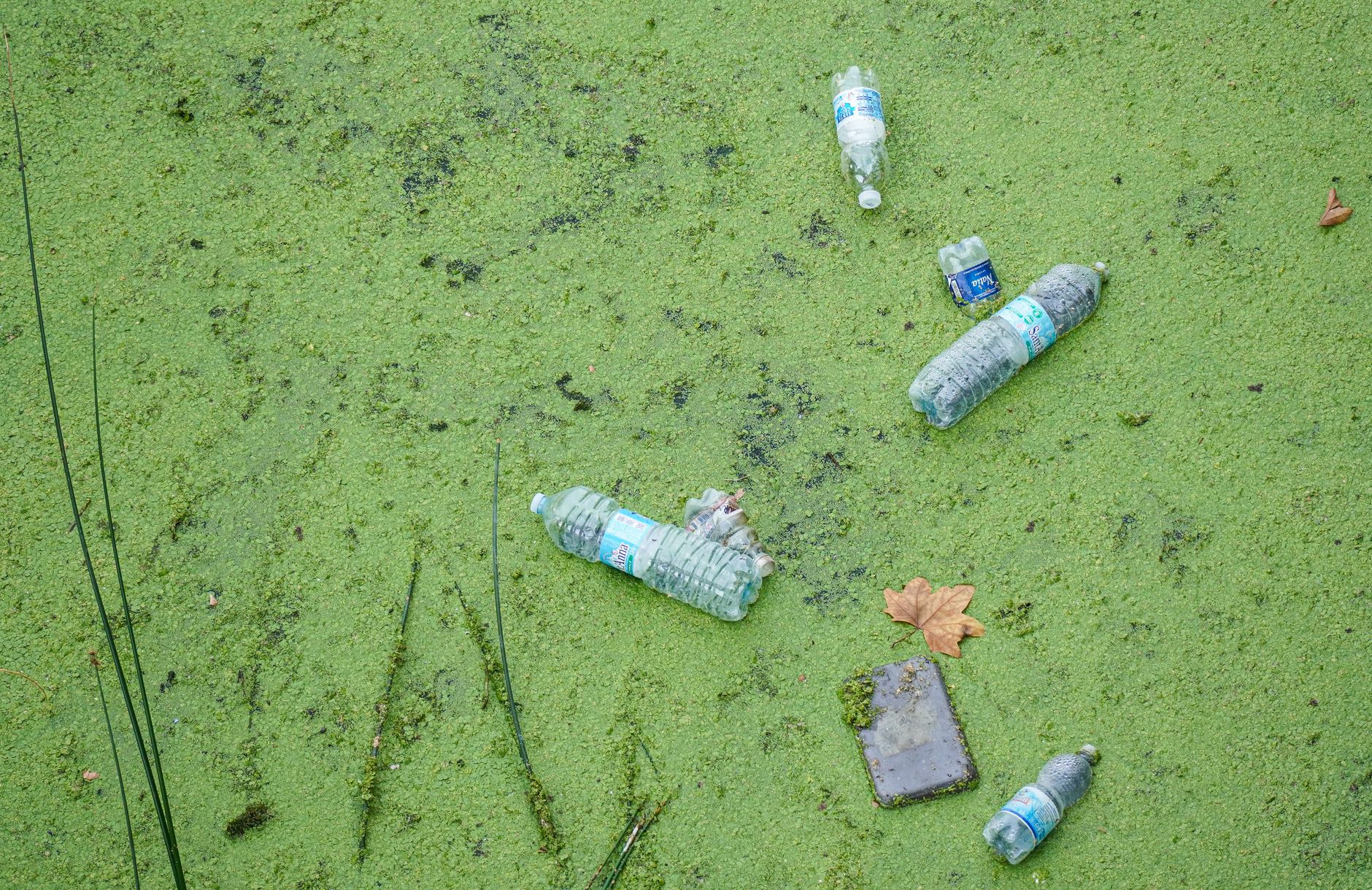
Residents in Tampa's University Area, a community grappling with low income and high unemployment, face daily environmental challenges. For years, local ponds, like Aarans Pond, have served as catch-basins for pollutants from nearby industrial sites, abandoned properties, and failing septic systems. These ponds eventually feed into the Hillsborough River and Tampa Bay, contributing to harmful algae blooms and the loss of vital seagrass. Compounded by intensifying rain events and rising sea levels due to global warming, these communities experience frequent, damaging floods that overwhelm their already strained infrastructure.
Recognizing this urgent need, the Environmental Protection Agency (EPA) awarded the University Area a $15 million grant in December 2024. This funding was part of a larger program designed to help communities, often those historically overlooked, address environmental injustice and climate impacts. The grant, based on a grant proposal submitted by the University of South Florida and a local nonprofit, promised transformational changes for the University Area, including restoring polluted ponds, enhancing flood control, and connecting more homes to clean piped water instead of relying on contaminated wells and septic systems. It also aimed to build a new community center to offer vital resources, jobs, and health services. This comprehensive approach underscored the importance of integrating environmental cleanup with community development to foster true sustainability.
However, by May 2025, the Trump administration abruptly canceled the Environmental and Climate Justice Block Grant program, withdrawing all funding nationwide. This move was part of a broader rollback of environmental and equity initiatives, citing executive orders against funding from the Inflation Reduction Act and terminating programs focused on diversity, equity, and inclusion. Communities like the University Area were told their proposals needed to "scrub" references to race and ethnicity, even though the grant was explicitly designed to address historical inequities in environmental exposure. Although federal litigation was filed on behalf of grant recipients and a judge ruled the EPA must resume the program, communities remain without their promised funds, causing profound disappointment and distrust.
For residents like Ross Fabian, who has lived in the University Area for decades, the cancellation is a stark reminder of long-standing neglect. Projects that would have brought cleaner water and safer environments are now on hold, despite the ongoing threat of pollution and climate-fueled flooding. The loss of these funds highlights the critical link between social justice and environmental action, reminding us that all communities deserve equal resources to protect their health and build resilience against a changing climate. As one community leader lamented, the situation reveals how fundamentally broken systems can be when vital environmental progress is halted for political reasons.