A Football Field of US Forest Vanishes—What It Means For You

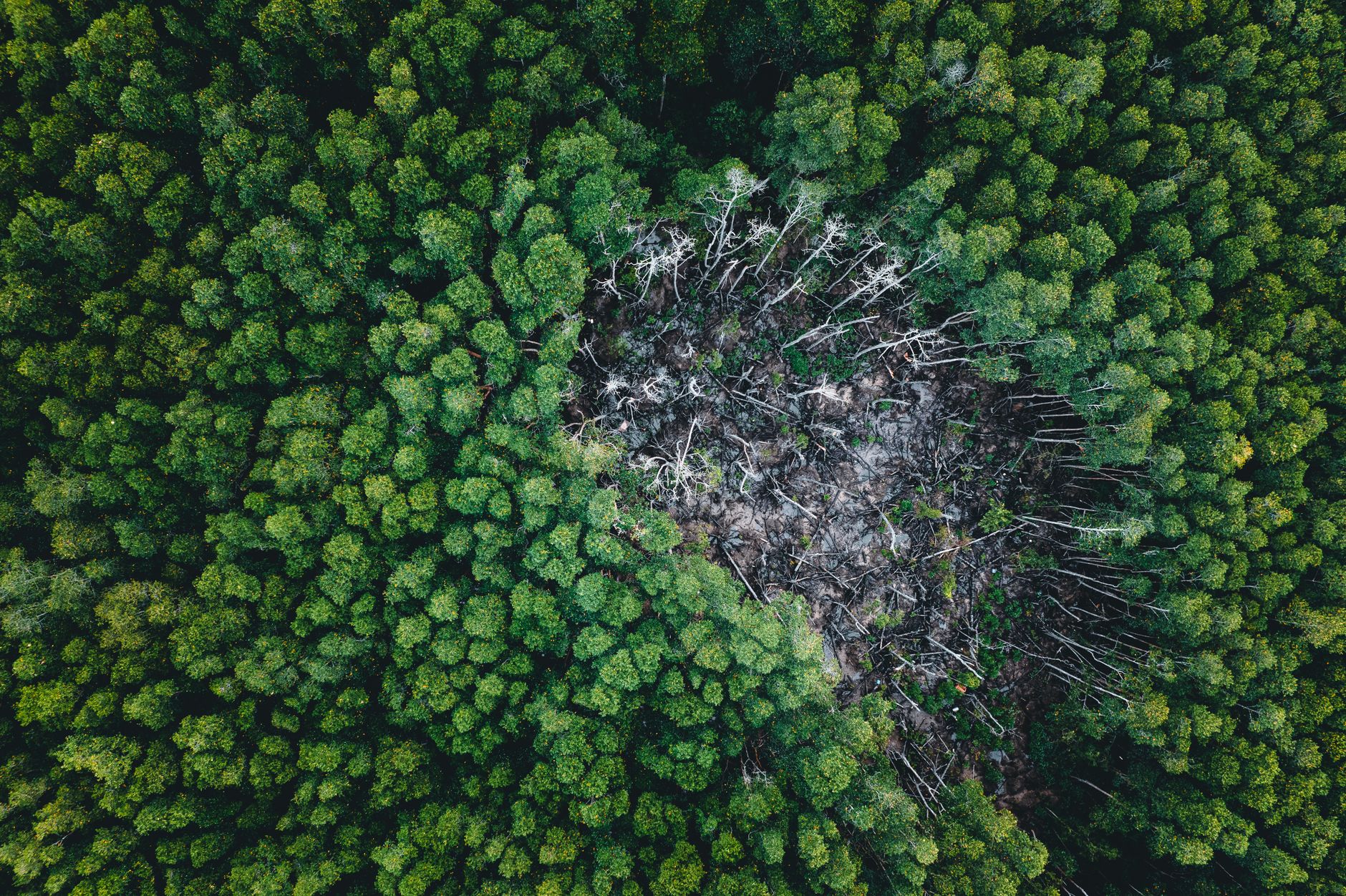
The United States is losing its forests at an alarming rate, with new satellite data revealing the disappearance of a football field-sized area every two minutes. Between 1990 and 2017, a staggering 9.8 million acres of forest were lost, equivalent to releasing 2.3 billion metric tons of carbon dioxide into the atmosphere. This significant deforestation, detailed by the U.S. Forest Monitor tool from Clark University, underscores a critical environmental challenge right in our own backyards. As these vital carbon sinks vanish, the urgency of protecting our natural landscapes and promoting sustainable land use becomes even clearer for the future of our planet.
A groundbreaking new satellite tracking system, called the U.S. Forest Monitor tool, has unveiled the significant scale of forest loss across the United States. Researchers at Clark University found that between 1990 and 2017, the country lost 9.8 million acres of forest land. This isn't just a number; it represents the loss of precious natural spaces that play a huge role in keeping our air clean and our planet healthy.
This massive loss of trees is equivalent to releasing 2.3 billion metric tons of carbon dioxide into the atmosphere. Forests act like giant sponges, soaking up CO2 and helping to slow down global warming. When they're cut down, this stored carbon is released, making the climate crisis even more urgent. The research emphasizes that while we often think of deforestation in places like the Amazon, this problem is happening right here in our own communities, demanding our immediate attention. Initial findings from the project help establish a crucial baseline for understanding these changes.
The study shows that roughly half of this permanent forest loss was due to land being cleared for development, like new buildings and roads, and the other half was converted into farmland. This balance surprised some experts, highlighting the many pressures on our natural landscapes. The Southeast U.S., including states like Georgia, Texas, and Alabama, experienced the most dramatic changes, accounting for about 70 percent of the total forest vanished.
Understanding where and why our forests are disappearing is the first step toward protecting them. Taking action to preserve these vital ecosystems is not just about saving trees; it's about safeguarding our climate, our biodiversity, and the future health of our planet. Every effort counts in ensuring these green spaces continue to thrive for generations to come.