A Global Bank Hits 99% Clean Power. Discover the Impact.

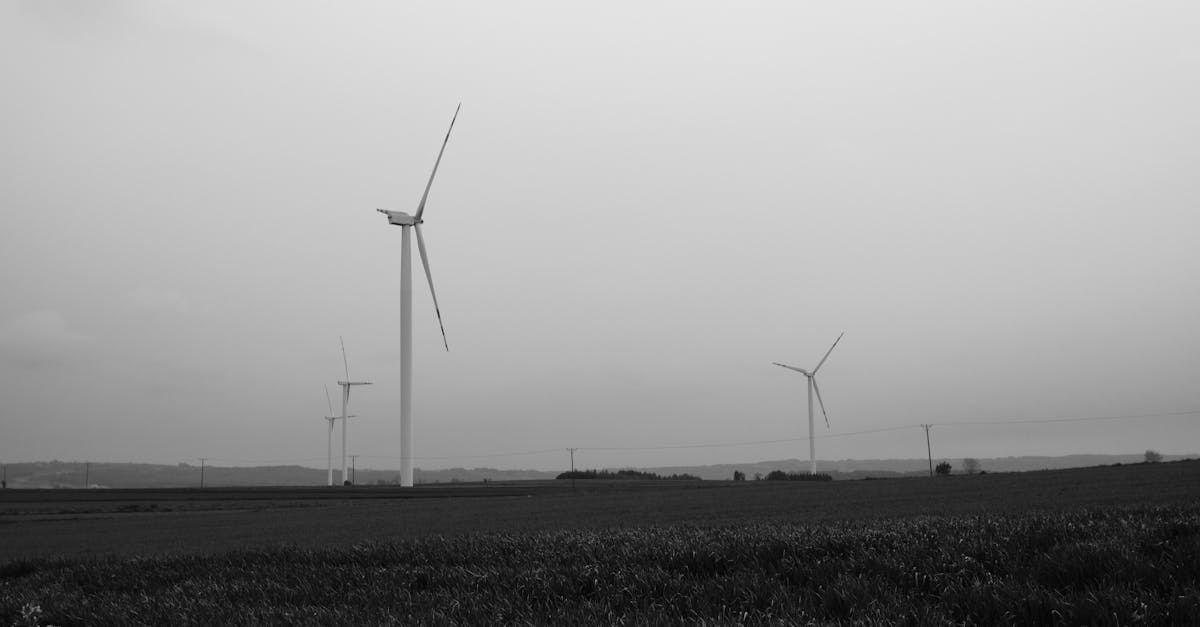
BBVA is rapidly accelerating its sustainability efforts, having achieved its earlier eco-efficiency goals two years ahead of schedule. The bank now powers nearly all its global operations, 99%, with renewable electricity. With a new 2026-2030 roadmap, BBVA aims for 100% clean energy and is channeling significant funds into sustainable projects. This commitment underscores the crucial role financial institutions play in driving the global transition to a cleaner, more sustainable economy.
BBVA has made remarkable progress in reducing its environmental footprint, demonstrating that large organizations can significantly cut emissions. The bank now sources 99% of its worldwide electricity from renewable sources, a testament to the power of prioritizing clean energy. Since 2019, it has also slashed carbon emissions from its direct operations and purchased energy by an impressive 83%. This shift away from fossil fuels is a vital step towards slowing global warming and protecting our planet.
Beyond electricity, BBVA has achieved significant reductions in resource use, cutting electricity per employee by 22%, water use by 36%, and paper consumption by 44%. More than 60% of its office spaces now hold environmental certifications. These actions show a holistic approach to sustainability, reducing waste and promoting healthier work environments.
Looking ahead, BBVA's new 2026-2030 Global Eco-efficiency Plan aims even higher. The goal is to reach 100% renewable electricity and further improve efficiency across all resources. This plan includes upgrading buildings with smart technologies, promoting sustainable transportation like electric vehicles, and implementing better waste management systems. These efforts are not just about meeting targets; they are about fostering a culture of environmental responsibility throughout the organization, proving that sustainable solutions often outperform older, less efficient methods.
A major challenge for banks, including BBVA, lies in their indirect “Scope 3” emissions—those linked to the loans and investments they provide. These financed emissions represent about 99% of the bank’s total carbon footprint. To tackle this, BBVA is setting industry-specific targets and creating transition plans to align its financing with global decarbonization goals. This is incredibly important because banks have immense power to influence industries like energy and transport, accelerating or hindering the global shift to a low-carbon economy.
In a positive move for collective climate action, BBVA is significantly increasing its support for green initiatives. In the first quarter of 2026 alone, the bank channeled €36 billion into sustainable business activities, a 33% increase from the previous year. Most of this funding, €27 billion, went to environmental projects focused on climate action and preserving natural resources. This growth in sustainable finance highlights the increasing demand for investments that support renewable energy, resource efficiency, and other vital climate solutions.
BBVA’s strategy showcases how business growth can be intertwined with critical environmental goals. By reducing its own operational footprint and directing billions towards sustainable projects, the bank is actively participating in the urgent global transition away from fossil fuels. This demonstrates a clear path for the financial sector to become a powerful ally in the fight against climate change, benefiting both the economy and the planet.